Originally a staple of the local and leisure travel market, ride-hailing services such as Uber and Lyft have rapidly been adopted by corporate travelers in the past couple years. Lyft chief business officer David Baga spoke with hotels editor Danny King about the changes.
Travel Weekly: How is your corporate business doing?
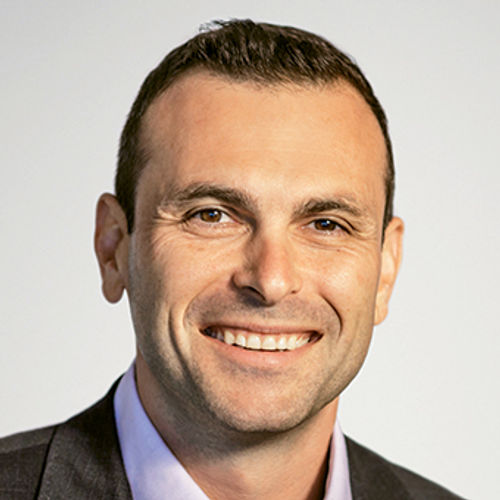
David Baga, Lyft
David Baga: The biggest, most obvious near-term opportunity is around corporate travel. It's our fastest-growing segment. Ride-sharing is taking share from other categories, such as taxis, black cars and rental cars, and Lyft is the fastest-growing supplier in the entire category. Over the course of the past two years, we've seen a complete one-eighty in corporate travel managers. I used to go to meetings, and less than 5% would have a policy around ride-sharing, and when I asked if there was one planned, the majority said no. We saw that change during the latter half of last year.
TW: Where are corporate travelers adopting Lyft most rapidly?
DB: The major business markets continue to lead. New York, Chicago, Atlanta, Los Angeles and San Francisco are very much ahead of the pack in terms of adoption.
TW: What sectors?
DB: Professional-services organizations tend to be early adopters. And the average age in a large consulting firm is in the mid- to late-20s, which is a huge advantage because they're adopting Lyft on their own. And anybody who has a large population of field sales reps, so you can imagine high-tech management [as a rapid adopter].
TW: Are corporate travel managers coming to you or vice versa?
DB: Both. We're partnering with them to effectively shape their ride-sharing policies, which they're usually adopting for the first time. We're onboarding them and training them to use the Lyft for Business products and programs, and we work with them on a quarterly basis to optimize their operations. We aim to take the friction out of the travel experience as much as possible. One of the areas is reimbursement of ride-share receipts. We're in a partnership with the top six expense-management systems to all but eliminate having to take pictures of receipts and forwarding them, so corporate travel managers are getting the transparency and accuracy they need.
TW: You debuted the Lyft Lux black-car/SUV service in May. Why?
DB: That was a pretty common request coming out of the travel community, especially for [corporate] recruiting purposes. All of the other features primarily focused on improving the travel experience for road warriors, but we're also creating a solution that helps administrators manage transportation programs, and we're seeing new cases emerge in transportation, hospitality and tourism around courtesy rides, so it could be anyone from a [job] candidate you're trying to impress to an intern who can use Lyft in place of a taxi voucher.
TW: Has it become easier to get airports to accept ride-hailing service on premises?
DB: Yes, we have a dedicated team focusing on the airport experience, and they've done a tremendous job working with regulators and authorities. About 95% of airports in cities where Lyft operates, or about 350 locations, permit Lyft to operate, so that's tremendous progress. If you make a trip to LAX and use ride-sharing, you're going to be surrounded by a lot of other folks doing the same.
TW: While Uber has had its reputation-management issues involving the appearance of being cut-throat, Lyft has come from the opposite direction via its pink mustaches. Has that been its own challenge to overcome with the business community?
DB: We're proud of how we got started. The quirkiness and charm really made a strong impression, but over time we've stepped away from that to appeal to a broader set of customer groups The Lyft brand remains light-hearted, but it certainly has a degree of polish that we're proud of. That transformation was largely led by Jesse McMillin, our vice president of creative, who was from Virgin America. That's a good example of a company that's had a reputation of good and whimsical in brand advertising, but that's also very polished. We look at them as a good example of a company that really struck the right balance.