CLIA said it plans to comply with a U.S. senator’s request for copies of cruise lines’ federal tax returns “as soon as the information requested can be gathered.”
Sen. Jay Rockefeller (D-W. Va.) on March 1 directed CLIA to present the tax documents or face a subpoena to provide them.
The demand came during a Senate Committee on Commerce, Science and Transportation hearing titled “Oversight of the Cruise Ship Industry: Are Current Regulations Sufficient to Protect Passengers and the Environment?”
While the name of the hearing didn’t imply a focus on tax issues, Rockefeller appeared preoccupied with the subject.
 “I must ask why an industry that earns billions and uses the services of up to 20 federal [agencies] pays almost no corporate income tax at all,” he said.
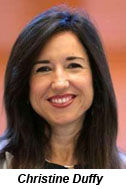
Christine Duffy, president and CEO of CLIA, testified on behalf of the association’s 26 member lines and took the brunt of Rockefeller’s criticisms about current tax laws that enable cruise lines with foreign-flagged ships to avoid paying federal corporate income taxes.
She noted, for example, that the cruise industry provides myriad economic benefits such as jobs and passenger spending at embarkation ports and ports of call, and that ships pay port fees and local taxes.
Hydi Webb, manager of business development at the Port of Miami, said in an interview after the hearing that cruise lines pay dockage, wharfage and harbor fees to all U.S. ports.
Dock and harbor fees, she said, are based on each vessel’s gross tonnage.
Some cruise lines have formal agreements with the Port of Miami, enabling them to receive discounts to the tariffs based on the volume of activity they commit to the port.
In a statement after the hearing, CLIA observed that “some of the questions went beyond areas presented as the focus of the hearing. But CLIA appreciated the opportunity to 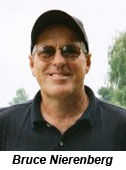 present the industry’s commitment to safety and environmental stewardship.”
Others who witnessed the exchanges between Duffy and Rockefeller on tax issues were not as diplomatic as CLIA in their assessment of the senator’s questions and statements.
Bruce Nierenberg, a veteran cruise line executive and now president of United Caribbean Lines, which plans to offer ferry service between Tampa and Mexico, said the tax discussion sounded like a witch hunt.
“I’m sure the [cruise] industry will drop back and put up the issues of jobs and economic stimulus the industry [provides],” he said. “However, taxation issues should be looked at in terms of when an industry fits into the taxation profile of the country and how it stacks up against comparable industries.”
For example, he said, “Does British Airways pay corporate income tax in the U.S.? I don’t think so. But if it’s determined that they should, then the U.S. government should do so in an orderly fashion with proper vetting of the subject by all parties concerned and not turn it into a political witch hunt in an election year.”