First tango in
Buenos Aires
In her debut Global Summit, WTTC CEO
Gloria Guevara choreographs a public/private
dance to improve security,
crisis management and sustainability.


In the weeks following her appointment as CEO of the World Travel & Tourism Council last October, Gloria Guevara and her staff had one-on-one meetings with 80% of the chief executives, managing directors and chairs of global airlines, hospitality companies, tour operations, travel agencies and other industry enterprises that make up the organization’s impressive membership roster.
Her first question to each of them was the same: What are your needs, challenges and priorities?
“What was interesting,” she recalled, “was that three priorities were repeated over and over: security and travel facilitation, crisis management and sustainability.”
She had her marching orders.
“The No. 1 priority, by far, was security and travel facilitation,” she said. “Previously, we were more focused on facilitation, but the realities have changed, and the challenges around security cannot be separated. Some governments are thinking that by closing borders or decreasing the number of visas or by making it more difficult to enter, they can increase security. The reality is there’s technology that can help us increase security and at the same time increase the number of travelers, improve their experience and create more jobs. Technology like biometrics can lead to a win-win for governments, the travel industry, destinations and their communities.”
‘Technology can help us increase security and at the same time increase the number of travelers.’
The second priority was related to crisis management in the event of natural disasters, terrorism or outbreaks of disease. For the most part, the private sector has dealt with crises after the fact, but Guevara discovered there was a desire to be engaged with governments in crisis-preparation initiatives.
“We’ve done a lot of research,” she said. “When the private sector is engaged early, the impact of a crisis is lessened. This has a significant impact for travelers and for jobs.”
The organization has had several ongoing, high-profile initiatives around sustainability, its third priority, over the past decade, and Guevara believes that the organization needs to be more vocal about those. But there are also projects that are more of-the-moment, particularly addressing overcrowding at some attractions and overtourism to certain cities and sites.
On those topics, Guevara said, “We had two options: do nothing or be part of the solution. This is very important for our members. So we partnered with McKinsey & Co. last year and are working with destinations to find a path to move forward and overcome that challenge.”
Summit attention will also be focused on initiatives against human trafficking and illegal wildlife poaching and trafficking.
One area of sustainability that is important to members has less to do with environmental concerns than with the jobs that keep the industry growing.
“We provide lots of opportunities,” Guevara said. “You don’t need a lot of skills or training to find [an entry level] job in travel, but there are mobility opportunities you don’t find in other sectors. Someone can start in reservations at an airline and become a country manager for that same airline. Or someone starts at the front desk of a hotel and is now a general manager.
“The focus on jobs is critical. How do we make sure employees have the right skills for the jobs that will be needed in the future?”
For all three strategies, Guevara said, it is crucial to engage with governments. To plot a path forward, she leans on her experiences in the private and public sectors; she was both head of Sabre in Mexico as well as that country’s secretary of tourism.
In Buenos Aires, she will try to replicate one of her major public sector successes in her current private sector role: In 2012, as Mexico’s tourism secretary, she organized a “T-20” meeting of tourism ministers of the G-20 nations. That was in Merida, just prior to a WTTC regional meeting. The T-20 group forged a declaration, later adopted by the G-20 heads of state, that countries would “work toward developing travel facilitation initiatives in support of job creation, quality work, poverty reduction and global growth.”
Argentina is the host of the G-20 this year, and Guevara has organized a T-20 summit of ministers on the day before the summit opens.
The location of the summit in Argentina is also meant to support that country’s movement toward WTTC goals.
“Argentina was pursuing a very protectionist path,” Guevara said. “Tourism was not a priority. But since president [Mauricio] Macri and tourism minister [Jose Gustavo] Santos came in, they have made connectivity and initiatives around travel facilitation a priority.”
The full WTTC agenda can be found at WTTC.org, but we’ve spoken to some of the speakers to give Travel Weekly readers a sneak peek of what to expect in Buenos Aires later this month:
TACKLING OVERTOURISM
Ninan Chacko, CEO of Travel Leaders Group, discussed the role that travel agents can play in helping to address many of these issues, particularly overtourism.
“We know we can identify the right kind of demand that would be interested in destinations that historically haven’t seen that marketing,” he said, citing as an example Venice, which has become the poster-child destination for overtourism.
“It’s intelligently taking that demand and shifting it from a geography-and-time perspective and pushing it into regions that people haven’t historically thought of.”
Advances in marketing and a growing appetite for experiential travel are pushing companies like Travel Leaders to expand tourism to lesser-known parts of the most popular countries. Being able to more highly target and quantify guests, Chacko said, enables travel agents to expose clients to a country like Italy “at a breadth and depth that is beyond that two-dimensional Rome, Venice, Florence picture.”
‘Not many tourists want to be where it is crowded, expensive and there’s nothing local or authentic.’
Shifting that demand puts less stress on places like Venice, he said, and more importantly, “brings some of the economic impact to those lesser-known destinations and during less busy periods.”
Travel agents are responding to travelers’ growing demand for alternative experiences and destinations by using their expertise to help market those off-the-beaten-path areas, ultimately benefitting the location and producing happier customers.
“Not many tourists want to be in a place where it is crowded, expensive and there’s nothing remotely local or authentic about that experience,” Chacko said.
Threats to inclusive travel
For the last few years, the travel industry has had to fight the perception that security and travel facilitation were incongruous pursuits.
Panelist Manuel Muniz, dean of the School of International Relations at Madrid’s IE University, has been studying the forces behind recent calls for building walls and closing borders, and he finds that the motivation has more to do with economic inequality than with security and that the populist rhetoric that has been unleashed, which has led to what he calls the “political oddities” of the Trump election and the Brexit vote, will have an impact on travel.
“The first manifestations will not necessarily be on tourism but on actual movement of people to settle and work in different places,” Muniz said. “But the tendency is in a direction that runs contrary to the interests of an industry that is built on exchanges of cosmopolitanism and open borders.”
Muniz has found a correlation between anti-immigrant sentiment and “tourismphobia, a fear of tourists and rejection of tourism,” that has already taken hold in parts of Europe, most notably in Barcelona, where elected officials have taken action to control tourism.
Proponents of both, he said, “drink from similar sources” and ultimately want to “reject free movement and open borders.”
‘If we think that the tourism industry is protected from anti-cosmopolitanism, I think that is short-sighted.’
“If we think that the tourism industry is isolated and protected from these trends of anti-cosmopolitanism, I think that is short-sighted,” Muniz said.
DEALING WITH CYBERTHREATS
Although it’s often a behind-the-scenes issue for the travel industry, many believe that cyberthreats need to be addressed more seriously. Speaker Nick Fishwick, an adviser at HSBC said, “In the same way that some hostile organizations would want to launch physical attacks on tourist locations, airports and other facilities, there are also cyberthreats to the same institutions. There needs to be an awareness in the travel and tourism industry of the fact that people would want to use cyber to disrupt them and to understand what the different threats might be and what reasonable measures they can take to neutralize these threats.”
Fishwick said travel companies can also be the targets of financially motivated criminal cyberattacks that can put a company out of business.
“That’s very bad news for the customers, particularly if they’re halfway through their holiday or they’ve already paid for it,” he said.
However, as important as it is to take cyberthreats seriously, Fishwick also warned against scaring people.
“I wouldn’t want people to panic about this,” he said. “I wouldn’t want people to start canceling trips because they’re worried about cyberattacks that might take the plane out of the sky or send their travel agents bust halfway though a journey.”
An appropriate response, he said, is for people who are responsible for the trips — airlines, travel agents, etc. — to have a certain level of awareness about cyberdefense to protect their customers and companies.
Cybercriminals can also harm the travel industry at large, Fishwick said, by using cyberattacks to damage a company’s or industry’s reputation.
2018 Tourism for Tomorrow Awards finalists
Community Award
&Beyond, South Africa
Through its nonprofit Africa Foundation, &Beyond has set up community development projects in 56 communities throughout Southern and East Africa providing classrooms, clinics, centers for orphaned and vulnerable children, vegetable gardens and craft markets.
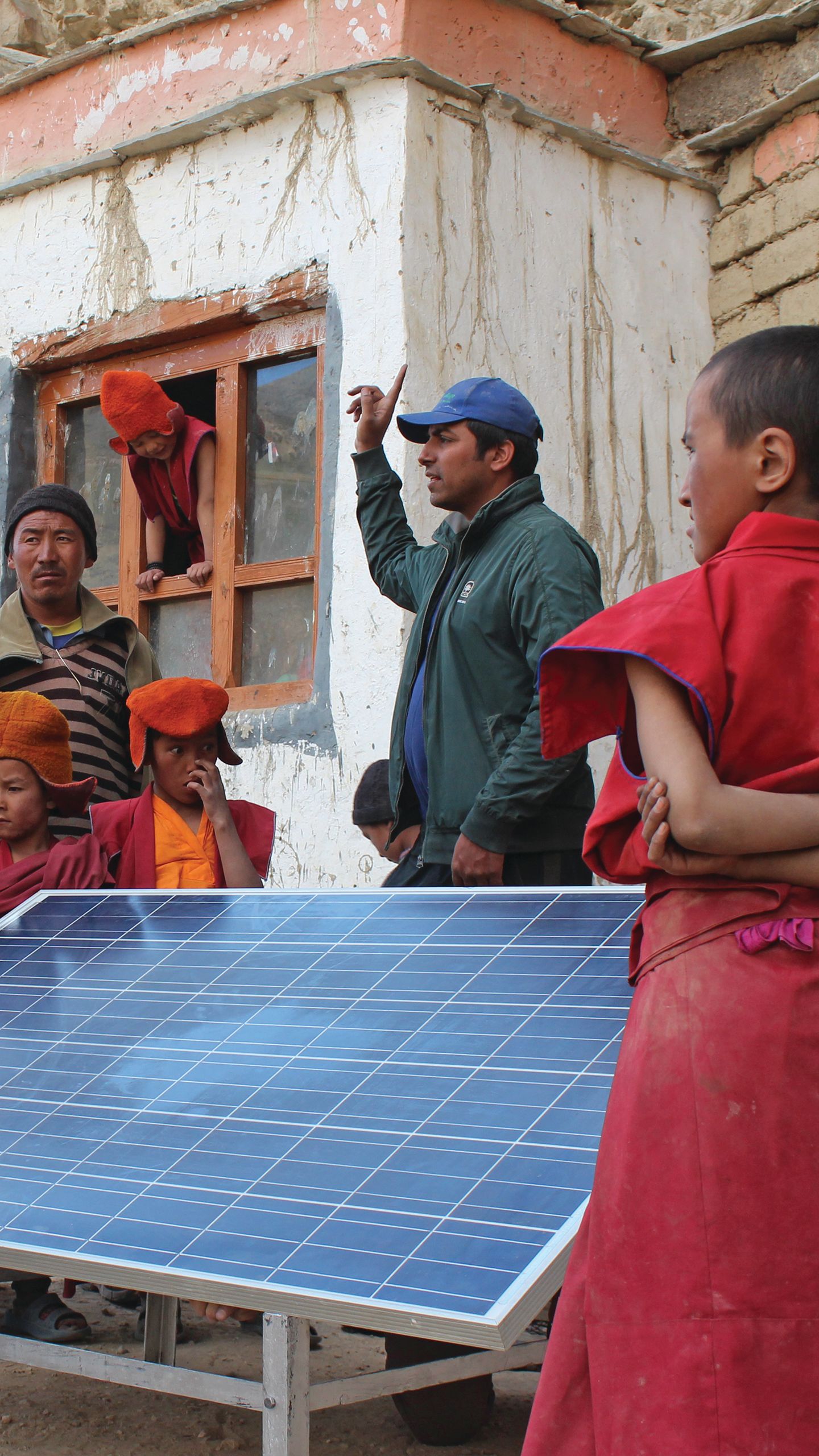
A solar panel set up by Global Himalayan Expedition travelers.
Global Himalayan
Expedition (GHE), India
Over 500 GHE travelers have helped set up solar-powered microgrids in 50 remote Himalayan villages, providing clean electricity and enabling the villages to get rid of kerosene oil lamps. GHE also helps trains village members to run sustainable homestays or to work as cooks and guides.
Sustainable Development Institute Mamirauá, Brazil
The Uakari Lodge uses tourism to introduce visitors to the Mamiraua Sustainable Development Reserve while protecting its biodiversity and providing employment and income to 10 surrounding communities. Eleven thousand guests have stayed in the lodge, supporting 400 community members. By 2022, Uakari’s owners will hand over ownership of the lodge to the local people.
Destination Award
Corporacion Parque Arvi, Colombia
Since opening in 2010, tripling Medellin’s green space per resident, some 4.5 million mostly poor locals have visited the city’s Ecotourism Parque Arvi, where 38,000 trees have been planted along 54 miles of walking trails, bike paths and an outdoor food market promoting local produce.
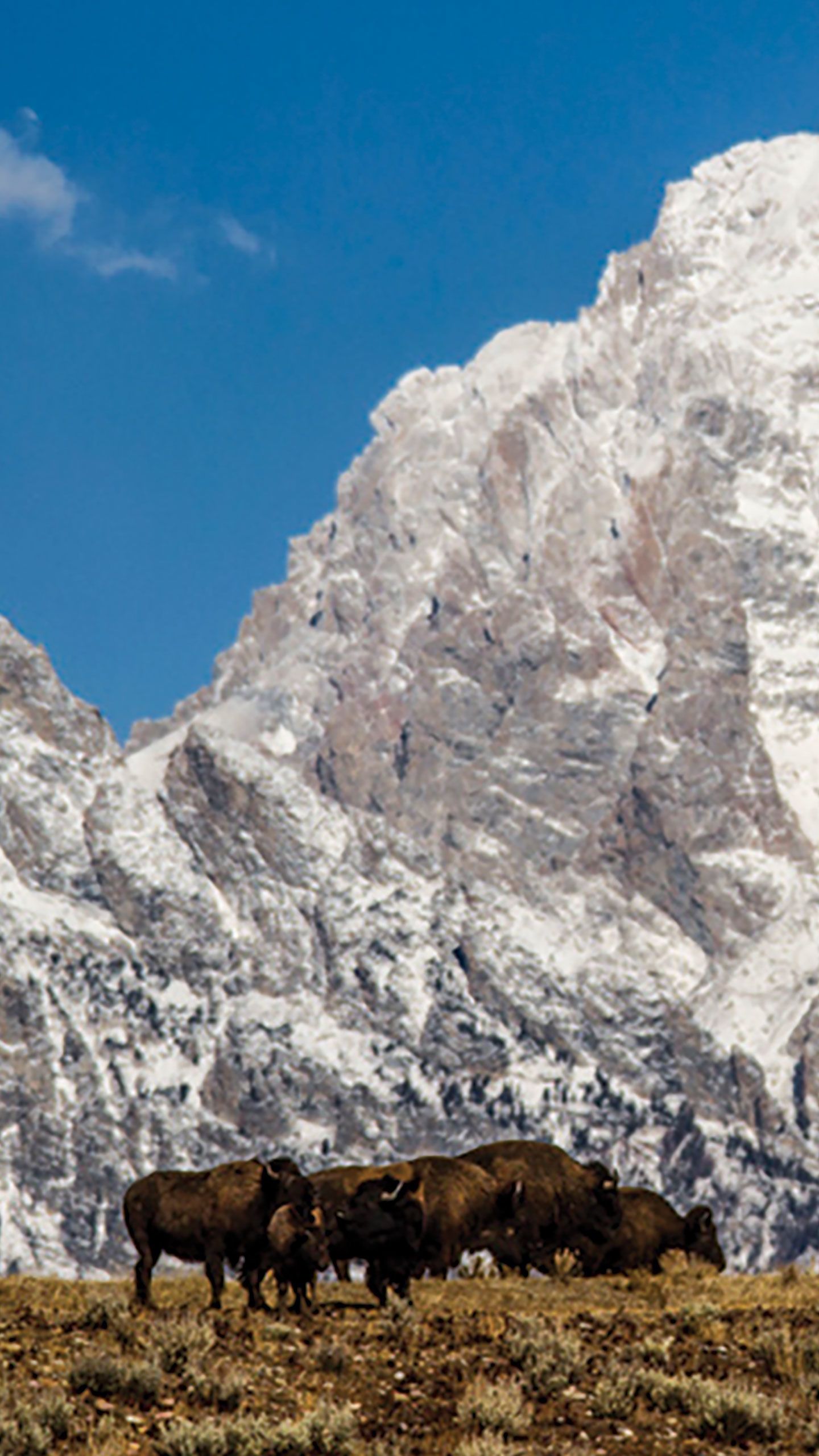
The Riverwind Foundation helps create “green-collar” jobs.
Riverwind Foundation, Jackson Hole, Wyo.
Created by the Jackson Hole & Yellowstone Sustainable Program, the foundation trains and assists more than 260 businesses in sustainability and has created 49 local “green-collar” jobs. It has distributed a newly created Jackson Hole Sustainability Code of Conduct to more than 60,000 travelers.
Thompson Okanagan Tourism Association (TOTA),
British Columbia
Home to 90 villages and hamlets and 33 indigenous communities, British Columbia receives around 3.5 million tourists each year. In 2012, TOTA launched a 10-year sustainable-tourism strategy with projects like keeping invasive zebra mussels from its waterways, installing more than 1,000 electric car charging stations and creating free webinars on sustainability for the region’s 4,500 tourism stakeholders.
Environment Award
Airport Authority Hong Kong
By the end of 2015, Hong Kong Airport achieved a 25.6% reduction in the overall carbon intensity of its operations, while also saving enough food from going to waste to provide 100,000 meals for the underprivileged.
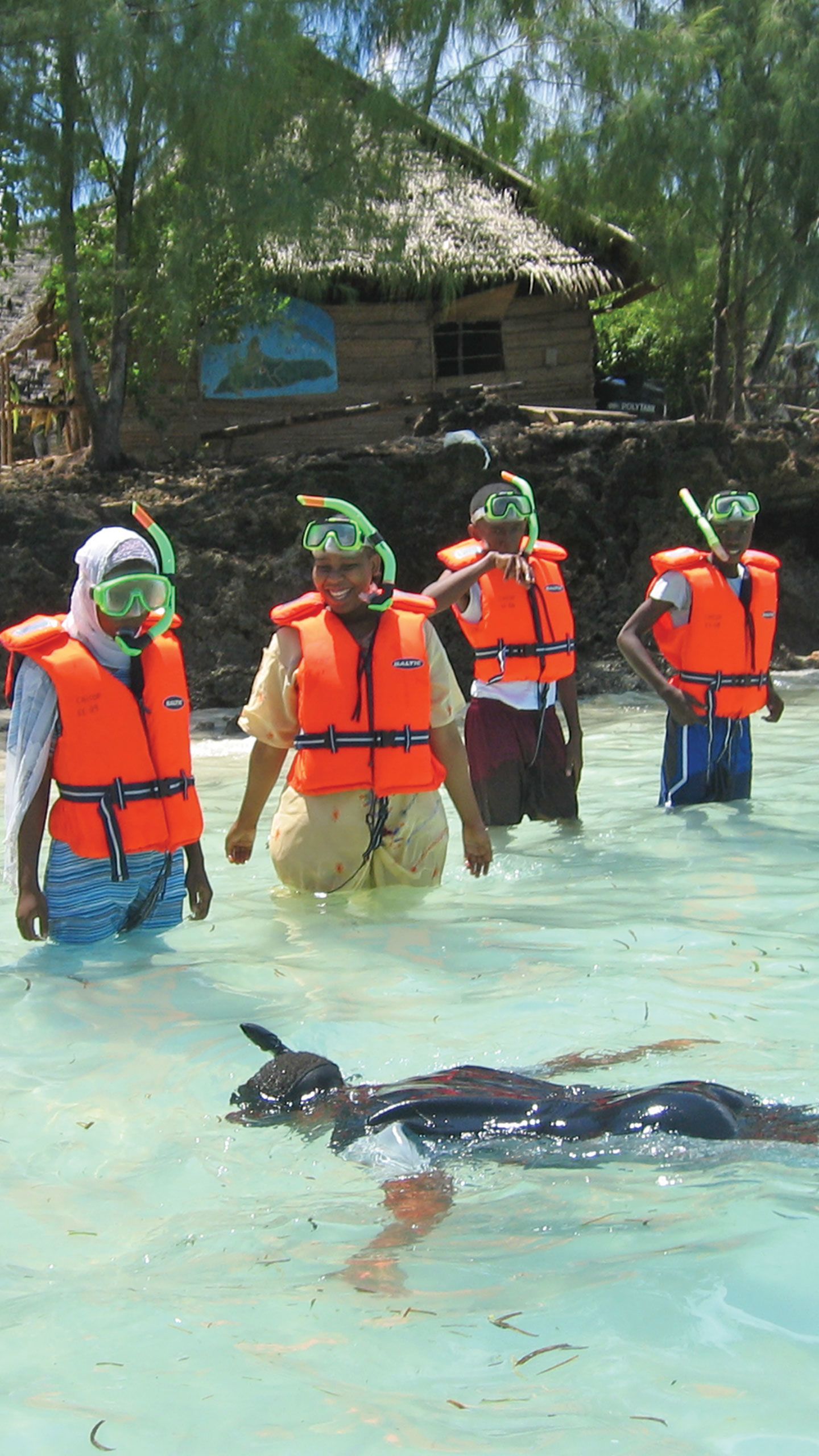
An excursion at the Chumbe Island Coral Park in Tanzania.
Chumbe Island Coral Park, Tanzania
This small coral island is the site of the world’s first financially self-sustaining marine protected area, funded by a seven-bungalow ecolodge. Since 1995, 9,400 local schoolchildren and teachers, community members and government officials have gone on educational excursions to Chumbe.
Melia Hotels International, Spain
The company’s Paradisus Playa del Carmen hotel protects four hectares of mangrove forest, three hectares of low forest and the coastal dunes, and it is restoring corals on the neighboring Mesoamerican Reef. Its Carbon Neutral Convention Center hosts zero-emission events and runs a nature club for young guests, and it has donated to build local bike paths and a sports park.
Innovation Award
Parkbus, Transportation Options, Canada
The world’s first dedicated city-to-park transit system reduces traffic pressure on Canada’s most popular wilderness destinations, with one motorcoach taking up to 45 vehicles off the road. It also offers easy access to natural areas through various community programs.
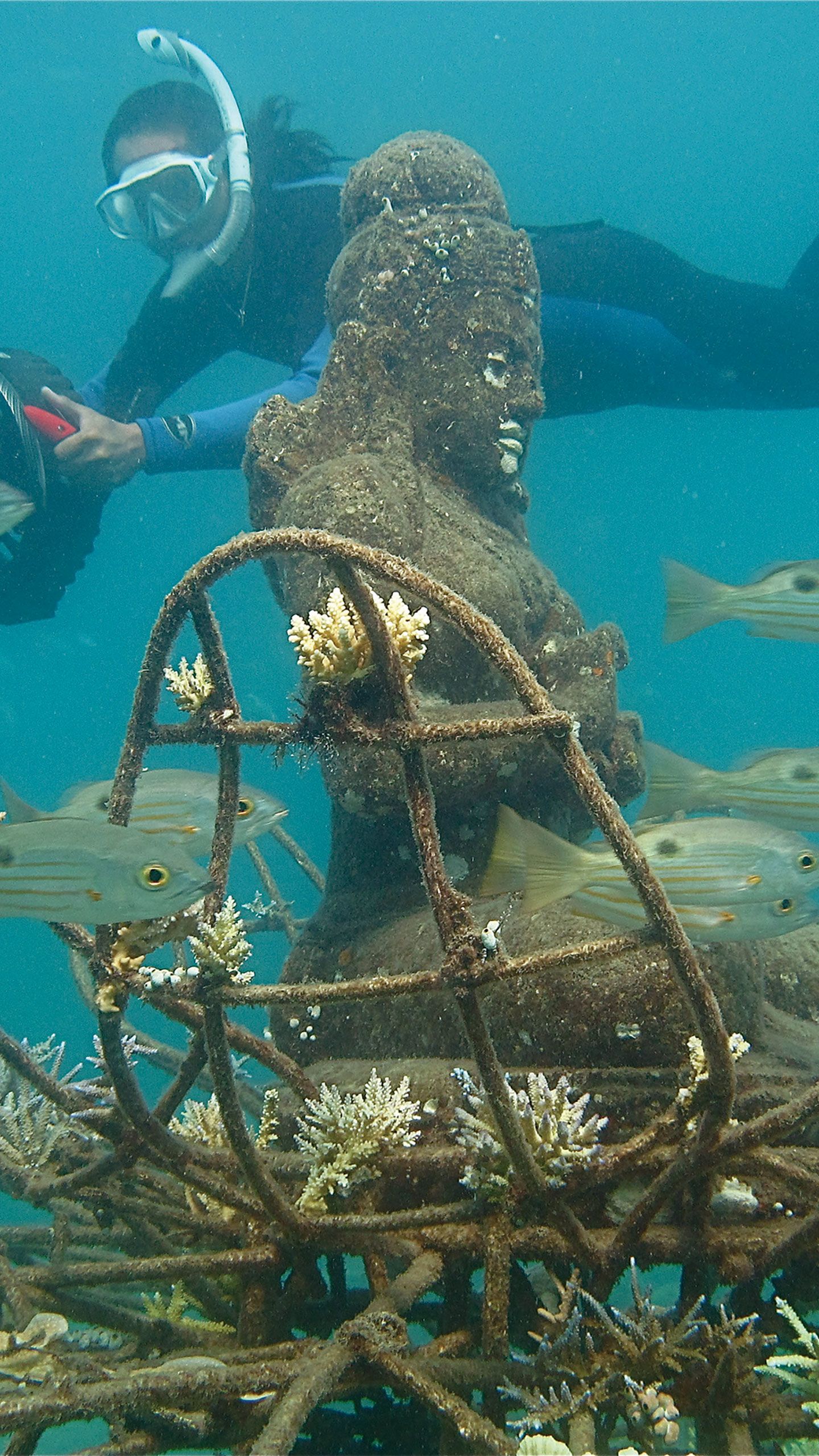
A Biorock coral reef taking shape in Pemuteran Bay, Indonesia.
Yayasan Karang Lestari Teluk Pemuteran (Pemuteran Bay Coral Protection Foundation), Indonesia
The reefs and coastlines of Bali’s Pemuteran Village, almost wiped out through destructive fishing practices, are now home to the largest Biorock coral reef nursery and restoration project worldwide and a thriving ecotourism destination.
Virgin Atlantic, U.K.
Working with the Sustainable Restaurant Association, Virgin created a framework to address the challenges of sustainable in-flight catering and said that in 2017 over 50% of its food served in-flight met those standards.
People Award
Cayuga Collection of Sustainable Luxury Hotels
and Lodges, Costa Rica
Cayuga’s nine lodges in Costa Rica, Nicaragua and Panama ban single-use plastic, hire all-local staff employed year-round and incentivize doctors to relocate to the resort areas to improve local healthcare.
Heritage Watch, Australia
Launched in response to the looting of archaeological sites in Cambodia, the nongovernmental organization helps teachers integrate heritage preservation and care for the environment into school curricula supported by site visits to temples and museums.

The TREE Alliance helps disadvantaged young people get jobs in hospitality.
TREE Alliance, Cambodia
This collection of nine vocational-training restaurants in Africa and Asia has helped 32,000 disadvantaged young people get jobs in hospitality, with 90% finding employment upon graduation.


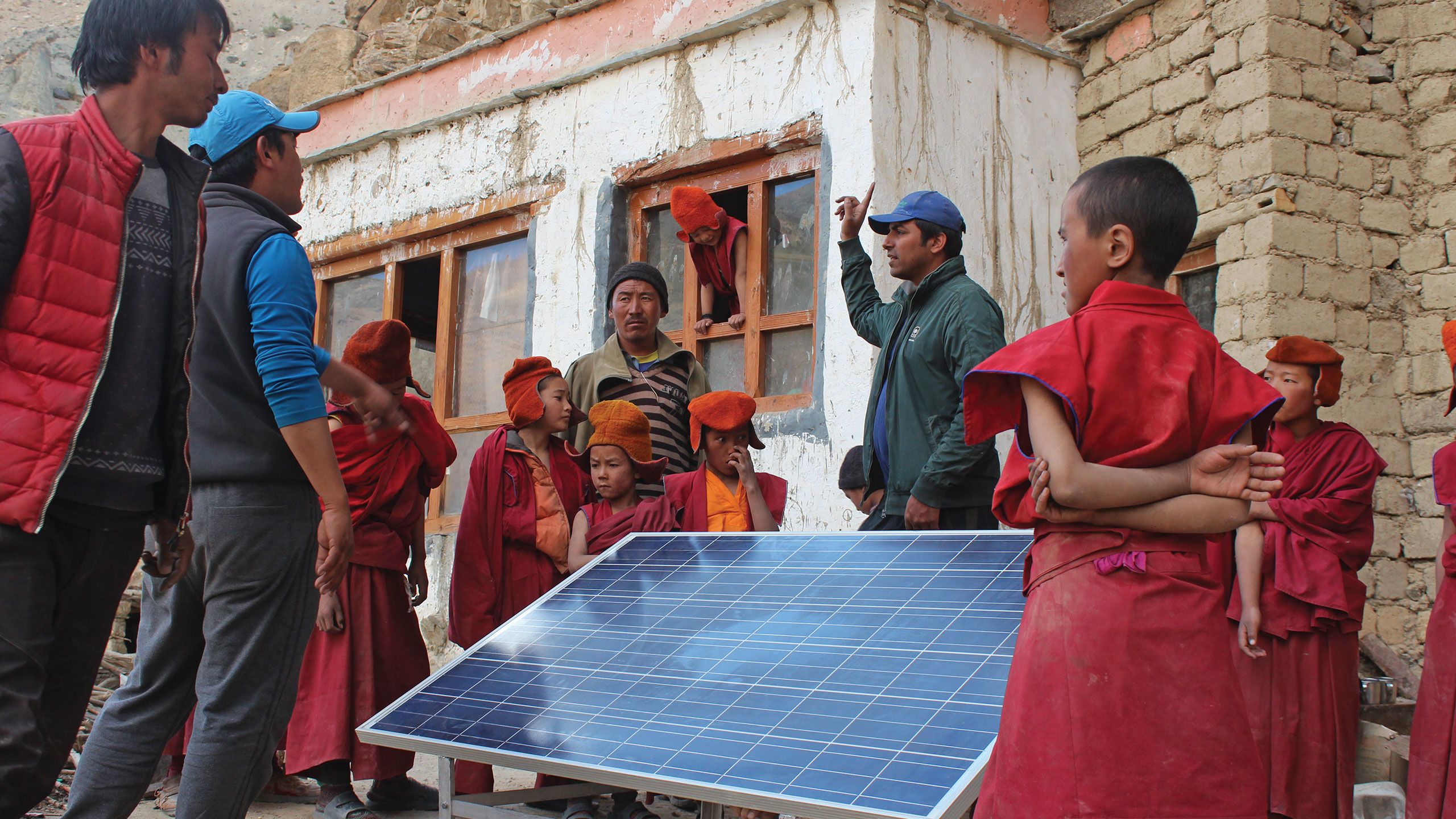
A solar panel set up by Global Himalayan Expedition travelers.
A solar panel set up by Global Himalayan Expedition travelers.
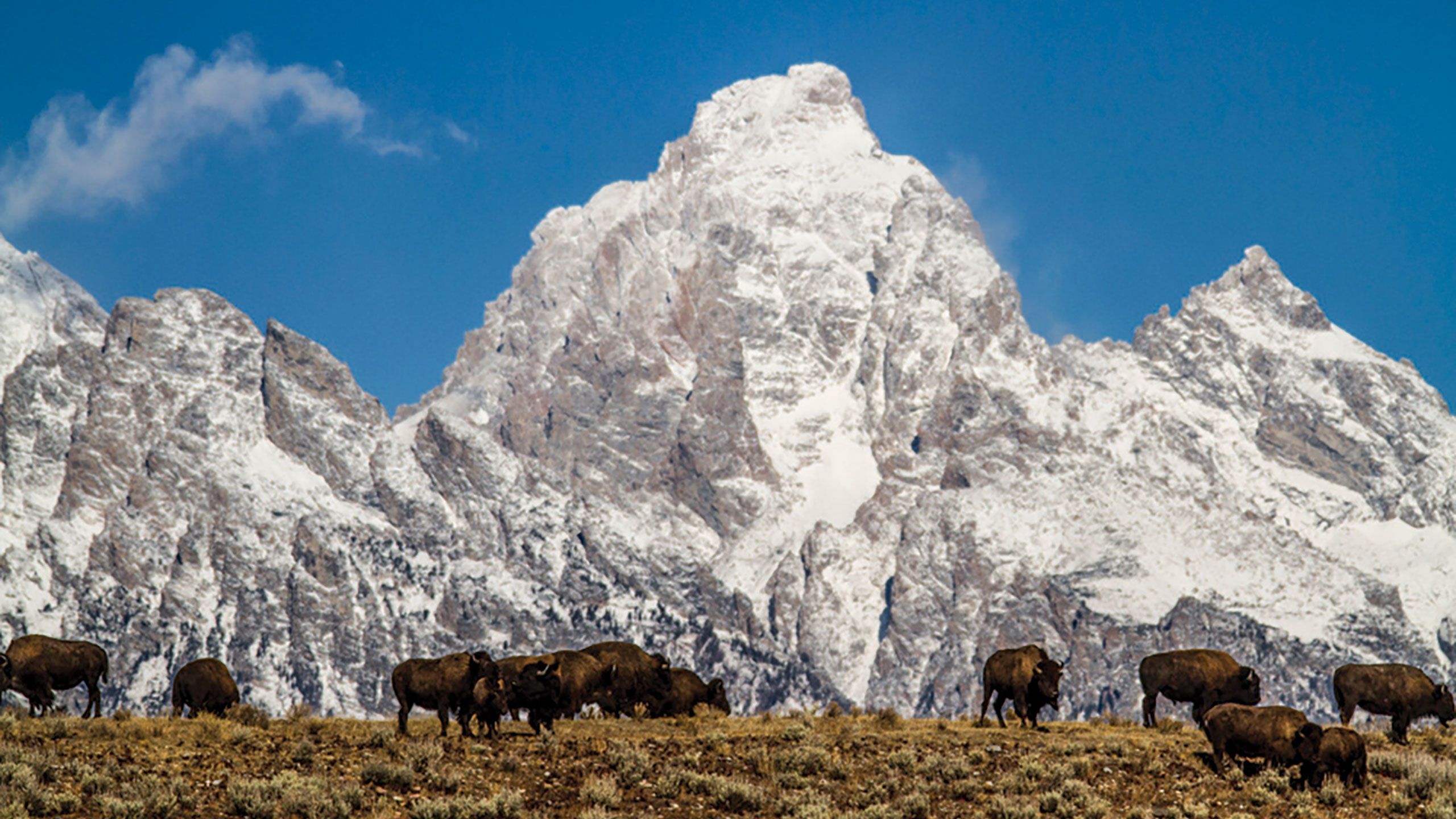
The Riverwind Foundation helps create “green-collar” jobs.
The Riverwind Foundation helps create “green-collar” jobs.
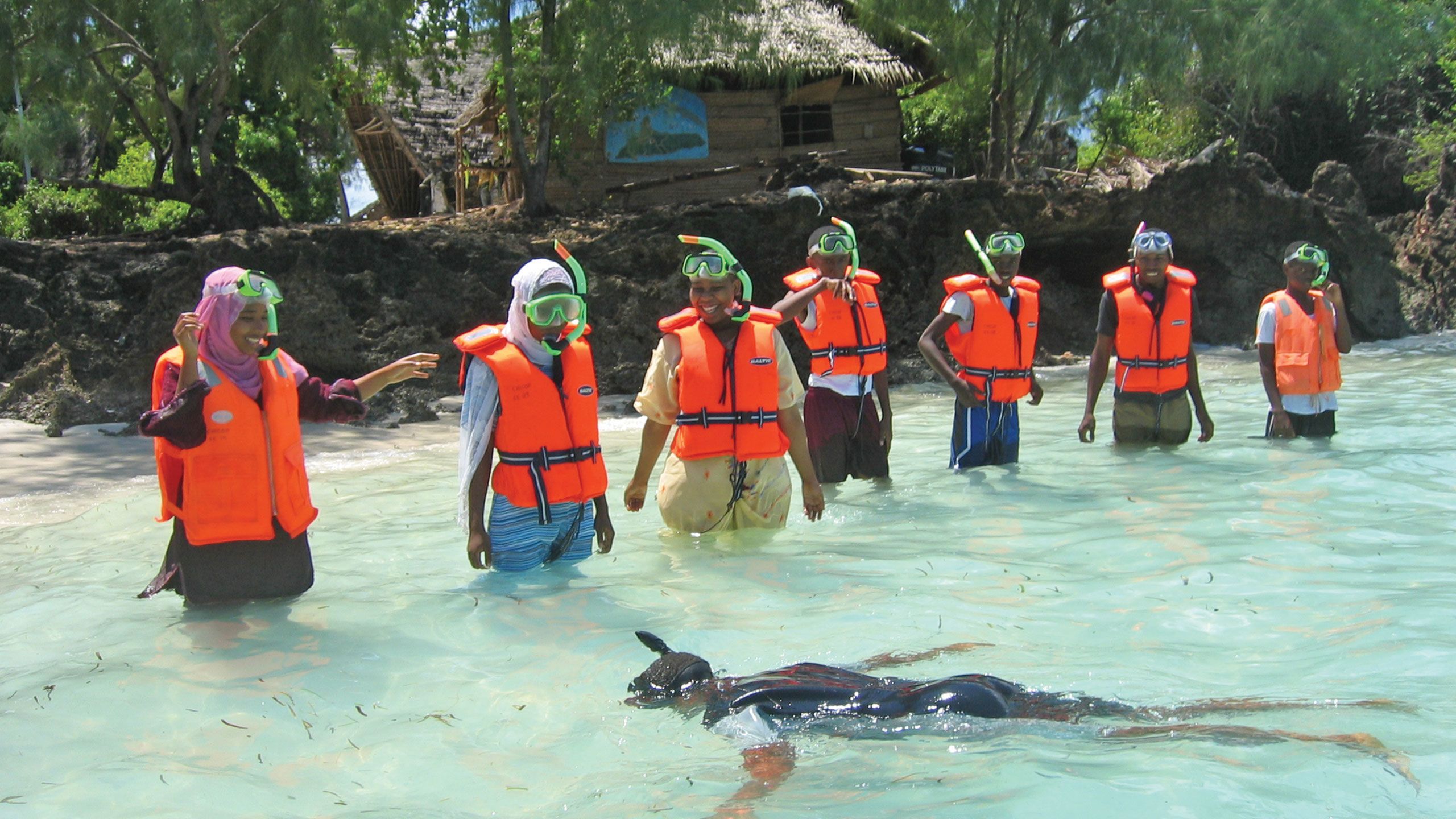
An excursion at the Chumbe Island Coral Park in Tanzania.
An excursion at the Chumbe Island Coral Park in Tanzania.
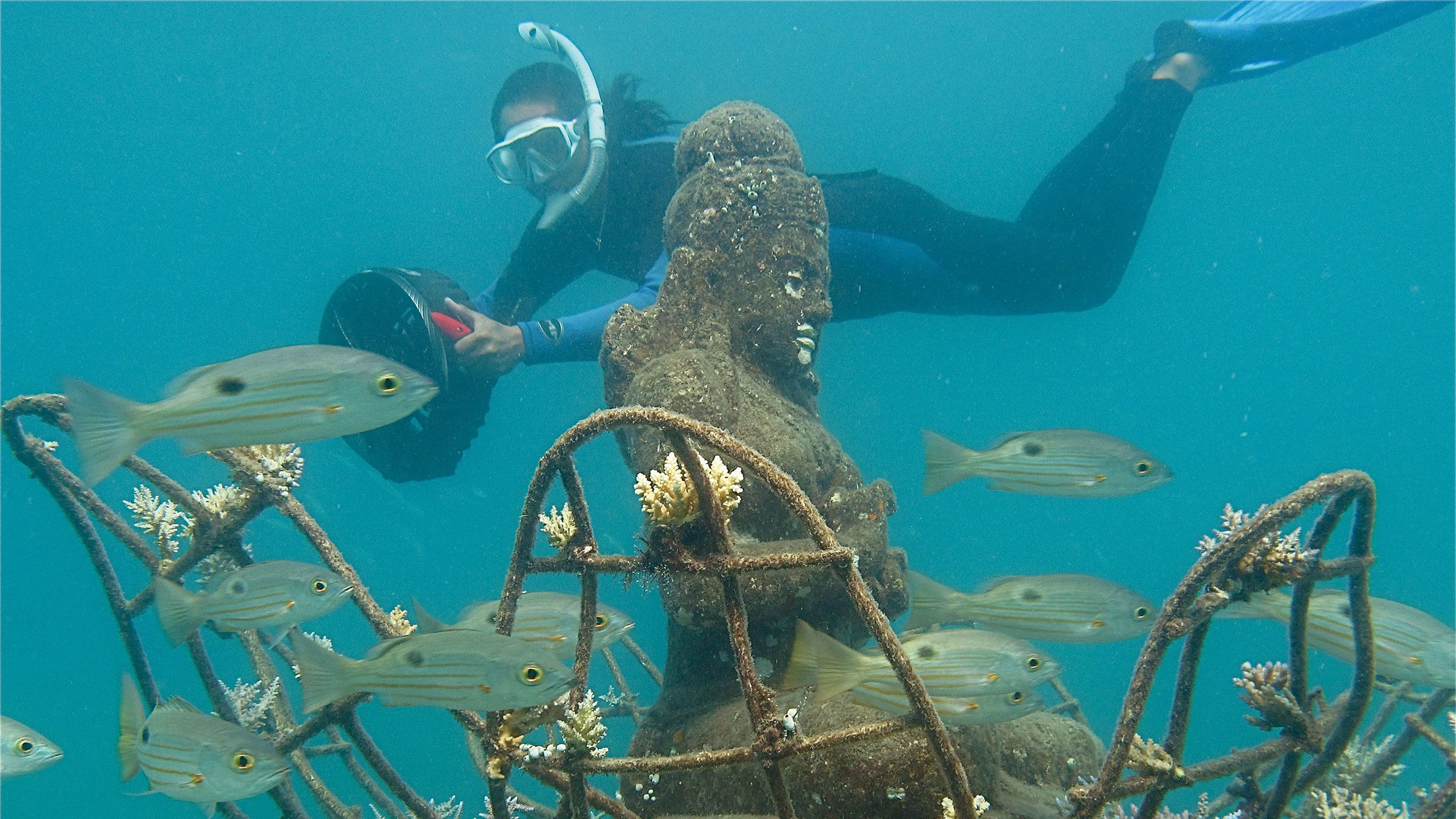
A Biorock coral reef taking shape in Pemuteran Bay, Indonesia.
A Biorock coral reef taking shape in Pemuteran Bay, Indonesia.

The TREE Alliance helps disadvantaged young people get jobs in hospitality.
The TREE Alliance helps disadvantaged young people get jobs in hospitality.