


Journeys back to the motherland
Africa’s rich culture and deep history draws travelers from across the diaspora to explore ancestral ties and help build the continent’s future.


(Credit: Photo by Steven Harewood/Shutterstock)
(Credit: Photo by Steven Harewood/Shutterstock)
With the rise of DNA tests, ancestral travel has been growing in recent years. That is especially true for African Americans, who for most of our history could not trace our lineage but can now pinpoint our roots on the African continent.
That DNA often returns to West Africa and the present-day countries of Benin, Nigeria, Ghana, Senegal and Sierra Leone. And while Morocco, Egypt and South Africa continue to be the most visited African destinations among American travelers, those West African nations have used the leap in DNA technology as inspiration to build up their tourism infrastructure and attract more travelers of the African diaspora, specifically African Americans, to come and learn about their roots.
In 2018, Ghana launched its “Year of Return” campaign to bring more African Americans to the country and create an experience that enables them to not only learn about their historical and cultural connections but also see that the county has more to offer than what is shown in Western media.
As part of the campaign, Ghana invited entertainment and cultural tastemakers to visit — including actors Idris Alba, Samuel L. Jackson and Boris Kodjoe; supermodel Naomi Campbell and rapper and actor Ludacris — to help promote the country. Through a social media campaign that went viral, Ghana invited descendants to come experience the destination for themselves.
The campaign was a runaway success: Social feeds were filled with snapshots of the capital city of Accra and its vibrancy that don’t normally get showcased in mainstream media. The following year, Ghana reported a 45% increase in visitation. Total foreign visitors topped 750,000 by the end of 2019, surpassing initial projections and generating over $1 billion for the economy.

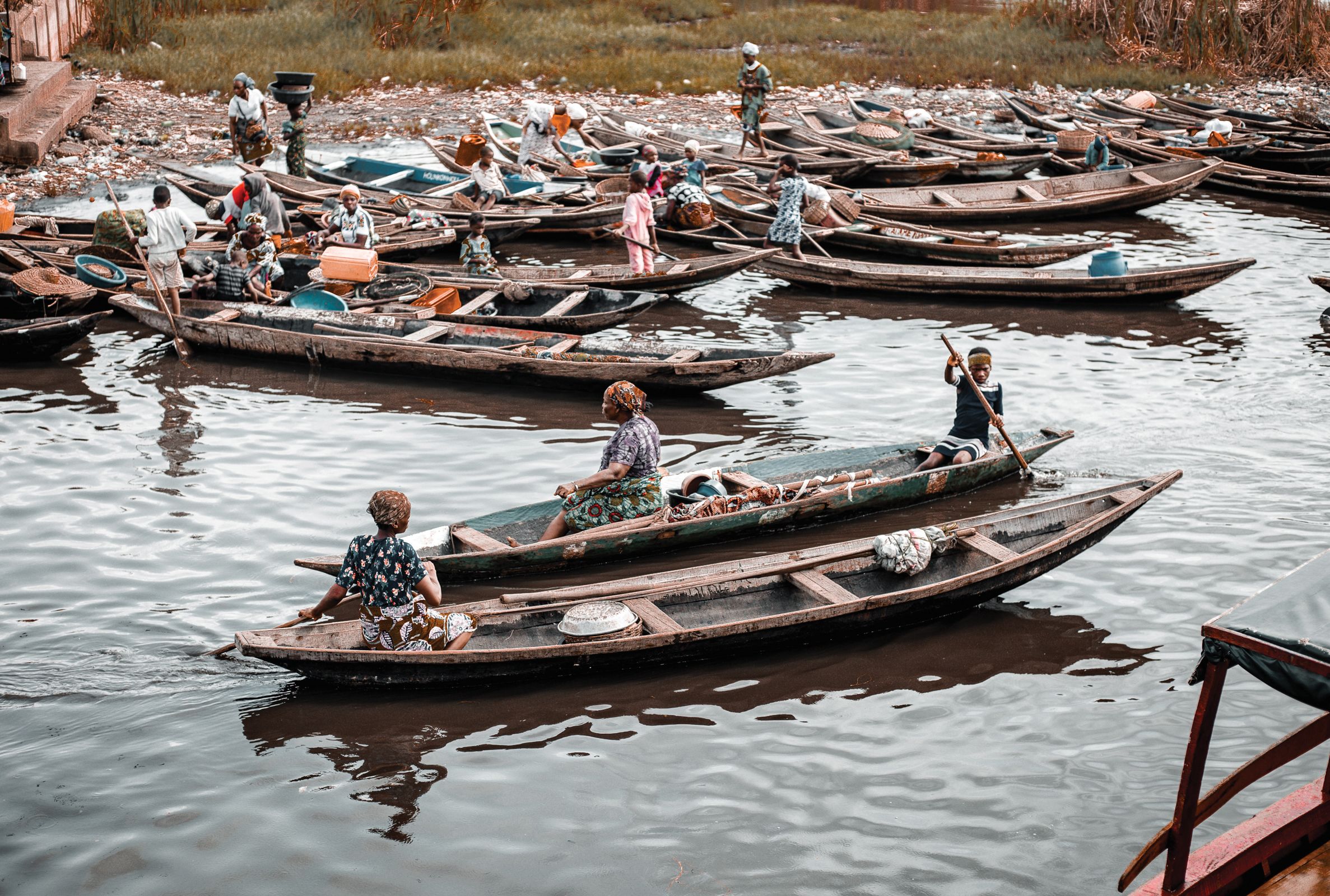
Elmina, a historical fishing village in Ghana, is featured on Uprise Travel tours. (Courtesy of Uprise Travel)
Elmina, a historical fishing village in Ghana, is featured on Uprise Travel tours. (Courtesy of Uprise Travel)

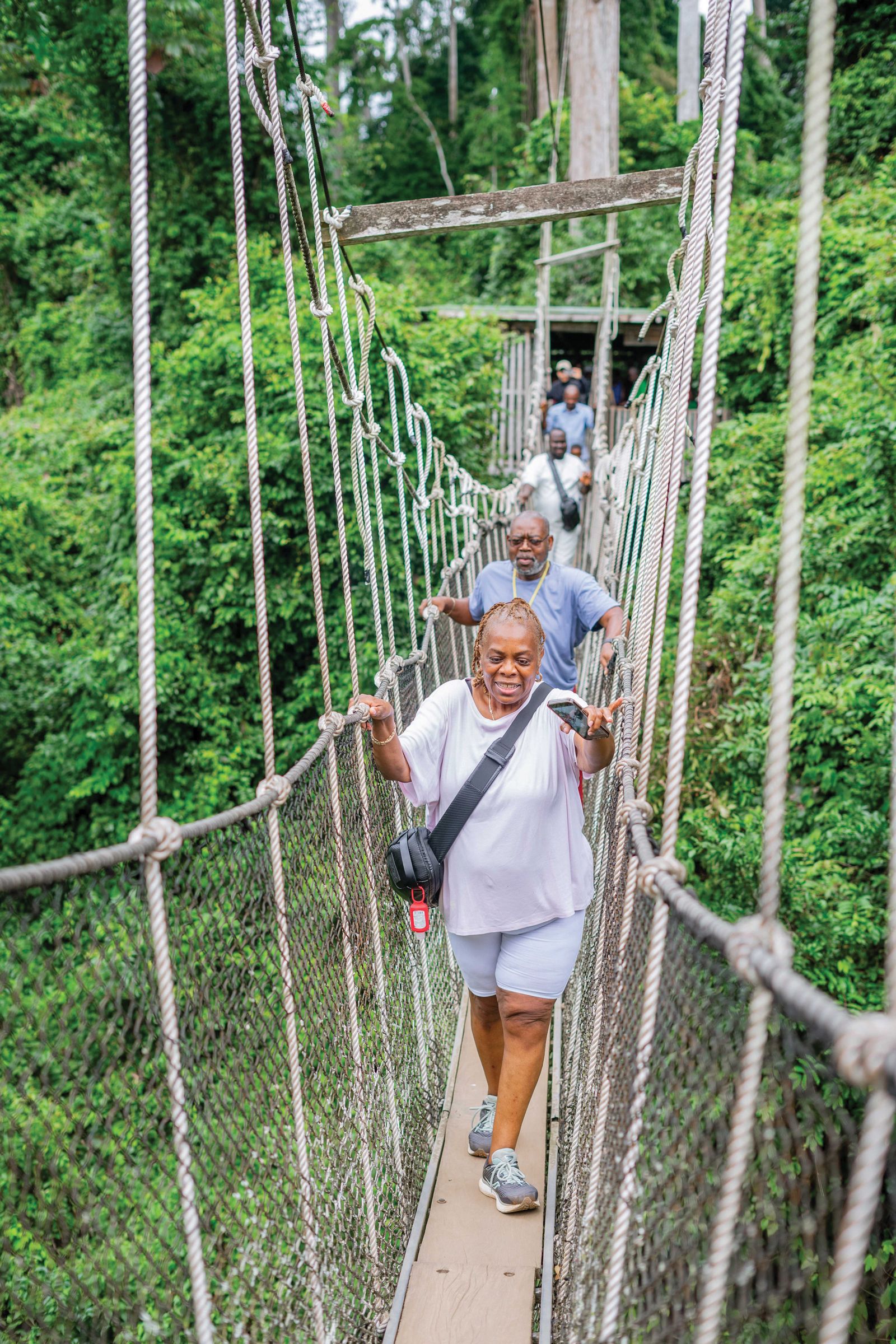
Uprise Travel visitors on the canopy walkway rope bridge at Ghana’s Kakum National Park. The park’s seven suspended, rope-style bridges reach heights of up to 110 feet above the forest floor. (Courtesy of Uprise Travel)
Uprise Travel visitors on the canopy walkway rope bridge at Ghana’s Kakum National Park. The park’s seven suspended, rope-style bridges reach heights of up to 110 feet above the forest floor. (Courtesy of Uprise Travel)

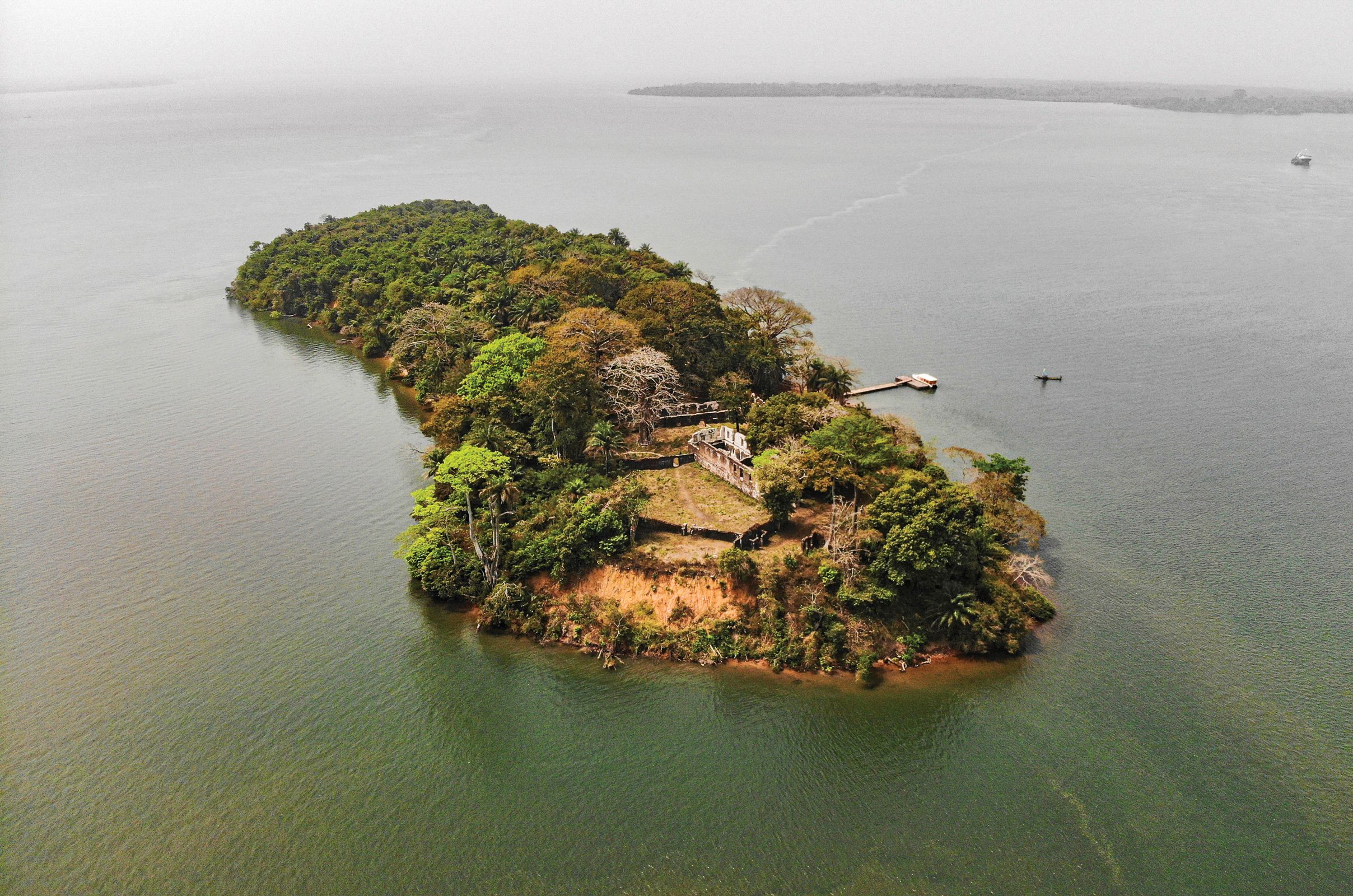
Bunce Island in Sierra Leone was where many Africans were imprisoned before being taken from their homes forever. (Photo by David DiGregorio)
Bunce Island in Sierra Leone was where many Africans were imprisoned before being taken from their homes forever. (Photo by David DiGregorio)

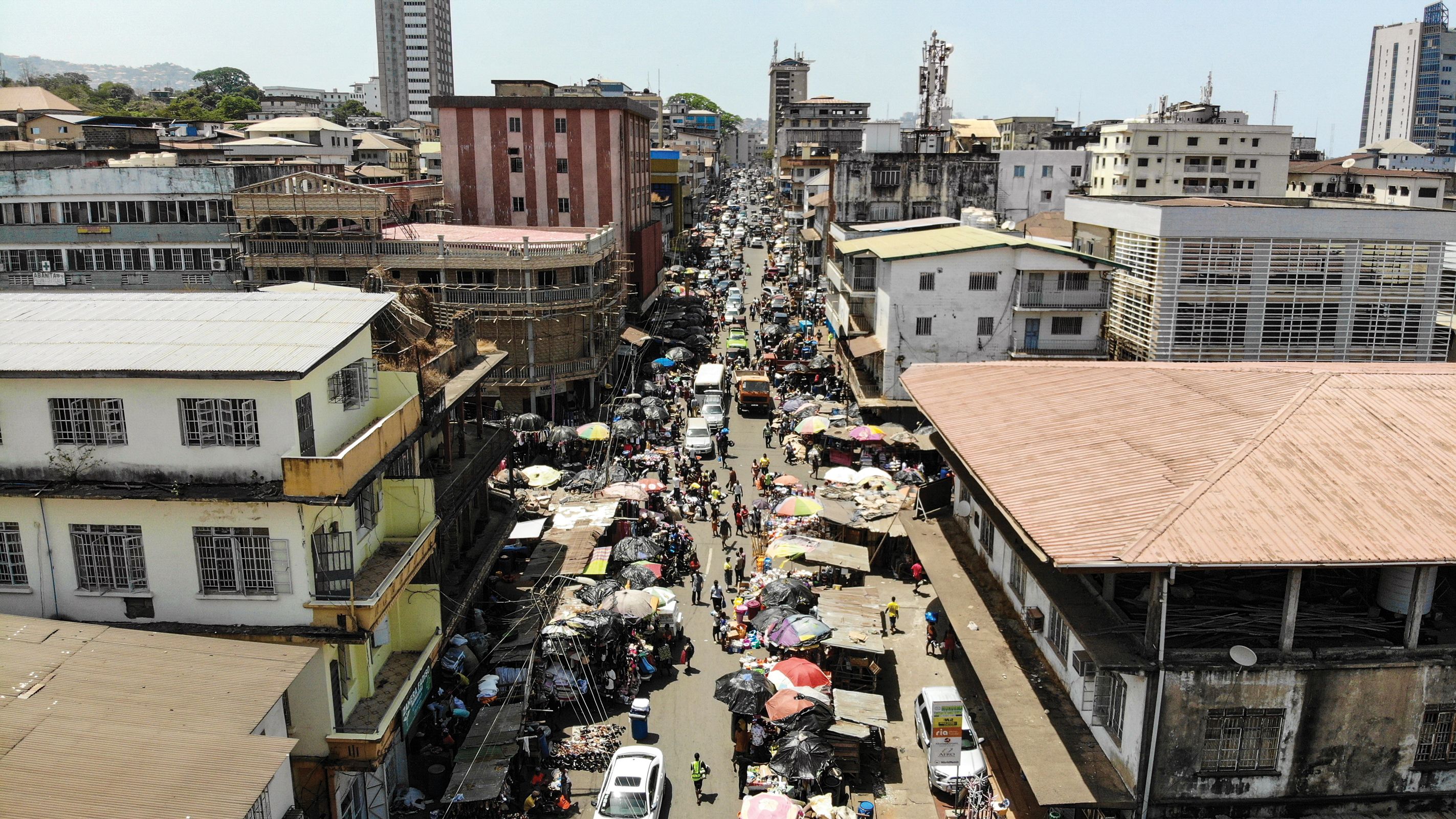
An outdoor market in Freetown, Sierra Leone. (Photo by David DiGregorio)
An outdoor market in Freetown, Sierra Leone. (Photo by David DiGregorio)
Reconnecting to history
The campaign allowed Ghana to reclaim its own narrative, and seeing its success, many content creators followed suit in other African countries.
The result has been an increase in visitors to the continent overall, with many African Americans designing itineraries based on their DNA test results in order to reconnect with cultures that were lost in history.
“Since Ghana’s ‘Year of Return’ campaign, we have seen a clear increase in interest from African American travelers, not only to Ghana but also to the wider West African region,” said Naa Addison, travel advisor at Ghana-based Uprise Travel, which operates cultural and heritage tours in West Africa. Uprise is seeing more Black Americans return for second and third visits. “Many of our guests are traveling with a deep sense of cultural curiosity and reconnection.”
Several West African countries offer the opportunity to visit ports that were essential to the transatlantic slave trade. Africans in the diaspora can see where their ancestors spent their last moments before being forcibly shipped to the Americas. These places not only tell the history of the location but give visitors a painful look at what their ancestors endured. For many African Americans, these trips fill a gap missing in school classrooms, where the full extent of the impact of the transatlantic slave trade is not taught. .
The most famous of these sites are the Door of No Return gateways, which represent the places where many Africans took their last steps in their ancestral homelands before they were taken to the Americas through chattel slavery.
Two of those locations, Goree Island in Senegal and the Elmina and Cape Coast castles in Ghana, are meant to honor the people who walked through those ports, never to come back home. The ports were essential to moving the enslaved through trade routes, and visiting them can be a painful experience, as tour guides take visitors through how these people suffered, locked in chains and forced into brutal labor.
Beyond the ports, there are other sites equally important to understanding African American history and the transatlantic slave trade. In Sierra Leone, Bunce Island can be reached via a short ferry ride from Freetown with a local guide. The abandoned island was once the center of the country’s slave trade, where many were imprisoned before being taken from their homes forever. Visitors to the island can walk the path that slaves would take before boarding ships to leave their homeland.
African Americans with Gullah-Geechee roots, a culture that developed on the Atlantic coastline from the Carolinas to Florida, can trace their lineage back to places like Freetown, where many formerly enslaved Africans resettled and established their own communities that exist today.
Those with Jamaican roots can also visit places like the Maroon Town district of Freetown to go inside St. John’s Maroon Methodist Church, built by early Maroon settlers and which still contains pieces of the original ships they used to come to Sierra Leone.
Freetown is special in that it gives Sierra Leone both a Door of Return and a Door of Freedom because of its history of liberated slaves who built settlements that became the foundation of what Freetown is today.
Many Black Americans can also trace their roots to Benin, which was central to the slave trade as a vital commercial port for slave traders.
Today, visitors can go to Ouidah, in southern Benin, formerly one of the most active slave-trading ports in Africa. The Gate of No Return, a Unesco heritage monument, honors lives that were lost and those that would leave those shores.
Visitors can also walk the Slave Route — trail that stretches just over two miles from the old slave market, Plas Chacha, to the coast, where enslaved people took their last steps before boarding slave ships. The Museum of History of Ouidah has exhibits on the region’s history, from its ancient kingdoms to the slave trade to the origins of voodoo in Benin.
But interest for African Americans isn’t limited to visiting these countries; for many, it is the first step in making the transition to return to their homelands from Western countries. In the last several years, Ghana, Sierra Leone, Guinea-Bissau, Liberia and Benin have opened pathways to citizenship to those with ancestral ties.

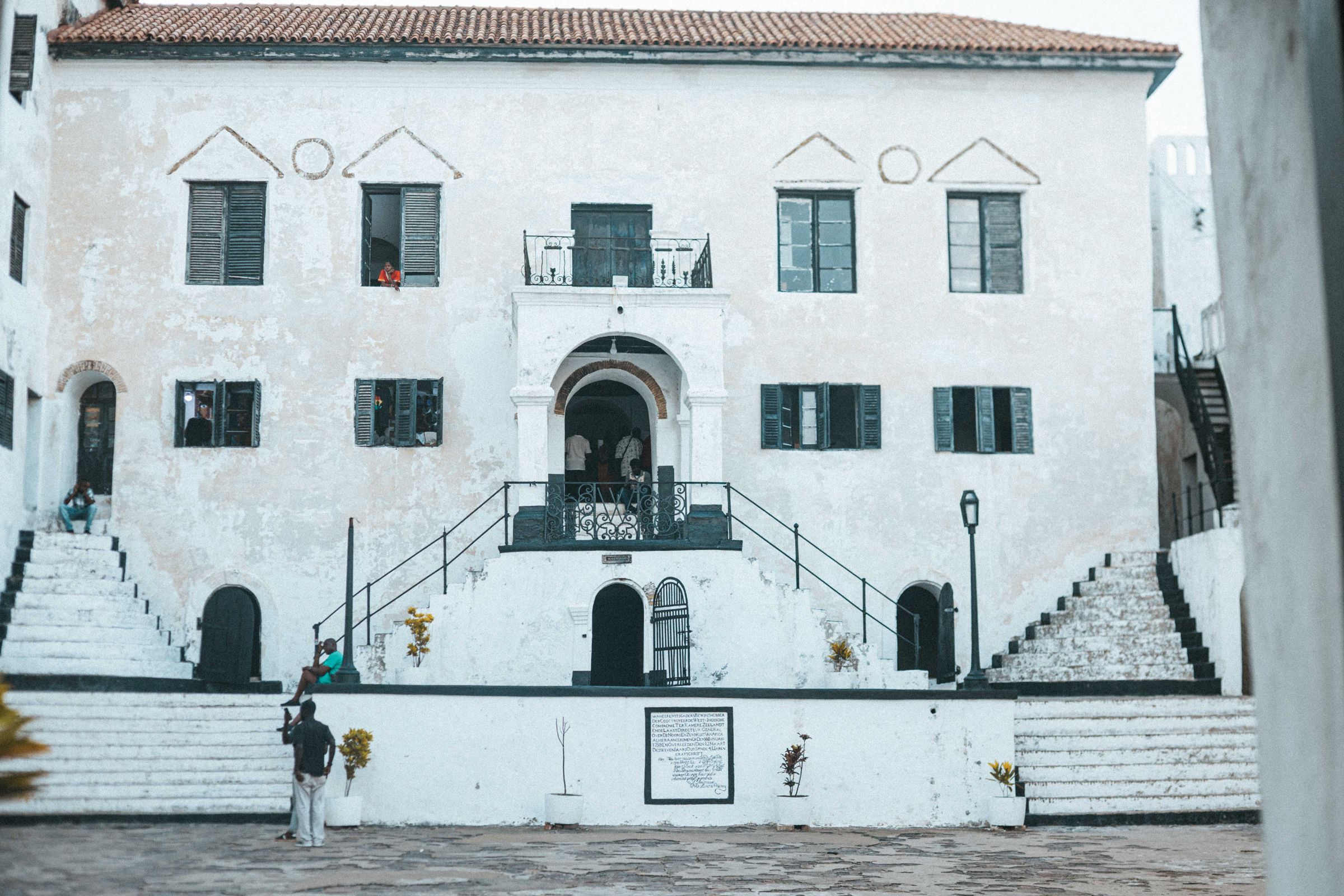
St. George’s Castle in Elmina, one of the historic forts along Ghana’s coast, was a center of the transatlantic slave trade. (Courtesy of Uprise Travel)
St. George’s Castle in Elmina, one of the historic forts along Ghana’s coast, was a center of the transatlantic slave trade. (Courtesy of Uprise Travel)

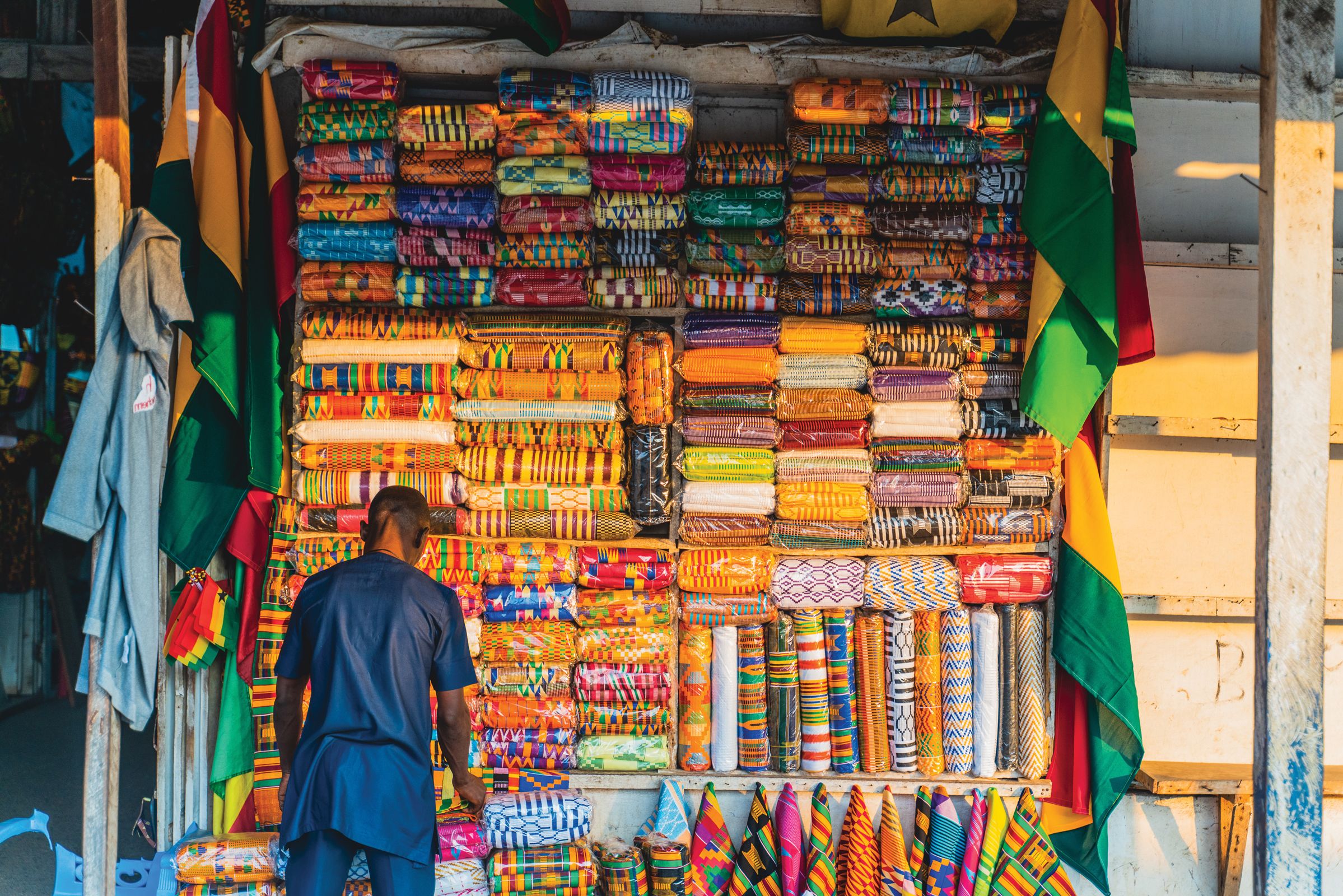
The fabric market in Accra, Ghana. (Photo by Steven Harewood/Shutterstock)
The fabric market in Accra, Ghana. (Photo by Steven Harewood/Shutterstock)

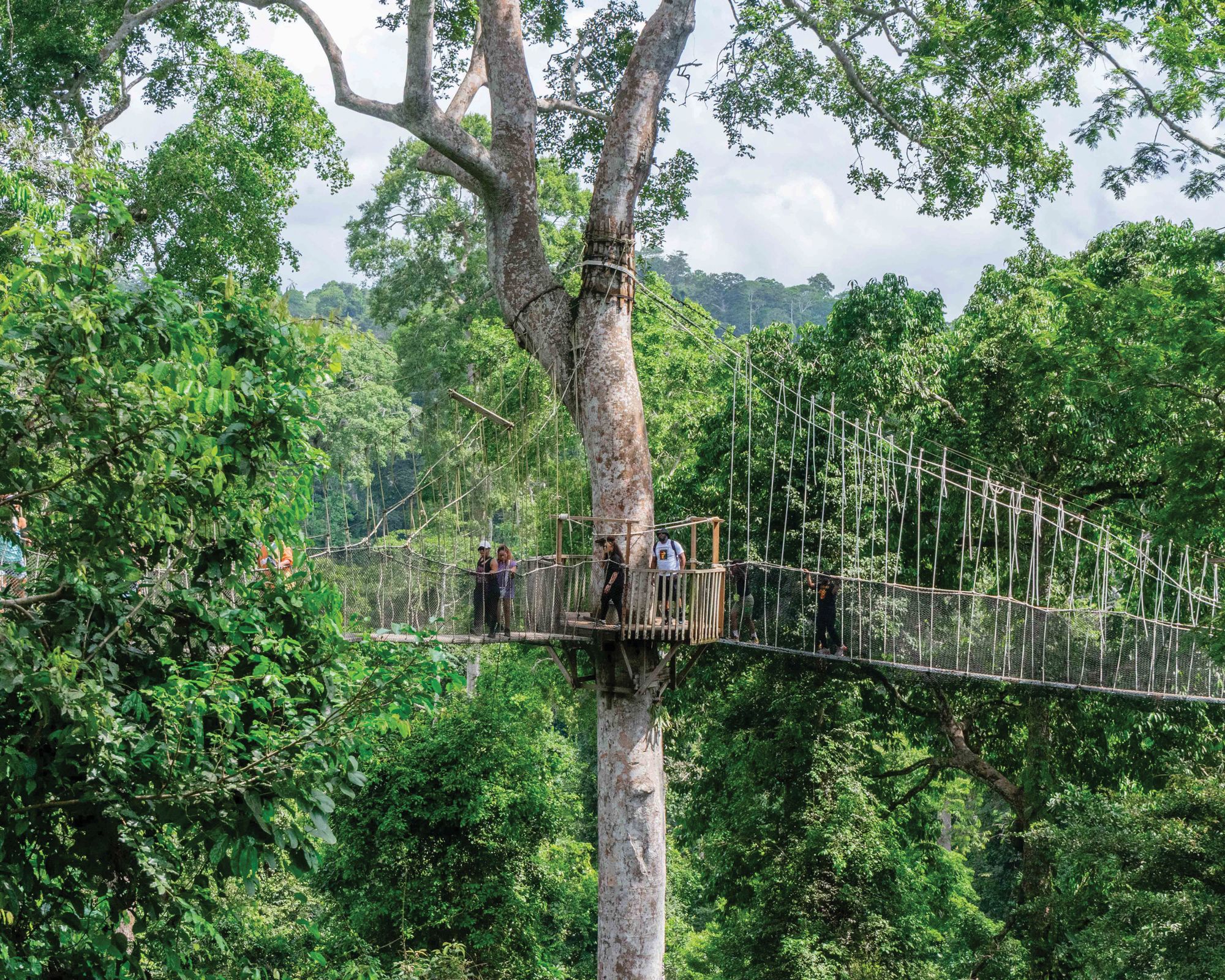
Uprise Travel visitors on the canopy walkway rope bridge at Ghana’s Kakum National Park. The park’s seven suspended, rope-style bridges reach heights of up to 110 feet above the forest floor. (Courtesy of Uprise Travel)
Uprise Travel visitors on the canopy walkway rope bridge at Ghana’s Kakum National Park. The park’s seven suspended, rope-style bridges reach heights of up to 110 feet above the forest floor. (Courtesy of Uprise Travel)
A culture ripe for tourism
The recent influx of African American travelers brings with it the potential for investment to grow infrastructure in these countries that will support the rising number of tourists.
Ghana’s Ministry of Tourism reported that the Year of Return injected about $1.9 billion into its economy. And the power of the Black traveler segment in the U.S. was demonstrated by MMGY’s Portrait of Black Travelers study, which showed spending of more than $140 billion on U.S. leisure travel in 2023, representing 11% of the total U.S. leisure market.
Given the study’s finding that Black travelers, especially millennials, are strongly inclined toward destinations that celebrate Black culture, engaging in cultural experiences and supporting Black-owned businesses, visiting and learning about their history and connections to Africa would fit those travel motivations.
Tour operators in both the U.S. and Africa are curating heritage tours for this new wave of travelers, often combining local history, culture and nature.
For African Americans, these tours transform the experience into a classroom. But unlike many of the ones they attended in school, lessons are focused on their history and filling in the gaps left from traditional educations.
Uprise Travel is seeing growing demand for destinations like Senegal, Togo, Benin and Gambia. Its Ghana tours incorporate walking on rope bridges in Kakum National Park and visiting fishing villages in addition to exploring the history of the slave trade.
Jelani Travel offers all-inclusive guided tours to Ghana, Benin and Togo as well as Senegal and Gambia. Its tours focus on cultural experiences, such as drumming lessons and local market visits, as well as the historic slave trade sites.
Ashanti African Tours, a Ghana-based operator, focuses on West Africa, offering trips of four to 15 days on individual or multicountry tours. Ashanti is also a destination management company.
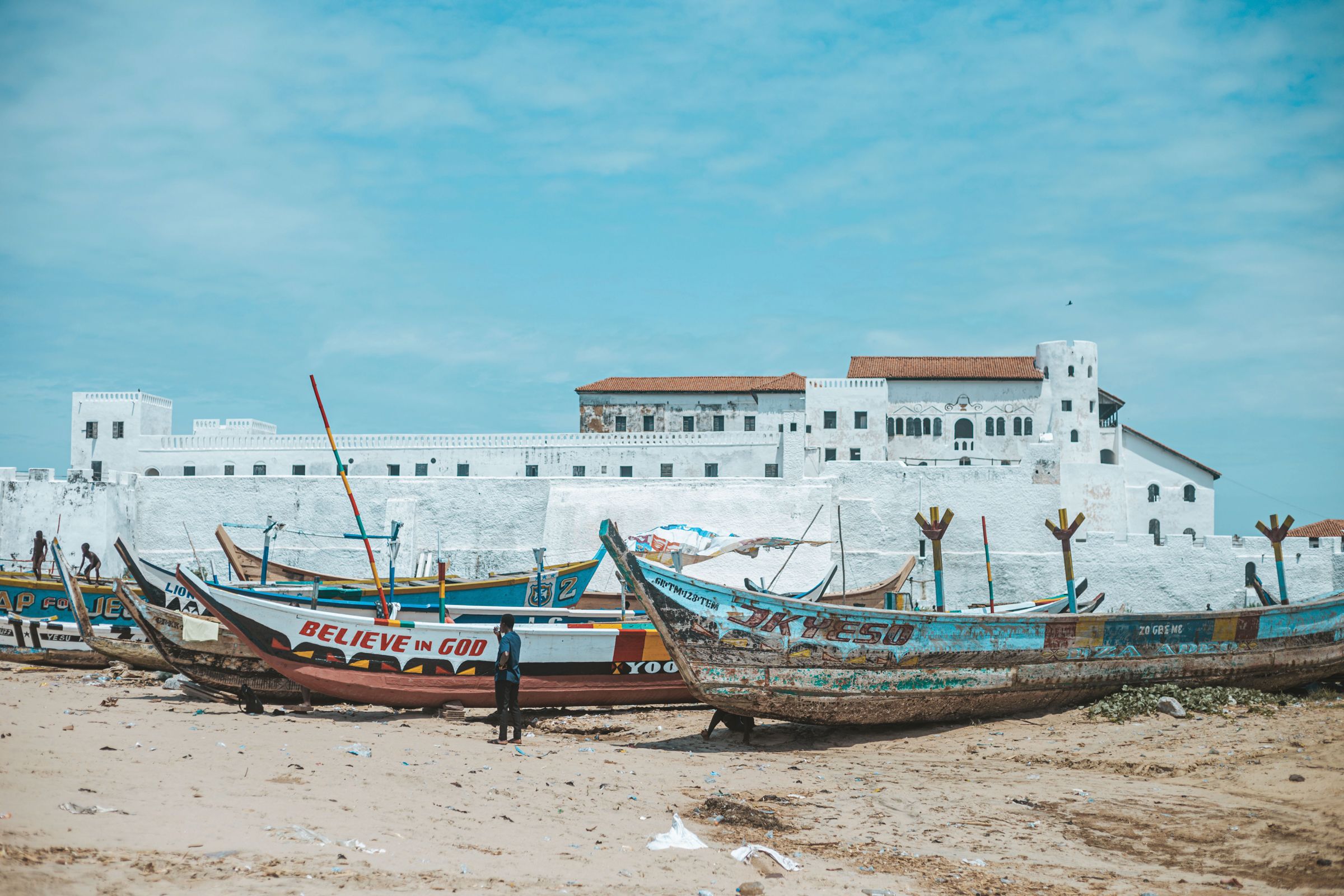
St. George’s Castle in Elmina, one of the historic forts along Ghana's coast, was a center of the transatlantic the slave trade, and featured on Uprise Travel tours. (Courtesy of Uprise Travel)
St. George’s Castle in Elmina, one of the historic forts along Ghana's coast, was a center of the transatlantic the slave trade, and featured on Uprise Travel tours. (Courtesy of Uprise Travel)
Where’s the party?
Detty December, the end-of-year party season in Nigeria and Ghana, a time when many Africans living abroad go back to their respective countries to visit family.
Now, it also attracts African descendants from around the world who want to celebrate the holidays with energetic events that showcase arts, food and nightlife and attend music festivals such as Accra’s AfroFuture and Flytime Fest and Detty Rave in Lagos, Nigeria.
The impact of Detty December has made the phrase a catch-all to express the continent’s creative scene in other cities, including Abidjan in Cote d’Ivoire and Cape Town.
It also broadens the perception of Africa as a place with more than safaris to one with a rich diversity of experiences, from arts and culture to beachside retreats and unique food scenes. Africa is not a monolith. And for the first time in our history, we have been able to reclaim not only our narrative but also our ties to these African countries.
For many African Americans, learning about our ancestry is just the first step. The goal is making the journey back to our homeland so we can better understand where we come from so we can know where we are headed.