

FOCUS ON SKI & MOUNTAIN TRAVEL
IDAHO:
A hidden Gem
for skiers?
The state offers uncrowded slopes, fresh snow and local charm. And maybe it can give advisors with adventure-loving clients a new story to tell.
FOCUS ON SKI & MOUNTAIN TRAVEL
IDAHO:
A hidden Gem
for skiers?
The state offers uncrowded slopes, fresh snow and local charm. And maybe it can give advisors with adventure-loving clients a new story to tell.


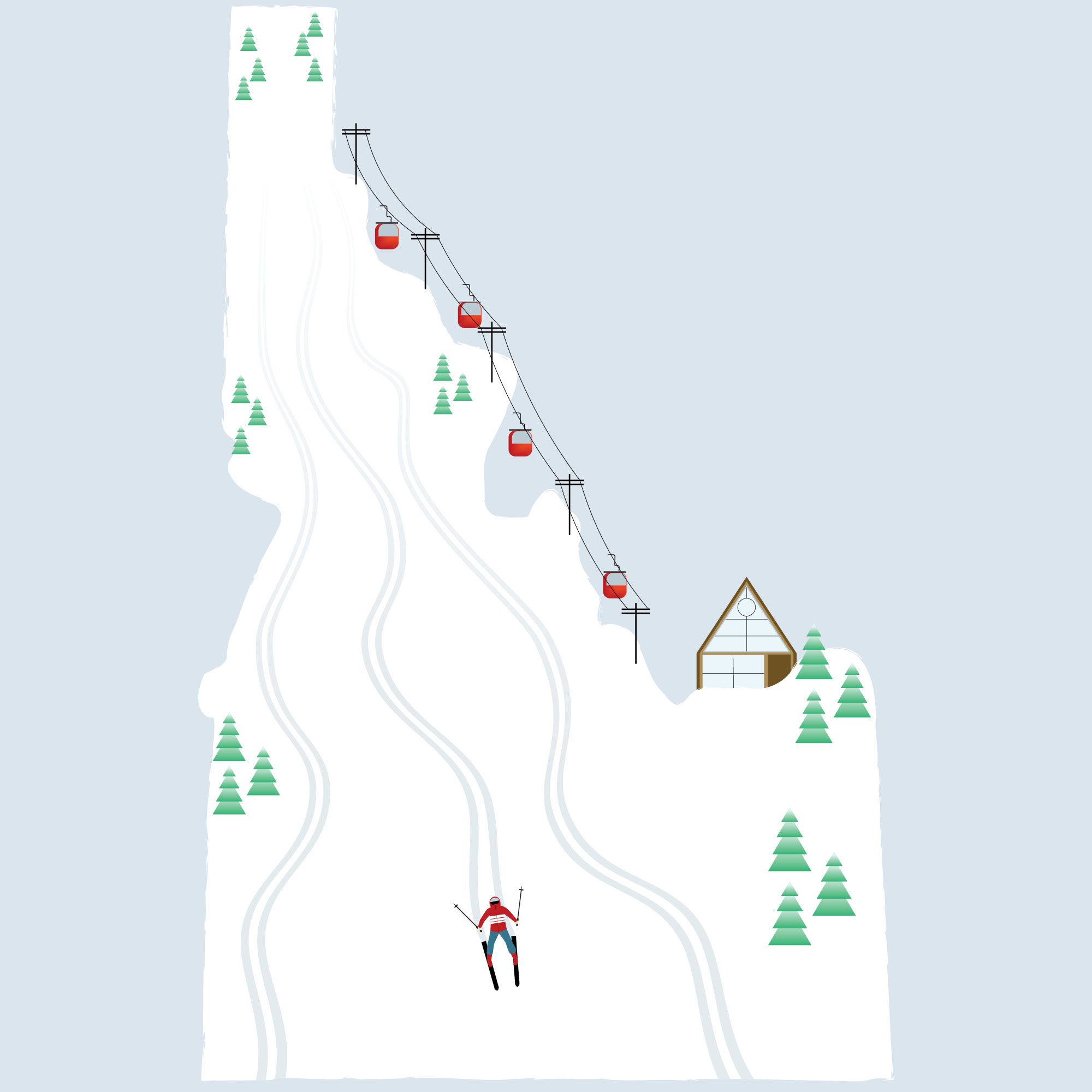
(Illustration by Tanya Manthey)
(Illustration by Tanya Manthey)
Over four days in mid-February, I had the chance to experience a sort of skier’s bliss.
Vertical drops of almost 3,000 feet. Thousands of acres of nearly empty slopes. No lift lines. Bluebird skies. Boundless views. And a solid helping of new snow — itself no small piece of luck in what was one of the toughest winters for ski resorts across the West.
I even spent a day snowcat skiing on virgin powder with one of the largest snowcat operations in the country.
So where was I, you might ask? I was in Idaho, visiting lesser-known mountains Tamarack and Brundage in the central part of the state as well as Bogus Basin, 3,000 feet above and 18 miles north of Boise.
Idaho, where the northern Rockies cover approximately half of the state, is home to 21 ski areas — 22 if you count Grand Targhee, which is just across the Wyoming border but can only be accessed by road via Idaho.
Sun Valley, in the south of the state, is, of course, its best known destination resort. And Schweitzer Mountain, in the northwest, which was acquired by Ikon Pass owner Alterra Mountain Co. in 2023, is the largest, with 2,900 skiable acres. In size, it’s between more famous mountains Breckenridge and Jackson Hole.
Overall, 11 Idaho ski areas, counting Grand Targhee, combine at least 1,000 skiable acres with at least 1,000 vertical feet.
But despite such credentials, Idaho captured just 6.2% of skier and snowboarder visits from the Western U.S. during the 2024-2025 ski season, according to a Ski Idaho-commissioned report by the research firm RRC. Data from the 2023-2024 season showed that 57% of the state’s skiers came from Idaho. The largest inbound markets were nearby Spokane, Wash., followed by Seattle, Los Angeles, Salt Lake City and the San Francisco Bay Area.
Jeff Colburn, president of Ski Idaho and general manager of 1,600-acre Silver Mountain in the state’s northern panhandle, said those who do make the trek to the Gem State will experience a much different atmosphere than some of the posh ski towns associated with large destination resorts in the West and elsewhere.
“You’re going to find a more down-home feel here,” he said. “A local vibe. Less of the ‘big boy pass’ stuff and more just a fun person in a bar that you can sit down with and share a story.”
And maybe it can give advisors with adventure-loving clients a new story to tell, and a new destination to sell.
My Idaho skiing began at Bogus Basin near Boise, and it ended at Brundage Mountain near the pleasant town of McCall, about 110 miles away. In between, I skied Tamarack, 30 miles south of McCall, which is a relatively new U.S. ski area with grand ambitions to grow into a major destination resort. (The trip was supported by Ski Idaho.)
I arrived at Tamarack with my guide Tony Harrison, a publicist for Ski Idaho, on a Wednesday morning to a mountain largely devoid of skiers. Seventeen inches of snow had fallen a couple of days earlier, making for excellent conditions toward the top of mountain.
After two months of dealing with hard-packed snow this winter in my home state of Colorado, which like Idaho suffered through a dry and warm December and January, my first touch to that soft upper-mountain snow was exciting. But that wasn’t the only factor that had me texting my girlfriend to tell her we should do a ski trip there someday. The mountain offers expansive and stunning views of Lake Cascade, a major reservoir serving southwest Idaho. It also has a super fun array of steep-pitched groomed runs, many of which are periodically broken up by softer-pitched sections called rollers. Together the varying pitches create a roller coaster-like effect and offer opportunities for more adventurous skiers to launch themselves into the types of epic jumps that would make parents, and ski-area management, cringe.
Tamarack offers 2,800 vertical feet of drop, second only to Sun Valley in Idaho. Passes at the mountain are priced dynamically but were just $59 the day I was there. Tamarack announced last month that it will dip its toes into the multipass market next year by offering Ikon holders two ski days per year.
The purpose-built village adjacent to the Tamarack base has a mix of several casual eating options as well as fine dining at The Reserve bistro, where I enjoyed the venison tenderloin. For now, lodging is through the resort-managed vacation-rental program, and it ranges from mansions to studio apartments. My large, one-bedroom condo, which looked directly over the base, was ultramodern with a luxurious living room and kitchen.
But much more is planned. COO Kara Finley briefed me on the goal of the mountain’s Florida-based ownership group MMG Equity Partners to turn Tamarack into one of the largest ski areas in the U.S. The resort has seven lifts servicing 1,600 skiable acres. But its master plan calls for an expansion to as many as 20 lifts serving 10,000 acres utilizing adjacent state and Payette National Forest land. That would make it the largest ski area in North America.
Finley said the expansion would be done in phases and paced with the lodging development. So far, MMG hasn’t obtained permits from the state or the Forest Service, but she said an environmental review is underway. The first expansion, she said, could occur within 24 months. The resort is also in talks with two major hotel brands, Finley said, with hopes that the first on-site hotels will open within a similar time frame. She declined to name the brands but said announcements could be coming soon.
Tamarack’s master plan calls for an expansion to as many as 20 lifts serving 10,000 acres utilizing adjacent state and Payette National Forest land. That would make it the largest ski area in North America.
While she said lodging, both at Tamarack and in the broader area around it, is the biggest limiting factor, she acknowledged that transportation access is another logistical barrier. Commercial flyers access the mountain through Boise Airport, about 2 hours and 15 minutes away. Service to Boise in terms of total seats offered grew 33% between March 2019 and last month, Cirium flight schedule data shows. Seven airlines provided service to a combined 24 destinations.
Still, accessibility pales compared to most major ski areas in Utah, Colorado and the Lake Tahoe area.
Finley said Tamarack is eyeing a seven-to-10-year time frame for the full ski area buildout. It’s an ambitious timeline. But if the resort can manage even a third of its hoped-for growth in the next decade, its mountain would be among the largest in North America.

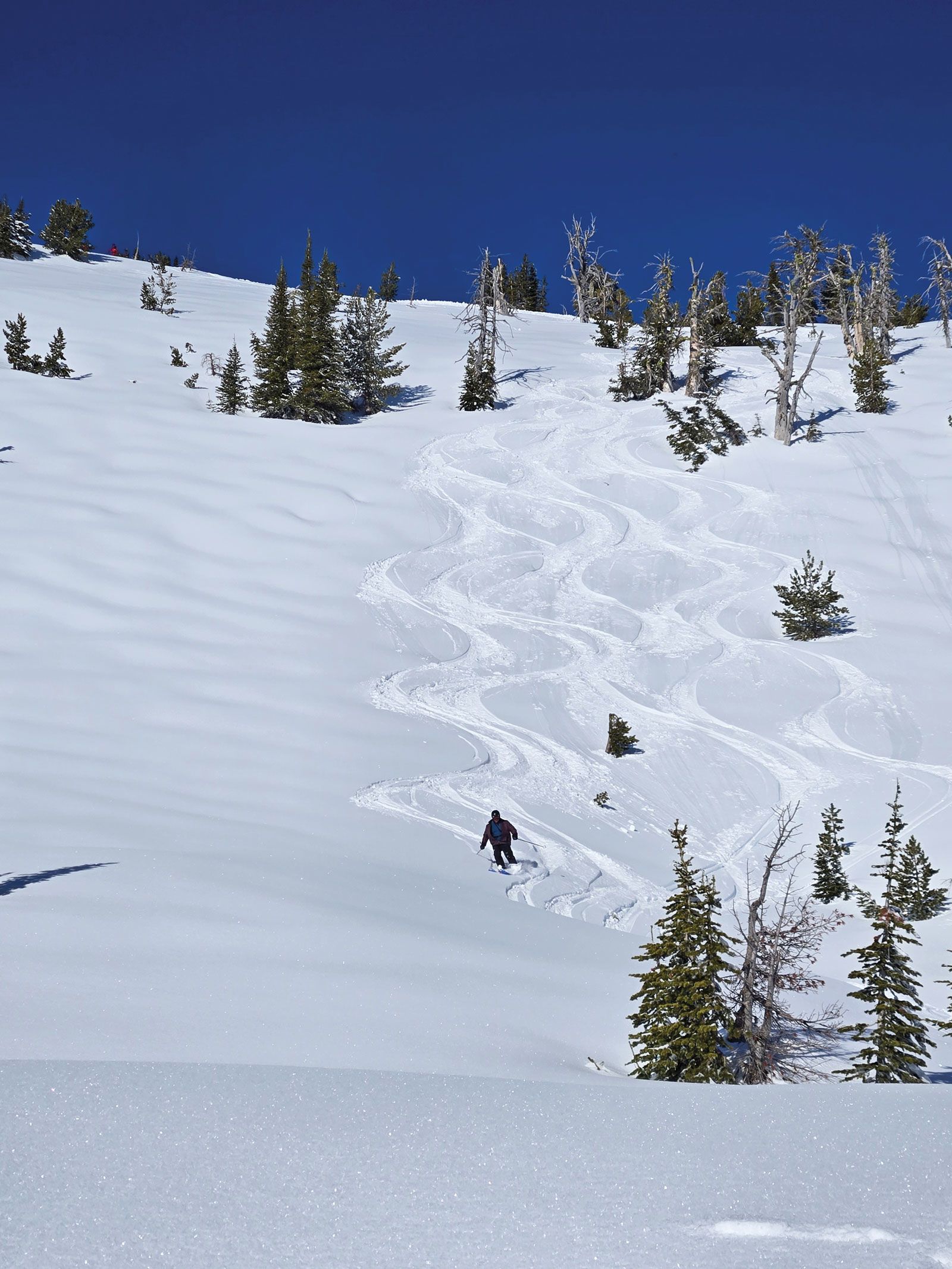
Travel Weekly’s Robert Silk creates his own lines during one of a dozen runs on a Brundage Mountain snowcat tour. (Courtesy of Brundage Mountain Snowcat Adventures)
Travel Weekly’s Robert Silk creates his own lines during one of a dozen runs on a Brundage Mountain snowcat tour. (Courtesy of Brundage Mountain Snowcat Adventures)

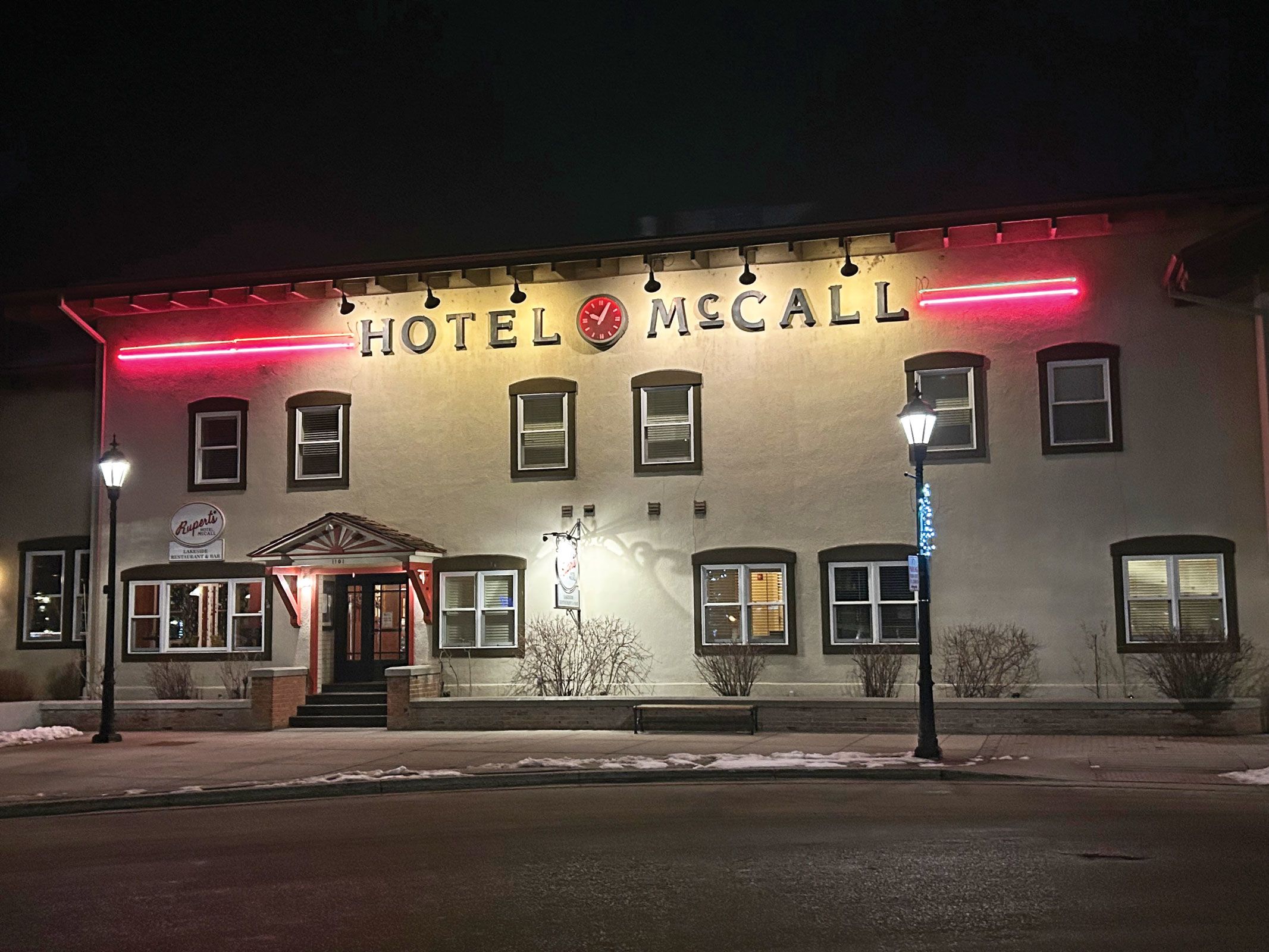
The Hotel McCall has tons of charm and a great location in the middle of town. (Photo by Robert Silk)
The Hotel McCall has tons of charm and a great location in the middle of town. (Photo by Robert Silk)
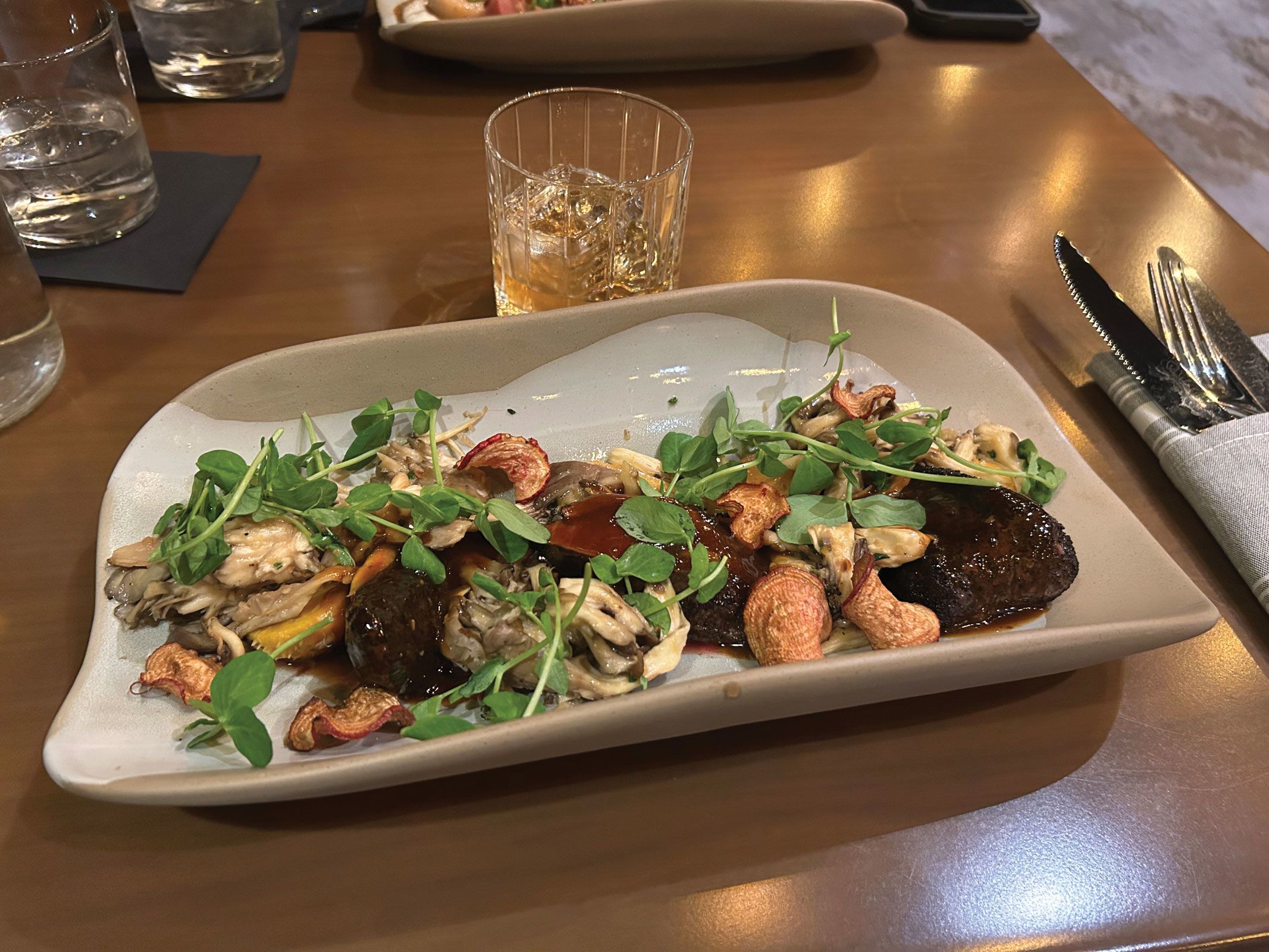
Venison tenderloin at The Reserve, a fine dining bistro in the Tamarack village. (Photo by Robert Silk)
Venison tenderloin at The Reserve, a fine dining bistro in the Tamarack village. (Photo by Robert Silk)
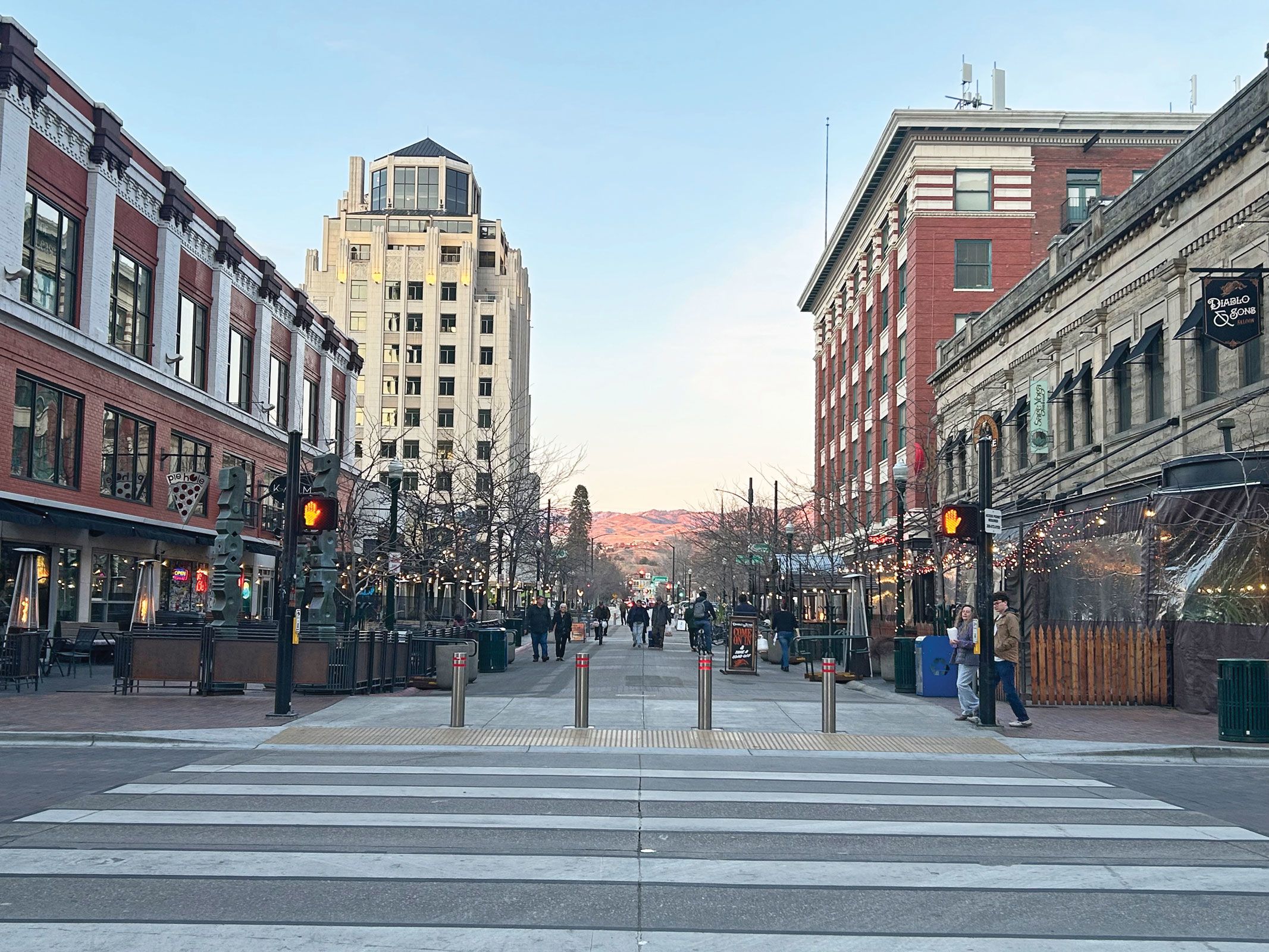
The pedestrian-focused 8th Street Promenade in downtown Boise. (Photo by Robert Silk)
The pedestrian-focused 8th Street Promenade in downtown Boise. (Photo by Robert Silk)
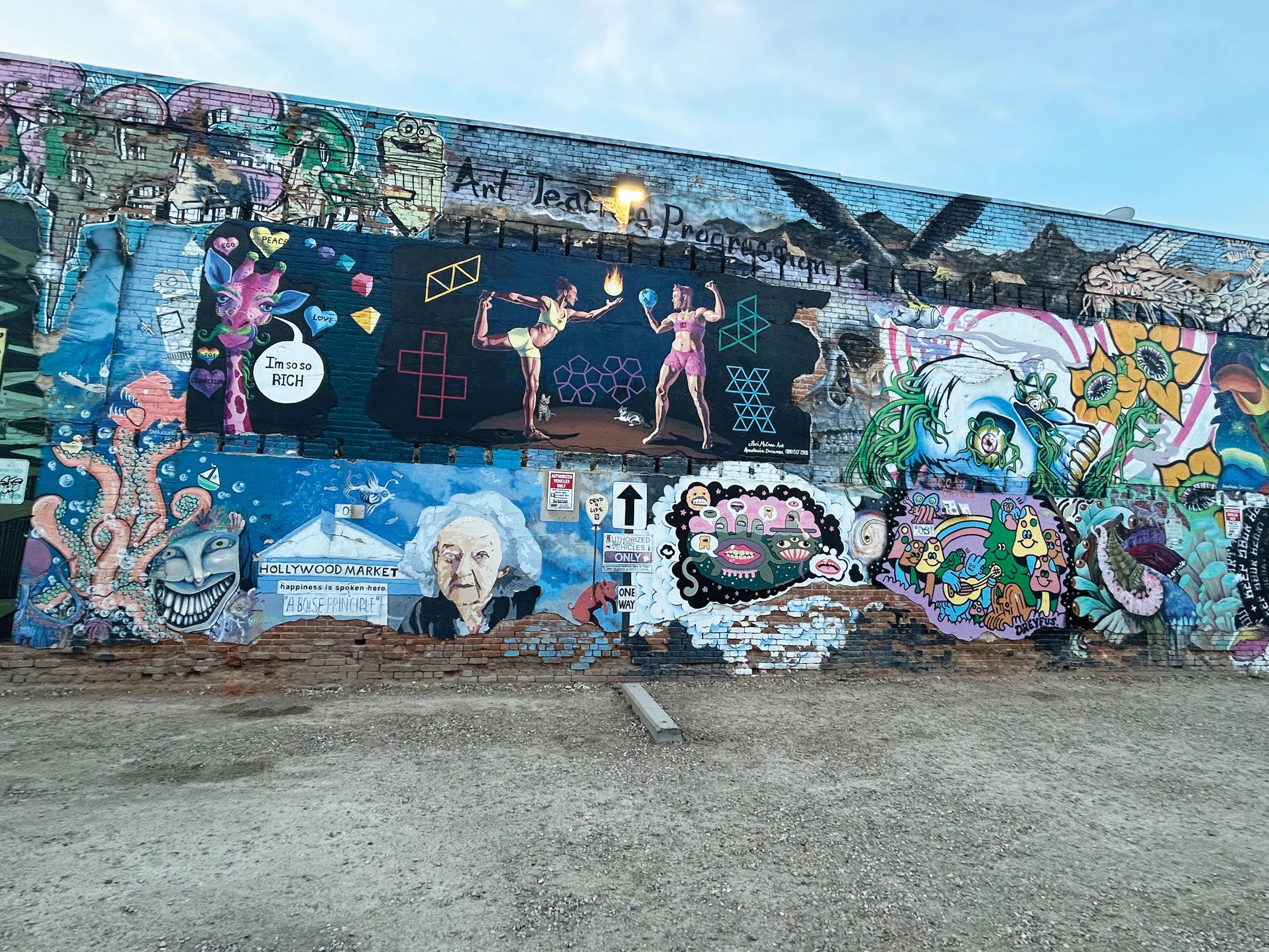
Boise promoters say Freak Alley Gallery in the city’s downtown is the largest open-air, multi-artist mural gallery in the Northwest. (Photo by Robert Silk)
Boise promoters say Freak Alley Gallery in the city’s downtown is the largest open-air, multi-artist mural gallery in the Northwest. (Photo by Robert Silk)
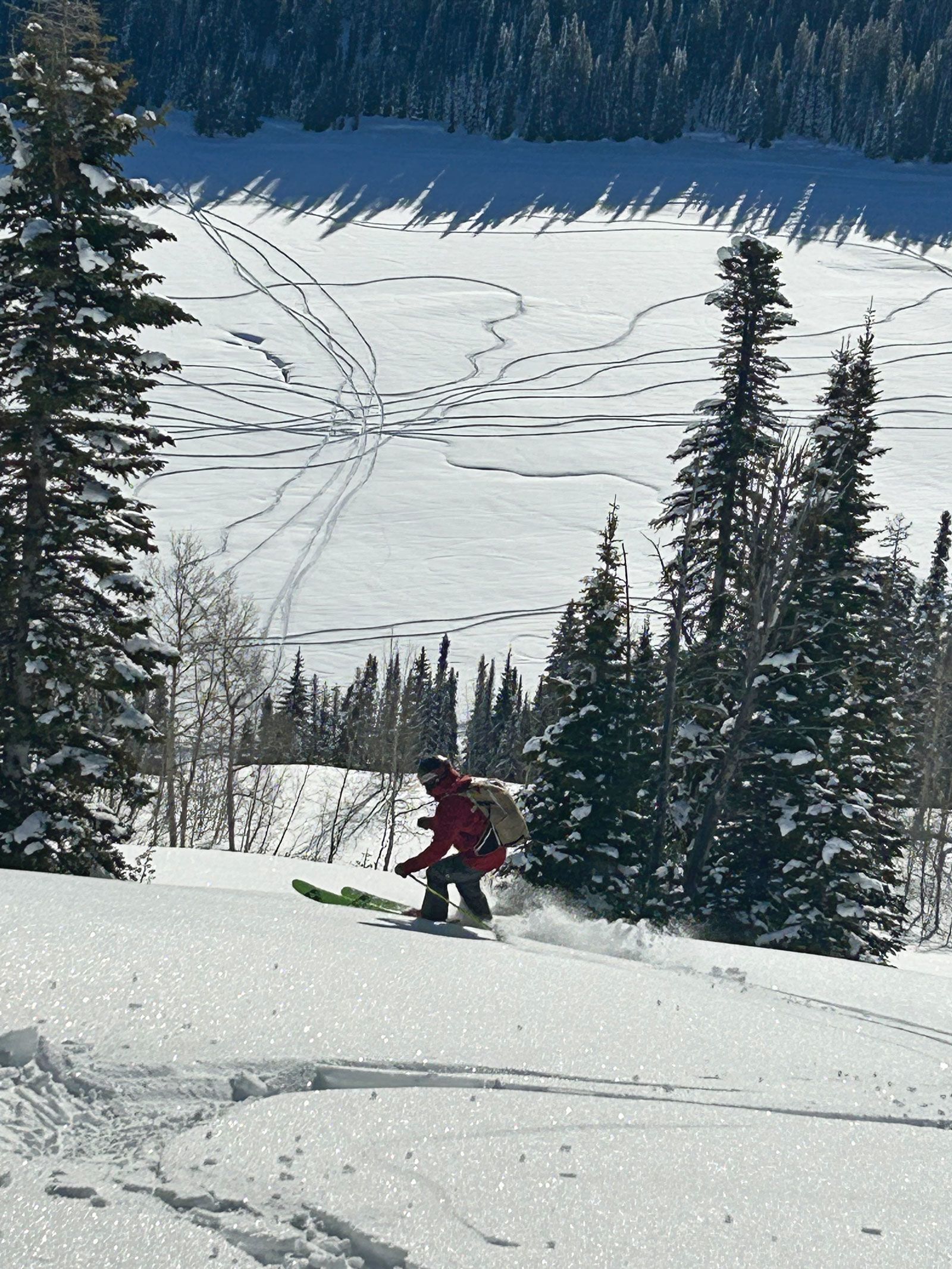
Tackling a steep grade during a Brundage Mountain Snowcat Adventure tour. (Photo by Robert Silk)
Tackling a steep grade during a Brundage Mountain Snowcat Adventure tour. (Photo by Robert Silk)
Brundage Mountain
Thirty-five miles up the road, Brundage Mountain is also eyeing hotel development, with a targeted opening for the first on-site lodging in three to five years, general manager Ken Rider said.
But in other respects, Brundage has very different aspirations than Tamarack. When I asked Rider whether Brundage might one day join either the Epic or Ikon passes, he didn’t mince words.
“No. Absolutely not. Fiercely independent,” he said.
However, the 1,920-acre mountain, which has six lifts and boasts 1,921 vertical feet, was an inaugural participant in Indy Pass in the 2019-2020 season.
Rider said Brundage aspires to grow its destination business — but not at the expense of losing the local feel that has characterized the mountain since it opened in 1961.
He described Brundage’s approach as, “mountain first, mountain always.”
“I talk to so many people that have come here from other states as well as our passholders who say, ‘This place just feels good. You guys get it. It feels like skiing and snowboarding was when I was a kid. You haven’t lost that charm,’” Rider said.
That doesn’t mean Brundage is standing still. The local ownership group that bought the mountain in 2020 has invested $35 million in a high-speed quad lift and other mountain infrastructure. The mountain also has rights to 1,300 additional acres, and Rider said up the three more lifts will eventually be built.
It does mean that skiers and riders enjoy short, walk-up access to lifts from Brundage’s free parking lots as well as lift tickets below $100. The mountain also has an especially convenient learning area off the purpose-built Easy Street lift.
The remainder of the mountain has a healthy mix of slopes, including a backside that on a clear day looks out on Payette Lake a few miles away. My favorite during a morning of skiing was 45th Parallel, a blue run with winding turns and some steep pitches.
Adventure-seekers can also enjoy lift-accessed but unpatrolled backcountry skiing off the front of the mountain.
My Brundage experience began not on its lift-serviced ski area but a day earlier, on a backcountry snowcat tour. With 18,000 acres of Payette National Forest at its disposal, Brundage’s snowcat-accessible terrain is among the largest in the U.S. Pricing tends to be just over $400 for individual bookings or slightly above $4,000 when a group of 10 book an entire snowcat for a day.
My snowcat tour lasted all day, beginning before the lifts opened and ending well after they closed. Over those more than nine hours, we did 12 runs, all in untouched powder, that were skillfully selected for snow quality and difficulty level by a team of three guides.
I entered the day a little nervous about my ability to handle a full day of skiing in challenging powder — a feeling that accentuated when I fell within a few minutes on our first run.
But my concerns proved to be for naught. As the day progressed, I grew more confident carving fresh tracks through what was mostly light powder. By the afternoon, I was pretty well hooked as we tackled unmarked “runs” that the guides had tapped with amusing names like Victoria’s Secret, Playground and Ego.
Snowcat skiing is appropriate for high-level intermediate skiers and above, Rider said.
That night, I stayed in McCall, located 15 minutes away on the shore of Payette Lake. My lodge, the 22-room Hotel McCall in the town center, opened in 1904 and has a ton of character. A large parlor off the lobby is a throwback, offering a reading area, a piano and games for the whole family.
Homemade orange cranberry bread was free at breakfast time in the lobby. And Rupert’s restaurant has bistro food with a lakefront view.
I ventured across the street that night to Foresters bar, where we happened upon a live performance by the country rock Earl Hughes Band. No cover, no pretense. I was sorry when their set ended.
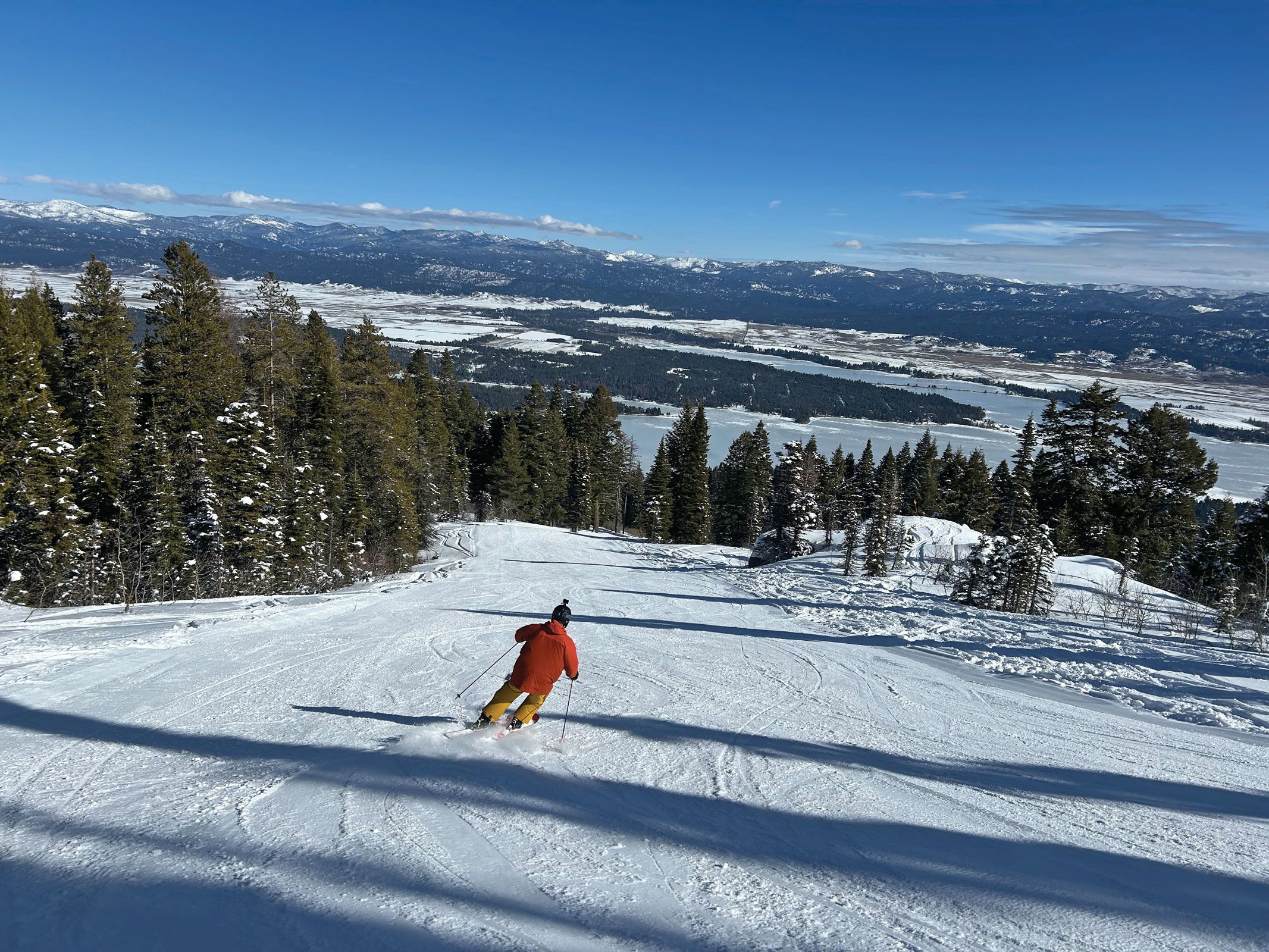
The wide vistas of Lake Cascade are among Tamarack’s charms. (Photo by Robert Silk)
The wide vistas of Lake Cascade are among Tamarack’s charms. (Photo by Robert Silk)
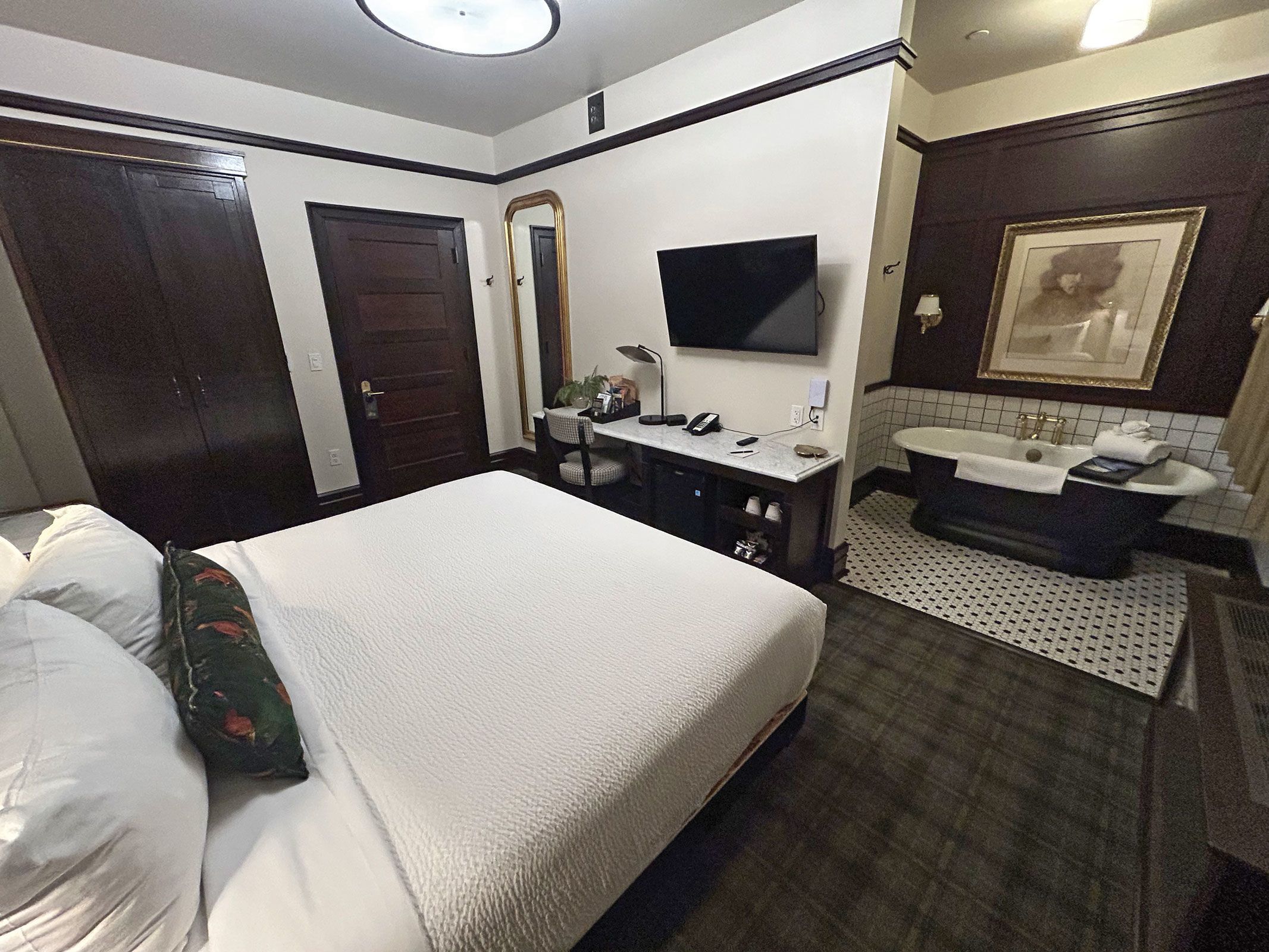
The Avery Hotel in downtown Boise occupies a 120-year-old building. It opened in 2022 following an 18-month renovation. Rooms have an elegant, classic feel. (Photo by Robert Silk)
The Avery Hotel in downtown Boise occupies a 120-year-old building. It opened in 2022 following an 18-month renovation. Rooms have an elegant, classic feel. (Photo by Robert Silk)

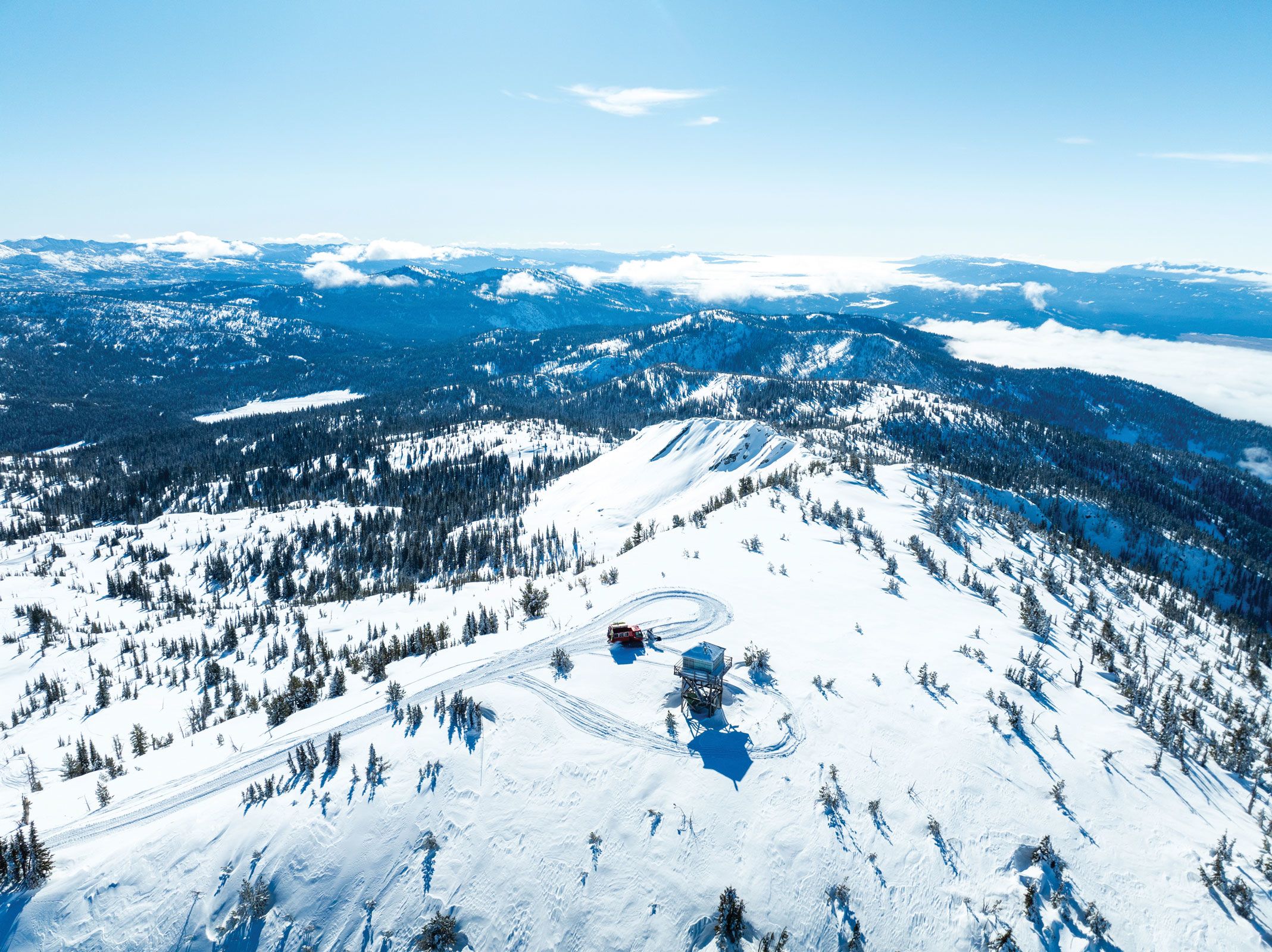
A Brundage snowcat perches on a mountain top within the Payette National Forest. (Courtesy of Brundage Mountain Snowcat Adventures)
A Brundage snowcat perches on a mountain top within the Payette National Forest. (Courtesy of Brundage Mountain Snowcat Adventures)
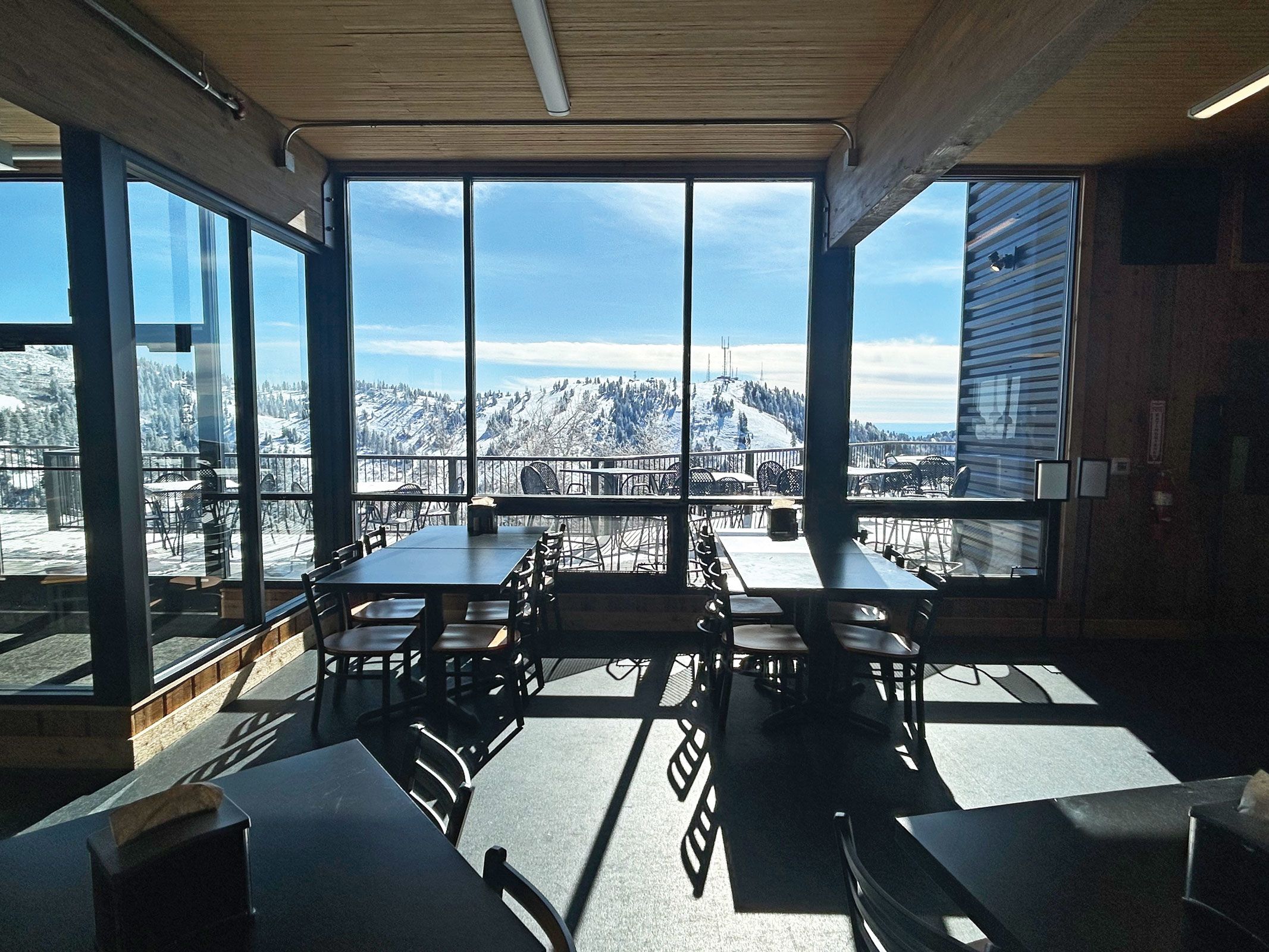
The remodeled Pioneer Lodge at Bogus Basin opened in January, offering wonderful views from its large picture windows. (Photo by Robert Silk)
The remodeled Pioneer Lodge at Bogus Basin opened in January, offering wonderful views from its large picture windows. (Photo by Robert Silk)
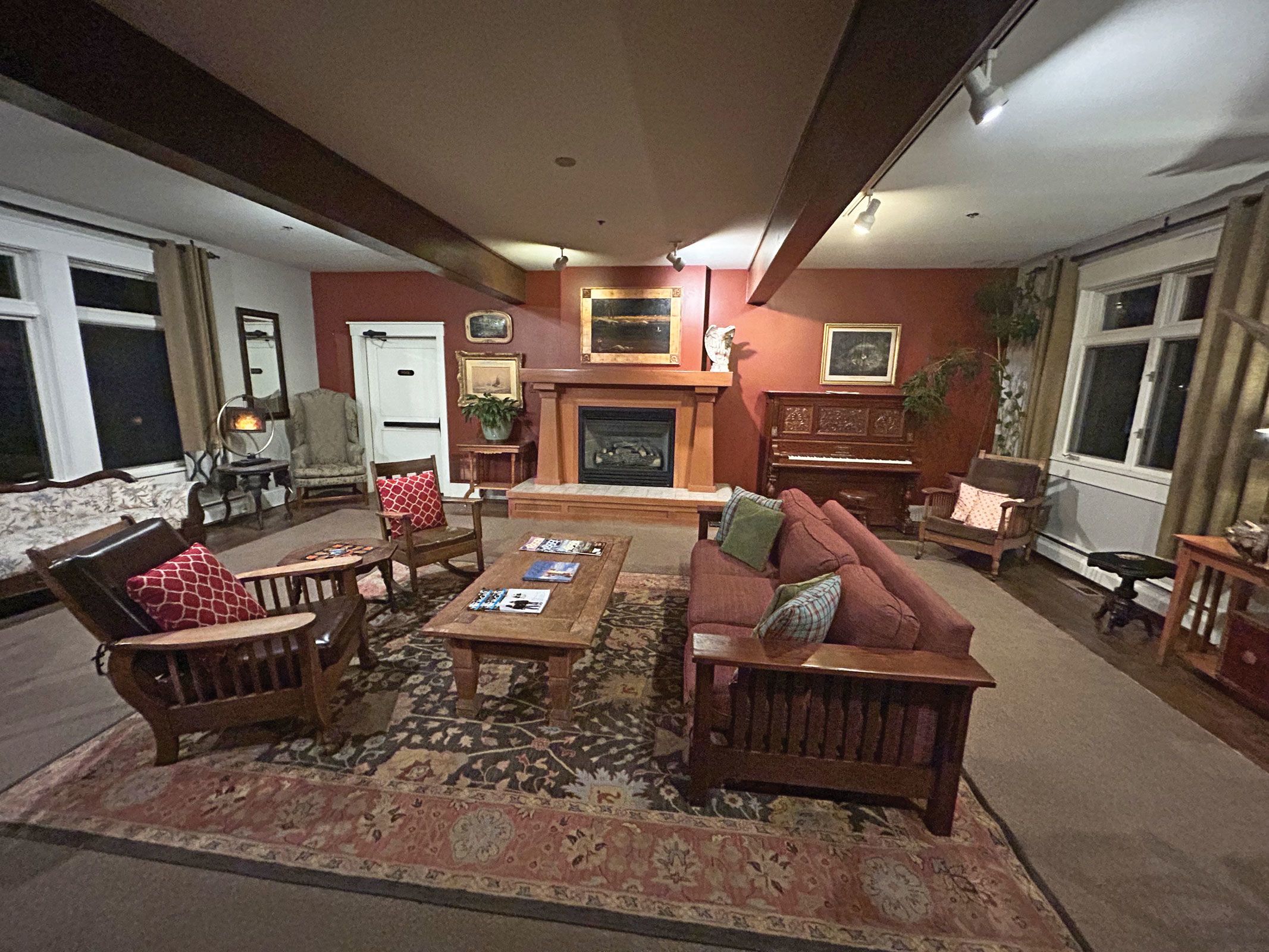
The Hotel McCall parlor is a throwback, offering a reading area, a piano and games for the entire family. (Photo by Robert Silk)
The Hotel McCall parlor is a throwback, offering a reading area, a piano and games for the entire family. (Photo by Robert Silk)
Boise and Bogus Basin
Bogus Basin is a true locals’ ski area, getting the vast majority of its visitors from nearby Boise and the surrounding Treasure Valley area.
But this isn’t your everyday commuters’ mountain. Bogus Basin boasts 2,600 acres of skiable terrain and 1,800 feet of vertical drop accessed by 10 lifts, making it nearly as large as Sun Valley.
Its distinctive name comes from claims that schemers once used the basin it now sits in as a staging point for selling fake gold, general manager Brad Wilson told me.
But, said marketing director Austin Smith, “it’s anything but bogus.”
Unfortunately, the mountain was suffering from historically poor snowfall when I visited and only by the grace of snowmaking was able to have 15 of its 88 runs open.
I enjoyed the mostly blue runs and skied off of two front-side lifts. But I didn’t get to see the mountain’s larger, and steeper, backside — though several locals I spoke with had only good things to say about it.
Interestingly, Bogus Basin is the largest nonprofit ski area in the country, an operating model that helps keep lift tickets affordable. The mountain is typically open daily for night skiing until 10 p.m. with creative lift ticket products that allow full mountain access in the late afternoon, followed by night access. An added bonus: Alaska Airlines flyers can ski for free on their day of arrival into Boise.
Urban enthusiasts will enjoy Bogus’ easy access from Boise, which has experienced a boom since the pandemic and offers a quaint and lively downtown.
I spent my first two nights in Idaho at The Avery Hotel, a 39-room property that occupies a historical building in central downtown.
Owner Cal Elliott, who used to own a Michelin Bib Gourmand-winning restaurant in Brooklyn, returned to his hometown and opened the hotel in 2022 after an 18-month renovation.
We’re going after people that actually want to be part of a locally owned historic property. We hope people care about those things, because we care about those things.
My room felt classically elegant, especially the freestanding bathtub and the large, tiled bathroom and the heavy wooden exterior door, which is original to the 120-year-old building.
Naturally, the hotel features a French-style brasserie presided over by its chef/owner.
Elliott described the restaurant as contemporary American with French influences that uses as much local product as possible. He changes the menu at least six times per year, he said.
My dinner choice: A pear salad, followed by lamb ragout and creamed spinach.
“We’re going after people that actually want to be part of a locally owned historic property,” Elliott told me. “We hope people care about those things, because we care about those things.”
In spades, that summed up my experience skiing and traveling in Idaho. High quality and down-to-earth. But fancy isn’t the focus.