
The spirit of Kentucky’s tourism success
From racing to distilling to history to music, there are old favorites and new options for visitors to the Bluegrass State. But they don’t come without investment.

Mike Mangeot attributes Kentucky’s record tourism numbers over the past few years to two things: bourbon and Beshear.
Bourbon, recognized by Congress as America’s Native Spirit, may be the state’s most closely associated attribute — along with the Kentucky Derby.
Andy Beshear, Kentucky’s governor since 2019, may not have near the fame. But according to Mangeot, the commissioner of Kentucky’s Department of Tourism, the governor is a big reason the state has achieved three consecutive years of record tourism, culminating in 80 million visitors spending $10.1 billion in 2024.
“We’ve had more resources to be able to go out and market ourselves,” Mangeot said in late February. “And that’s a big part of Governor Beshear and his investments in tourism.”
That’s included more funding to destination marketing organizations statewide and more than $1 billion approved for investment in tourism projects under a program that offers substantial tax incentives.
“I have never seen a Kentucky governor who, in almost every speech that he makes, talks about tourism and the success of tourism,” Mangeot said. “And it’s invaluable. I mean, I have other state tourism directors say, ‘Gosh, I wish I had a governor that embraced us like that.’ And he backs it up with the investments.”
That kind of support may be the stuff of DMO dreams, but the impact is real. Last year, it helped the state grow tourism domestically, filling the visitor gap when arrivals from its top inbound market, Canada, fell close to 18%, Mangeot said (total visitor stats from 2025 are not yet available).
And he’s just as grateful for an attribute without term limits: bourbon. He said what it’s meant for Kentucky’s global brand awareness can’t be underestimated.
“And what that’s done is also open Kentucky up to a lot of new visitors who really didn’t know us,” he said, adding that many visitors come for bourbon but come back for all the other things Kentucky has to offer.

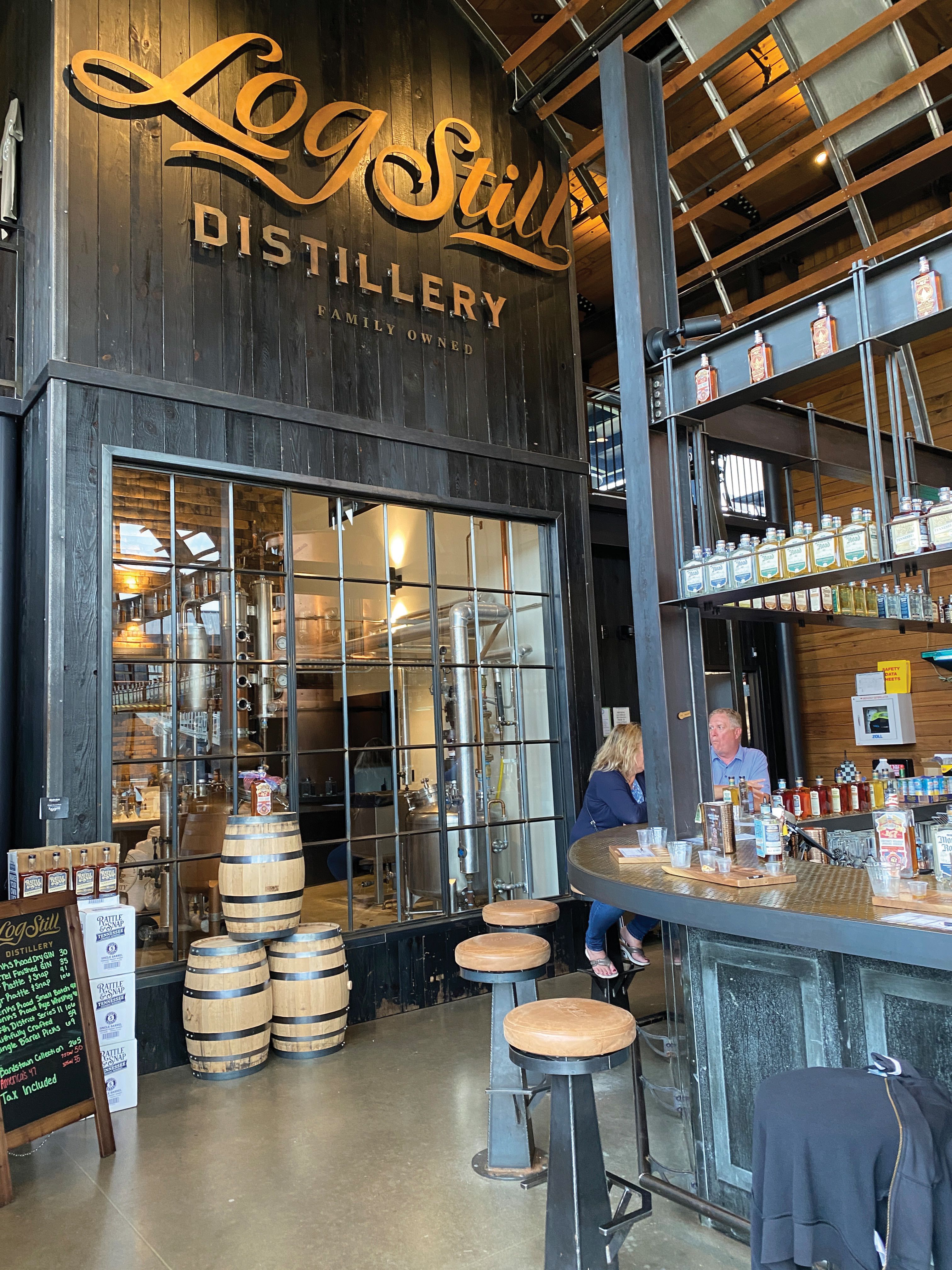
Log Still Distillery makes Kentucky’s signature spirit, bourbon, and offers tours, tastings and more. (Photo by Johanna Jainchill)
Log Still Distillery makes Kentucky’s signature spirit, bourbon, and offers tours, tastings and more. (Photo by Johanna Jainchill)

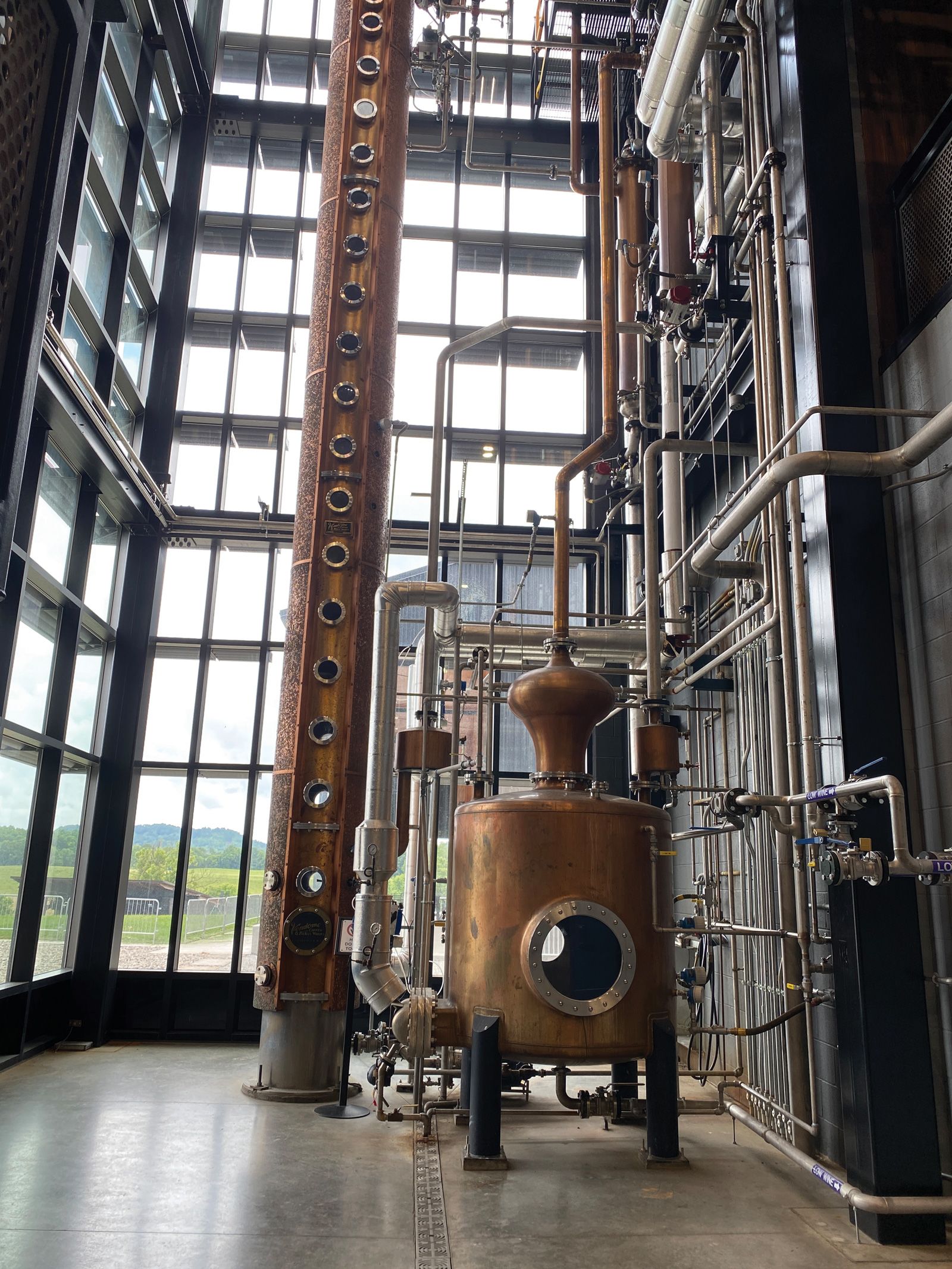
On the Log Still Distillery tour in New Haven. (Photo by Johanna Jainchill)
On the Log Still Distillery tour in New Haven. (Photo by Johanna Jainchill)

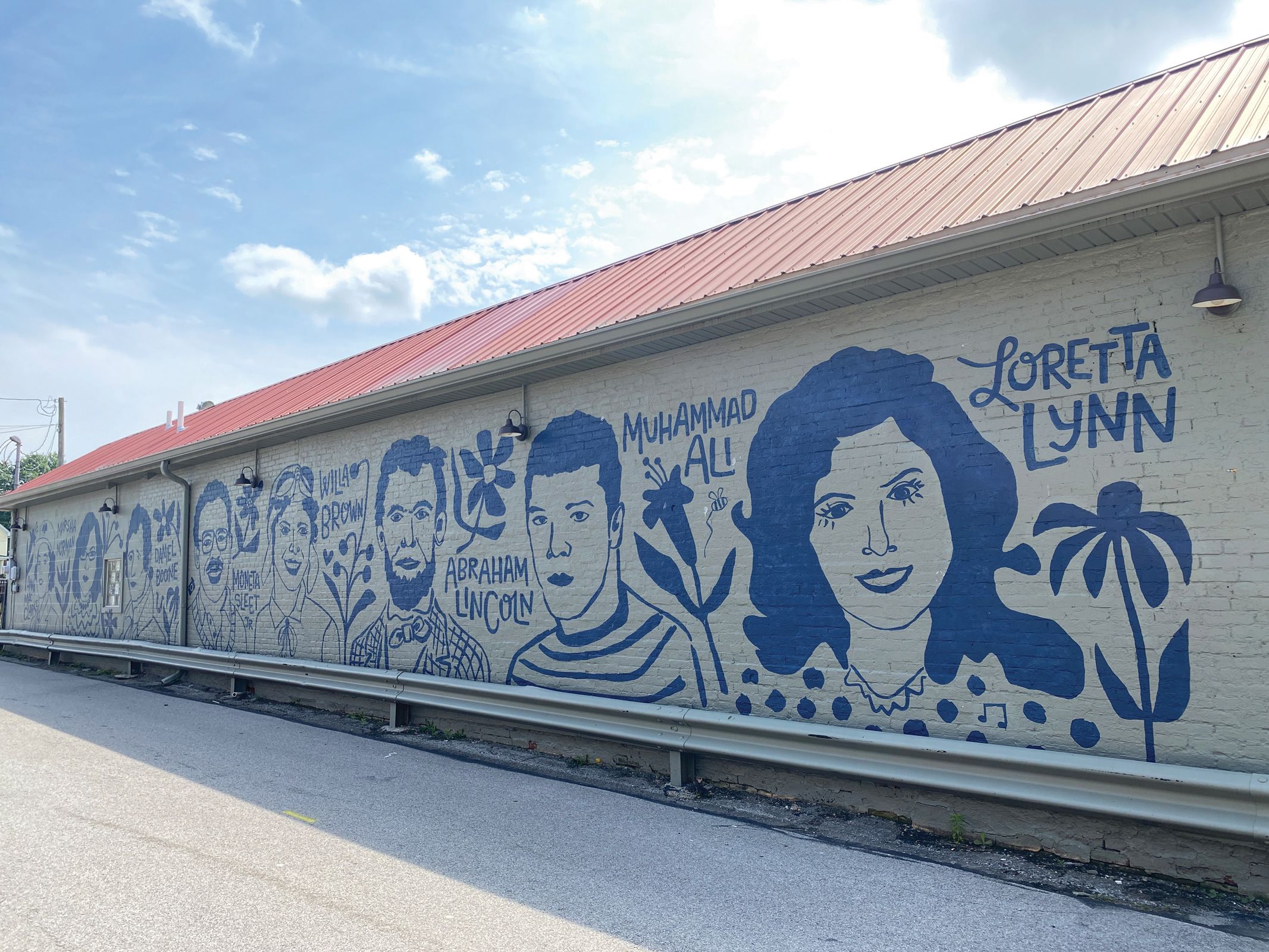
A mural in Elizabethtown commemorates famous Kentucky-born figures. (Photo by Johanna Jainchill)
A mural in Elizabethtown commemorates famous Kentucky-born figures. (Photo by Johanna Jainchill)

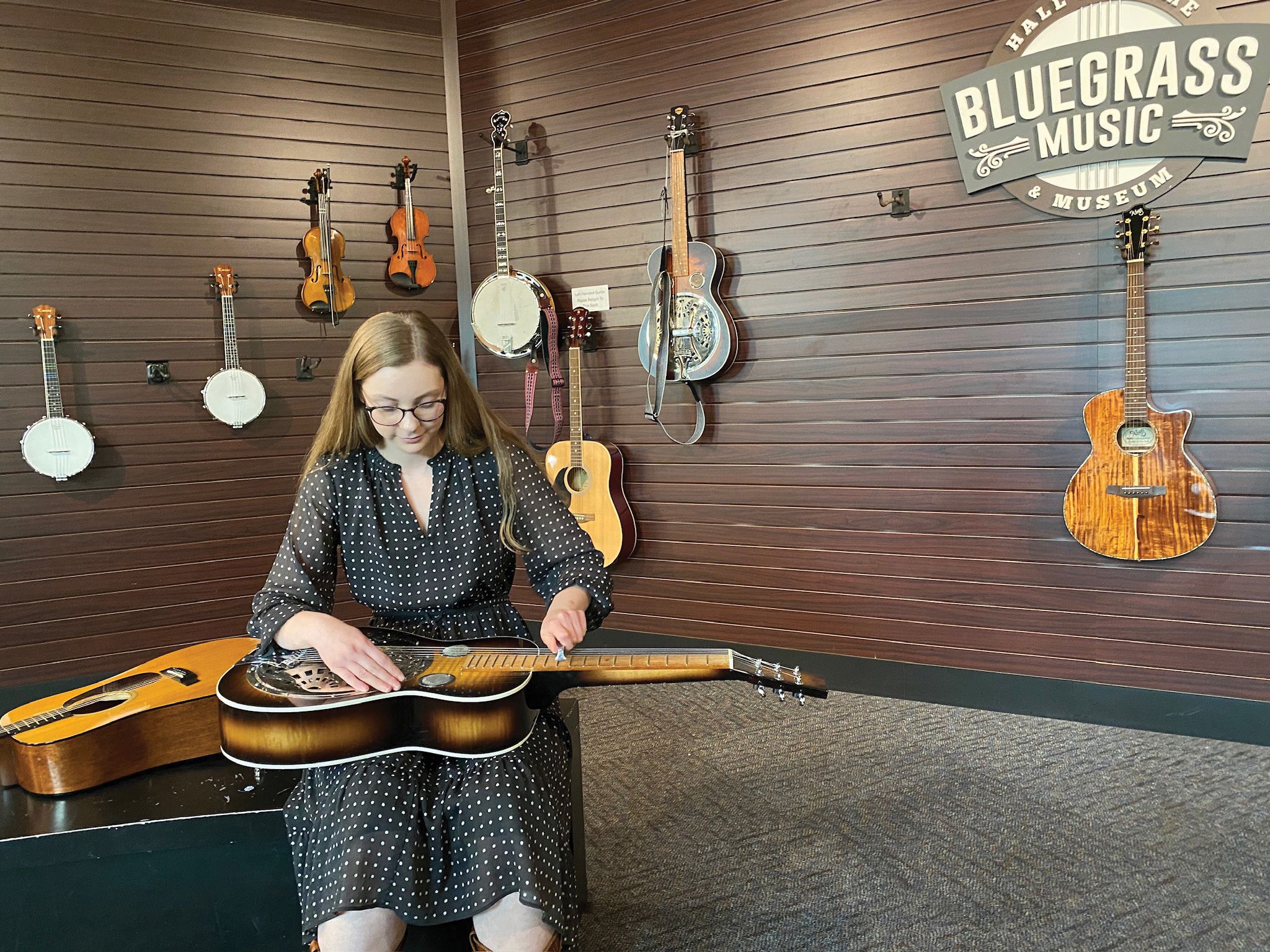
Erin Rouse, marketing manager for the Bluegrass Music Hall of Fame & Museum, prepares for a bluegrass jam session in the museum’s Picking Parlor. (Photo by Johanna Jainchill)
Erin Rouse, marketing manager for the Bluegrass Music Hall of Fame & Museum, prepares for a bluegrass jam session in the museum’s Picking Parlor. (Photo by Johanna Jainchill)

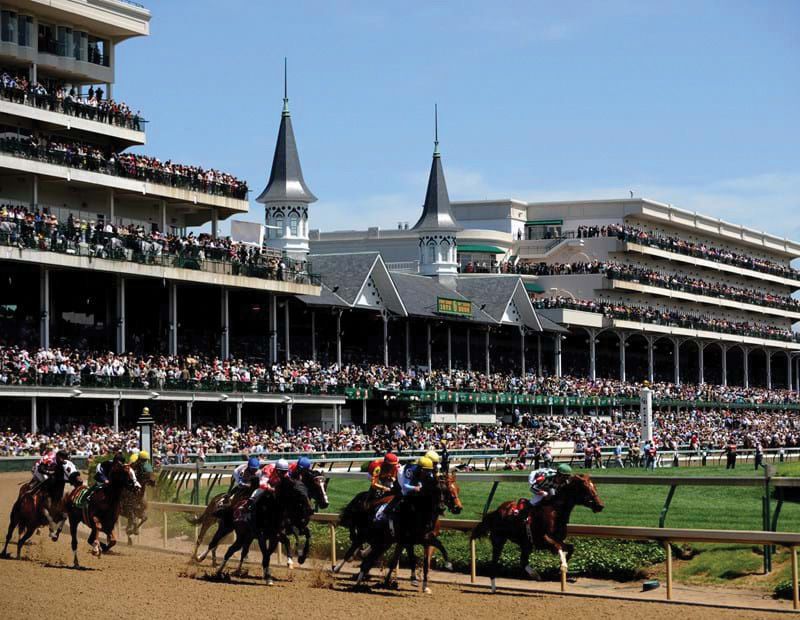
The Kentucky Derby at Churchill Downs has thrilled fans since 1875. (Courtesy of Kentucky Department of Tourism)
The Kentucky Derby at Churchill Downs has thrilled fans since 1875. (Courtesy of Kentucky Department of Tourism)
A spirited investment
Bourbon sales may be down this year, a result of lower alcohol consumption habits and the sales slump from Canada, but according to Jordan Skora, marketing communications manager for Visit Louisville, “there’s not been a dip in bourbon tourism. Our distilleries are still seeing steady if not record numbers of people still visiting.”
That’s also because distilleries have invested significantly in the holistic visitor experience.
That investment was on full display at the Log Still Distillery last June. The tour guide said that the central Kentucky distillery was lowering bourbon production, but it was ramping up visitor offerings: tours and tastings, concerts at an outdoor amphitheater, weddings and events. The distillery also offers several lodging options throughout the property.
“Ten, 15 years ago, I would have never thought we’re going to have a distillery where you can stay on site, where you can see a concert,” Mangeot said of Log Still. “Many of them have restaurants on site. And what’s happening is you don’t have to be a bourbon lover to go there.”
Traveling around Kentucky, it’s hard to believe that bourbon wasn’t a major tourism driver until about 2000. The Kentucky Bourbon Trail, a tour program created by the Kentucky Distillers Association, opened in 1999 with seven distilleries, and even then many of the 60-plus distilleries along the way didn’t exist then or offer tours.
When the Evan Williams Bourbon Experience opened in 2013 on Louisville’s historical Whiskey Row, it marked the return of distilling to the city’s downtown for the first time since before Prohibition.
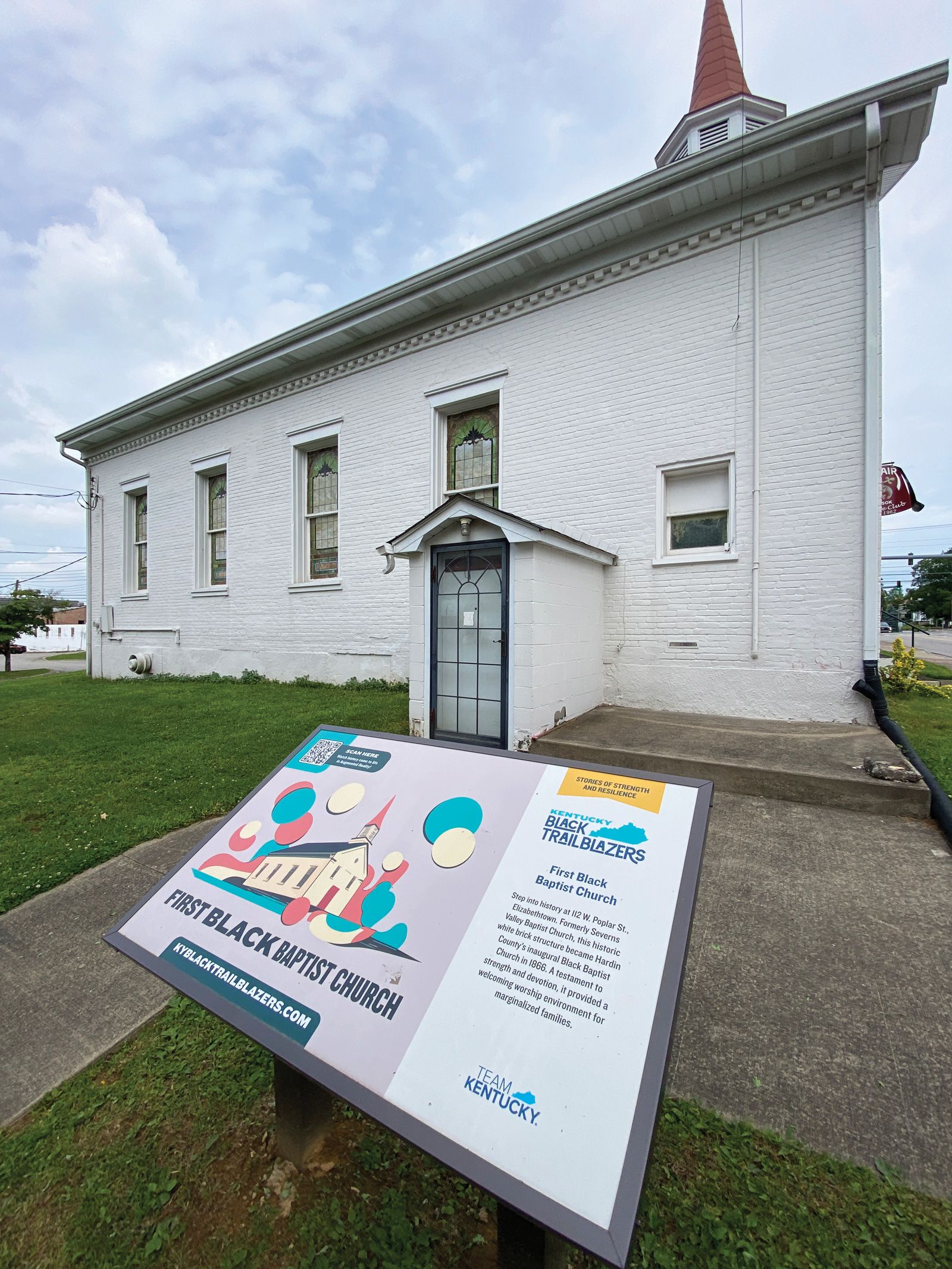
The First Black Baptist Church in Elizabethtown, a destination that is part of the new Kentucky Black Trailblazers augmented-reality experience. (Photo by Johanna Jainchill)
The First Black Baptist Church in Elizabethtown, a destination that is part of the new Kentucky Black Trailblazers augmented-reality experience. (Photo by Johanna Jainchill)
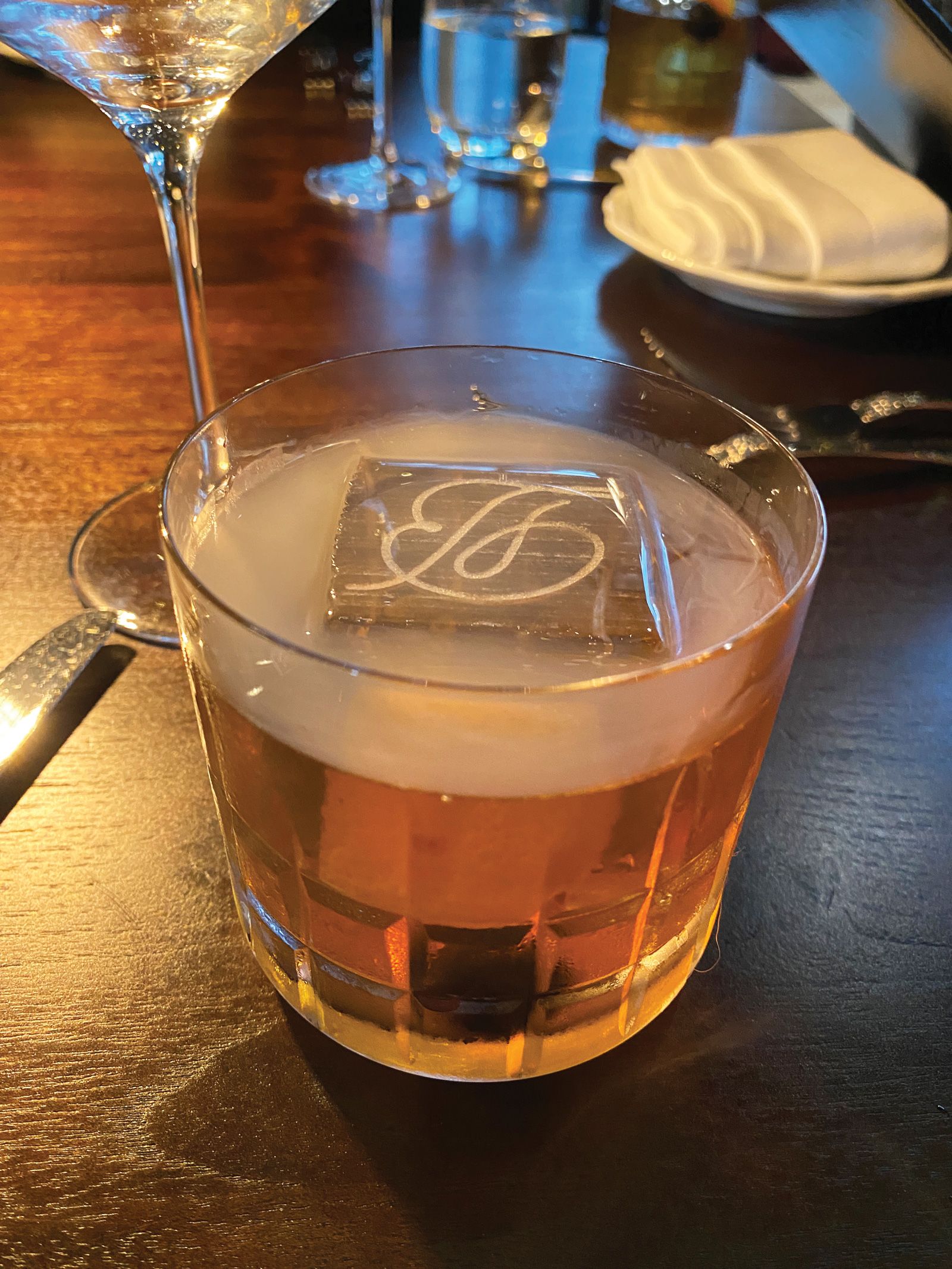
An old fashioned at the Steakhouse Bourre Bonne at the Hotel Bourre Bonne in Louisville. (Photo by Johanna Jainchill)
An old fashioned at the Steakhouse Bourre Bonne at the Hotel Bourre Bonne in Louisville. (Photo by Johanna Jainchill)
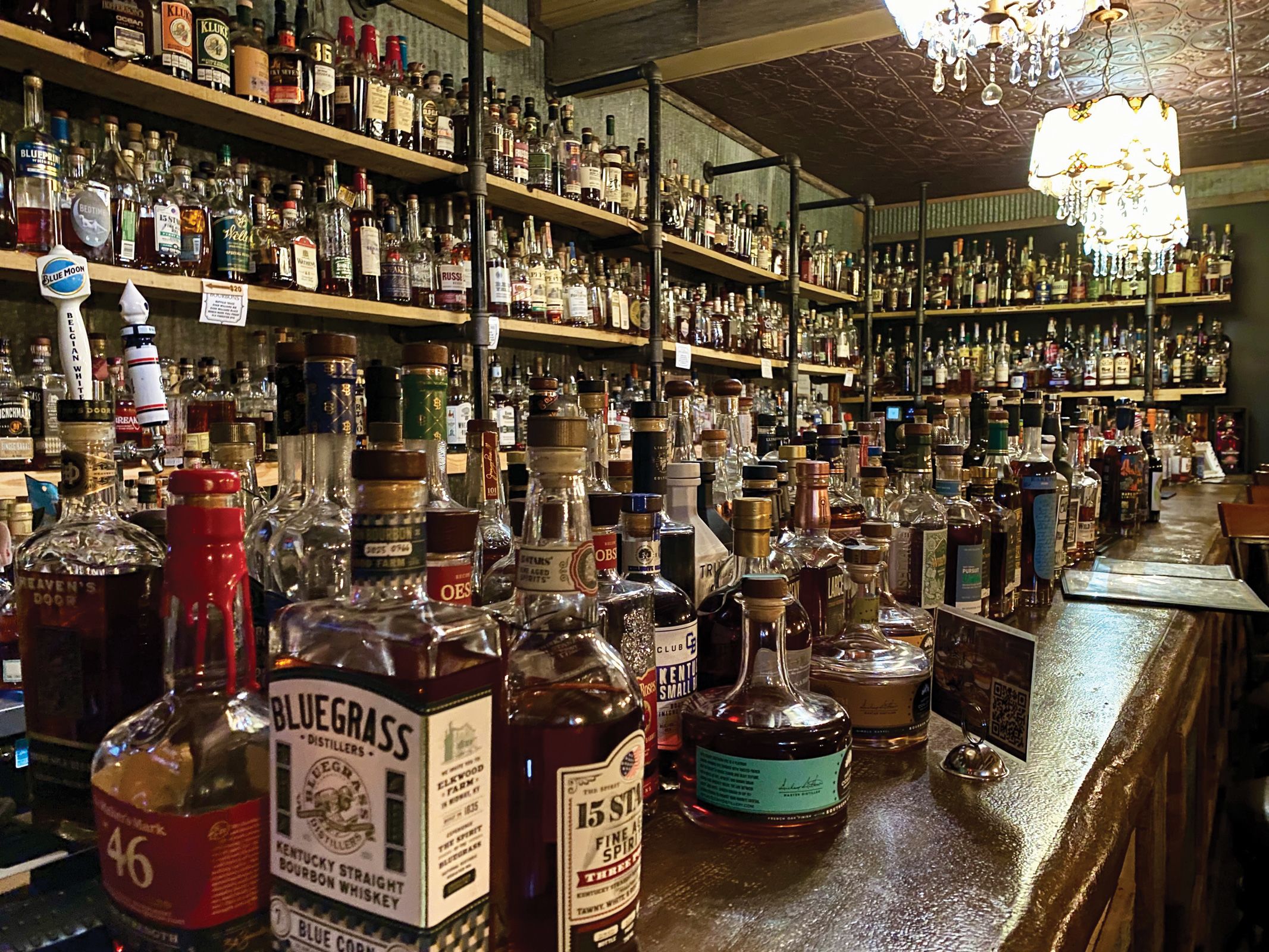
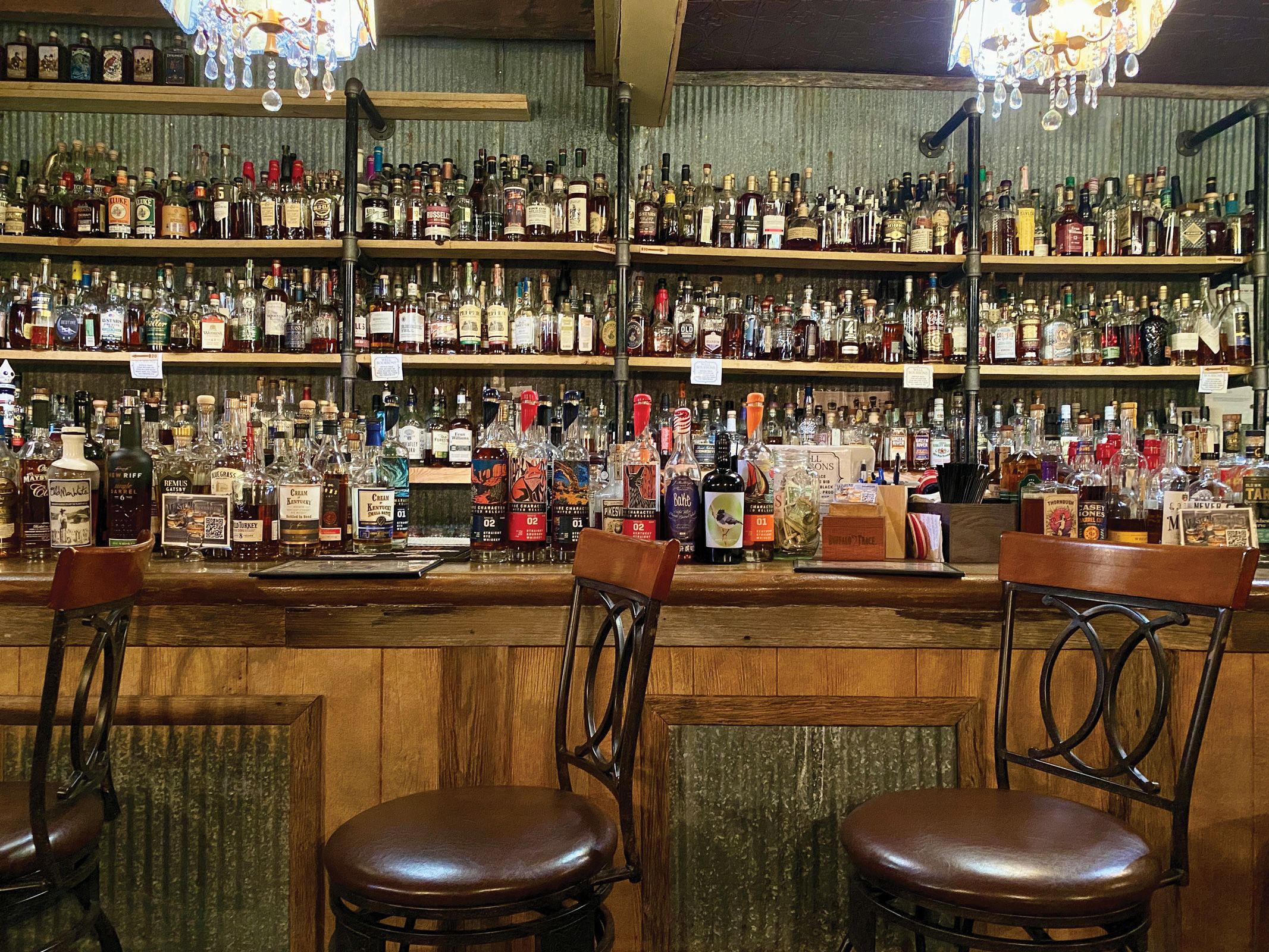
The Volstead Bourbon Lounge in Bardstown serves over 400 different types of bourbon. (Photo by Johanna Jainchill)
The Volstead Bourbon Lounge in Bardstown serves over 400 different types of bourbon. (Photo by Johanna Jainchill)
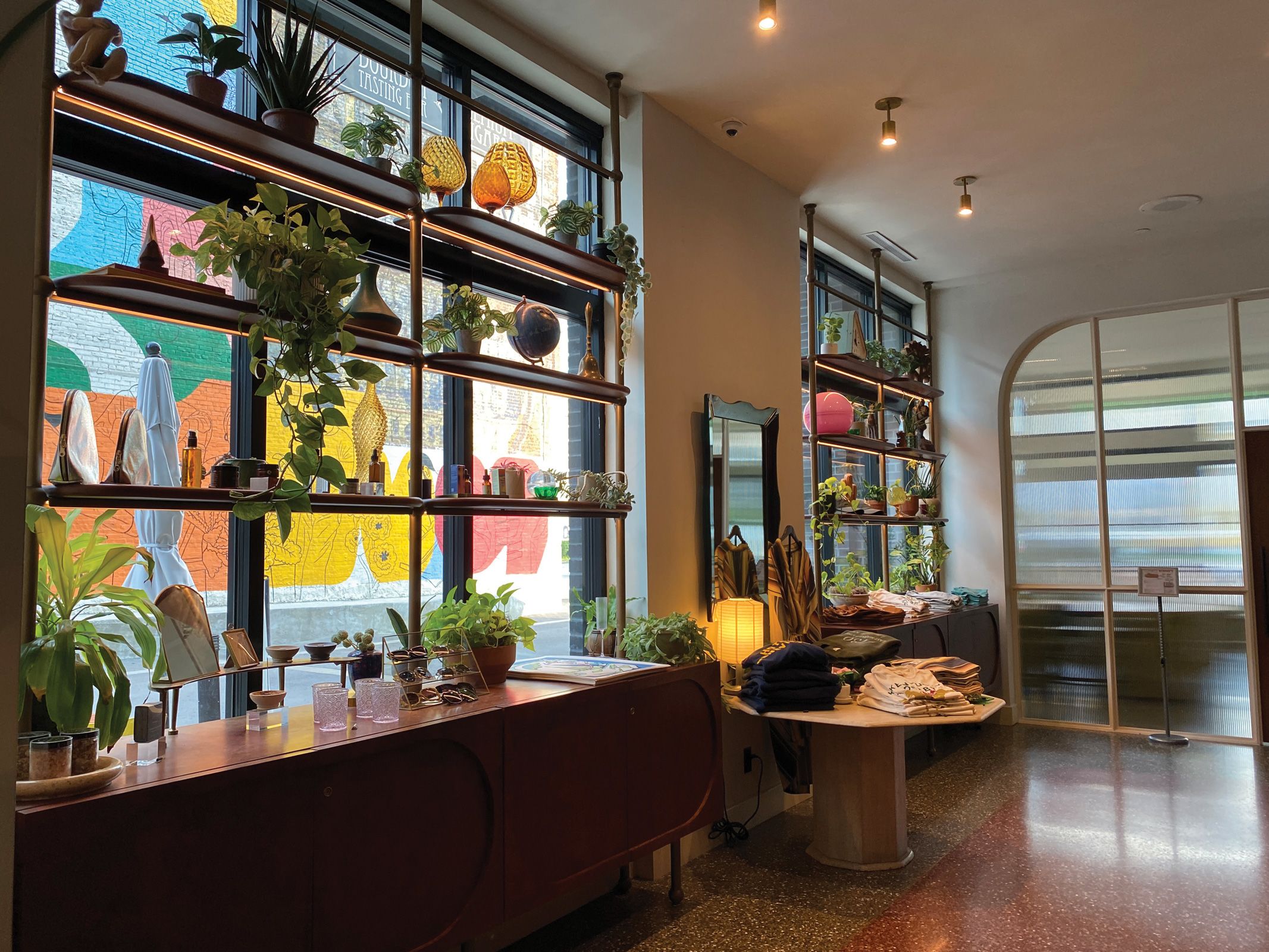
The Hotel Genevieve in Louisville is part of the JDV by Hyatt collection. (Photo by Johanna Jainchill)
The Hotel Genevieve in Louisville is part of the JDV by Hyatt collection. (Photo by Johanna Jainchill)
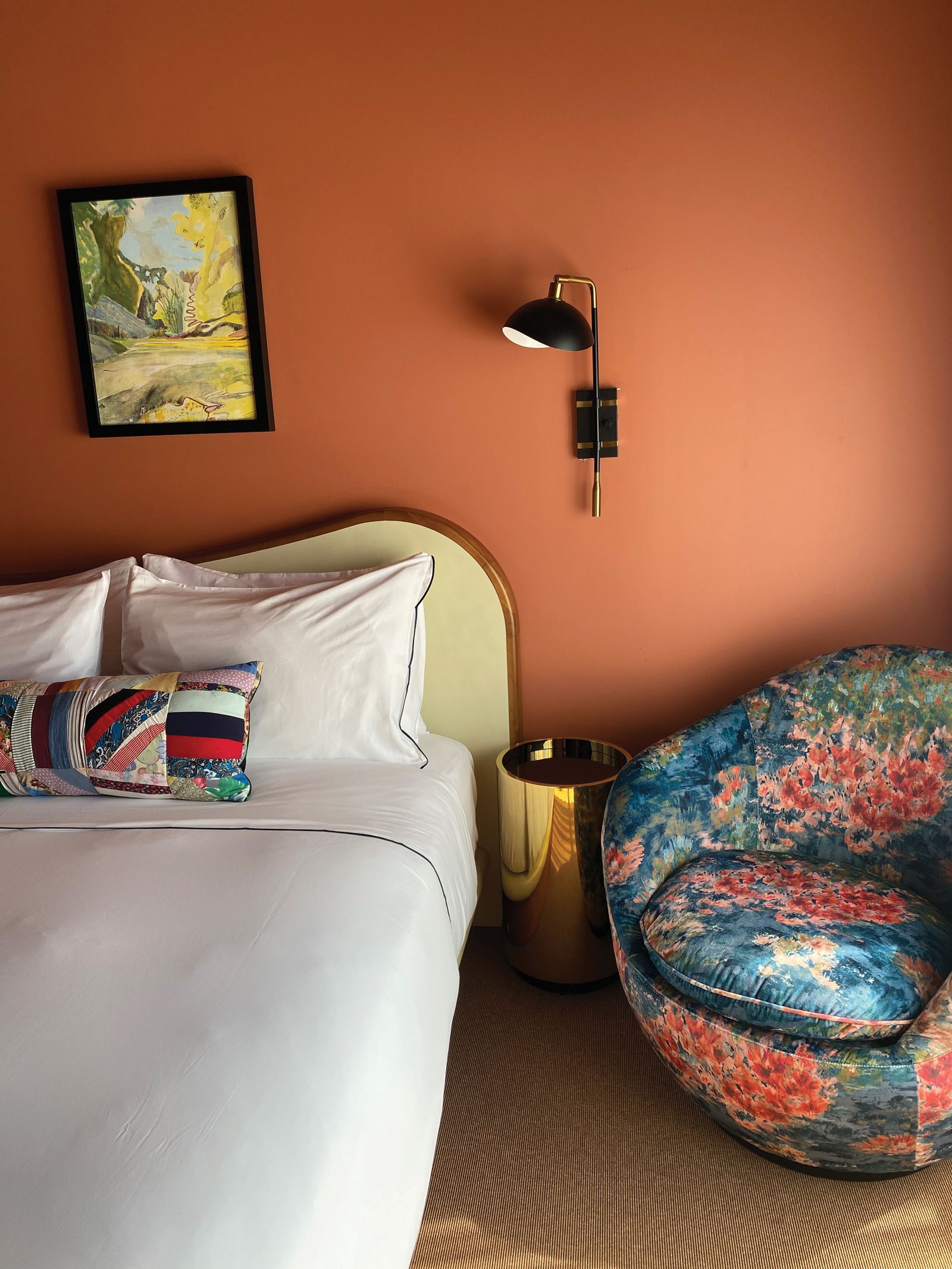
A room at the Hotel Genevieve in Louisville, part of the JDV by Hyatt collection. (Photo by Johanna Jainchill)
A room at the Hotel Genevieve in Louisville, part of the JDV by Hyatt collection. (Photo by Johanna Jainchill)
Beyond bourbon
Kentucky has long had many other established attractions.
Horse culture has been a draw for the state since the first running of the Kentucky Derby in 1875, the longest continuously held sporting event in the U.S. And while the Triple Crown race is held once a year, Churchill Downs is worth a visit throughout racing season (spring through fall). Sipping a mint julep while watching some of the country’s top thoroughbreds compete at the world’s most famous horse track is a thrill at any time. The Kentucky Derby Museum, open year round, includes a tour of Churchill Downs. But its 360-degree film on a horse’s journey to the Derby, and impressive exhibits about its history and jockeys, left me wanting to know more about Kentucky’s equine traditions. (I’m not the only one: The “Yellowstone effect, ” which gets it name from the popular television show on the Paramount Network, has sparked a resurgence of interest in American horse culture. While the show is focused on cowboy and ranch life, its halo has increased general equestrian interest.)
Kentucky is also creating new ways to learn its history, such as the Kentucky Black Trailblazers augmented-reality experience.
I tried it at several stops in Elizabethtown, including the historic First Black Baptist Church and an otherwise nondescript downtown location where scanning a QR code launched an AR scene about the history of General Braddock, a slave turned Revolutionary War hero who became a Kentucky landowner.
Also relatively new is Kentucky’s biggest celebration of its musical heritage, the Bluegrass Music Hall of Fame & Museum in Owensboro. Opened in 2018, it offers a fascinating look at the history of bluegrass music and its place in pop culture, from a surge in popularity after the movie “O Brother, Where Art Thou?” to Jerry Garcia’s roots as a bluegrass banjo player, evident in many Grateful Dead songs.
My favorite part of the museum was the Picking Parlor, where a wall of banjos, fiddles, mandolins and guitars are meant to be played by visitors.
“Bluegrass was credited with being started here,” Mangeot said. “When you start looking at who has come out of Kentucky from a musical standpoint — Loretta Lynn, the Judds, Chris Stapleton, Dwight Yoakam, Merle Travis, the Everly Brothers — we don’t take a backseat to anybody from a musical heritage.”
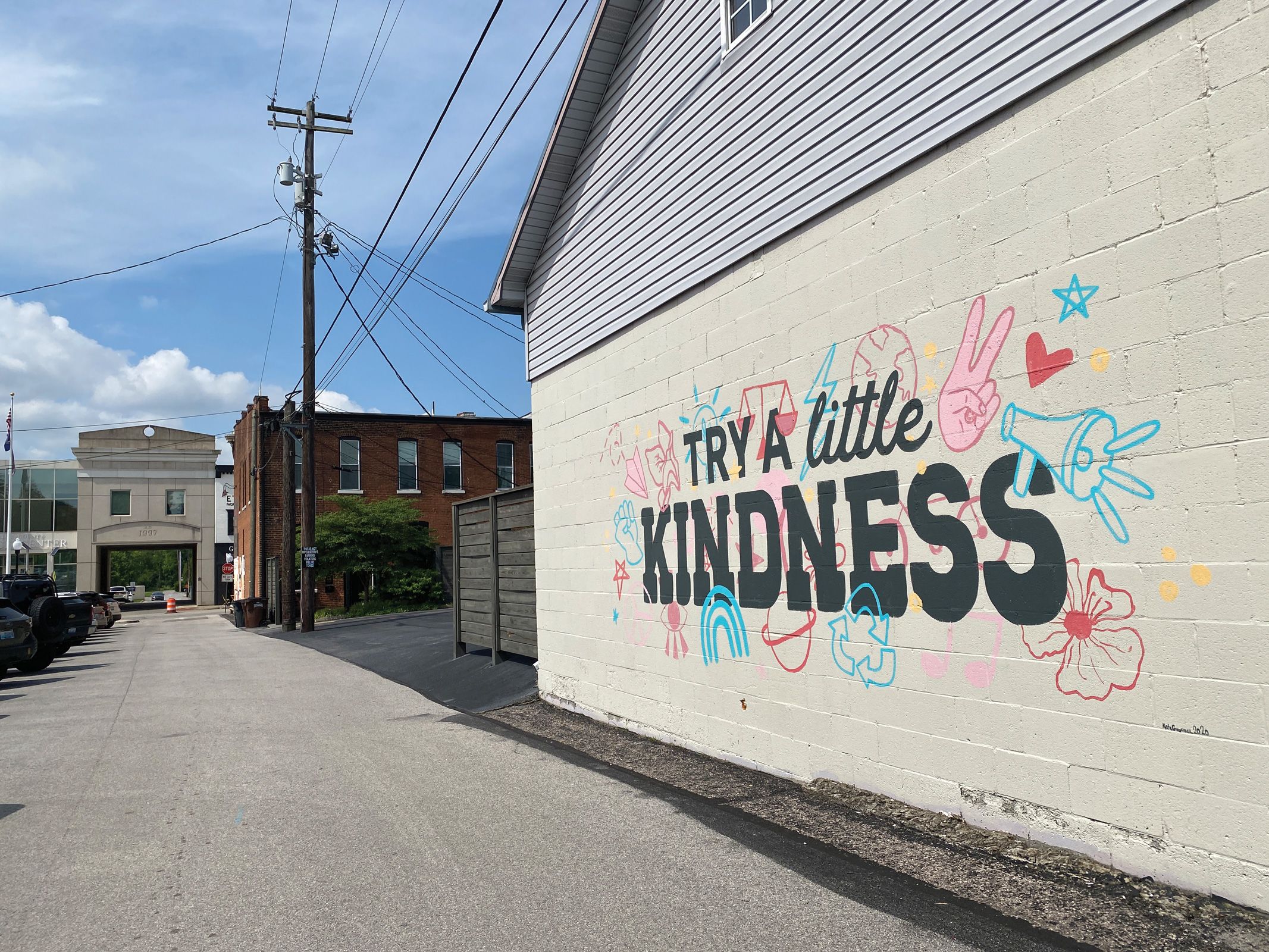
A mural in Elizabethtown, Kentucky. (Photo by Johanna Jainchill)
A mural in Elizabethtown, Kentucky. (Photo by Johanna Jainchill)
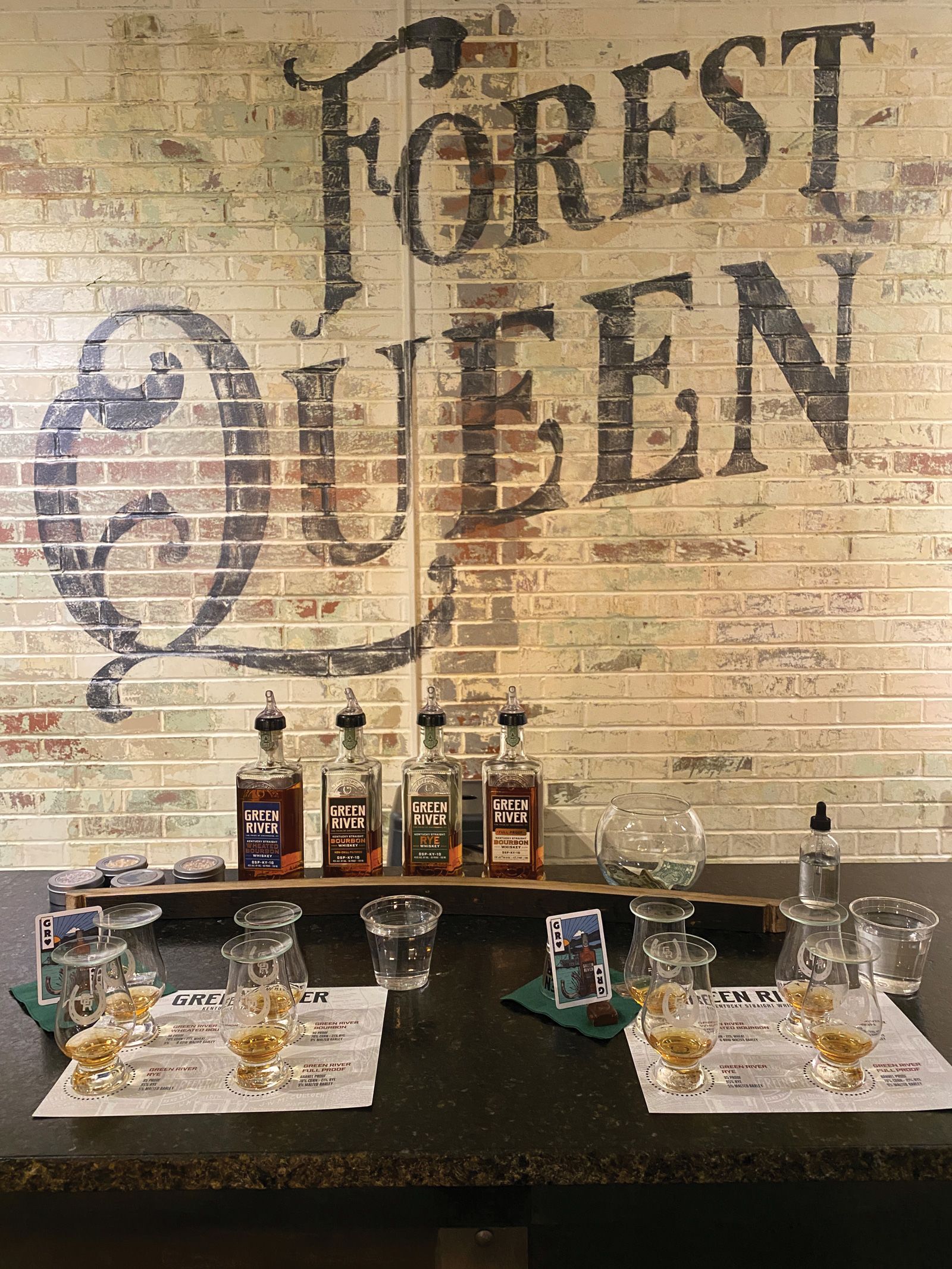
The tasting part of the Green River distillery tour. (Photo by Johanna Jainchill)
The tasting part of the Green River distillery tour. (Photo by Johanna Jainchill)
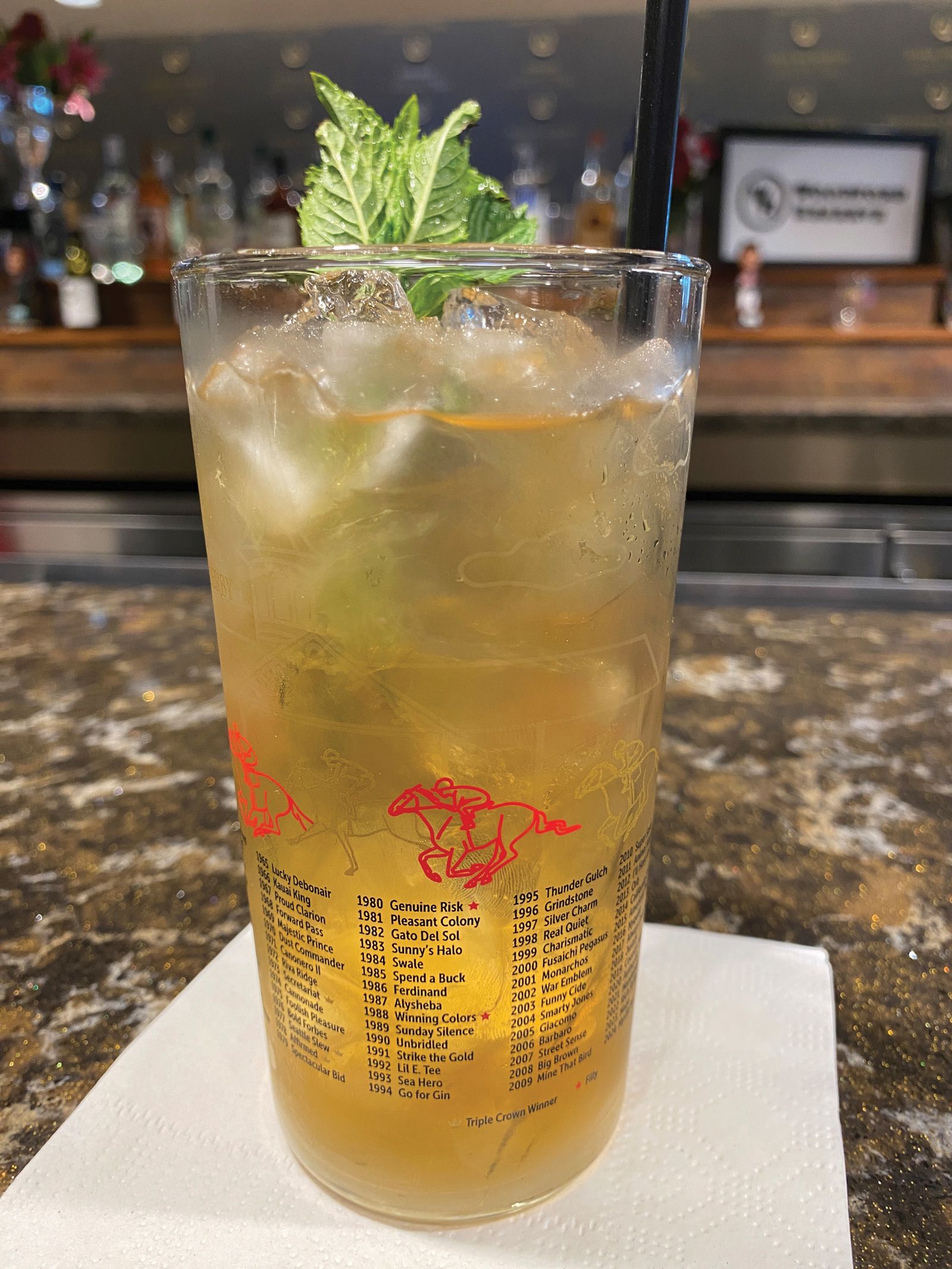
A Mint Julep at Churchill Downs, the official drink of the Kentucky Derby since the 1930's. (Photo by Johanna Jainchill)
A Mint Julep at Churchill Downs, the official drink of the Kentucky Derby since the 1930's. (Photo by Johanna Jainchill)
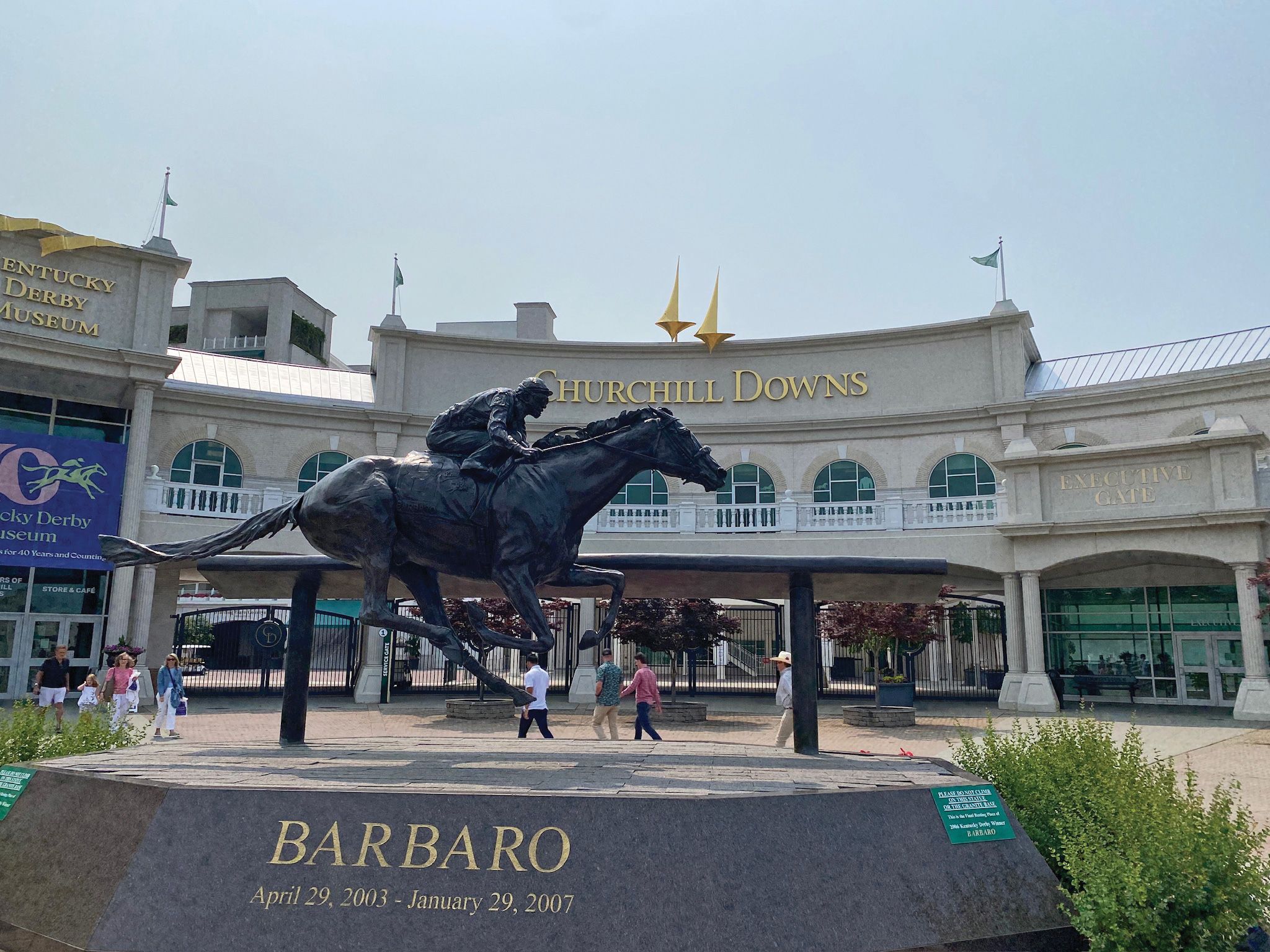
Churchill Downs in Louisville has hosted the Kentucky Derby since 1875. (Photo by Johanna Jainchill)
Churchill Downs in Louisville has hosted the Kentucky Derby since 1875. (Photo by Johanna Jainchill)
A luxury upgrade
Tourism success has brought investment, and for the first time, a meaningful growth in upscale offerings. When I was in Bardstown last June, the bourbon capital of the bourbon capital, tourism marketers were eagerly anticipating the soon to open Trail Hotel, the area’s first upscale property. As befits the location, it is named after the Bourbon Trail and offers amenities including a bourbon butler.
In Louisville, the design-forward Hotel Bourre Bonne Louisville opened last year as part of Curio Collection by Hilton. In 2023, the Hotel Genevieve opened in Louisville as part of the JDV by Hyatt collection, and the Manchester Hotel opened in Lexington. The latter two properties are the first, and only, hotels in Kentucky to receive Michelin Keys.
Emboldened by these options, the Kentucky Department of Tourism last year launched its first marketing campaign focused on the luxury market.
Mangeot said the state previously couldn’t have supported such a campaign. But “with the hotel investments, with the distillery experiences … we can now play in that market.”