Napa Valley moves beyond the vineyards
People are drinking less alcohol these days. For California’s Wine Country, that means finding ways to expand its tourism appeal beyond the tasting rooms.

The Napa Valley is in the midst of a reinvention.
The destination is evolving from solely a wine mecca to appeal to younger and more diverse travelers who are interested less in alcohol and more in experiences.
Now, it’s all about “wine and … ,” said Riana Mondavi, the director of direct to consumer operations at Charles Krug, the first tasting room to open in California. Four generations of Mondavis have operated the St. Helena winery since her grandparents purchased the estate in 1943.
“We’ve seen all types of changes in markets and economies,” Mondavi said. “This is an interesting shift we’re going through. There is this factor where people are experimenting with either partial [sobriety] or full-fledged ‘I’m giving up alcohol completely.’ We are seeing that and hearing that.”
It’s a stark contrast to the Napa Valley Mondavi grew up in, when it was all about the wine — and just the wine. Now visitors expect more, a reflection of the changing attitude widely reported across travel: a singular experience isn’t enough. Travelers want immersive experiences and to dive deep in a culture or region.
Visitation to Charles Krug is down overall, Mondavi said, but still yo-yos month to month from double-digit growth to double-digit decline. To cater to the shifting market, the winery has introduced things other than wine tastings: It also does pizza, chocolate and caviar tastings and offers private, in-home experiences.
“I think expanding those options has really helped us personally to ensure we can still stay top of mind,” Mondavi said. “There’s more than just wine here.”



Drinking is down, but stays are up
Alcohol use overall use among U.S. adults is at its lowest rate in 90 years, according to a recent Gallup poll, with 54% of adults saying they drink, down from 62% as recently as 2023. Alcohol use by young adults is even lower: Only half of respondents ages 18 to 34 say they drink, down nine percentage points from 2023.
Linsey Gallagher, CEO of Visit Napa Valley, said that groups visiting Napa increasingly include at least one member who doesn’t drink. And even drinkers are drinking less wine in Napa and visiting fewer wineries, she said.
There are a number of reasons behind that change in behavior: health, overuse concerns, cost and, more recently, the increased use of GLP-1 weight-loss drugs that can suppress alcohol cravings, said Cheryl Roberts, who curates itineraries for guests through her company Designated Drivers Napa Sonoma, which also provides drivers for people to visit wineries.
Though Roberts said her business hasn’t suffered and has only grown, she is well aware that some are finding it harder to lure people to the valley’s wineries.
“It was kind of hush-hush the last two years with what was happening, but now everyone is becoming creative in how they can bring people back,” she said.
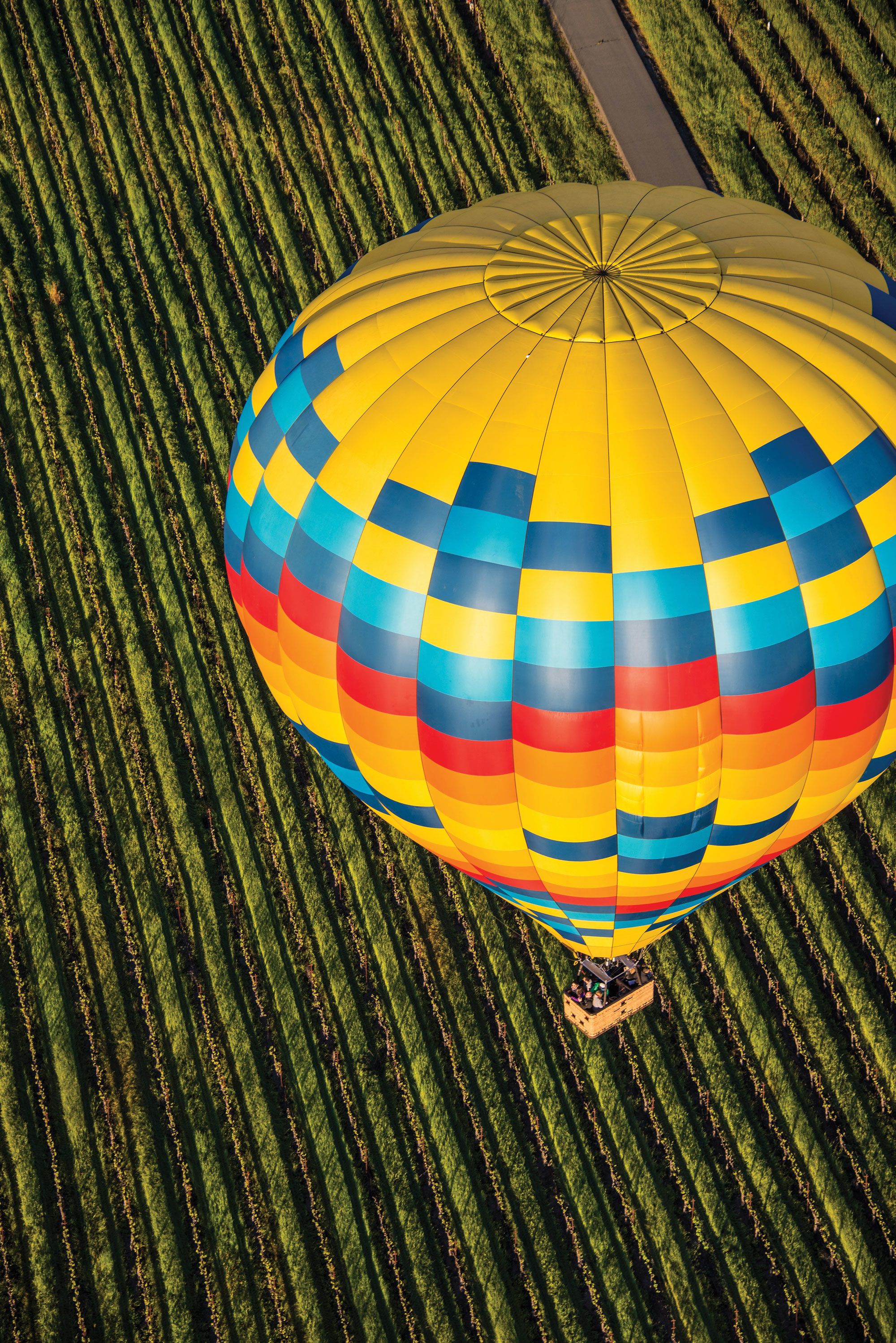
She said for a long time she was stumped coming up with things to offer clients outside of wine, with the exception of hot-air balloon rides, which have long been popular in Wine Country. But she now has recommendations for alternative activities, especially for the active and outdoor crowd, such as kayaking, hiking and boating.
“People are coming,” she said. “They’re just not doing it the way they did.”
Numbers bear that out: Hotel occupancy rose 3% year over year in Napa Valley in 2025. And the age of visitors dropped from an average of 46 in 2018 to 40 in 2023, Gallagher said.
The tourism board recently launched an advertising campaign to showcase what Gallagher calls “multiple dimensions of Napa Valley.” The “Live a Little or a Lot” ad is an invitation to travelers to experience whatever version of the destination they want, whether that’s a low-key wellness weekend or one centered around what the region is most famous for.
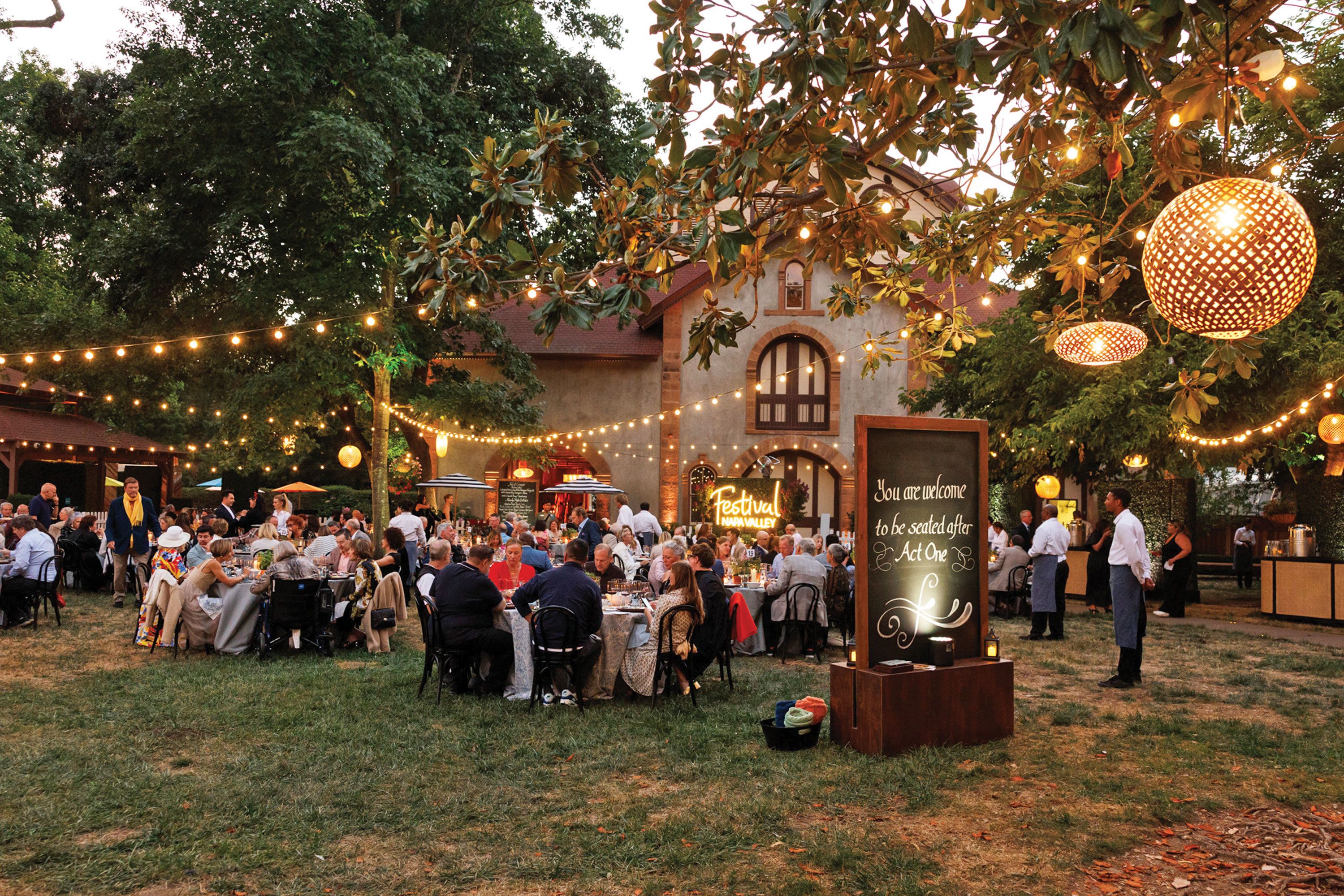
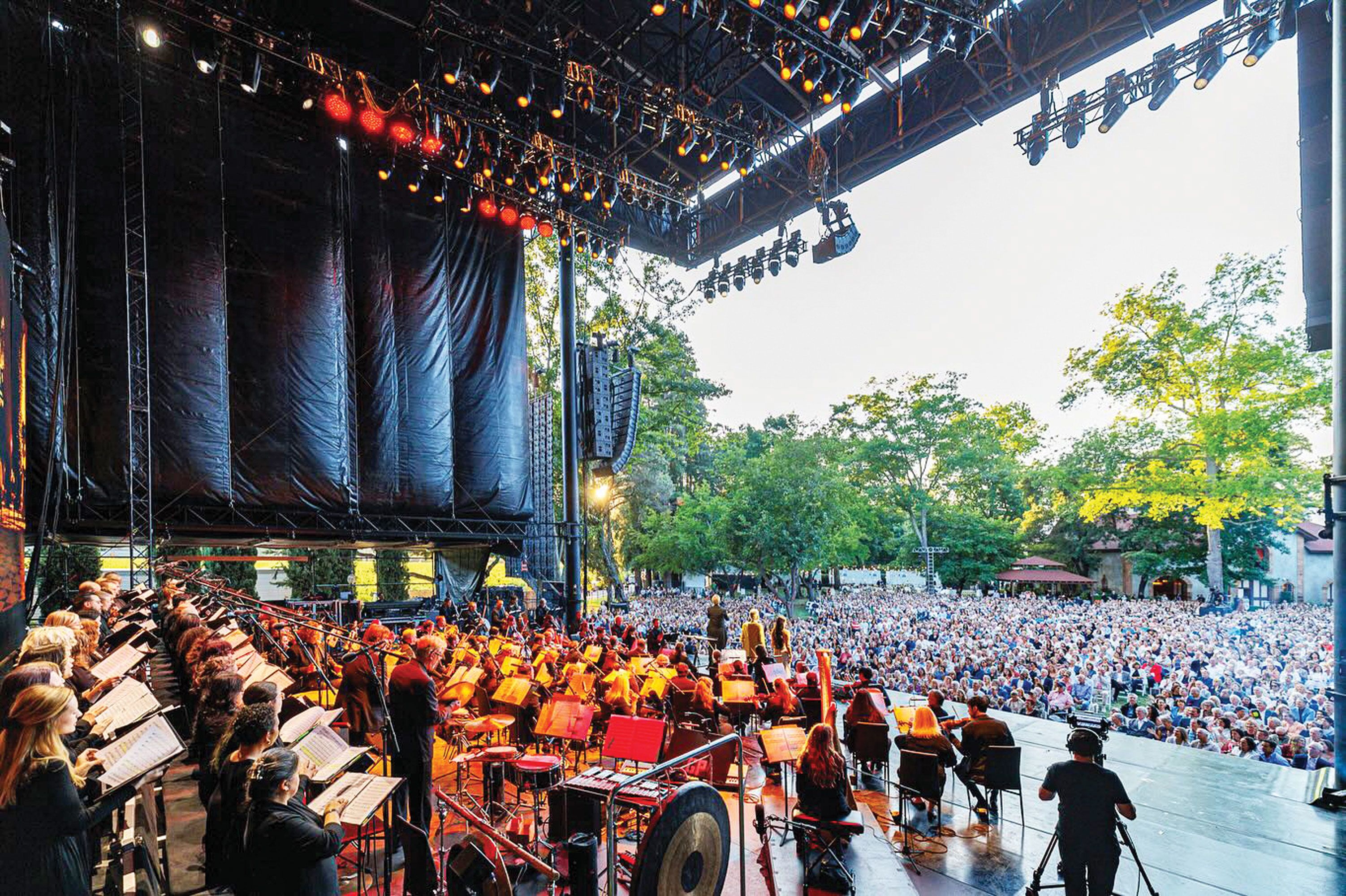
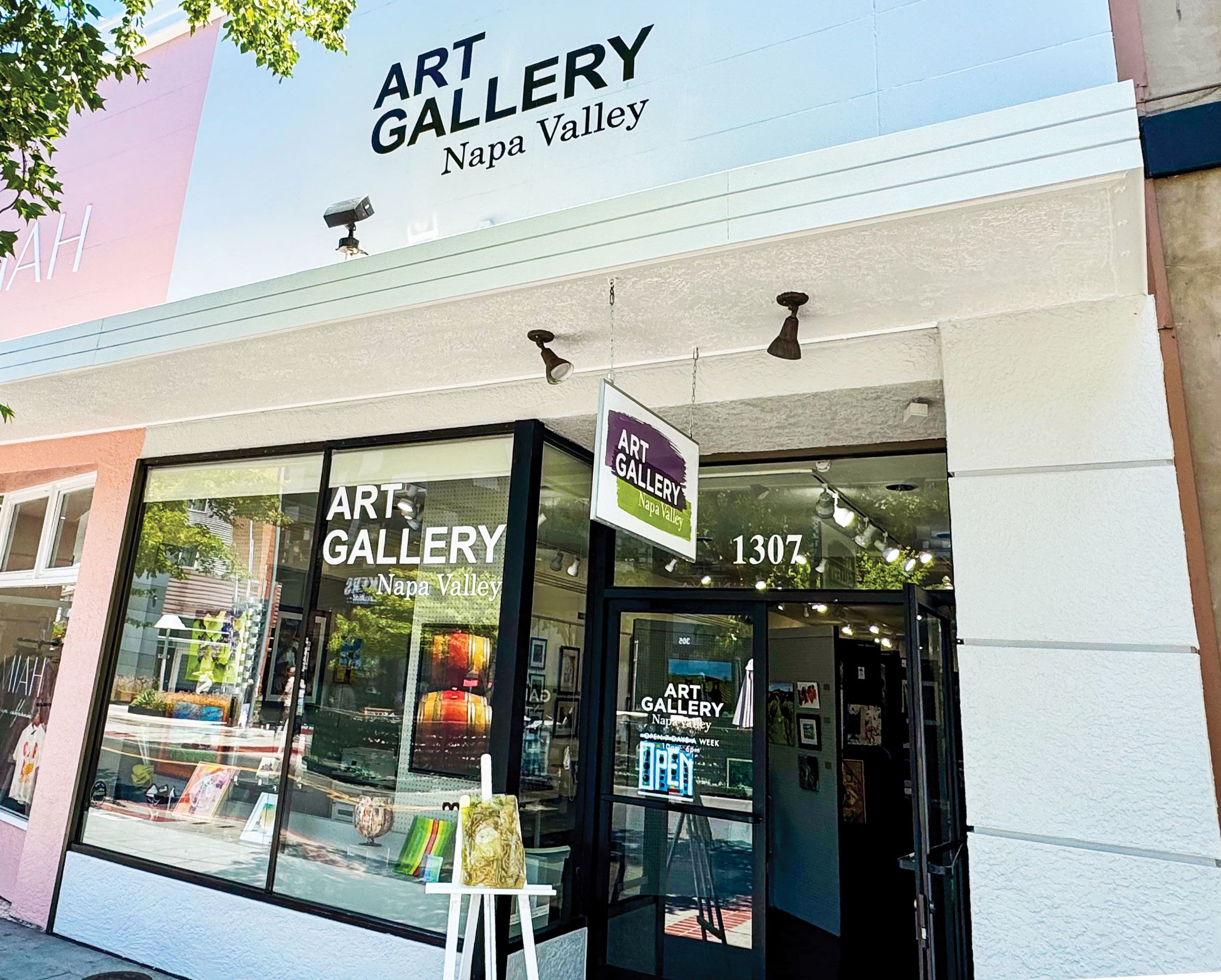
The city of Napa also hired an external public relations firm this year to help promote an evolving version of California Wine Country. It’s one where wine is still at the center but also rich with music, art, food, hiking and charming local businesses.
Tourism is vital to the city of Napa, with the transient occupancy tax accounting for 20% of the city’s general fund and paying for “so many of the services that make the quality of life good,” said Jennifer Owen, the program coordinator in the economic development division for the city.
At the city’s peak, it boasted 45 tasting rooms. But some are shutting down, Owen said. Seven tasting rooms closed in the first three quarters of 2025.
The ones that remain open are pivoting to “hybrid concepts” to promote experiences rather than just sips, Owen said, like JaM Cellars in Napa, which makes a “crushable” buttery chardonnay but has turned to live music as a way to attract visitors. The Gentleman Farmer, which is also in Napa and has made wine since 1999, offers a food experience to complement the drink. Wine and boutiques are pairing up, Owen said, so guests can sip and shop at the same time.
The impact of people drinking less, she added, “is real.”
“The writing’s on the wall. They’re trying to differentiate. They’re also trying to respond to a changing taste in the culture, which is shying away from alcohol consumption,” Owen said.
The change has been rapid, she said, with wineries becoming increasingly focused on diversifying their business, something she’s seen gaining traction in the past year.
But Owen sees a silver lining: As Napa’s identity expands from beyond just wine, local makers have an opportunity to step forward in creating the next version of the destination and the growing thirst for things to explore beyond wineries and vineyards.


Going with the flow
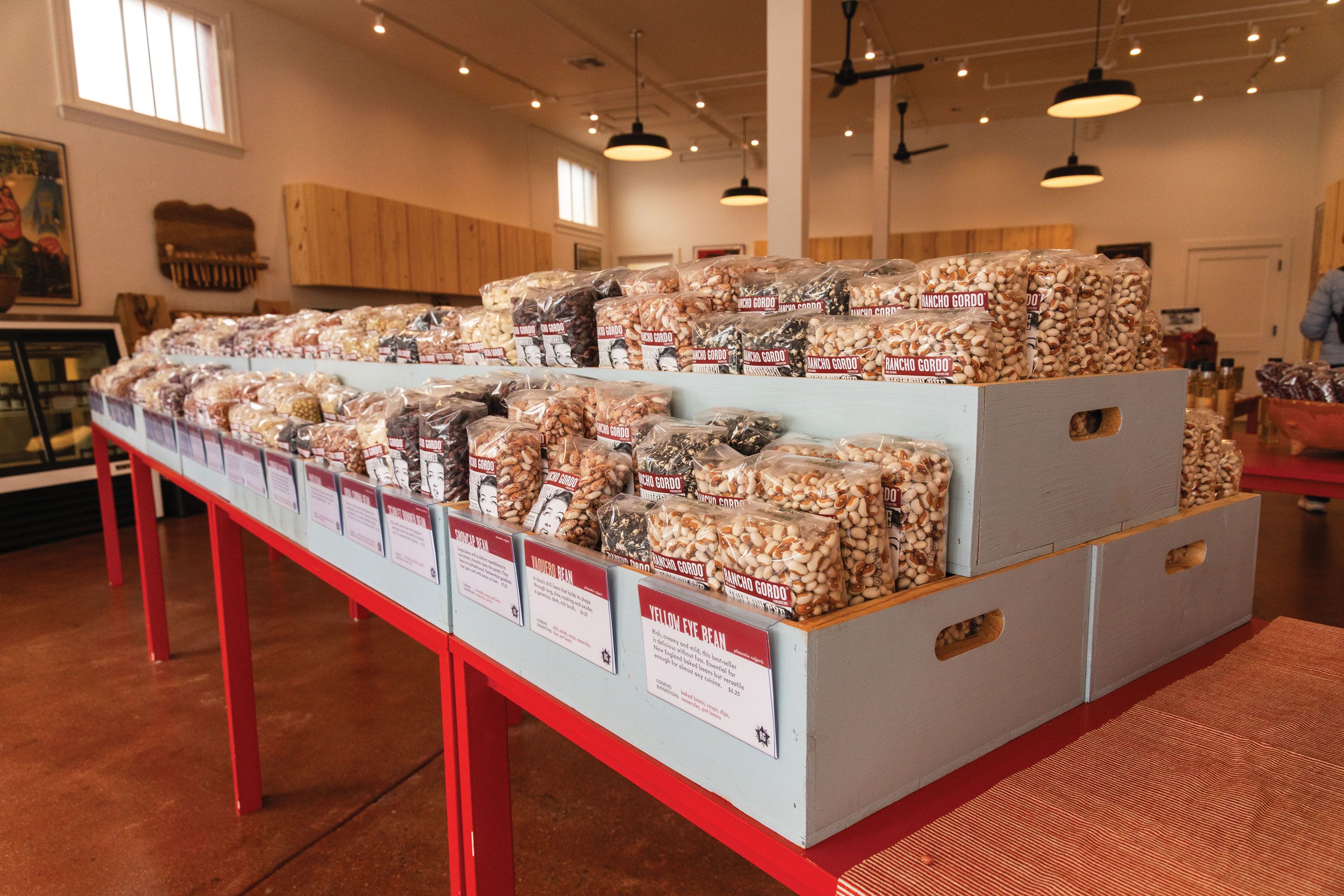
Take Steve Sando’s Rancho Gordo for example. His bean company has a cult following — and two-year waitlist to join its monthly club of 30,000 “bean freaks,” as Sando calls them.
He has lived in the area for 25 years and in February opened a storefront on Main Street, where he admits Rancho Gordo doesn’t really fit in with the traditional idea of Napa. Yet since opening the shop, the company’s sales have tripled, which he said is demonstrative of a new version of the region and what visitors want.
And perhaps there’s no clearer indication of a changing Napa than Derek Bromley, a sommelier and former winery chief marketing officer. He traded wine for coffee and launched his own roastery, Ohm.
There, he said, guests approach coffee with the same level of seriousness they would at a wine tasting: They swirl, they smell, they savor. (Bromley said his sommelier training has proven to be useful, pointing out that coffee is twice as complex as wine.)
He launched his business in 2016 and opened his own roastery two years ago.
“I think Napa has been evolving a bit with the idea of craft ‘other things to do,’” he said. “Coffee definitely falls into that.”
Florian Roeper, the founder and senior craftsman at woodworking shop Studio Roeper, moved his business from Oakland, Calif., to Napa five years ago. There, visitors can make their own charcuterie boards — the literal boards, not what’s served on them — in 90 minutes.
Roeper said his workshops provide an option for nondrinkers and drinkers alike. And he feels like he’s helping build a new version of Napa Valley through his craft.
Tradition of wellness
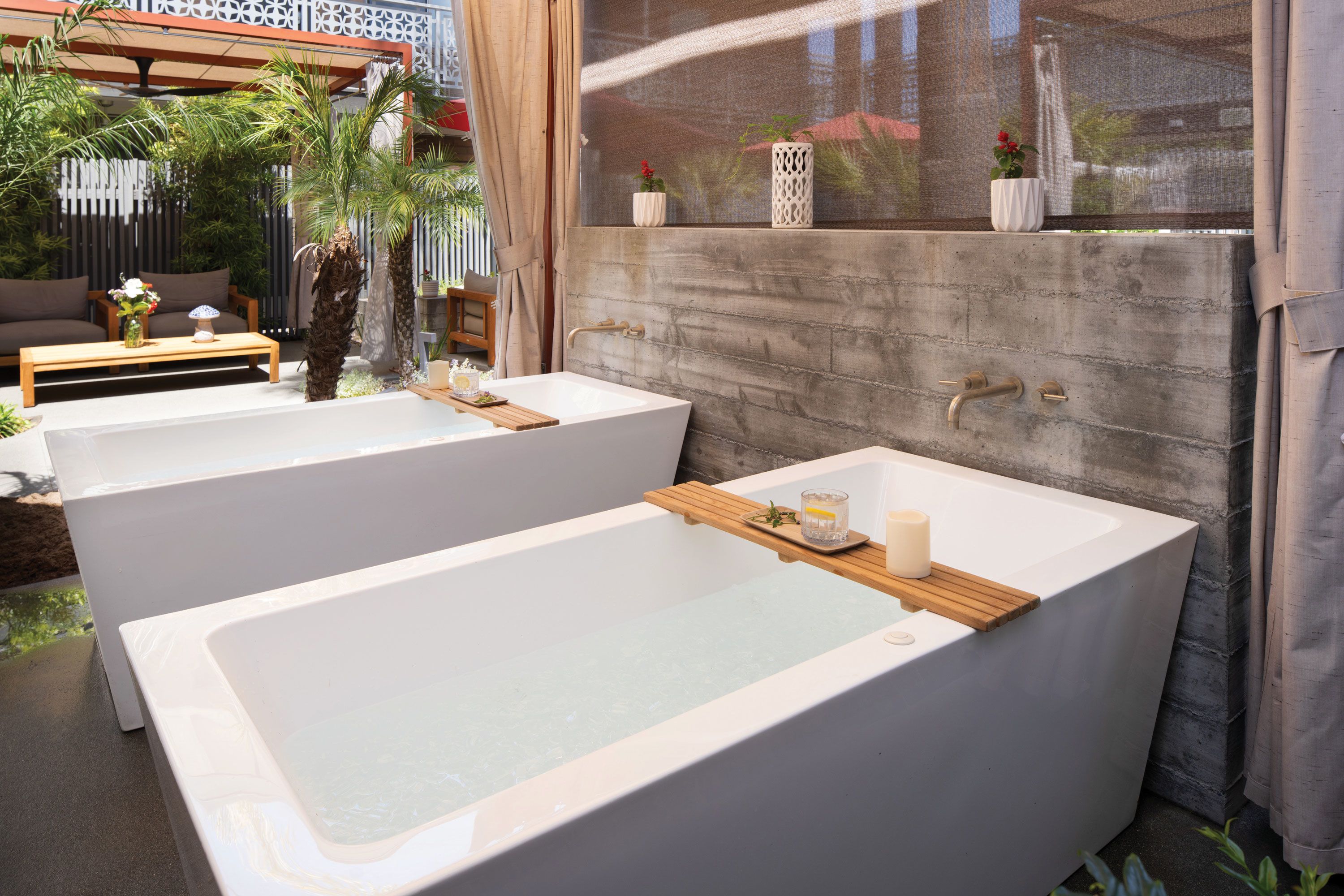
The shift also enables the region to focus on its roots in wellness. Calistoga, one of the five towns in Napa Valley, is famous for its hot springs and has been promoting wellness since the 19th century.
Though Dr. Wilkinson’s Backyard Resort & Mineral Springs in Calistoga is no stranger to promoting an identity outside of alcohol, general manager Jose Ortega said the resort’s own alcohol sales at its restaurant have declined while mocktails and other nonalcoholic drinks have seen a jump. People come there to detox, not necessarily imbibe.
“There’s only so much wine tasting you can do,” he said. “I think it’s important for the entire region because it adds a different page to the entire Napa area of things to do. Now you’ve got resorts, you’ve got great restaurants, you’ve got great spas, natural hot springs.”
Expanding Napa’s identity to go beyond wine is a good business model, Owen said. While wine tourism certainly isn’t going away, the way people interact with wine, and Wine Country, is changing.
Visit Napa Valley is well aware of the reality, prompting them to earmark 40% of their marketing spend to lure in the next generation of Napa travelers.
“They are discovering a multidimensional Napa Valley, whereas in the past we may have been perceived to be one-dimensional with wine,” Gallagher said.