
Peak summer fun
Off-season activities are nothing new at U.S. ski resorts. But with climate change threatening to shorten the winter sports season, many resorts are warming to the idea of expanding their offerings.


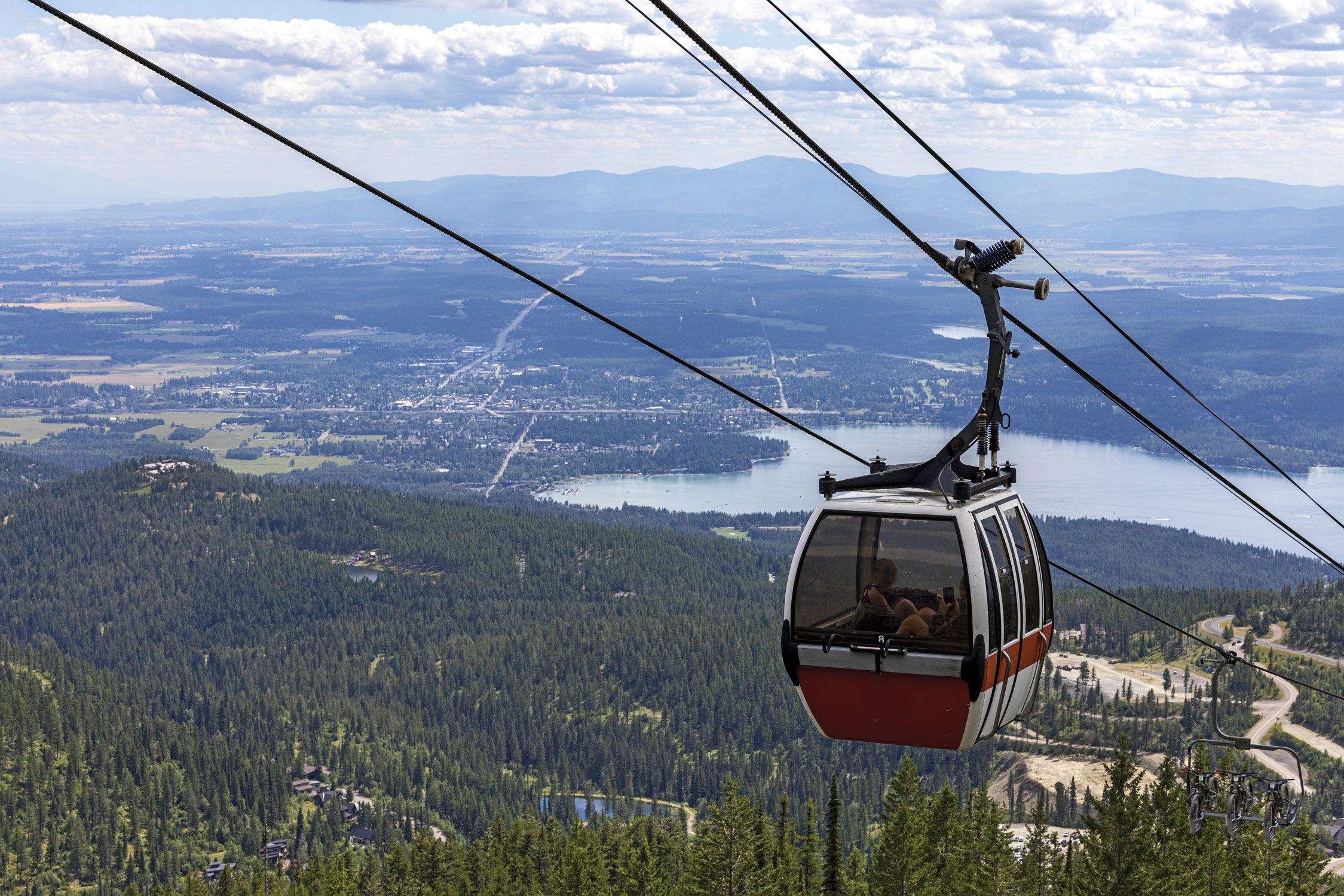
One afternoon this July, I boarded a gondola in Breckenridge, Colo., and took the 13-minute ride to the Peak 8 base area, where the Breckenridge Resort ski area centers its summer operations.
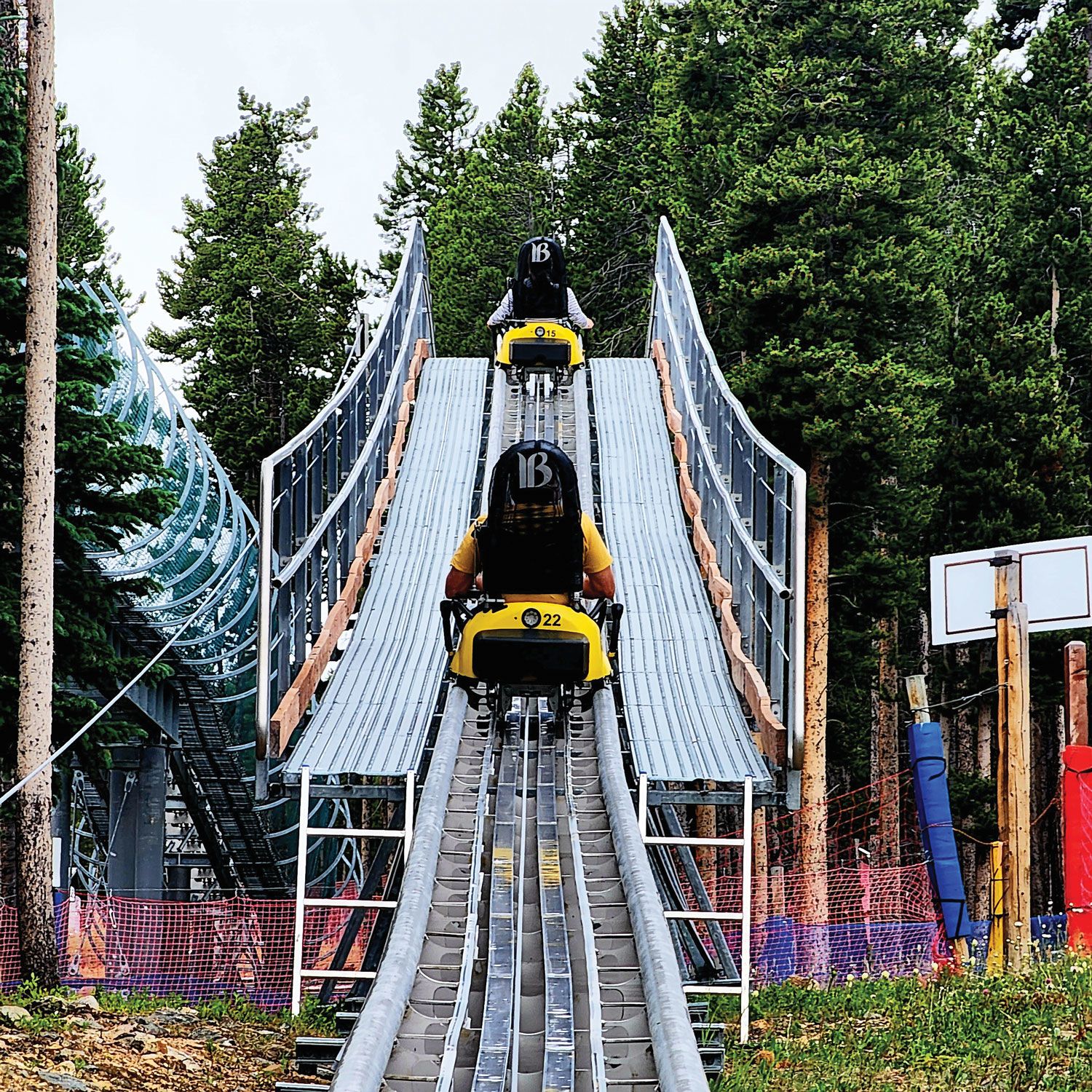
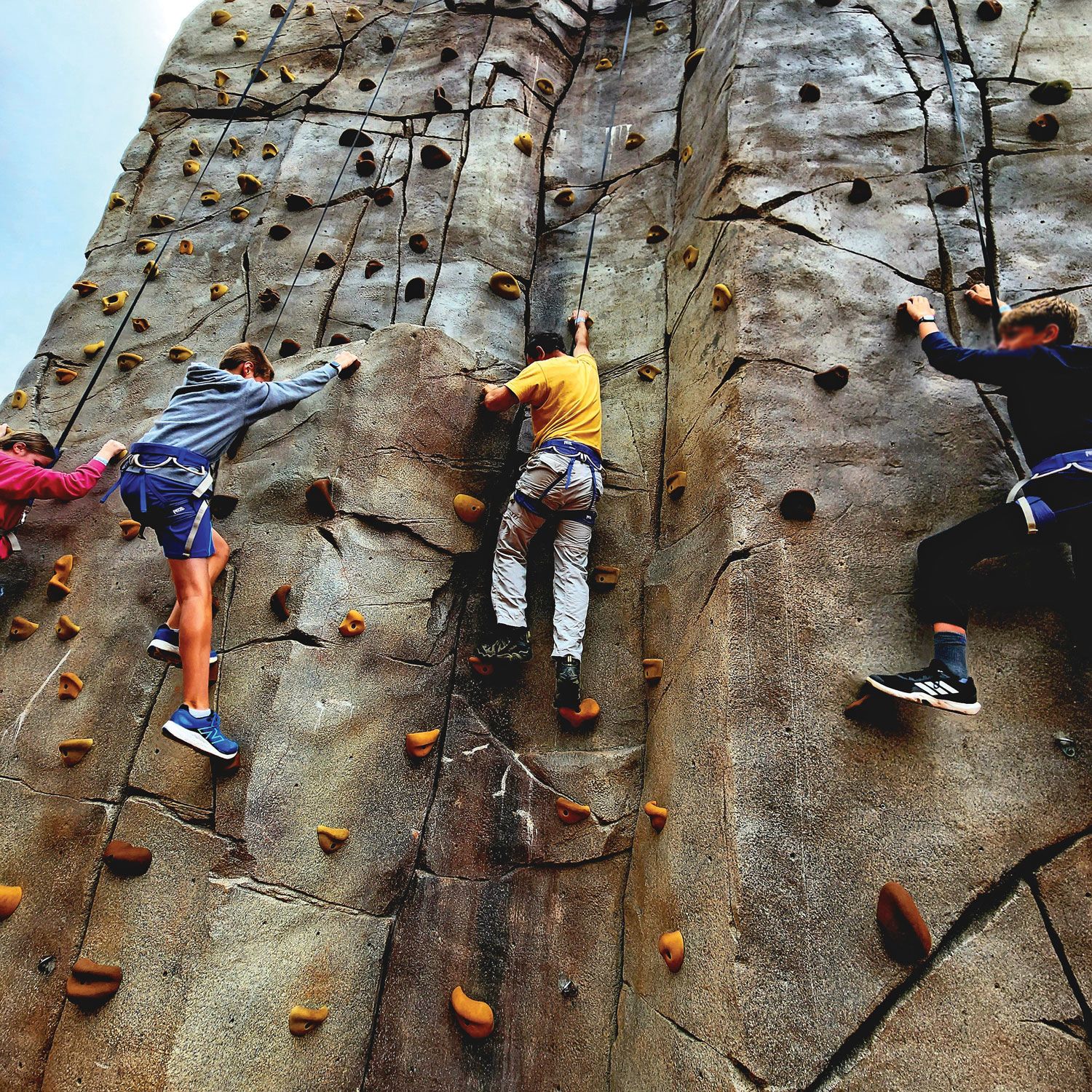
Over the next several hours I took three rides on the Gold Runner mountain coaster, zooming over the half-mile track as it snakes its way down the mountain with a series of sharp turns. I also rode on one of Breckenridge’s three alpine slide tracks — doing a poor job, I would add, of heeding the warning signs about staying in control on the slide. And I took the mountain’s Colorado SuperChair to a height of more than 11,000 feet, where I tackled a high-altitude climbing wall.
I ended my afternoon at the Epic Discovery summer adventure park just before 5 p.m., only because it was closing time. Otherwise, I surely would have sought to redeem myself on the slide or perhaps enjoyed a semi-competitive game of minigolf.
“Winter is our main game. But this is a great supplemental business that we run that promotes the town and the resort as a year-round destination,” Breckenridge Resort COO Jon Copeland told me the following morning in his Peak 8 base office. “It’s an important part of our offering. Not only for the resort but for the town.”
Summer operations are not a new thing at ski resorts. Nationally, 88% of ski areas are selling on-mountain attractions this year outside of their skiing and snowboarding season, according to the 2024/25 Kottke End of Season & Guest Experience Report, published in July by the National Ski Areas Association (NSAA). But such offerings continue to grow. In 2023, the most recent year for which the NSAA has this particular data set, the number of ski areas with summer operations jumped 4.8%.
And while summer accounted for only an average 11.4% of annual revenue in 2023-24 among the mountains that had a warm-weather operation, industry insiders said they’re key, especially as climate change threatens to shorten ski seasons while expanding what the mountain sports industry colloquially refers to as the “green season.”
“Winters aren’t getting any longer, and adding options for summer are vital,” said Dave Meeker, editor of Ski Area Management (SAM), a trade publication that has long championed the need for ski areas to diversify into year-round businesses.
Resorts seem to be onboard.
A survey of 62 ski areas in the U.S. and Canada conducted by the publication last fall found that 86% of respondents planned to add activities to their summer options this year or next.





A broad palette
The variety of attractions at ski areas during the summer is wider than in winter, even as operations are smaller. Waterparks, alpine slides, mountain coasters, ropes courses, ziplines, hiking, lift-served biking, climbing walls and disc golf are often among the options.
The SAM survey found that hiking trails were most common, offered by 76% of respondents. Scenic lift rides ranked second and were offered by 68%.
Though riding lifts and gondolas are a relatively ordinary experience for skiers and boarders, mountain destinations draw from a much wider assortment of tourists in summer than in winter, with a heavy collection of families. That makes the opportunity to sell lift rides off-season a natural for the resorts, which have invested heavily in that infrastructure.
Big Sky resort in Montana, for example, is investing tens of millions of dollars into a new gondola and connecting tram that will enable year-round, pedestrian access from the resort’s base to its most famous peak, 11,166-foot Lone Mountain, starting later this year.
“If only a small percentage of the overall population participate in snow sports, it follows that much of the population has not spent much time on a lift, and many may not have been to the top of a mountain,” Claire Humber, principal at the resort planning firm SE Group, said as part of SAM’s report on the survey. “A ride on a lift to the top of the mountain is often the simplest and most obvious experience a ski area can offer.”
Cross-country and lift-served mountain biking were the third and fourth most common responses in the survey, respectively, with each offered by more than 50% of those polled.
Some ski areas also promote more unusual activities. For example, Whitefish Mountain Resort in Montana encourages hikers to forage for huckleberries on its trails as they ripen during the middle and late summer. The ski area’s website offers helpful tips, including reminding patrons to bring bear spray.
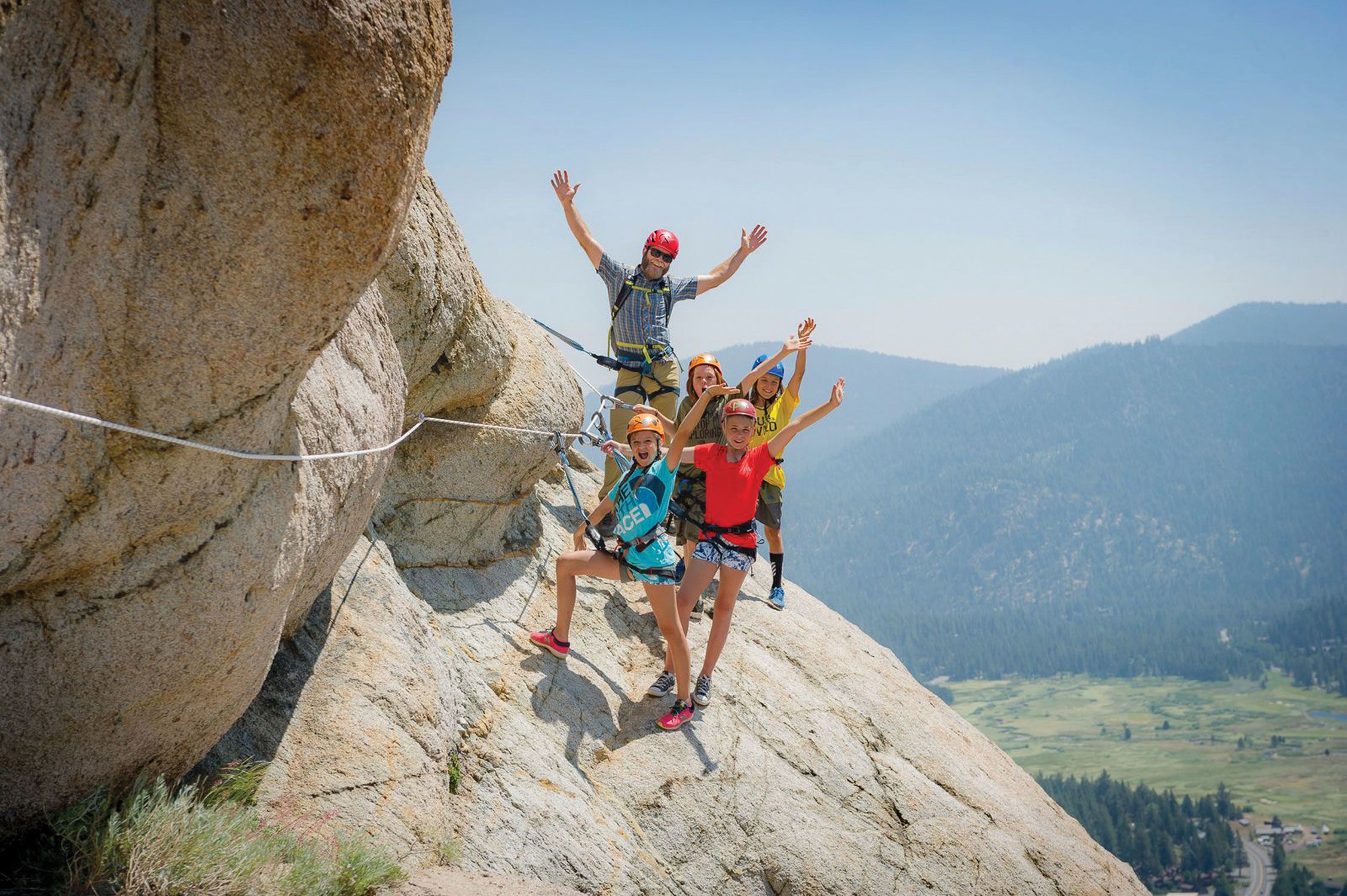
A few ski areas, including Palisades Tahoe in California, offer protected climbing routes, called via ferratas, in which cables, ladders and rungs are affixed to the rock to aid ascents.
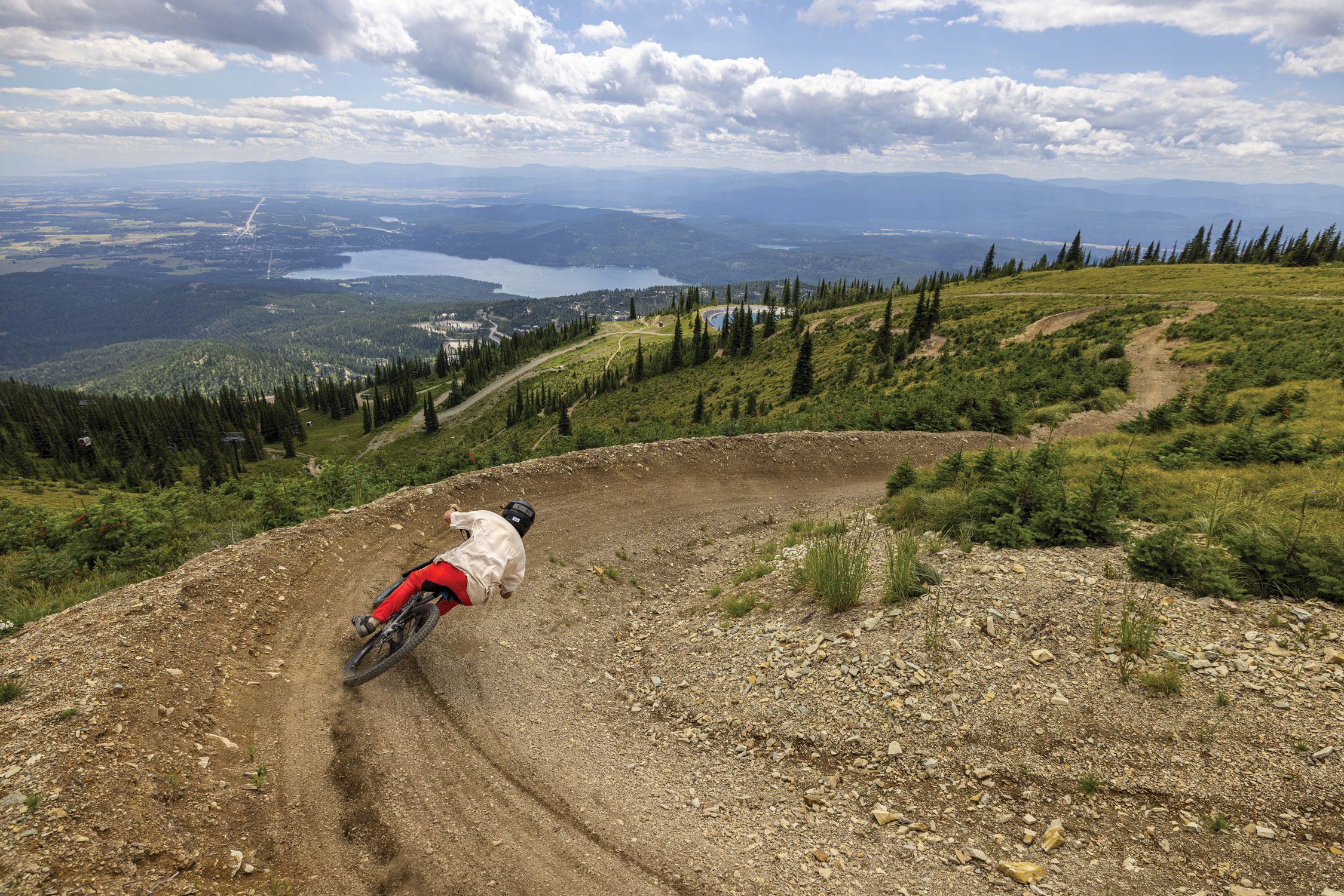
Whitefish is also one of many mountains with a lift-served, downhill biking trail network. Biking draws a customer base that is more targeted and prone to return than Whitefish’s other summer attractions, resort spokesman Chad Sokol said.
And while ski-area summer operations tend to draw more from the regional market than winter operations do, lift-serviced biking can be an exception, said SAM’s Meeker. For example, British Columbia’s Whistler Blackcomb, which has more than 120 biking trails served by five lifts, draws visitors from around the world, he said.
The opportunity to capture a repeating and loyal customer base is one reason that 18% of the publication’s survey respondents said they planned to add or expand lift-serving biking this summer or next, the highest number among all activities.
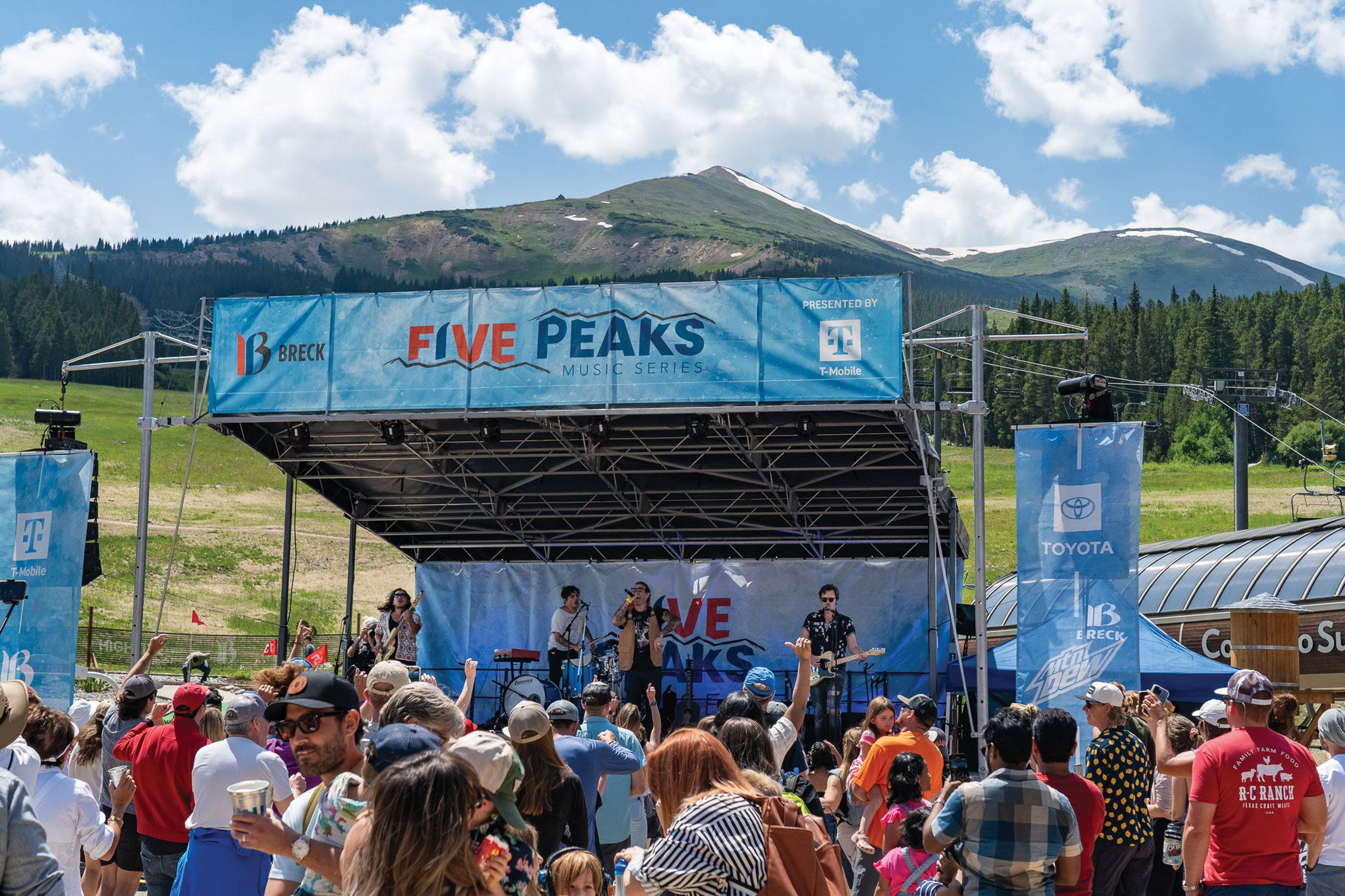
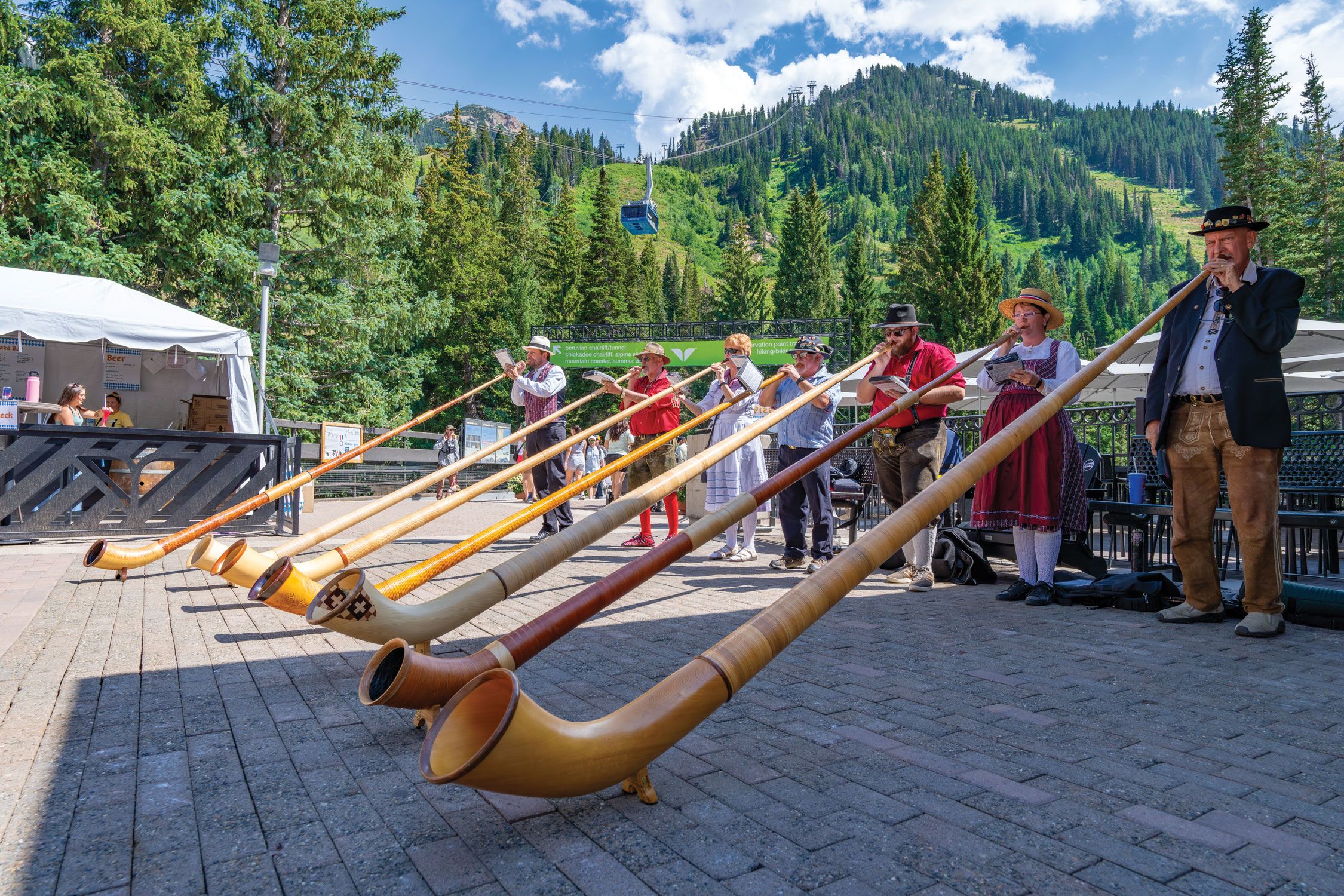
Events, such as weddings, concerts and festivals are also prevalent and growing at ski areas during the summer. Half the respondents to the SAM survey, for example, said they already have themed festivals, with an additional 21% of responding mountains planning to add them by next summer.
California’s Palisades Tahoe is one of many resorts that strategically markets events and festivals.
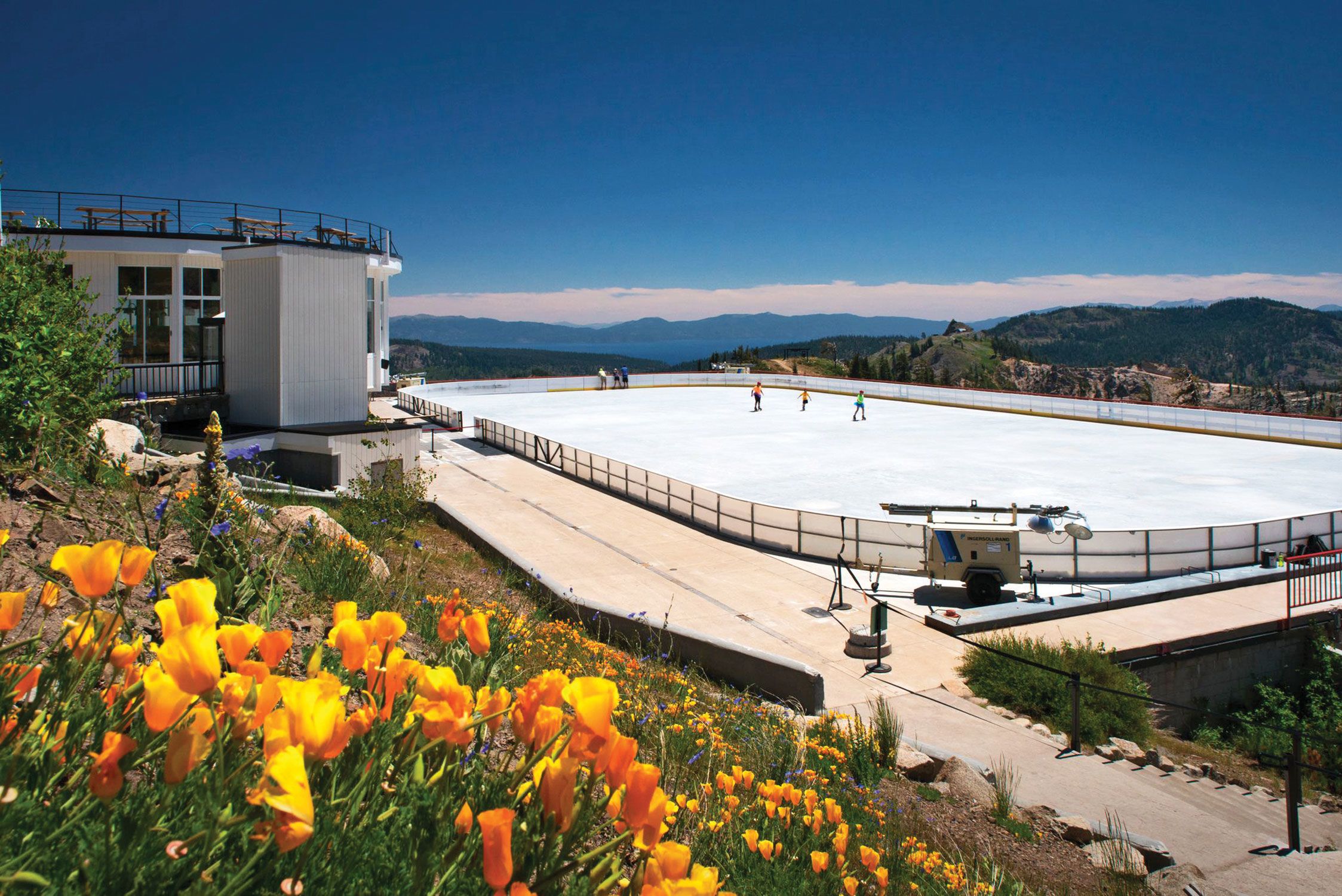
Lake Tahoe, of course, is a magnet for summer visitors. But the resort has to find ways to draw tourists from the lakeshore to Palisades Tahoe village. Events such as free weekly outdoor blues concerts and annual festivals for wine and music are ways to make that happen, said spokesman Patrick Lacey.
“We’re a ski resort at the end of the day. But we are really trying to position ourselves as a four-season resort,” he said.



A bifurcated market
In general, ski areas and the mountain towns in and near to where they operate have made substantial inroads through the years in reducing seasonality.
Data provided by Inntopia Business Intelligence, which tracks lodging in 17 U.S. mountain destinations across seven states, shows that since 2007, summer occupancy has been closing in on its winter counterpart: summer bookings reached 92.8% of winter bookings in 2024, up from 67.3% in 2007.

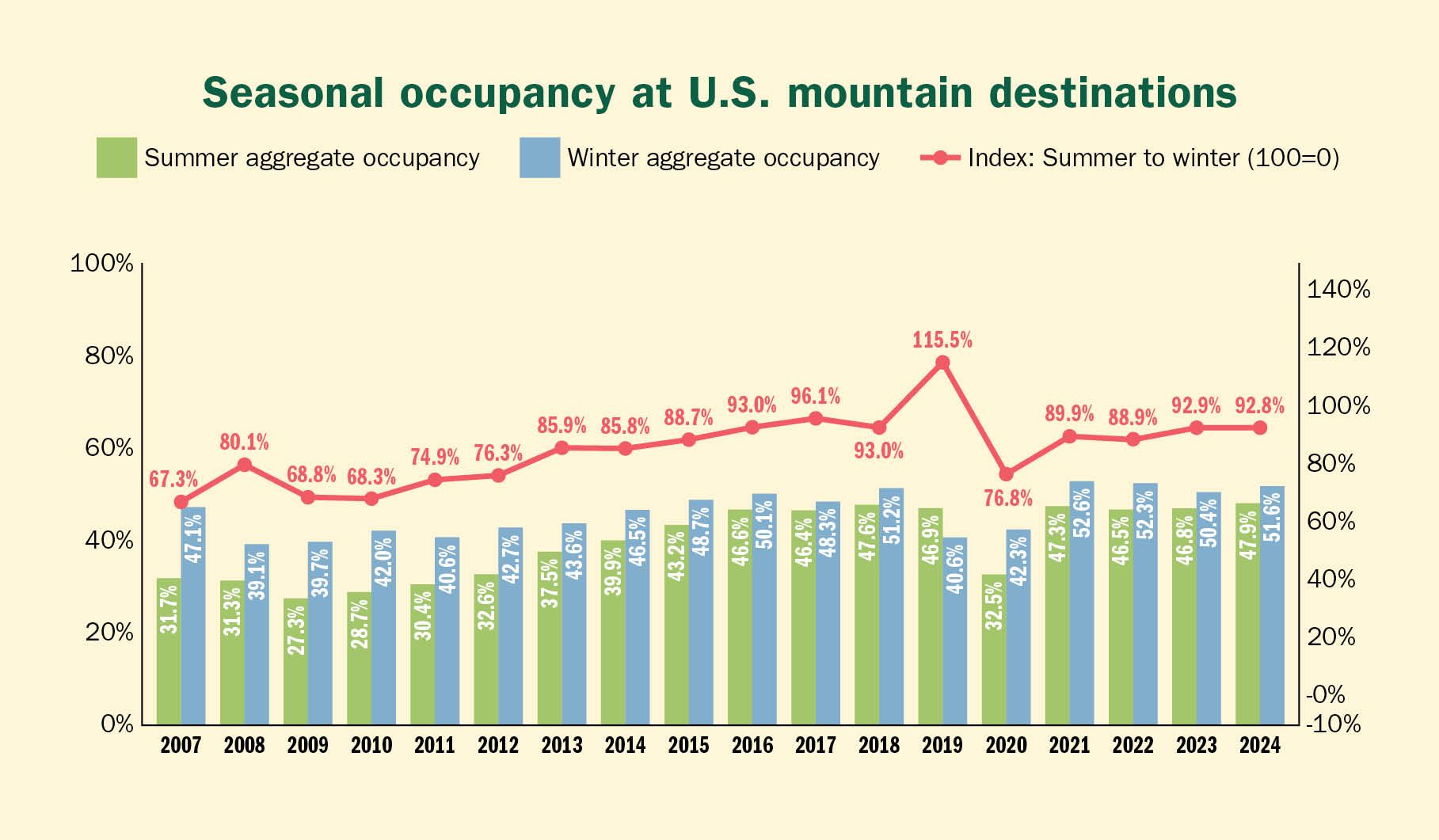
Source: Inntopia Business Intelligence
Source: Inntopia Business Intelligence
Daily lodging rates in the summer, though, are far more affordable than winter’s sky-high prices. Last winter, average daily rates were $603, while average rates in summer 2024 were $371, the data shows.
Tom Foley, Inntopia’s senior vice president of business intelligence, said that from a summer operations standpoint, it’s significant whether the ski area is part of a town or is a purpose-built resort. Those that are in towns, such as Breckenridge and Aspen in Colorado, have a much larger ready pool of visitors to draw from and can also attract the locals.
Stand-alone ski areas, such as Snowbird and Alta in Utah or Copper Mountain in Colorado, have a more difficult job attracting guests in the summer.
“A lot of those communities don’t necessarily have a resident base. And they don’t exactly have a vibrant main street that people can go to,” Foley said.
Both Foley and Meeker cited Snowbird as a place that has done excellent things with its off-season operations. The resort’s Oktoberfest, which takes place on weekends from early August to early October, is one of the most popular festivals in Utah, with more than 60,000 annual visitors, according to Visit Utah. And Snowbird’s robust slate of on-mountain summer offerings includes an unusual attraction that is part rock-climbing wall, part backwards free fall.
But whether a ski area is part and parcel of a town or stands largely on its own, summer operations are a core business element, industry stakeholders say.
“We have tens of millions of dollars of infrastructure sitting around here, and our maintenance and upkeep costs don’t go away in the summer,” Whitefish’s Sokol said. “So it makes sense as a business decision to take advantage of that.”
And according to the NSAA, beyond the added revenue, “summer operations help build guest loyalty, retain talented staff and strengthen a resort’s connection to its community.”
They also serve as marketing vehicles, drawing in new customers who return for winter, the ski areas have found.
“A lot of people will come during the summer months to Lake Tahoe, and they’ll discover our resort through online research,” Palisades Tahoe’s Lacey said. “These are people from outside of the region. And they find out that the 1960 Olympics were held here. A lot of that does transfer from summer to winter.”
Enjoying the ‘power of summer’ at Hotel Alpenrock
Meredith Ash, general manager of Hotel Alpenrock in Breckenridge, Colo., sat in the property’s lobby on a Friday morning in July, decked out in a cowboy hat and casual mountain wear, readying for a sold-out weekend.
Though Alpenrock, a rebranded 205-room property that opened last November as part of the Hilton Curio Collection after extensive renovations, sits directly across the street from Breckenridge Resort’s Quicksilver chair lift, it wasn’t skiing that would draw the crowds on this weekend. Instead, it was a beer festival, coupled with the undeniable summer charm of this one-time mining town that was established in 1859.

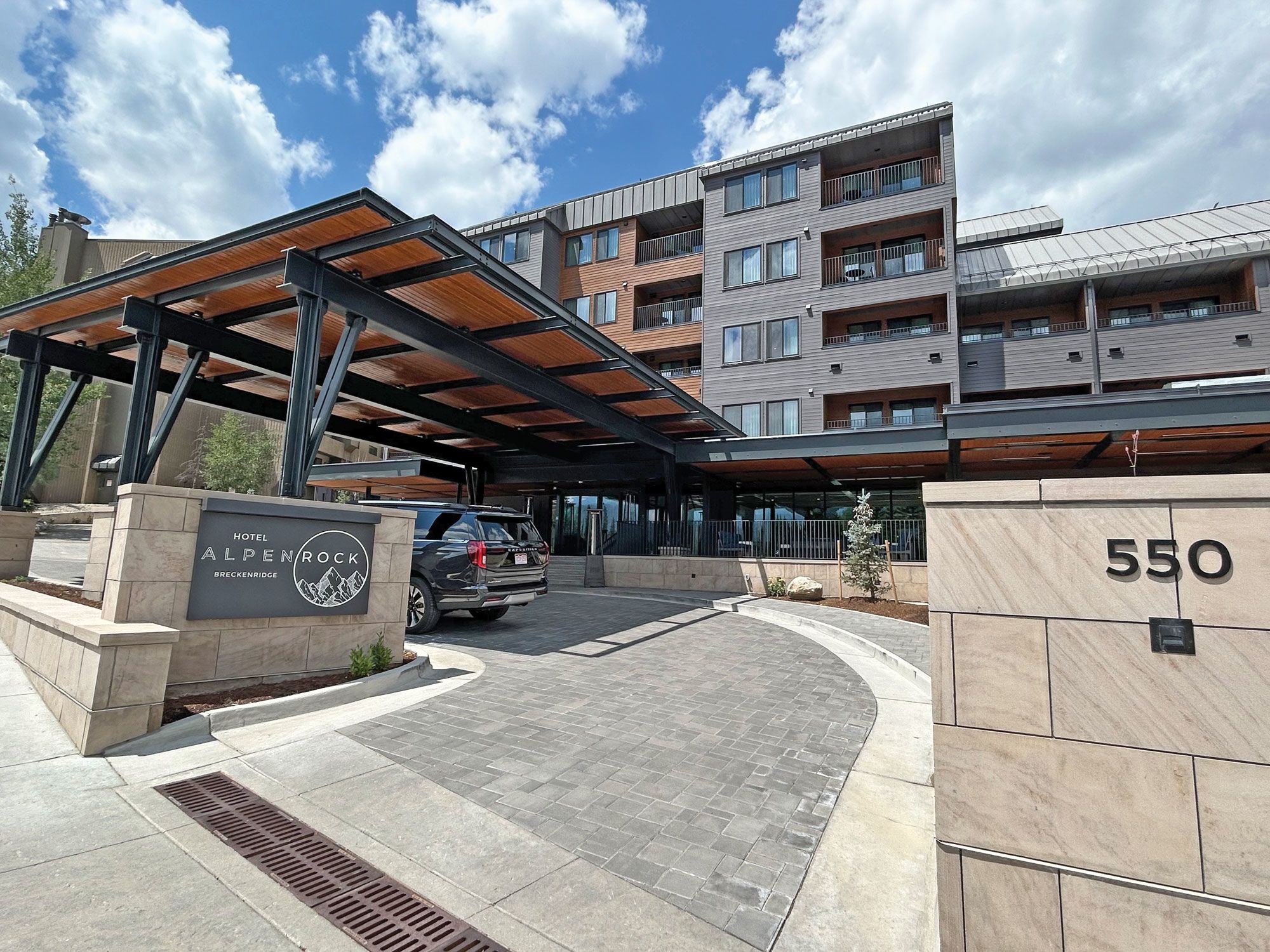
Hotel Alpenrock, which opened in Breckenridge, Colo., in November. (Photo by Robert Silk)
Hotel Alpenrock, which opened in Breckenridge, Colo., in November. (Photo by Robert Silk)
“I think you can’t underestimate the power of summer,” Ash told me.
I was in the closing hours of a two-day hosted visit to Alpenrock, during which I spent a memorable evening dining on short ribs and a delicious blackberry and goat cheese salad at Edwin, the hotel’s contemporary bistro that puts an emphasis on mountain-based ingredients.
After the meal, I’d moved on to Canary, Alpenrock’s stylish and moody speakeasy — guests access it via an unmarked door in a location they’ll have to inquire about in order to find. Only the specter of an early wake-up call the next day pulled me away from there.
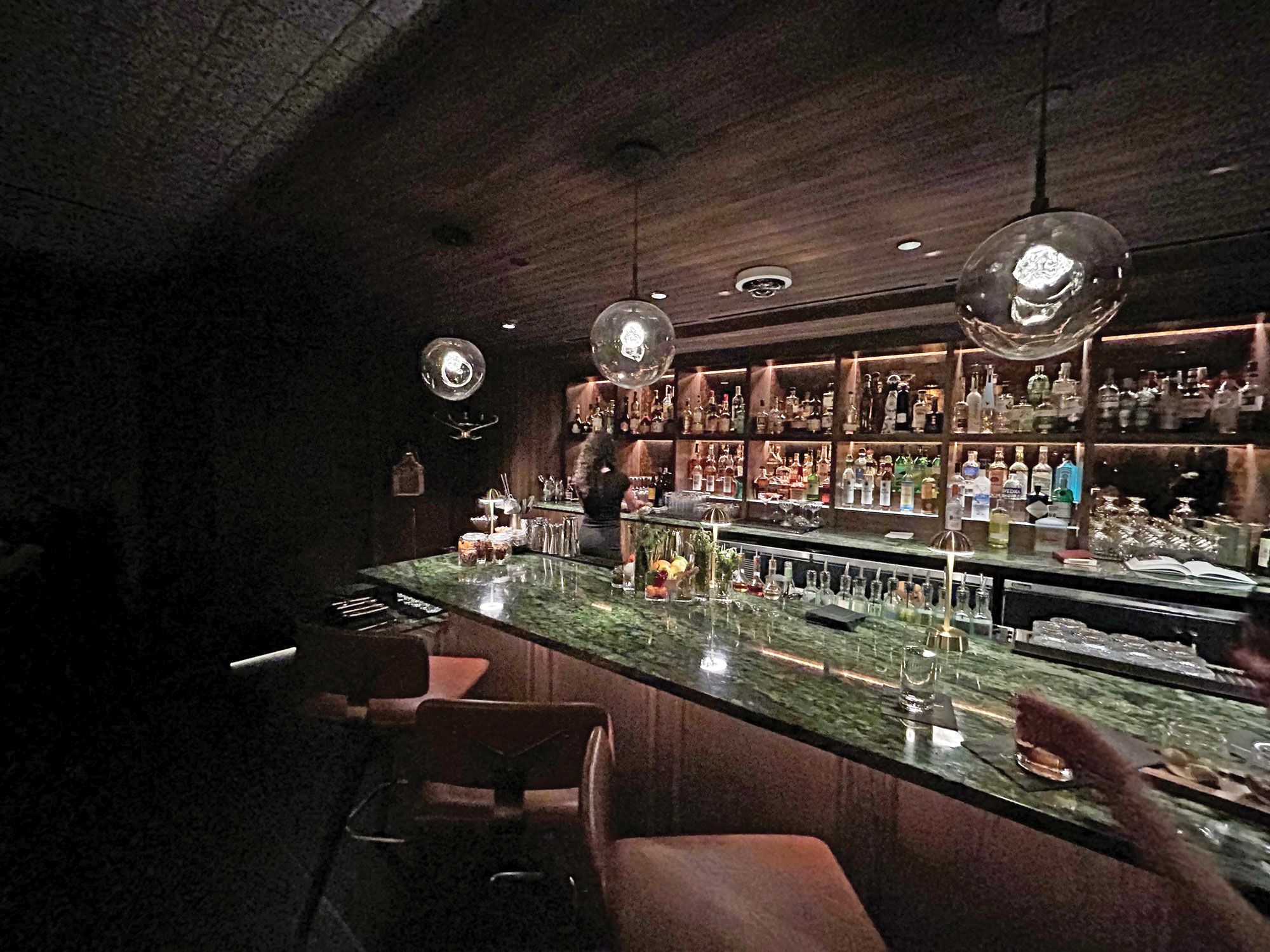
Canary is the property’s stylish speakeasy, hidden behind an unmarked door in an undisclosed location. (Photo by Robert Silk)
Canary is the property’s stylish speakeasy, hidden behind an unmarked door in an undisclosed location. (Photo by Robert Silk)
Alpenrock, said Ash, is aiming to fill in the relative gap in the Breckenridge upscale hotel market. The design, she said, is meant to evoke its mountain location. Blues and browns prevail. The front desks are designed to look like alpine boulders, while the light fixtures above the check-in area resemble gondola cabins.
A veteran of the Colorado ski country hospitality industry — her last stop was the Four Seasons in Vail — Ash said the summer mountain tourism market has definitely matured over the past decade.
That reality, she added, is already reflected in Alpenrock’s numbers.
The period between the winter holidays and the end of March is when the hotel expects to make its most revenue, but summer falls not far behind.
Comfortable weather, stunning scenery, shopping, museums and a wide range of outdoor recreation opportunities are just some of the draws that the traveling public has increasingly caught onto.
“The great thing about a town like Breckenridge is, you can come up here with your multigenerational family and there’s something to do for everyone,” Ash said.
—R.S.