
HOSPITALITY



HOSPITALITY
Perhaps primary among the hospitality industry’s challenges in 2021 were staffing issues. Hotels that saw rising demand this year could not always accommodate the number of guests they had space to accommodate because employees in service positions — housekeepers, waiters, doormen, cooks and bellmen — were not willing to return to work in sufficient numbers.
As a result, some properties announced cutbacks in housekeeping. Hilton was the first out of the gate in that regard, saying that housekeeping would only occur once every four days, except with its luxury brands.
And those that have solved staffing issues found that business travelers, as well as their meetings and convention guests, have been slow to return.
Hotels in some cases doubled down on their leisure business. A lot of activity has centered on the all-inclusive sector.
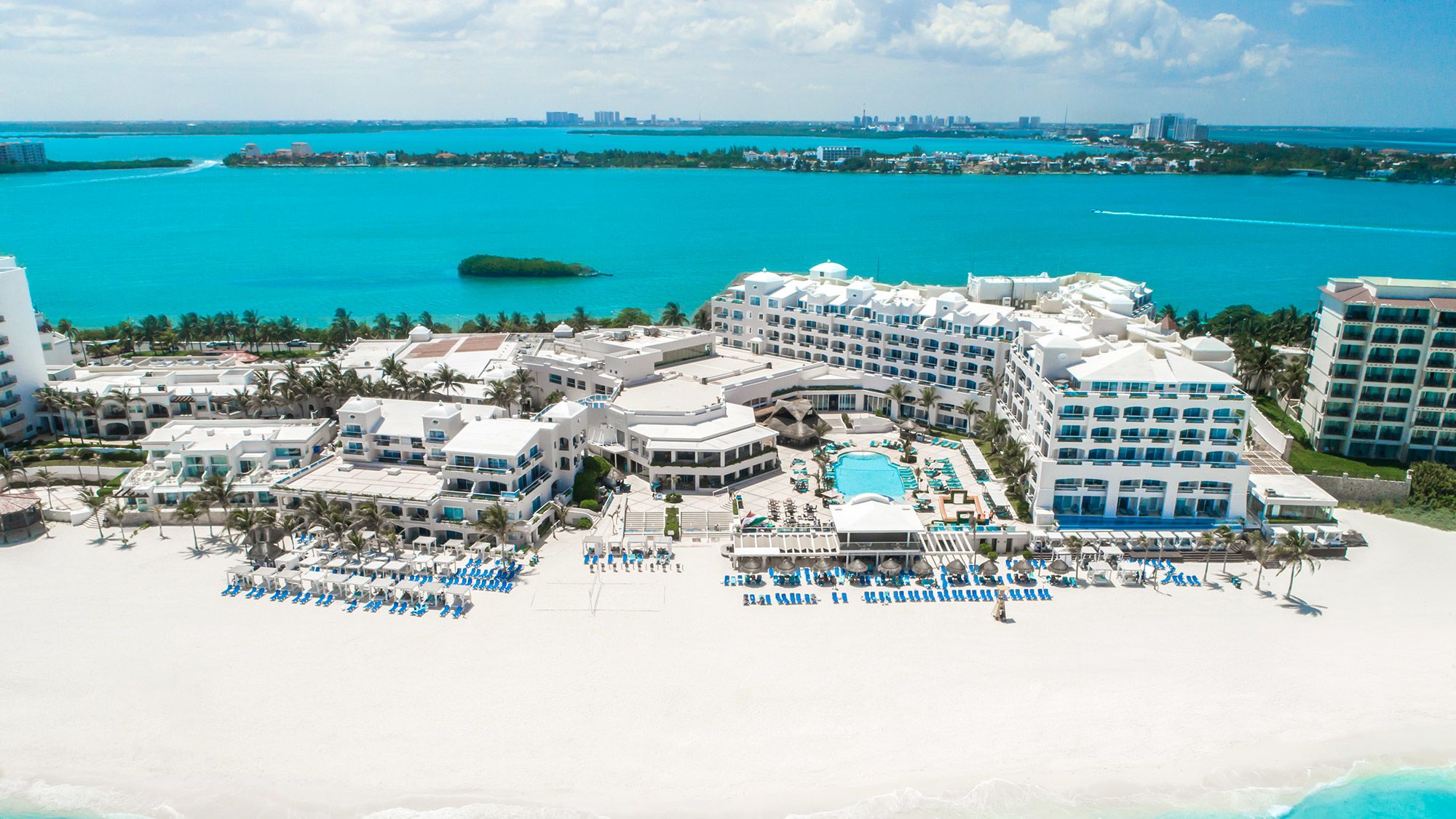
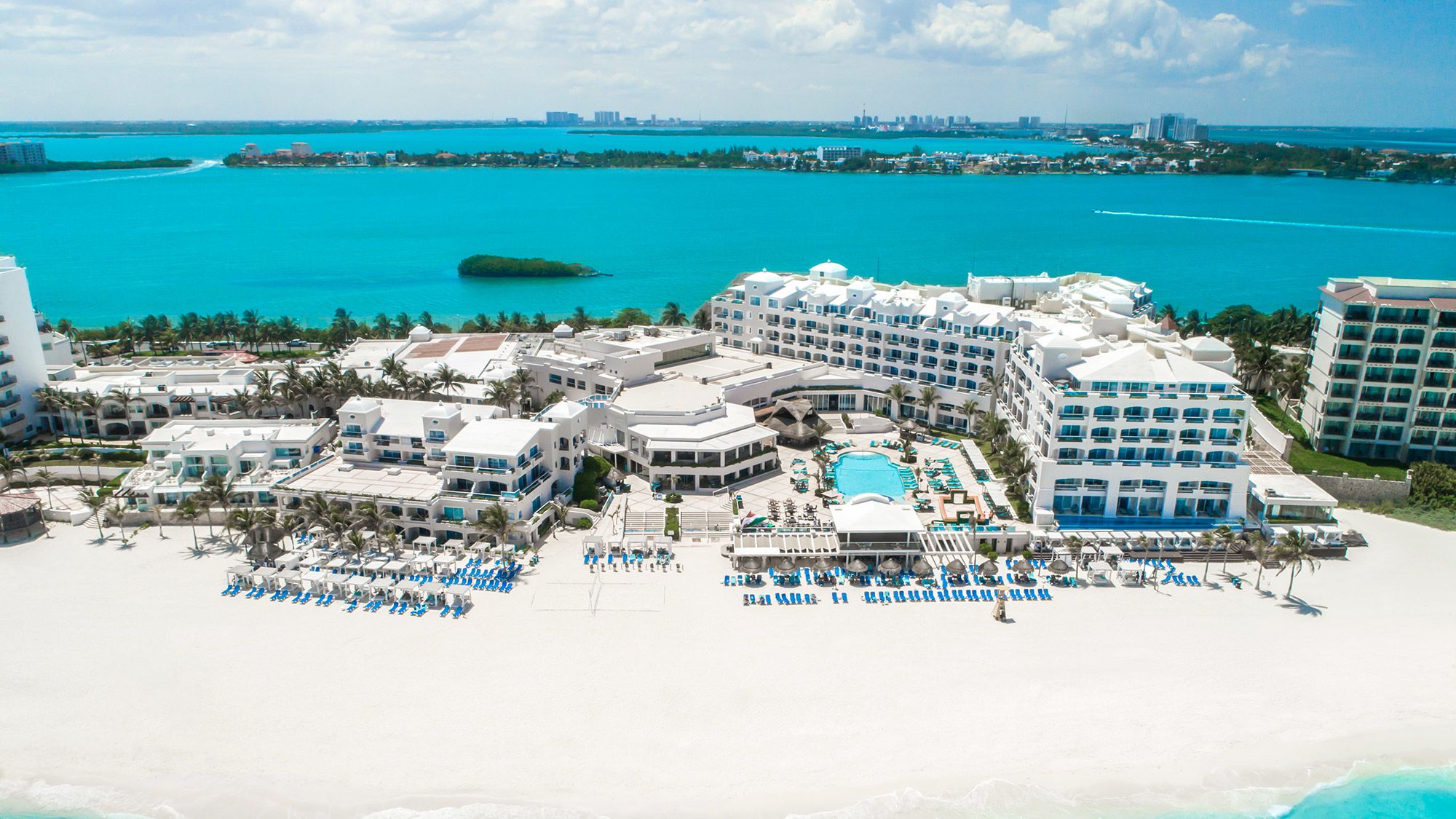
Wyndham was the latest entrant to the space, introducing Alltra, in partnership with Playa Hotels and Resorts, in October. Hilton added three more all-inclusives to its Mexico portfolio this year, and Marriott added one in Riviera Nayarit under its Delta brand.
But the most significant move in the sector was Hyatt’s August acquisition of Apple Leisure Group and its collection of 100 all-inclusives held in its AMResorts division.
Las Vegas, and MGM Resorts International in particular, dominated the other M&A news, with MGM announcing it will operate the Cosmopolitan and divest the Mirage, which it sold to Vici Properties.
Operations of the Mirage were bought earlier this month by Hard Rock International, which plans to rebrand the property and build a guitar-shaped hotel tower.
Hotels in general fared well relative to other products that travel advisors sell. Their share as a portion of agency revenue climbed 22% from 2020 to 2021.
As the year came to an end, there was movement on an issue that guests have grumbled about for more than a decade: Resort fees and the practice known as drip pricing, in which consumers aren’t shown the full cost of fees and add-ons until well into the booking process (or even at checkout). A crack appeared in the united front hospitality companies have maintained in resisting modifying these practices: Marriott International settled a suit brought by Pennsylvania’s attorney general by agreeing to reveal resort fees in the advertised room rate. Marriott, Hilton and MGM Resorts International all face additional legal action associated with resort fees and drip pricing.
Finally, in tandem with the rise in pet ownership during the pandemic, hospitality companies have become more pet friendly, waiving pet accommodation fees and including services like dog walking, pet sitting and chew-toy amenities. The Encore at Wynn even has a “bone appetit” menu.


 Built with Shorthand