
Focus on Ski & Mountain Travel
Higher learning
Ski resorts have pushed their learning areas to higher elevations, enabling novice skiers and snowboarders to get more out of the beginner experience and boosting repeat visits.



BEAVER CREEK, Colo. — On a Friday afternoon in mid-March, Washington resident Jojo Cailin and Miami resident Katie Yellin sat inside a lodge at the base of Beaver Creek ski area here, reflecting on a day of lessons.
“I felt like I was dancing. I didn’t feel like I was muscling like I used to,” said an excited Cailin. “Skiing finally feels effortless.”

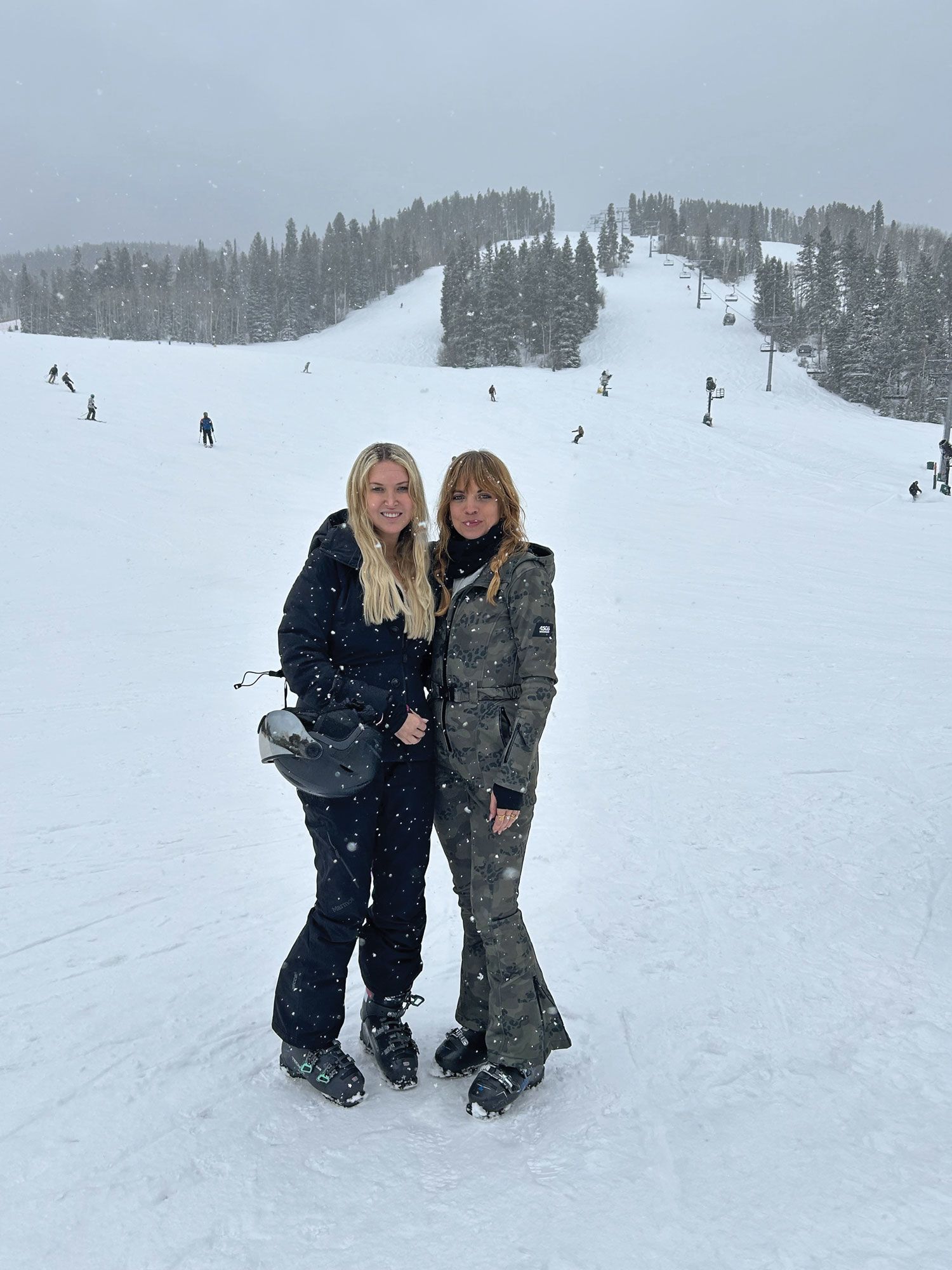
Jojo Cailin and Katie Yellin after a rewarding day of lessons at Colorado’s Beaver Creek. (Photo by Robert Silk)
Jojo Cailin and Katie Yellin after a rewarding day of lessons at Colorado’s Beaver Creek. (Photo by Robert Silk)
The two women had begun their lesson with a refresher in Beaver Creek’s Haymeadow Park learning area, which sits at the top of the short Haymeadow Express gondola, approximately 335 feet above the base. Then they had moved up to the larger Red Buffalo Park learning area, which descends from the ski area’s summit, offering 200 acres of beginner and easy intermediate runs.
“The last time I took a lesson was in the Poconos, and their learning center was only at the bottom and it doesn’t feel like real skiing. It was such an extreme difference,” Cailin said. “Even if you’re a beginner, you still want to see the views up there. So, I think it’s amazing that here you get the full, comprehensive experience while still being in a contained area for your ability range.”
Beaver Creek is among the growing number of U.S. ski areas that are moving learning centers up-mountain, away from the crowded and generally heavily developed confines of the base area.
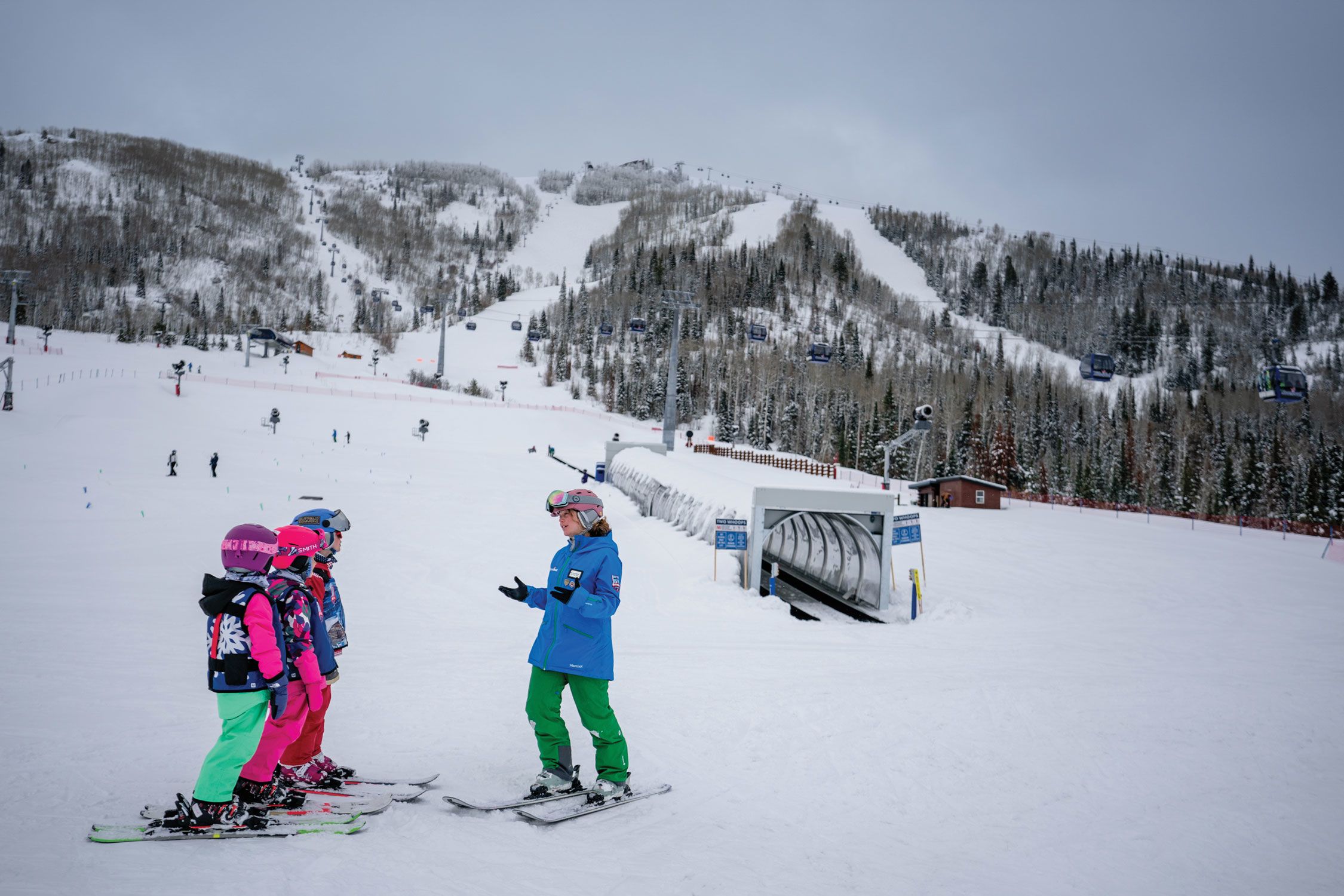
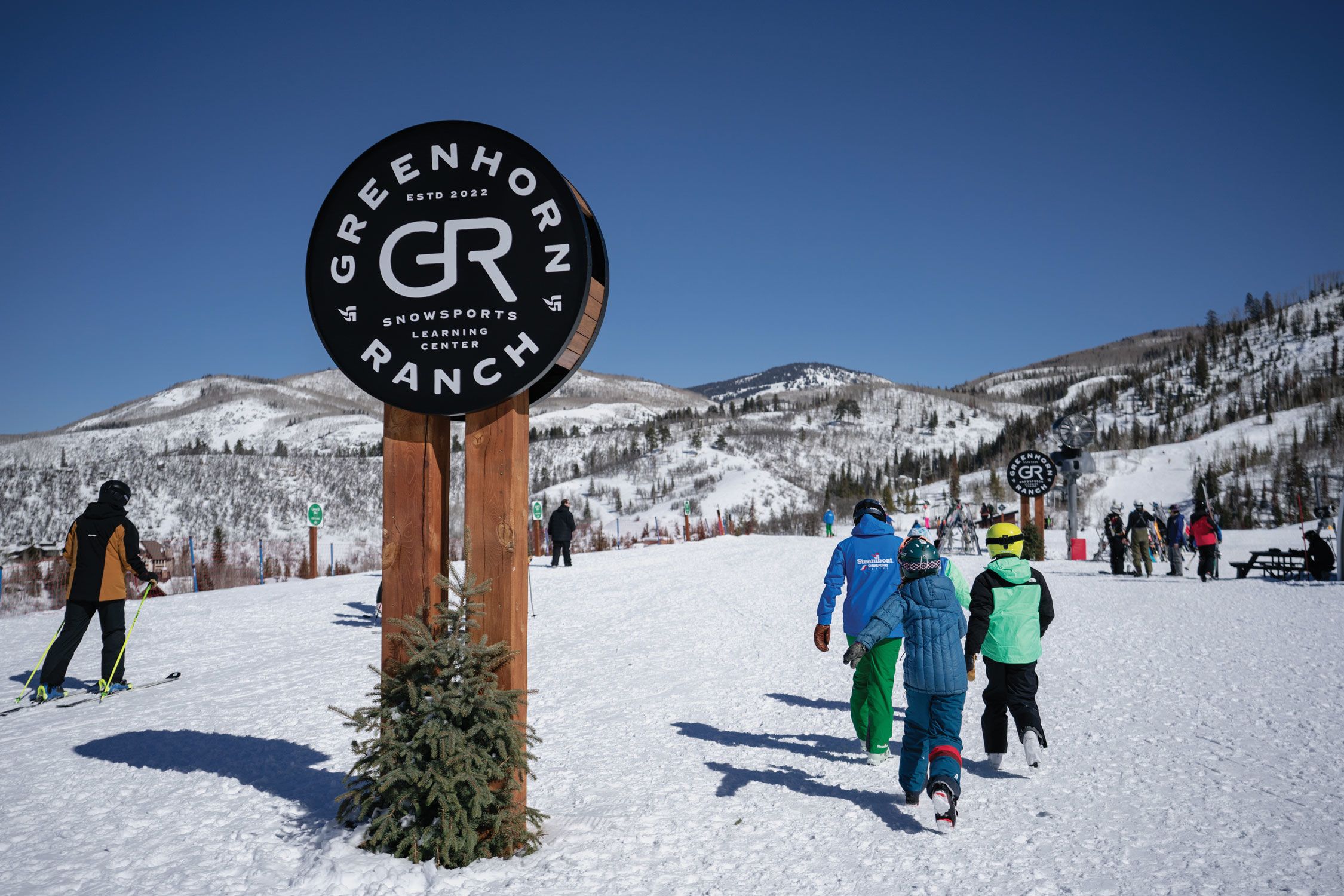
Colorado’s Steamboat Resort opened its 25-acre Greenhorn Ranch learning center 680 feet above the mountain base in 2022. The resort even designed its new Wild Blue Gondola, the longest in North America, with Greenhorn as an emphasis. The gondola stops first at the learning area before making a rightward turn and heading to a section of mountain top that accesses a network of green and moderate blue slopes.
Other large ski areas that have built midmountain learning centers over the past decade include Wyoming’s Jackson Hole and Utah’s Park City Mountain. They joined longstanding high-altitude learning centers at resorts such as Vail Mountain and Keystone. Similar improvements are in the works at Montana’s Big Sky and are in the longer-term master plans for Colorado’s Winter Park and Breckenridge.
Even smaller ski areas are getting in on the act. This year, Belleayre Mountain in New York’s Catskills added a beginner-lessons area to the mountaintop that is accessible from its gondola.
“The location of the new learning area will also enable Belleayre to have first-timer terrain available for virtually the entire ski and ride season, instead of waiting for cold snowmaking temperatures on the lowest, warmest part of the mountain in the early season and then melting out first in the spring,” Belleayre’s website says.
Stuart Winchester, author and host of the Storm Skiing Journal and Podcast, which takes deep dives into the industry, said the move toward on-mountain learning areas has been one of skiing’s best experiential innovations over the past two decades.
“It’s definitely a trend and a positive one,” he said. “The ski areas are doing a good job of acknowledging that skiing is very intimidating and hard; and if we are to attract more skiers, we need to give them an experience that they want to come back to, and part of that is midmountain beginner experiences.”



Immersive introduction to snow sports
Uniformly, resorts that do their entry-level teaching up-mountain say it provides a more immersive and less crowded launch into skiing and snowboarding than lessons at the base, while also immediately providing students with one of the greatest attractions of both sports: the sensation of being high up in rugged mountains.
“Even if it’s your first time, it gives you that full mountain experience,” said Emily McDonald, a spokeswoman at Park City Mountain. “And it really speaks to our emphasis on being inclusive and welcoming. We want to have people experience the crisp mountain air and that experience of being away from everything.”
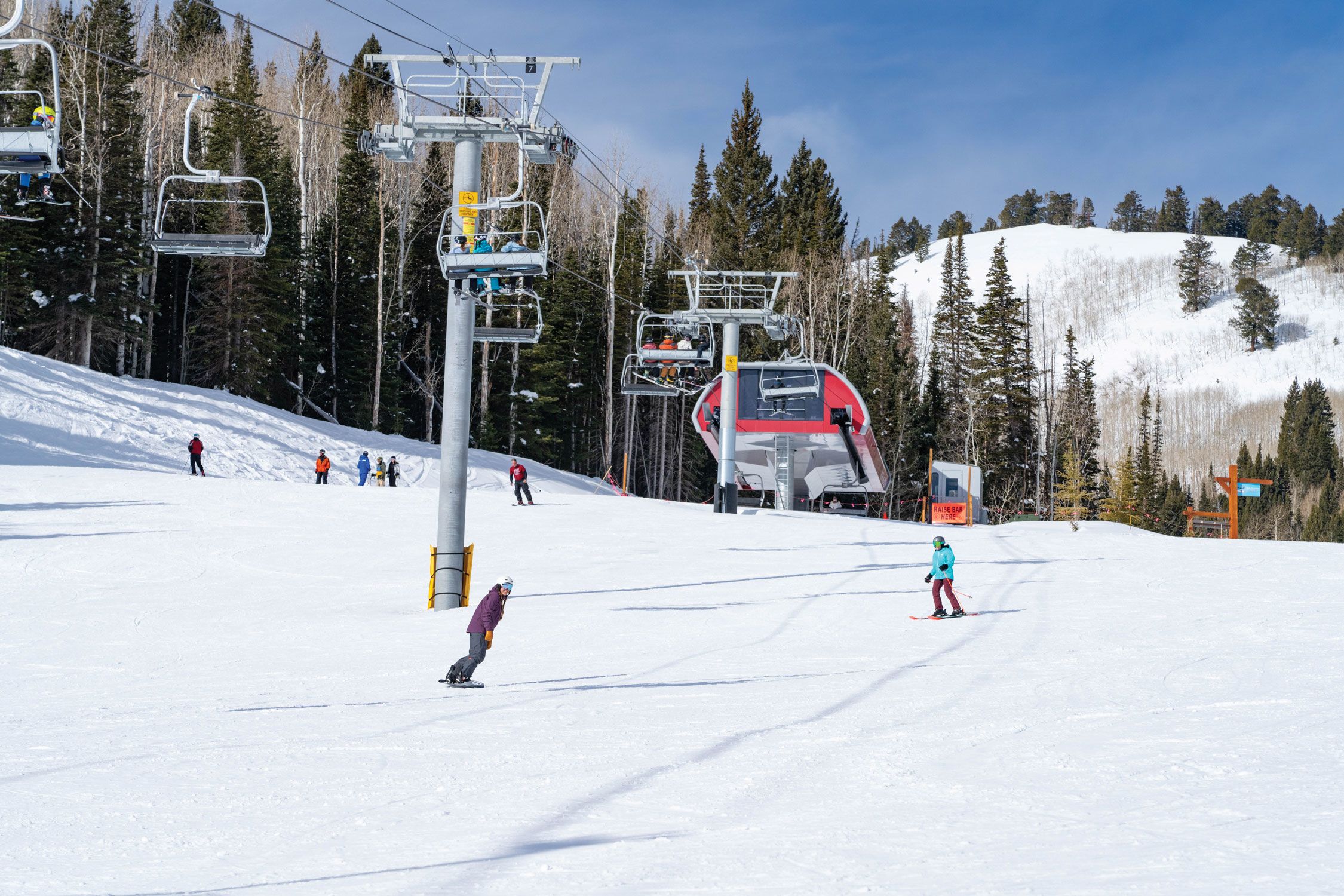
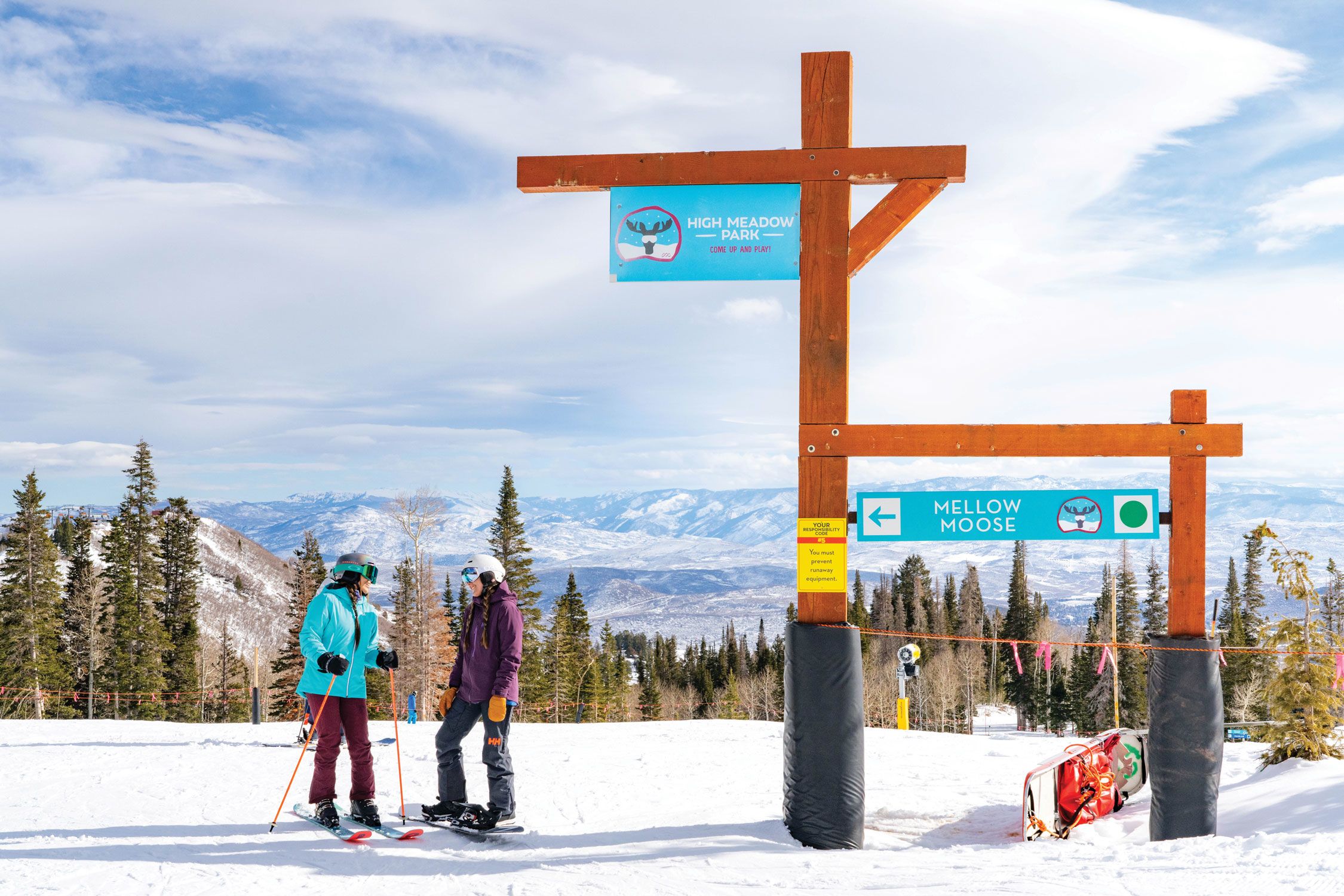
Park City’s High Meadow learning area opened at the top of its Red Pine Gondola in 2018, more than 1,000 vertical feet above the base, with three surface-level carpet lifts and immediate access to the beginner-oriented High Meadow Express lift.
McDonald also called out an ancillary benefit of having the lesson center atop the gondola. Parents, she said, can drop off their children, do their own skiing and then pick them up or check in on them without having to go down to the bottom.
Matt Clos, director of the Jackson Hole Mountain Sports School, said satisfaction levels surged after the famed resort opened the Solitude Station learning area at the midstation of its Sweetwater Gondola in 2017. The move 238 vertical feet above the base to the 15-acre facility also helped Jackson Hole implement a terrain-based instruction method, in which the ground is carefully contoured to make turning more intuitive and to ease new skiers and riders onto gradually steeper pitches.
“Our beginner experience is dramatically enhanced compared to what we were doing previously,” Clos said. “We see that in survey results and in repeat visitation, as well.”
A key component for midmountain learning center development is gondolas. Loading onto a chairlift is itself a learned skill, which typically comes only after a new skier or rider learns some other basics. But gondolas are loaded with skis and snowboards off, enabling first timers to get up the hill for lesson No. 1 and nonskiing parents to accompany their children.
Clos said that getting newcomers up high on a gondola right away also brings its own benefits. The aspiring skiers can see a broad expanse of slopes and get a view of people of varying abilities skiing and snowboarding below them.
Like Jackson Hole with Solitude Station, Steamboat’s development of Greenhorn Ranch enabled the resort to construct tailored terrain geared toward enhancing instruction. The opening of Greenhorn also freed up space for development at the base, where the ski school used to sit directly underneath Steamboat’s other gondola.
“We knew that if we got up out of base we would create a great experience,” lead instructor Nelson Wingard said. “It’s been amazing. It’s better than we even hoped. The level of satisfaction we are getting from our guests in terms of repeat lessons is up more than 200%.”
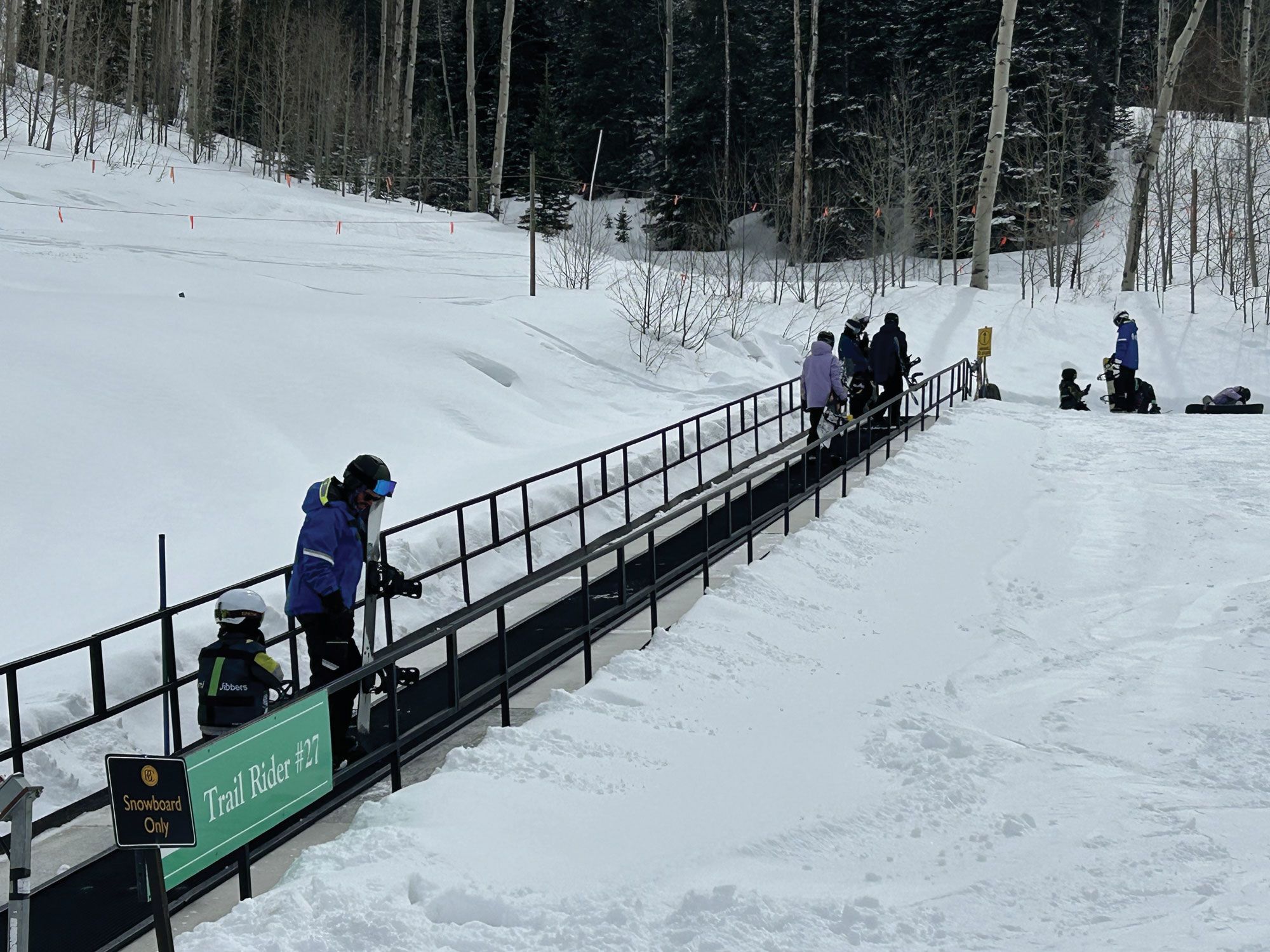
Greenhorn Ranch has four covered, surface-level carpet conveyors. It also has its own four-seat chairlift with the first safety bar in the U.S. that automatically drops into place. That automatic bar is part of the Greenhorn learning experience, Wingard said.
Like others, Wingard is, well, high on the value of teaching from up high.
“They’re in the mountains with expansive views into the distance,” he said. “You can see tree skiing, the terrain park, the racecourse and a blue run. You get to see the entire breadth of skiing. That’s probably as valuable to teaching as what you’re able to do with learning in the learning area.”
Another benefit to moving the learning area away from the base, said Steamboat’s communications coordinator Hanna Albertson, is that beginners aren’t discouraged by sharing space with more expert skiers. “A lot of times when you’re a new beginner, it can be intimidating to be around all the other guests who are more advanced,” she said. “Now these beginners have their own dedicated area where there’s no other skier traffic interrupting their learning experience.”




‘Choose your own adventure’
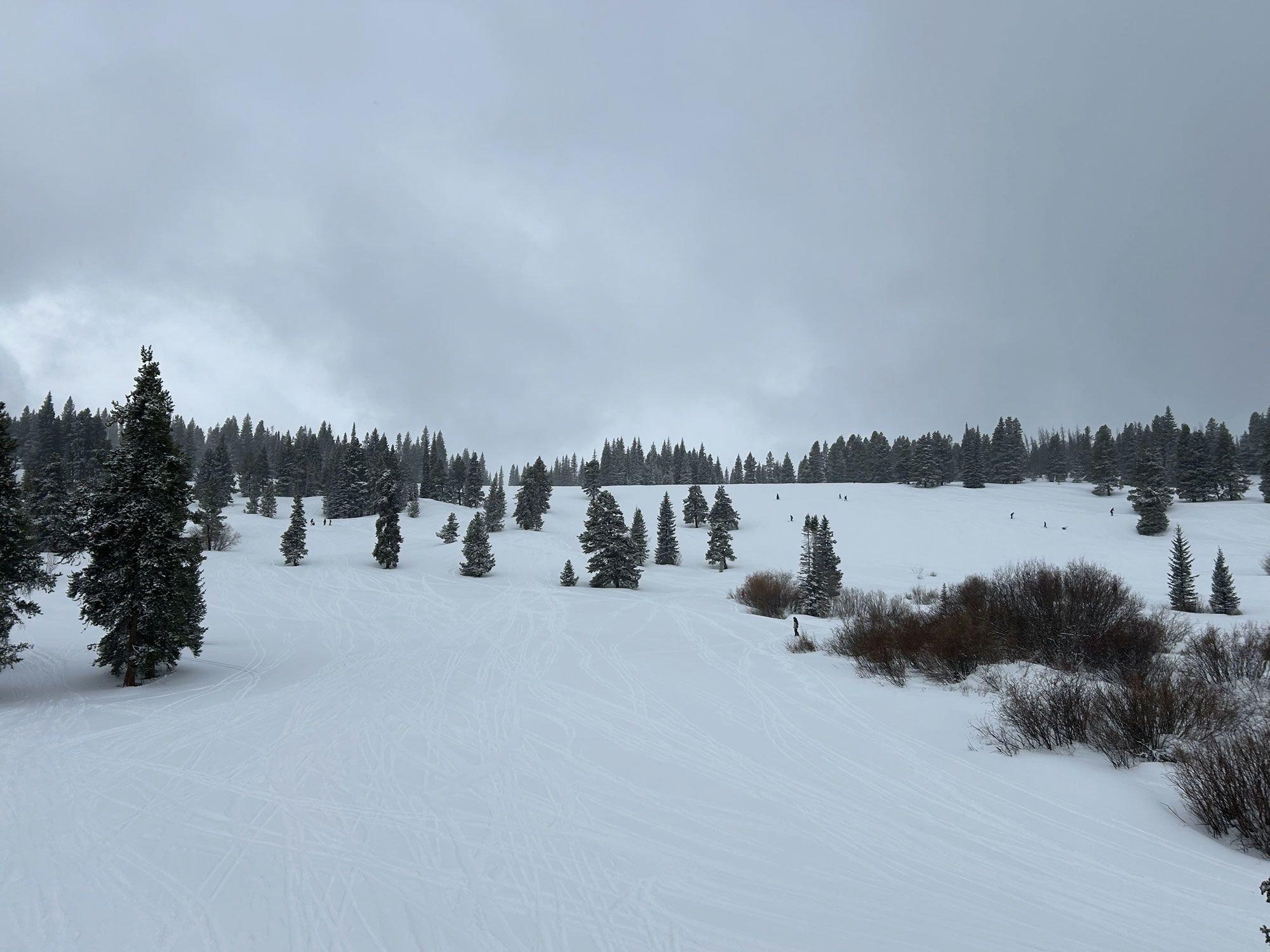
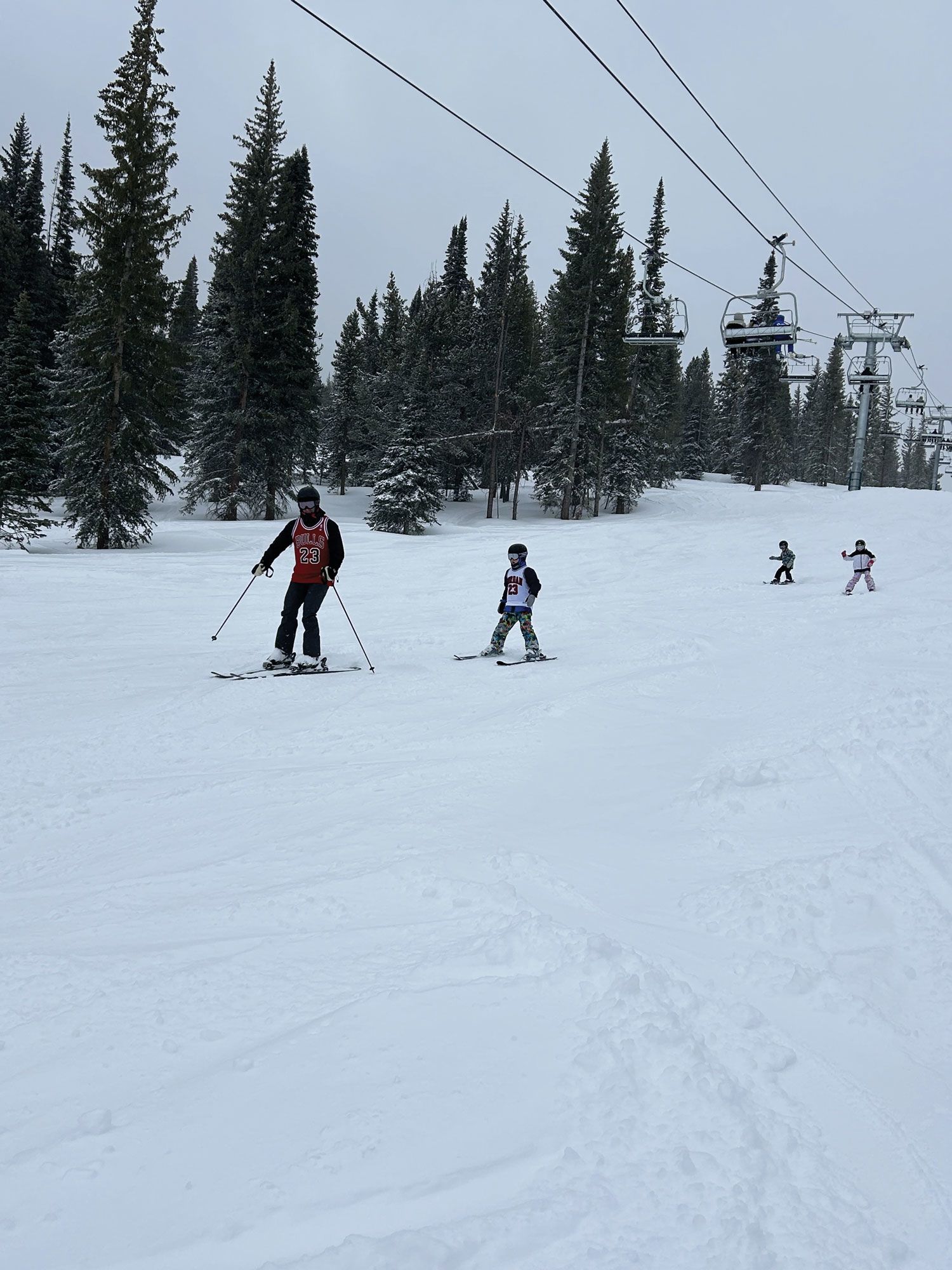
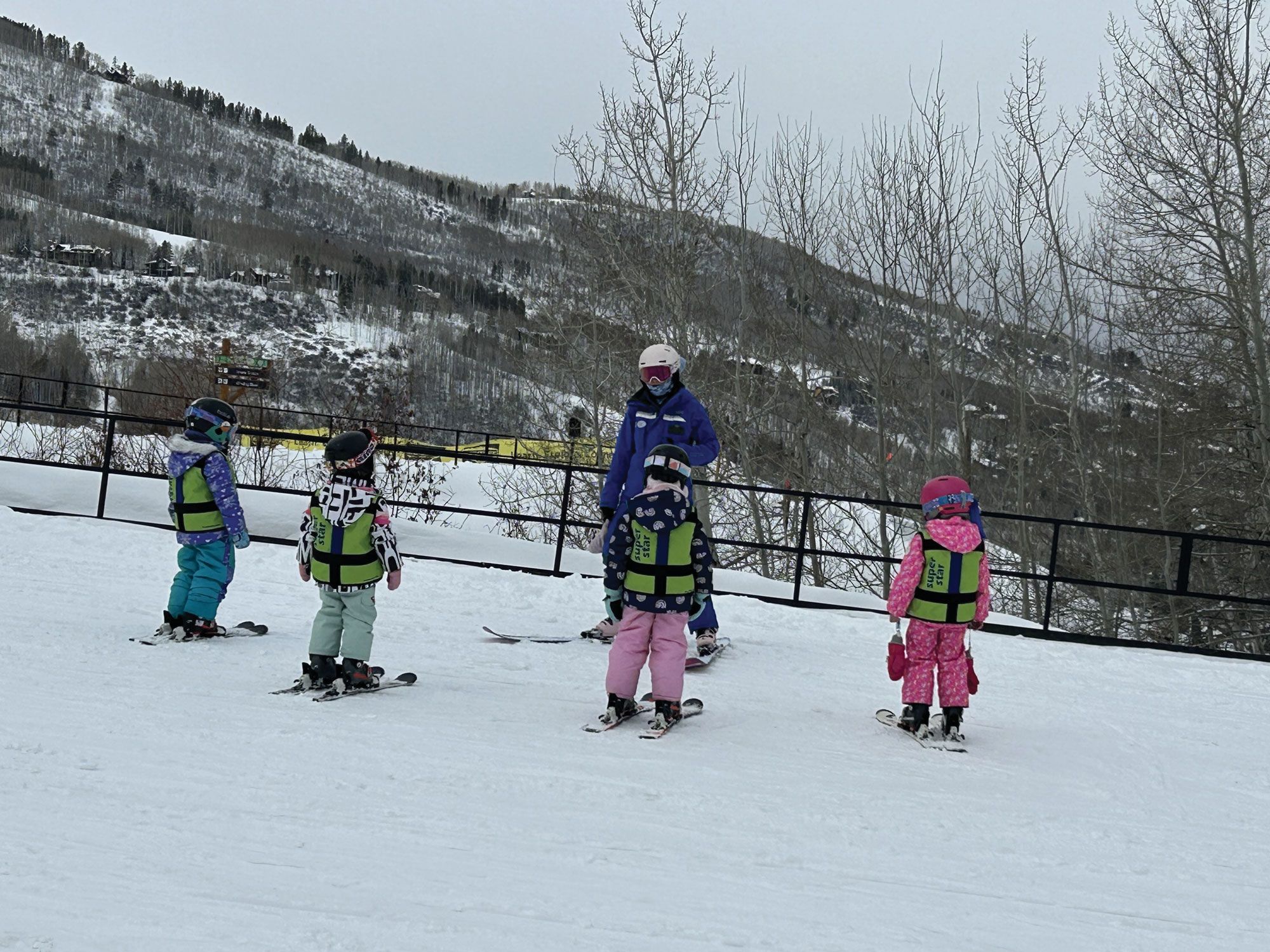
On my March visit to Beaver Creek, I spent a portion of the day skiing with Mike Blakslee, senior manager of the mountain’s Children’s Ski and Snowboard School. We took a look at Haymeadow Park, where new skiers ages 7 and up begin their schooling, as well as Red Buffalo Park. We also skied McCoy Park, an expansion area that opened in 2022 as the mountain’s newest branded learning area, offering 250 acres of bowl skiing on beginner runs. McCoy has lots of open terrain but is also sprinkled with trees, providing options for entry-level glade skiing.
Among those traversing the several inches of fresh McCoy Park powder were a sizable number of parent-child pairs.
Blakslee seemed pleased to see McCoy Park being used by families in ways that Beaver Creek envisioned.
“It’s kind of, choose your own adventure,” he said of the learning area. “You can’t get lost. It all goes to the same place. And everybody in the family can have a different experience that they can cater to themselves.”
McCoy and Red Buffalo are both much larger than the typical entry-level learning center, including Haymeadow Park. And they’re used widely by skiers and riders who aren’t taking lessons. Still, said Storm Skiing Journal’s Winchester, in designating such sizable areas as learning terrain, Beaver Creek is bringing benefits to its beginner skiers. Midmountain and mountaintop beginner areas, he said, transport novice skiers and riders away from the chaos and into the alpine, providing a window into the sports’ majesty from the get-go.
“It shows you why skiing is special before you have the skills to get that special rush that skiing can give to your body and mind,” Winchester said.
Blakslee said that teaching skiing and snowboarding is about more than just helping people learn new sports.
“When people come out here and get some skill acquisition, they can tell that story around the conference table or around the lunch table at school and really feel good about what they’ve done,” he said. “That’s really our why, and that’s why these parks and the progressions of these parks are so important. People may only ski once a year, but they can get some skills and really start to identify, ‘I am a skier, I am a rider.’”
 Built with Shorthand