
Black chefs expanding perceptions and palates



Black chefs expanding perceptions and palates
By Johanna Jainchill
February 22, 2021
Black chefs have been long been expanding menus around the world to reflect the rich culinary cultures of the African diaspora.
The rising prominence of the Black Lives Matter movement in 2020 has brought increased attention to these chefs and their creative efforts, changing perceptions and menus beyond their own kitchens and restaurants.
But even though the ranks of Black chefs leading kitchens and owning restaurants is growing, awareness and prominence in the broader culinary world lags. When James Beard Award-winning Seattle restaurateur Edouardo Jordan was asked whether hospitality has further to go to be truly representative of the Black experience and culture, his answer was succinct.
“Absolutely. Do I even need to explain this?”
Jordan and another James Beard Award winner, Nina Compton, shared their views from the cutting edge of contemporary cuisine.

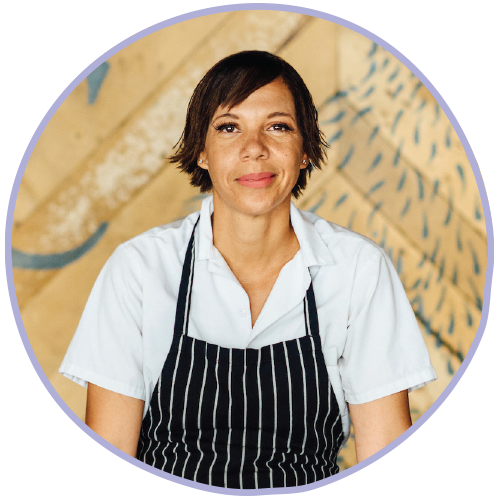
Nina Compton, the James Beard Award winner for Best Chef: South and one of Food & Wine magazine’s Best New Chefs 2017, is the chef/owner of the Compere Lapin restaurant in New Orleans’ Old No. 77 Hotel. Her second restaurant venture, Bywater American Bistro, is located in the “Sliver by the River” Bywater neighborhood.
Q: Growing up on St. Lucia and cooking in Miami, New York and New Orleans, your cuisine has a wealth of influences. How would you describe your menu now?
A: The food at Compere Lapin combines my St. Lucian Caribbean roots with my Italian training and French technique, yet also showcases the amazing ingredients that Louisiana has to offer.
Q: What are some of St. Lucian food traditions most evident in your cuisine?
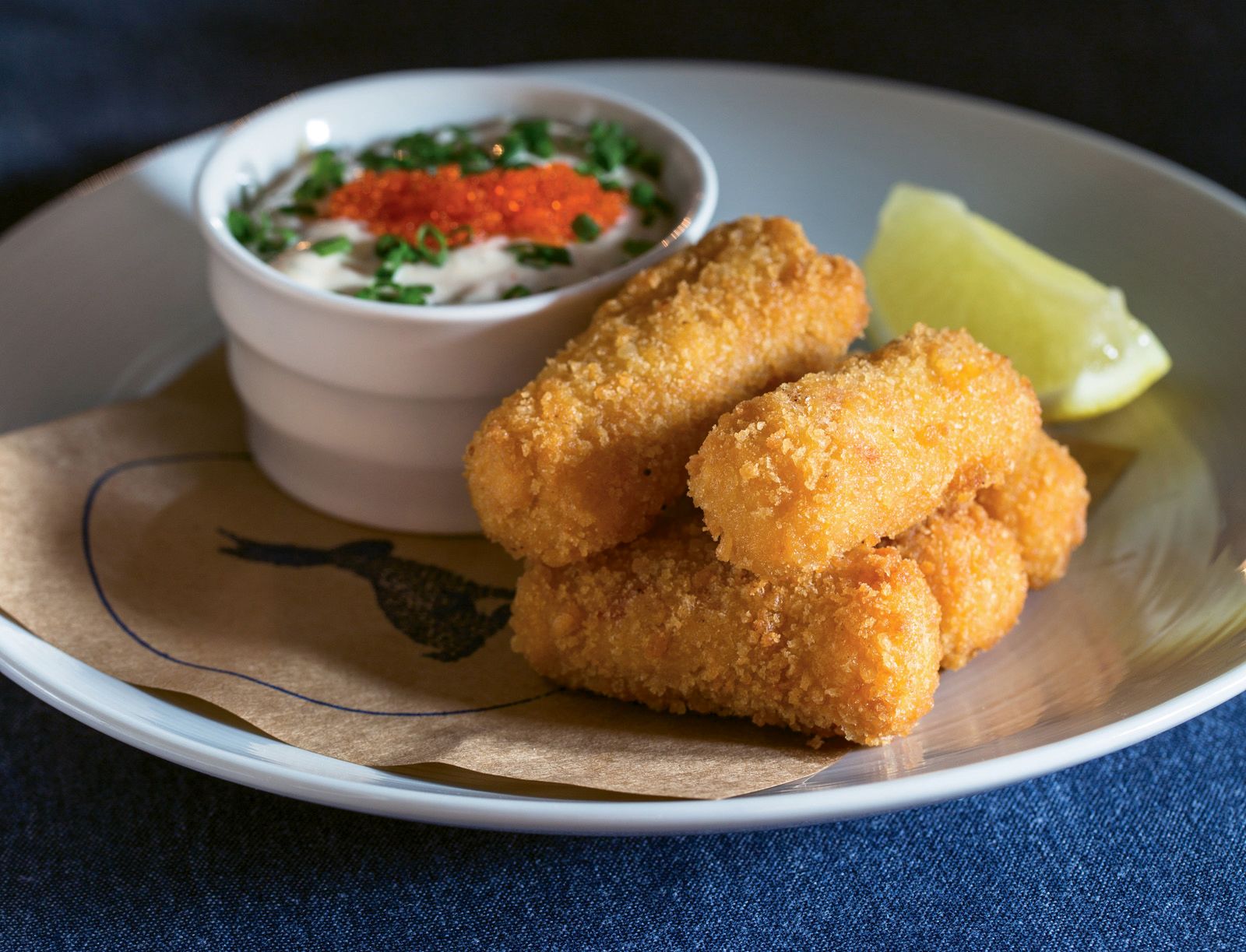
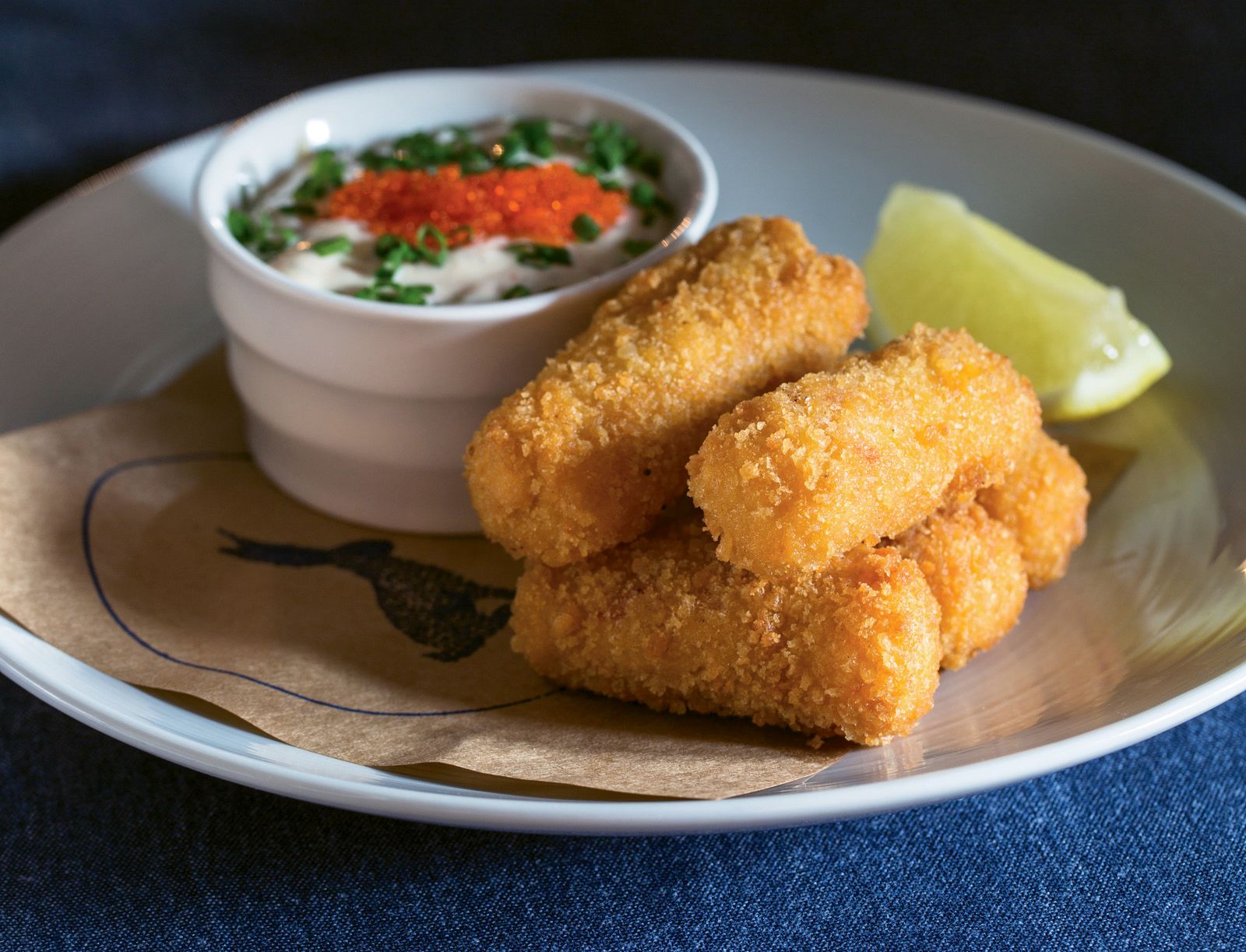
A: On St. Lucia, we use a lot of curries, cook with spices and herbs like turmeric and lemongrass and have incredible fruit. My dishes tend to incorporate all of those elements. Some of these dishes are goat curry, conch croquettes with pickled pineapple tartar sauce and dirty rice arancini with sour orange mojo.
Q: A New Orleans joke is the city has a thousand restaurants but one menu. Are visitors surprised to find your cuisine there?
A: I think New Orleans restaurants have come a long way, and while there certainly are still the great traditional staples, now the city is filled with so many other cultures and cuisines. Travelers and diners are much more adventurous, and I think they welcome new and unique types of cuisine. But don’t get me wrong, anyone coming to New Orleans is still going to get a great gumbo and po’boy!

Holland America Line last year added James Beard Award-winning Seattle restaurateur Edouardo Jordan to its Culinary Council, a collection of internationally renowned chefs who influence the cruise line’s dining experiences. Jordan owns Seattle’s JuneBaby and Salare restaurants.
Q: How are you influencing cuisine on Holland America ships? What are some examples of your inspirations on the menus?
A: I get to bring my unique perspective of Southern cuisine to the ships, introducing guests to a cuisine that is fairly new to them. Classic collard greens, Southern heirloom pea salad, pickles and fermentation, classics and iconic dishes like macaroni and cheese, smothered fried chicken and more. The Alaskan seafood gumbo is a take on the classic I serve at the restaurant, but we will use seafood only native to the Alaskan waters. Think scallops, prawns, crabs, cod.
Q: At JuneBaby, you aim to dispel the stereotypical connotations of Southern cuisine. What are some ways you do that?
A: The biggest way I go about this is introducing and having conversations. Southern food is new to a lot of people, and the best way to understand it is actually trying it and then taking the time to understand it.
Q: Salare highlights cuisines influenced by the African diaspora — how do chefs like you change the notion that Black cuisine is only rooted in the American South?
A: We have a platform now that people actually listen. We now get to share our knowledge. We also get the opportunity to explore our ancestral foods because we now have places where people want to learn, taste and experience our food: our own restaurants.


 Built with Shorthand