
Standout startup hotel brands
The past 10 years have brought a surge of hotel innovation as well as a lineup of brands built with a new breed of traveler in mind. Here are three that have achieved notable success.
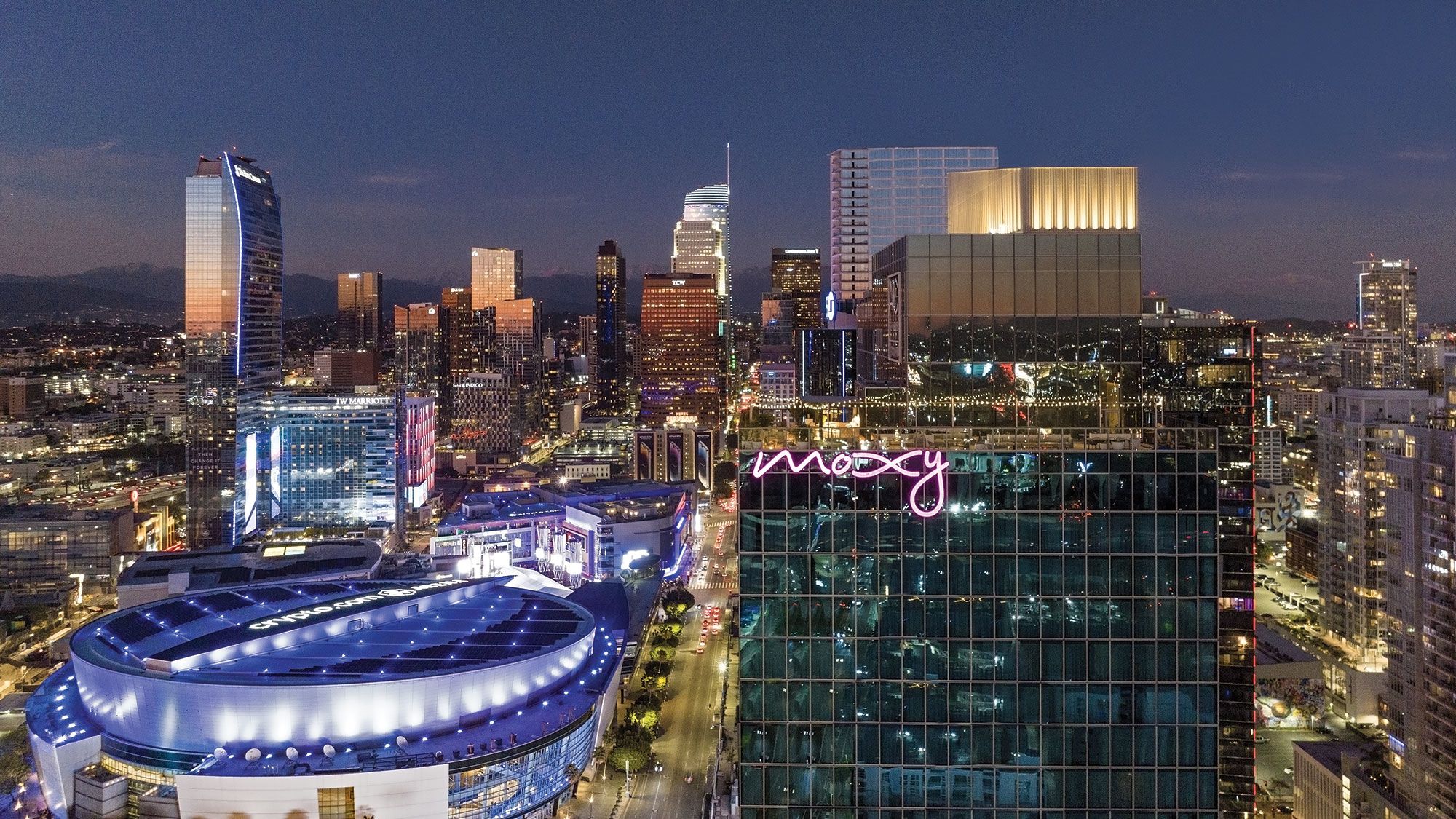

Thanks to a flurry of new brand innovation, the 2010s were a transformative period for the hotel industry.
Most notable in this particular era of new concepts, however, was an evolution in the brand blueprints being brought to market. Hospitality companies had recognized an opportunity to cater to a new generation of travelers — namely, millennials — who generally saw hotels as much more than just a place to rest their heads.
As a result, during the decade major hotels reassessed some core elements of the typical property and did away with everything from wall-to-wall carpeting to massive closets.
“Hotel rooms are, well, just rooms,” said Bjorn Hanson, an industry consultant and adjunct professor at New York University’s Jonathan M. Tisch Center of Hospitality. “There’s a door, a bed, a bathroom and a place to hang clothes. The main features of any guestroom are really quite fixed. So to come up with something that’s different — whether through size, configuration, furnishings, colors, textures, lighting, etc. — is really an achievement.”
But it wasn’t only rethinking the traditional aspects of the rooms themselves. Over the past 10 years, hospitality’s heavyweights have sought to attract both the young and young-at-heart with things like socially activated common spaces, innovative food and beverage offerings and tech-forward amenities.
Robert Cole, Phocuswright’s senior research analyst for lodging and leisure travel, agrees that the 2010s ushered in a period of rapid change for hotels, driven by significant shifts in consumer preferences.
“They were created with more modern designs, communal lobbies and small guestroom footprints,” said Cole, adding that on the development side, those flags could “be developed simply and offer a high ratio of revenue-generating square footage,” a major consideration for hotel brands.
But while plenty of these hotel brands that rolled out over the past 10 years have found a firm footing, a few stand out as outperforming the rest. Here’s a closer look at three of the recently launched brands that have managed to scale faster and gain more share than the competition.
Tru believers at Hilton
Hilton debuted its Tru by Hilton brand in early 2016, billing it as a midscale concept targeted toward travelers with “a millennial mindset.”
At the time, Hilton CEO Christopher Nassetta promised that Tru would “provide guests with a high-quality, contemporary, consistent and fresh experience at a great value for customers, while at the same time delivering strong returns to our owners.”
Tru certainly seems to have struck a chord with both stakeholder groups. Since opening its inaugural property in Oklahoma City in 2017, the flag has quickly expanded to a whopping 240-plus locations across four countries.
According to Andrew Harp, brand leader for Tru by Hilton, the Tru concept was designed to fill a glaring “white space” within the midscale hotel sector.
“When we looked at midscale — which was new for us at Hilton — the average age of the competition in that comp set was 26 years old,” Harp said. “When you look at product that’s that old, if it hasn’t been renovated or well maintained, guests aren’t always sure of what they’re going to get. So, we knew there was going to be some incredible opportunity to really bring something disruptive to the space.”
Tru sought to differentiate itself as a newbuild offering, with brightly hued interiors, modern furniture and large windows that let in plenty of natural light. Guestrooms are designed to be “super-efficient and streamlined,” according to Harp.
“Our goal was to provide everything guests want — with the basics done consistently and reliably really well — but nothing that they don’t need,” Harp said.
With Tru, that translated into a relatively small room footprint with a large TV, plentiful outlets that were easy to access, bright bathrooms and strong WiFi. The hotel’s more modest room size, meanwhile, is offset by a welcoming lobby area, which Harp called the “hero of the brand.”
In addition to comfortable seating and work areas, Tru lobbies feature a “game zone”: a shuffle puck game, foosball or pool table and an Instagrammable mural wall.

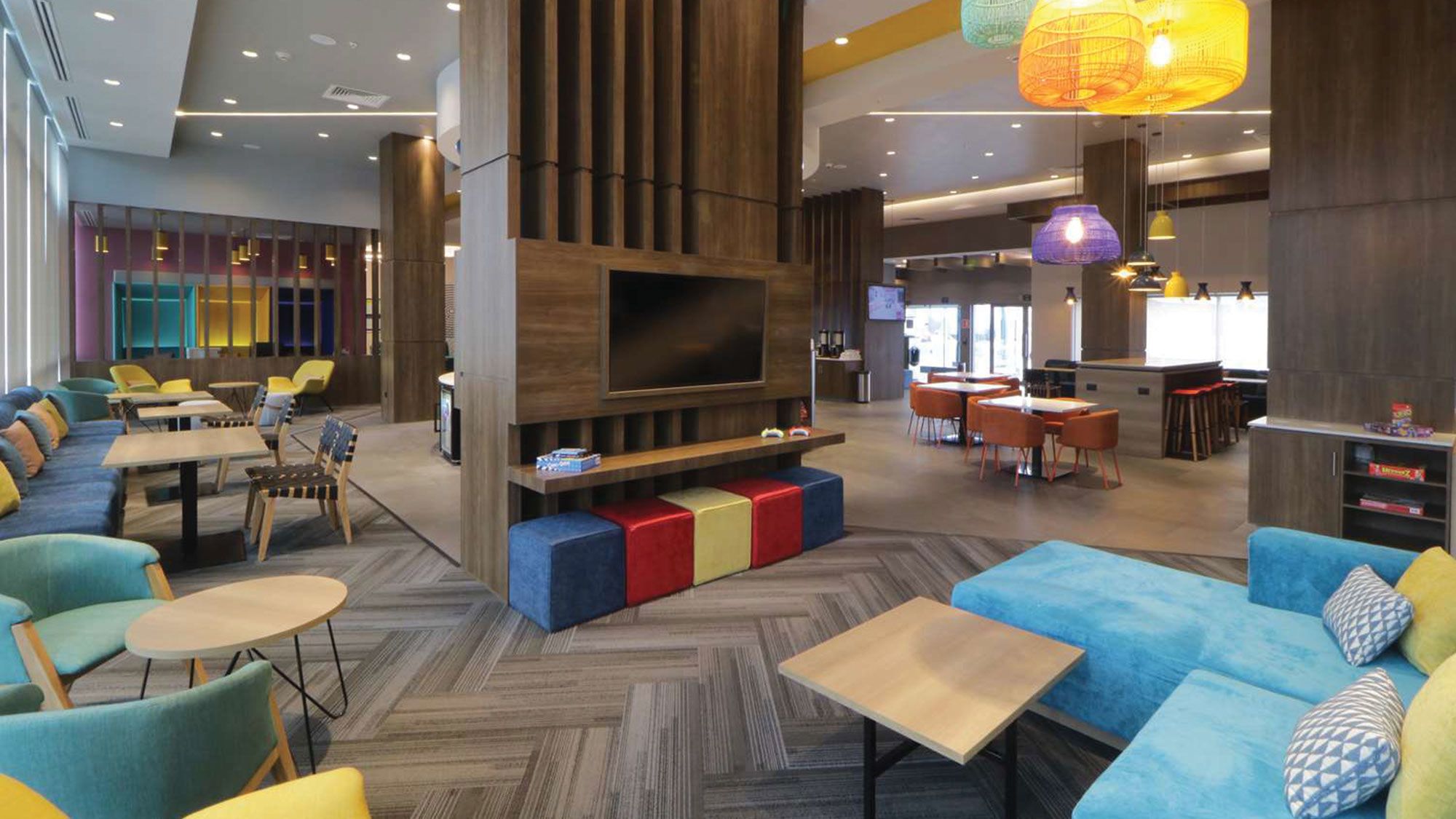
A vibrant lobby space at the Tru by Hilton Monterrey Fundidora in Mexico. Since opening its inaugural property in Oklahoma City in 2017, the flag has quickly expanded to 240-plus locations across four countries. (Courtesy of Hilton)
A vibrant lobby space at the Tru by Hilton Monterrey Fundidora in Mexico. Since opening its inaugural property in Oklahoma City in 2017, the flag has quickly expanded to 240-plus locations across four countries. (Courtesy of Hilton)
Another brand pillar is Tru’s complimentary breakfast offering, which was temporarily put on pause during the pandemic. In 2021 the brand brought back its breakfast, adding an “automatic, hands-free pancake maker” to the mix.
“It makes the whole lobby smell nice,” said Harp.
That fresh pancake scent is certainly a “nice to have,” but Harp also credits Tru’s success to the fact that the brand requires less space to build — a Tru can sit on as little as 1.5 acres of land — and can be constructed quickly, with developers required to choose from one of three guestroom design packages. Hilton procurement agents are also on hand to help owners purchase virtually every item needed to open the hotel.
“It’s a really efficient model,” Harp said. “And especially if the developer is new to the [hotel] industry, it takes some of the guesswork out of the equation and makes it possible to deliver a project in that ideal nine- to 12-month time frame.”
While the vast majority of Tru’s current portfolio is U.S.-based, the brand’s initial inroads into markets like Canada, Mexico and Brazil have also been successful. A second Brazilian location is currently under construction, while additional outposts are slated to open in Chile and Colombia sometime next year. Plans for Tru projects have also been approved in Costa Rica, the Dominican Republic and Puerto Rico.
“We’re excited,” said Harp, adding that, globally, Tru has 260-plus hotels in its pipeline. “We’re really starting to see it take off in the Caribbean, Latin America and South America, and that region is so diverse that we see a lot more opportunity out there.”
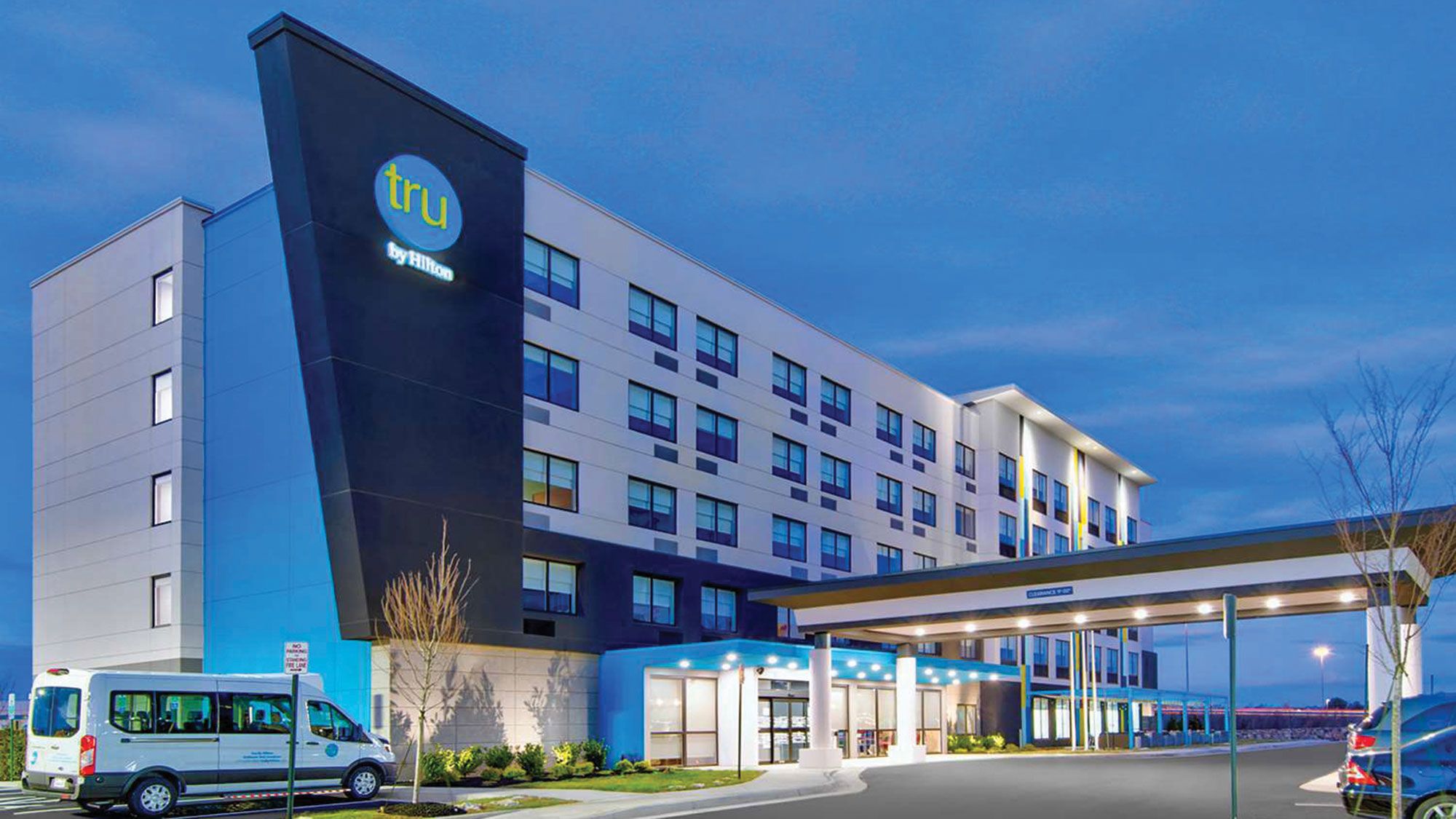
The exterior of the Tru by Hilton Ashburn One Loudoun in Ashburn, Va. (Courtesy of Hilton)
The exterior of the Tru by Hilton Ashburn One Loudoun in Ashburn, Va. (Courtesy of Hilton)
Marriott has Moxy
When Marriott International began developing the Moxy flag in Europe in 2013, the concept was geared toward young, budget-conscious travelers, with the company ultimately declaring Moxy an “experiential hotel brand.”
And according to Marriott, it “threw out the hotel rule book” when it came to Moxy. The upper-midscale brand promises an affordable price point as well as “small but smart,” tech-enabled guestrooms, which feature amenities like motion-activated lighting, foldable workspace desks and wall-mounted pegs for space-saving storage. The flag is also known for its lively and design-forward social spaces, including its unique food and beverage venues.
“Moxy’s ambition is to shake up the traditional hotel stay by infusing play into every part of the guest’s experience, from checking in at the bar and receiving a cocktail with your key to fun lobby activations and events unique to each destination,” said Brian Jaymont, senior director and global brand leader for Aloft Hotels and Moxy Hotels at Marriott International.
Jaymont also called Moxy Marriott’s “first scalable lifestyle brand,” with the flag’s stable currently at more than 120 locations worldwide. Another 140 projects are in the pipeline.
New York-based real estate firm Lightstone has seven Moxy-flagged hotels within its hospitality portfolio, including five in New York City alone. These New York holdings are the Moxy Times Square, Moxy Chelsea, Moxy East Village, Moxy Lower East Side and Moxy Williamsburg.
Lightstone president Mitchell Hochberg said the Moxy model proved to be ideal for a market like New York, with the brand’s compact rooms working well within a dense, urban environment.
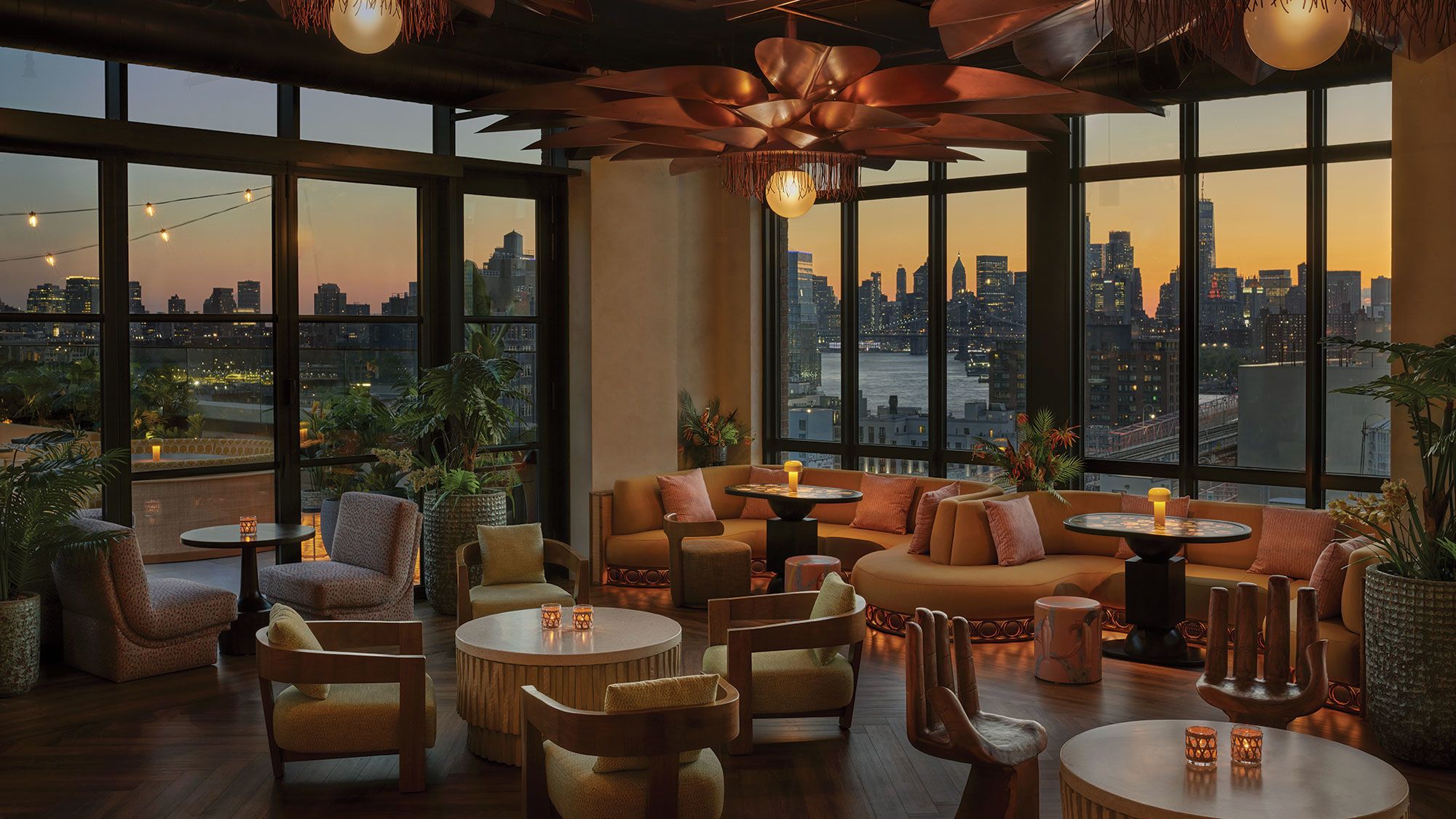
LilliStar, a rooftop bar serving Indo-Aussie-inspired fare at Lightstone’s Moxy Williamsburg hotel in Brooklyn. (Photo by Michael Kleinberg Photography)
LilliStar, a rooftop bar serving Indo-Aussie-inspired fare at Lightstone’s Moxy Williamsburg hotel in Brooklyn. (Photo by Michael Kleinberg Photography)
The group’s Moxy hotels have also outperformed rivals on the food and beverage front, with Hochberg pointing to the popularity of eclectic offerings like the Magic Hour Rooftop Bar & Lounge at the Moxy Times Square, an “adult amusement park” with its own carousel and mini-golf course, and the Little Sister Lounge at the Moxy East Village, which has emerged as a celebrity nightlife hot spot. The more recently opened Moxy Williamsburg is home to LilliStar, a rooftop bar serving Indo-Aussie-inspired fare like tropical cocktails and Balinese beach barbecue.
“I believe the greatest amenity that we can offer a guest is the ability to interact with people from the local area,” Hochberg said. “And that interaction creates a certain magic for our guests. So at our hotels, both the food and beverage and the lobby spaces are geared toward inviting people in from the community.”
In addition to its Moxy properties in New York, Lightstone also has the Moxy Downtown Los Angeles and AC Hotel Downtown Los Angeles complex and the Moxy South Beach in Miami within its fold.
“We’re definitely looking for other Moxy locations,” Hochberg said. “We just had three openings — the Lower East Side, Williamsburg and Los Angeles — all within a 15-month period, so we’re still digesting those, but I could see doing more in Miami and Los Angeles, and we’re looking at some other bigger cities, as well.”
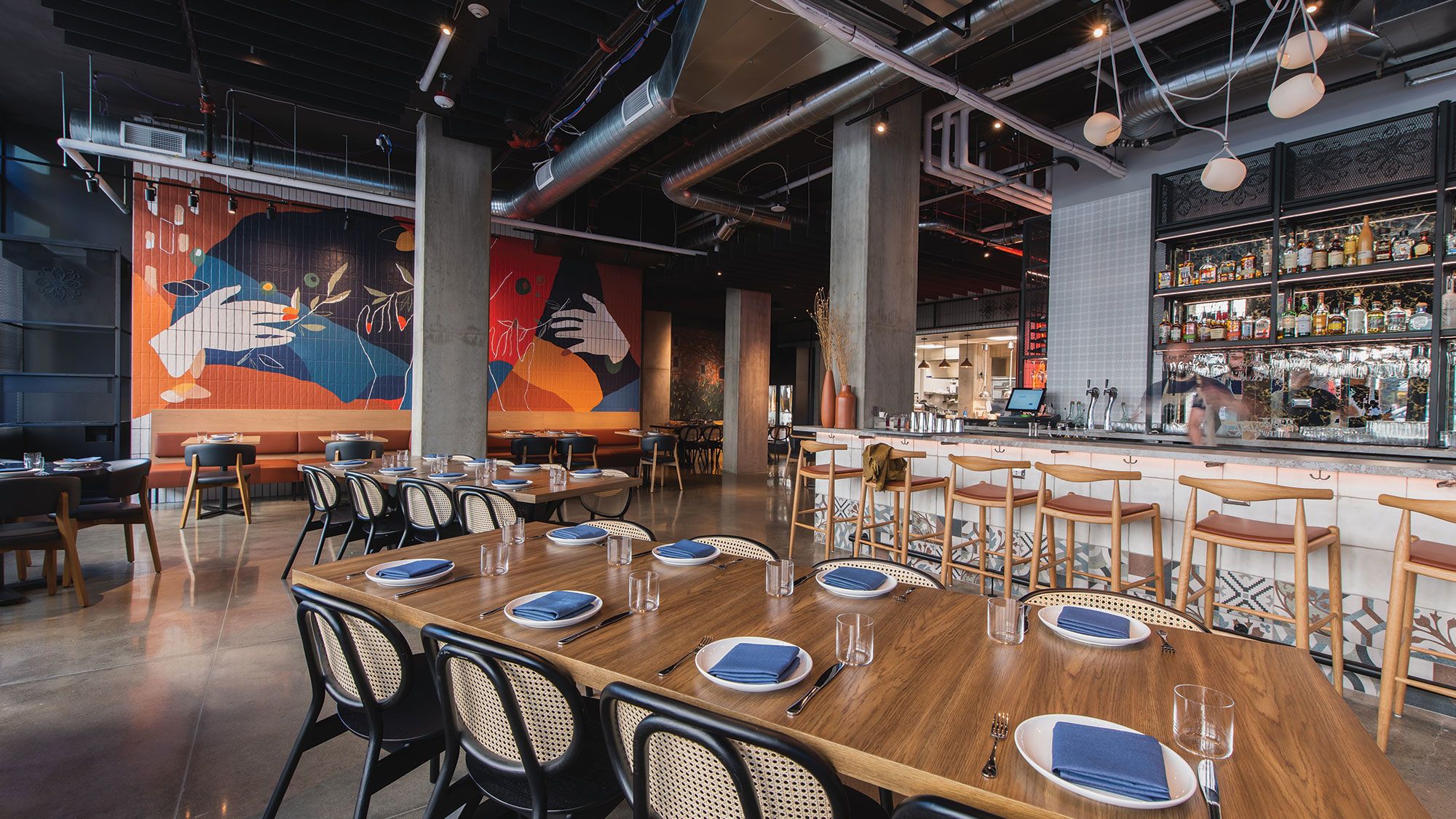
A dining and bar space at the Hyatt Centric Downtown Portland in Oregon. There are nearly 60 Hyatt Centric properties across a variety of global markets. (Courtesy of Hyatt Centric Downtown Portland)
A dining and bar space at the Hyatt Centric Downtown Portland in Oregon. There are nearly 60 Hyatt Centric properties across a variety of global markets. (Courtesy of Hyatt Centric Downtown Portland)
Hyatt Centric for ‘modern explorers’
Hyatt Centric may not have achieved quite the vast scale that Tru or Moxy have under their belts so far, but at nearly 60 properties, the upper-upscale lifestyle brand has made relatively rapid strides at a far higher price point and across a variety of global markets.
Launched by Hyatt Hotels Corp. in 2015, Hyatt Centric was created to cater to a demographic dubbed as “modern explorers,” which the company described as a multigenerational group who viewed their hotel as “the hub of their experience, connecting them to unique experiences [and] the best of what the destination has to offer.”
Hyatt Centric hotels aimed to attract these “savvy and curious” travelers by way of hyperlocal artwork, furniture and food and beverage offerings as well as attractive geographic locations, with Hyatt Centric hotels promising to put guests at “the center of the action in the best destinations.”
Vibrant social spaces are also a key part of the brand’s secret sauce, as are partnerships designed to connect guests with the local community. These tie-ins include a collaboration with music events company Sofar Sounds, through which Hyatt Centric has brought in local and emerging musical talent to perform at various Hyatt Centric hotels.
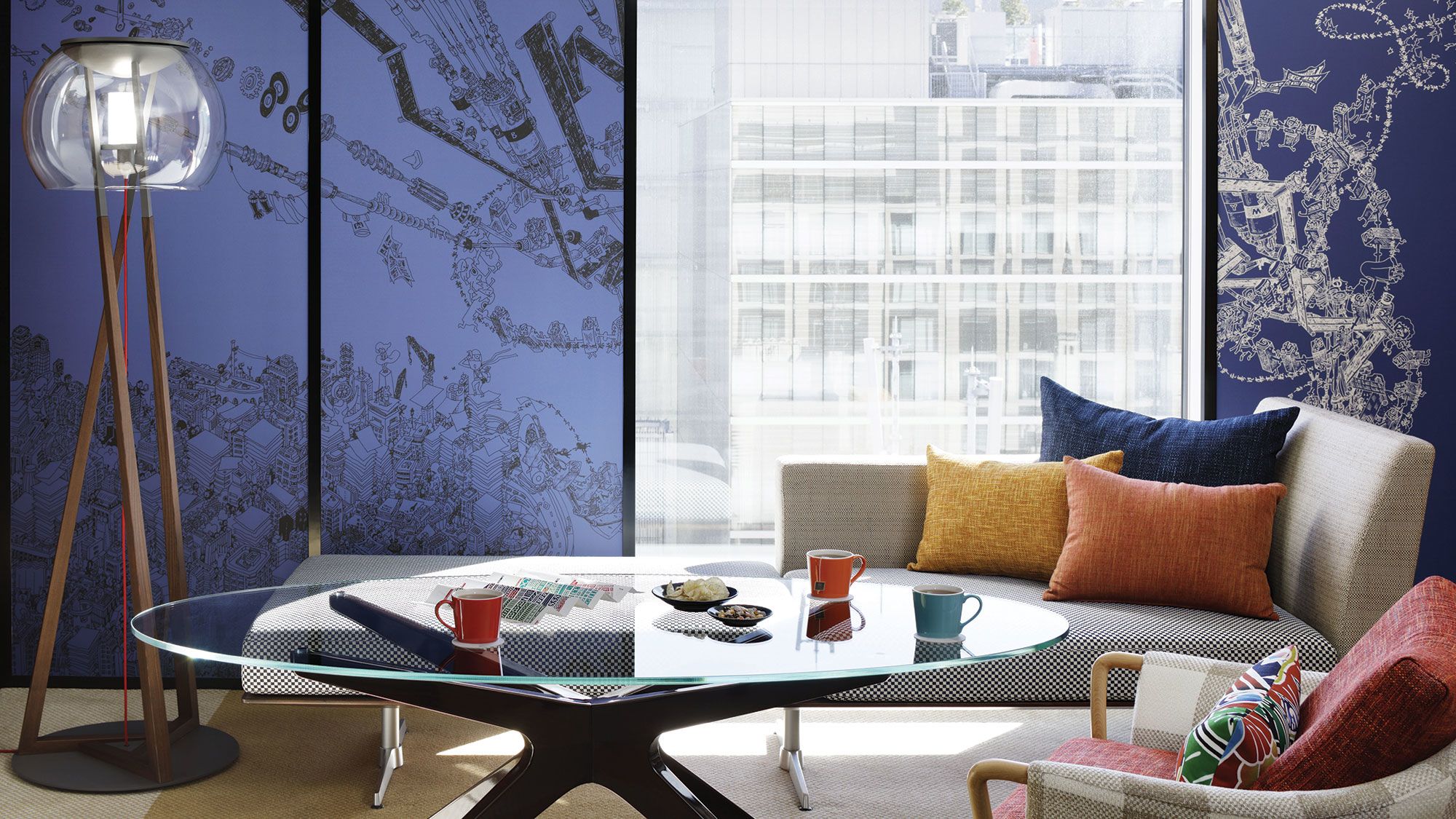
A suite at the Hyatt Centric Ginza Tokyo. (Courtesy of Hyatt Centric Ginza Tokyo)
A suite at the Hyatt Centric Ginza Tokyo. (Courtesy of Hyatt Centric Ginza Tokyo)
This focus on offering local flavor appears to have paid off, with Hyatt Centric continuing to extend its expansion spree. Earlier this year, the brand opened its first Canadian outpost, the Hyatt Centric Montreal, as well as its inaugural hotel in Southeast Asia, the Hyatt Centric Kota Kinabalu in Malaysia. Also joining the Hyatt Centric portfolio this year was the Hyatt Centric Congress Avenue Austin in Texas, while additional projects — including Hyatt Centrics in Malta, Costa Rica, Southwest China and Egypt — are slated to open throughout 2024 and 2025.
And although Hyatt Centric’s positioning is quite different from that of a Moxy or a Tru, some common threads are evident — most notably a focus on well-executed basics and a bigger emphasis on crafting an experiential and socially driven stay.
“Hyatt Centric’s success lies in our commitment to delivering exactly what our guests need and nothing they don’t,” said Crystal Vinisse Thomas, vice president and brand leader for Hyatt’s luxury and lifestyle brands. “This focused approach has allowed us to create a unique value proposition that resonates with modern travelers seeking immersive experiences that blend local culture and convenience.”
 Built with Shorthand