
Focus on culinary travel
Savoring the experience
Foodie travelers want Michelin-star dining. But these days, they want to mix in local favorites and add a side of storytelling.

For foodie travelers, a good meal isn’t always enough: Travel advisors and tour operators say their clients expect culinary experiences — both high-end and hole-in-the-wall — to satisfy their craving for a side of storytelling.
It’s an evolution that reflects a larger demand for immersive, hands-on travel experiences.
Many travelers still expect fine dining on their itineraries and want to collect Michelin stars on their trips, but they want to balance that with places off the beaten culinary path serving up an authentic taste of the destination. Travelers don’t want to just eat the cuisine, they want to be part of its story and even play a role in its creation.
Targeted tours
Michelin is widely considered the most prestigious restaurant rating, and its stars are highly coveted. Earning a star or a spot in the Michelin Guide can transform a restaurant from local gem to sought-after eatery.
While travelers still plan their trips around Michelin dining, advisors and operators say that increasingly, they want to mix in local favorites.
After the pandemic, Avital Experiences, which creates and leads food and drink-based experiences, observed consumer interest in single-night Michelin food tours, said founder Avital Ungar.
This led to the creation of Avital’s Michelin food tours in New York and Los Angeles, which feature three Michelin-recommended restaurants, including one that boasts a star. Over the course of the three-and-a-half- hour tour, guests can expect seven to 10 courses, with an optional beverage pairing. Avital handles the reservations and logistics, and their guides host the meals.
The company is after “depth over breadth,” Ungar said.
“It has to be somebody who is really excited to try multiple things,” Ungar said of the customers the operator attracts. “It’s like a nerdy experience. It’s about pairings with the beverages, it’s about trying new things. You’re trusting us and the chefs.”
For example, in New York, home to 72 Michelin-starred restaurants, diners may visit spots like Cote, Gramercy Tavern or Oiji Mi.
‘Just like when people travel and they want a sense of place in a hotel, they want a sense of place in a restaurant.’
Of course, anyone can attempt to make a reservation at a Michelin-starred restaurant. But what Avital customers get that they can’t replicate on their own is the storytelling and knowledge brought by their host.
For example, in between bites at these famed eateries, guests walk through the city with their Avital guide, learning about the culture and history of the neighborhood and the importance of the restaurants they visit, including the establishment’s pedigree and chef bona fides.
That desire for storytelling as part of the culinary experience is global.
Carlota Bustillo, who does marketing for VS Luxury Experiences, a destination management company in Madrid that specializes in Spain, Portugal and Italy, said chefs in those countries will join diners at their table to guide them through the dish, talking about its prominence in the region and where the ingredients were sourced.
“It’s very important, nowadays: the storytelling and the ambience of the whole experience,” Bustillo said.

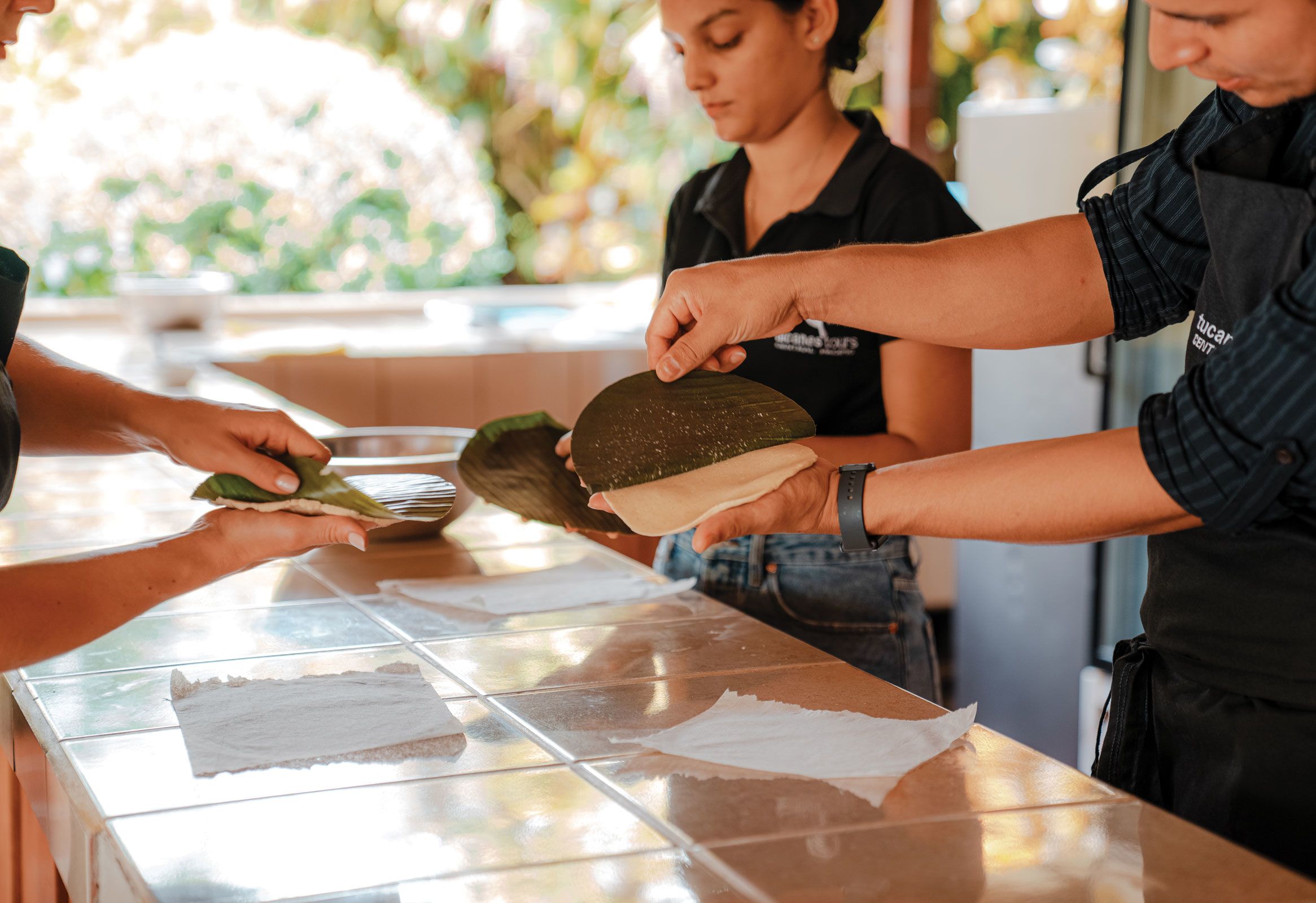
Jacada Travel, a luxury tour operator, is seeing a growing demand for immersive, hands-on culinary experiences. Jacada often arranges for its clients to take personal cooking lessons with local chefs. (Photo by Alicia Warner/Jacada Travel)
Jacada Travel, a luxury tour operator, is seeing a growing demand for immersive, hands-on culinary experiences. Jacada often arranges for its clients to take personal cooking lessons with local chefs. (Photo by Alicia Warner/Jacada Travel)

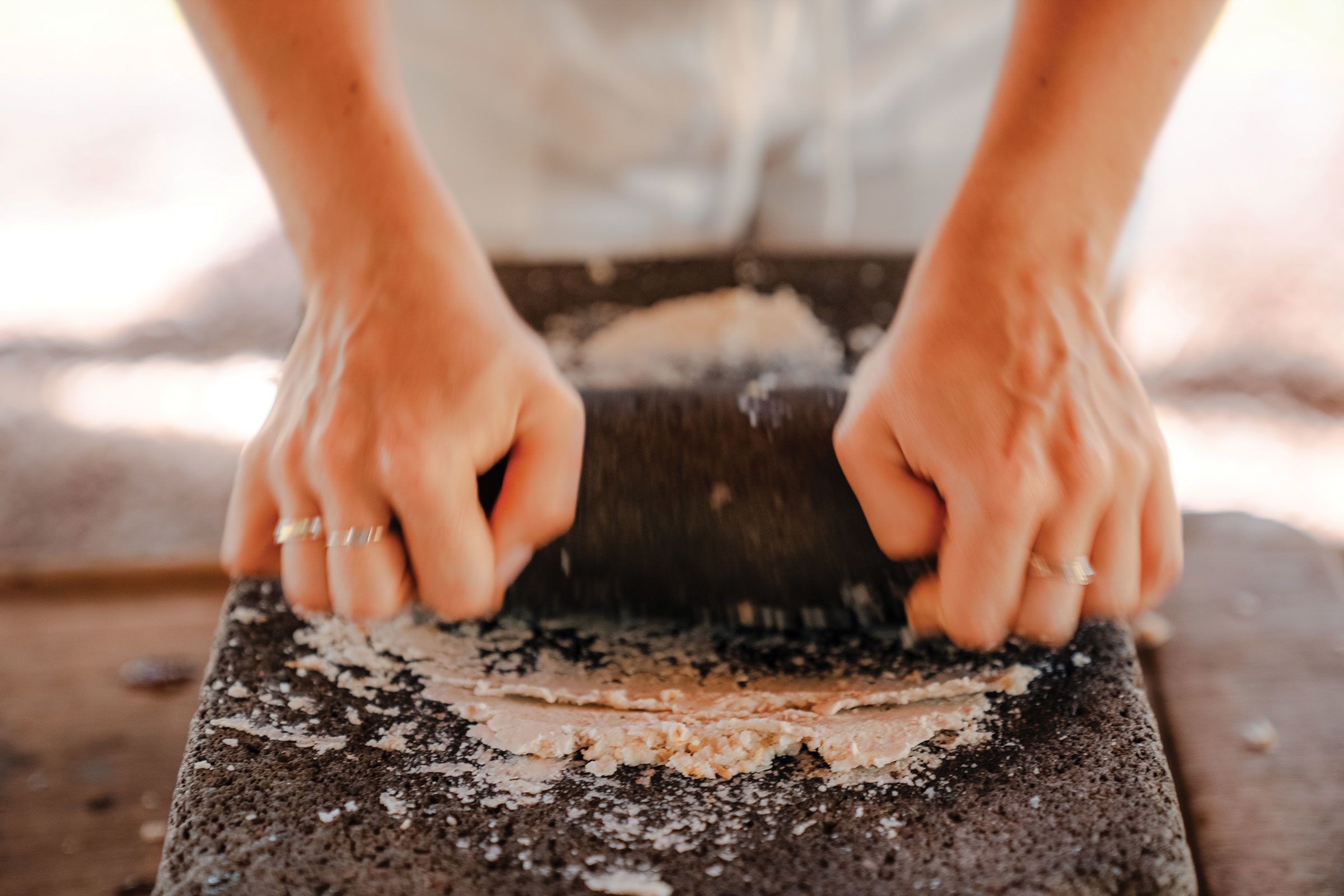
Jacada Travel, a luxury tour operator, is seeing a growing demand for immersive, hands-on culinary experiences. Jacada often arranges for its clients to take personal cooking lessons with local chefs. (Photo by Alicia Warner/Jacada Travel)
Jacada Travel, a luxury tour operator, is seeing a growing demand for immersive, hands-on culinary experiences. Jacada often arranges for its clients to take personal cooking lessons with local chefs. (Photo by Alicia Warner/Jacada Travel)
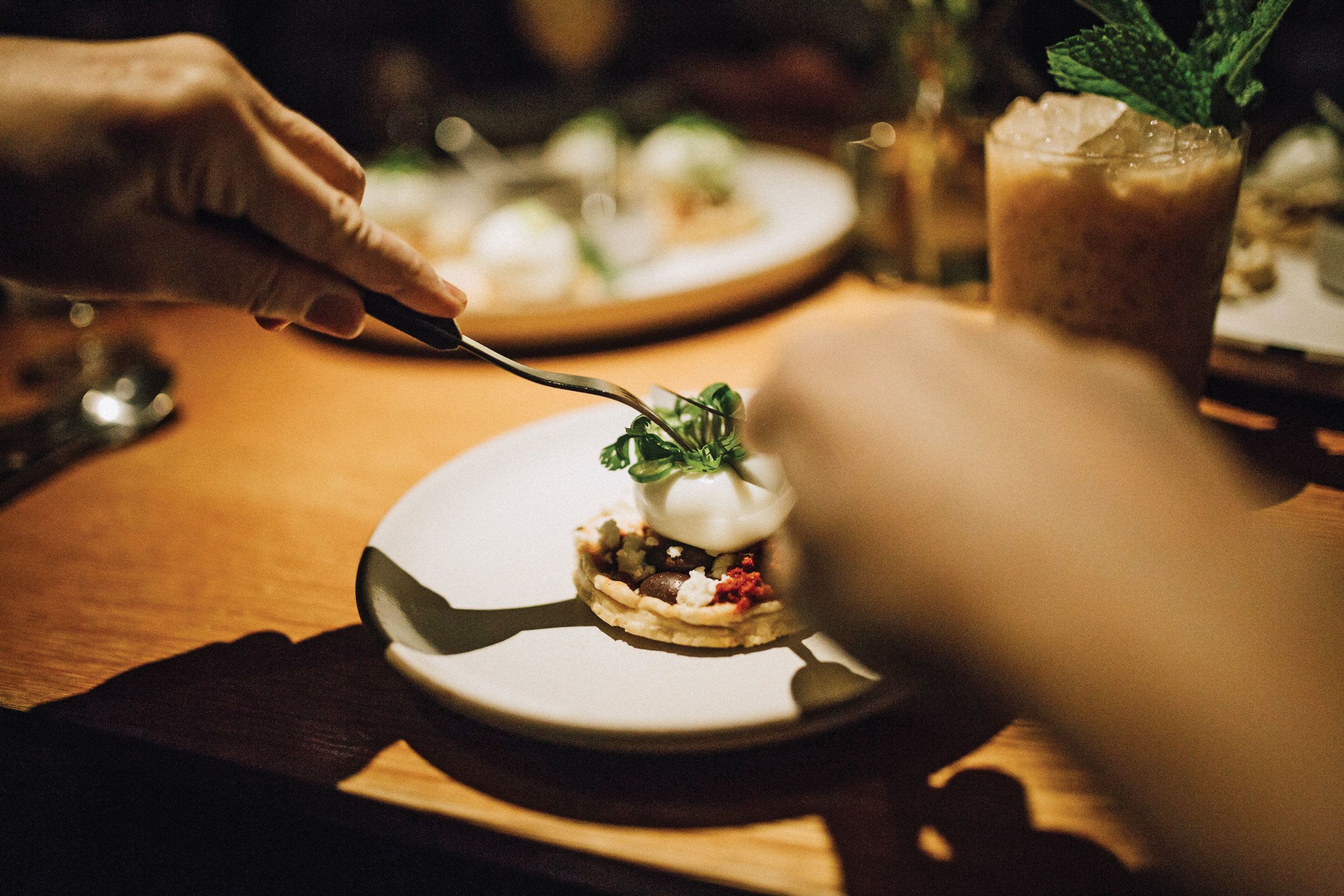
Avital Experiences offers Michelin dining tours in Los Angeles and New York, where a guide eats with the group and walks them to each restaurant, sharing stories and knowledge along the way. (Courtesy of Avital Experiences)
Avital Experiences offers Michelin dining tours in Los Angeles and New York, where a guide eats with the group and walks them to each restaurant, sharing stories and knowledge along the way. (Courtesy of Avital Experiences)
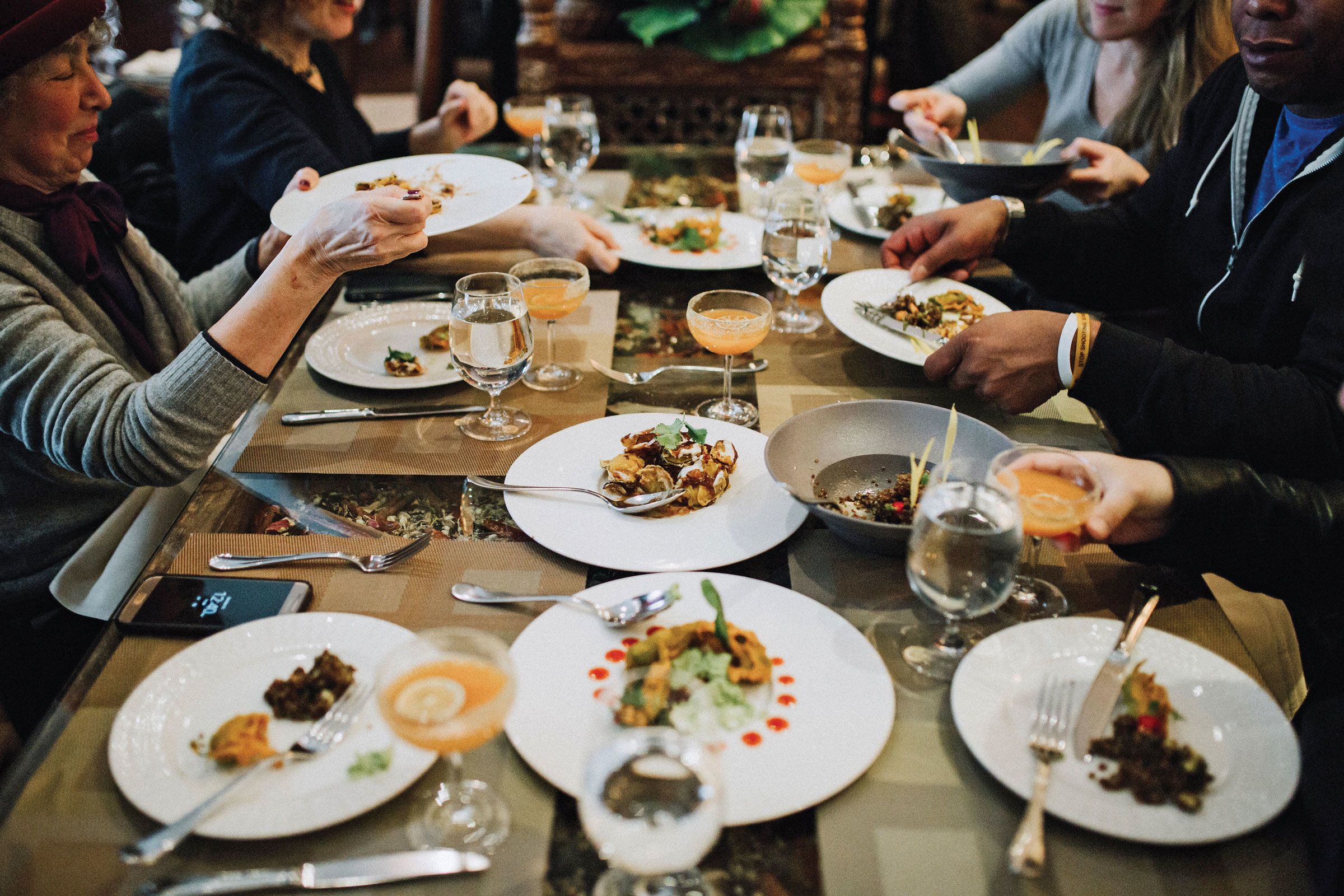
Avital Experiences offers Michelin dining tours in Los Angeles and New York, where a guide eats with the group and walks them to each restaurant, sharing stories and knowledge along the way. (Courtesy of Avital Experiences)
Avital Experiences offers Michelin dining tours in Los Angeles and New York, where a guide eats with the group and walks them to each restaurant, sharing stories and knowledge along the way. (Courtesy of Avital Experiences)
The perfect pairing
Culinary operators say fine dining will always have a place at the table, but more and more, travelers want to balance that with neighborhood gems.
“People who are really passionate about food also want to experience some less-fine dining,” said Ashley Isaacs Ganz of Artisans of Leisure in New York. “They want to balance out the really high-end with local places.”
The luxury tour operator specializes in custom itineraries, in which clients expect high-quality meals, regardless of the price tag. Its clients, in particular, are very food motivated in their travels and frequently come to the operator with a restaurant wish list already penned, often fueled by restaurants that have gone viral on social media.
“It’s like theater now,” Ganz said of dining expectations. “I do think it’s a big part of the travel experience.”
But part of the role of advisors and tour operators is to steer travelers away from restaurants that aren’t worth the hype or those that are victims of their own success where crowds might dampen the experience.
Take the Borough Market in London, which has a dizzying number of local food stalls, some of which attract gobs of TikTok users. If Artisans of Leisure deems one of the stalls on a client wish list to be overhyped, they will recommend another stall just as good or better that’s still under the radar.
Becky Lukovic, a travel advisor and founder of Bella Travel in Atlanta, agreed that social media plays an outsize role in spurring client dining plans and luring them to restaurants. The “street cred that is television and list-driven is really front of mind,” she said.
Clients also build trip itineraries around when they can secure a reservation for hard-to-access restaurants, like Osteria Francescana in Modena, Italy. Some of her clients would be on the wait list “forever,” Lukovic said, and when their turn finally came, they would call her to craft a trip around the dinner reservation.
She also recently designed a girl’s getaway to Mexico City after the group got spots at Quintonil and Pujol, both of which have two Michelin stars. When the women weren’t dining at these acclaimed restaurants, they were enjoying mole and tacos at small, unassuming spots.
Sometimes, Lukovic said, these fine-dining experiences, though exceptional, don’t provide the most authentic taste of a region’s food scene.
For example, she said, many famed Michelin-starred restaurants take an artful approach to cuisine, which is a total opposite experience of a tiny restaurant serving up pasta dishes inspired by a chef’s nonna. Both might be exceptional, but the latter offers an atmosphere that, for some travelers, better captures what they want to experience from a destination.
“Just like when people travel and they want a sense of place in a hotel, they want a sense of place in a restaurant,” Lukovic said. “If you really want to experience a culture, you will eat like they do.”
Merry Jennifer Markham, the CEO and founder of MMarkham Travel in Florida, said that her foodie clients are also in pursuit of locally recommended spots to enjoy in between Michelin dinners, demanding both ends of the spectrum for a full picture of a destination’s dining scene.
“The same people who are really interested in fine dining are also really interested in trying those local sandwich shops that they heard about from their taxi or Uber driver,” she said, adding that she also encourages her clients to leave some meals unplanned to make time for those local recommendations.
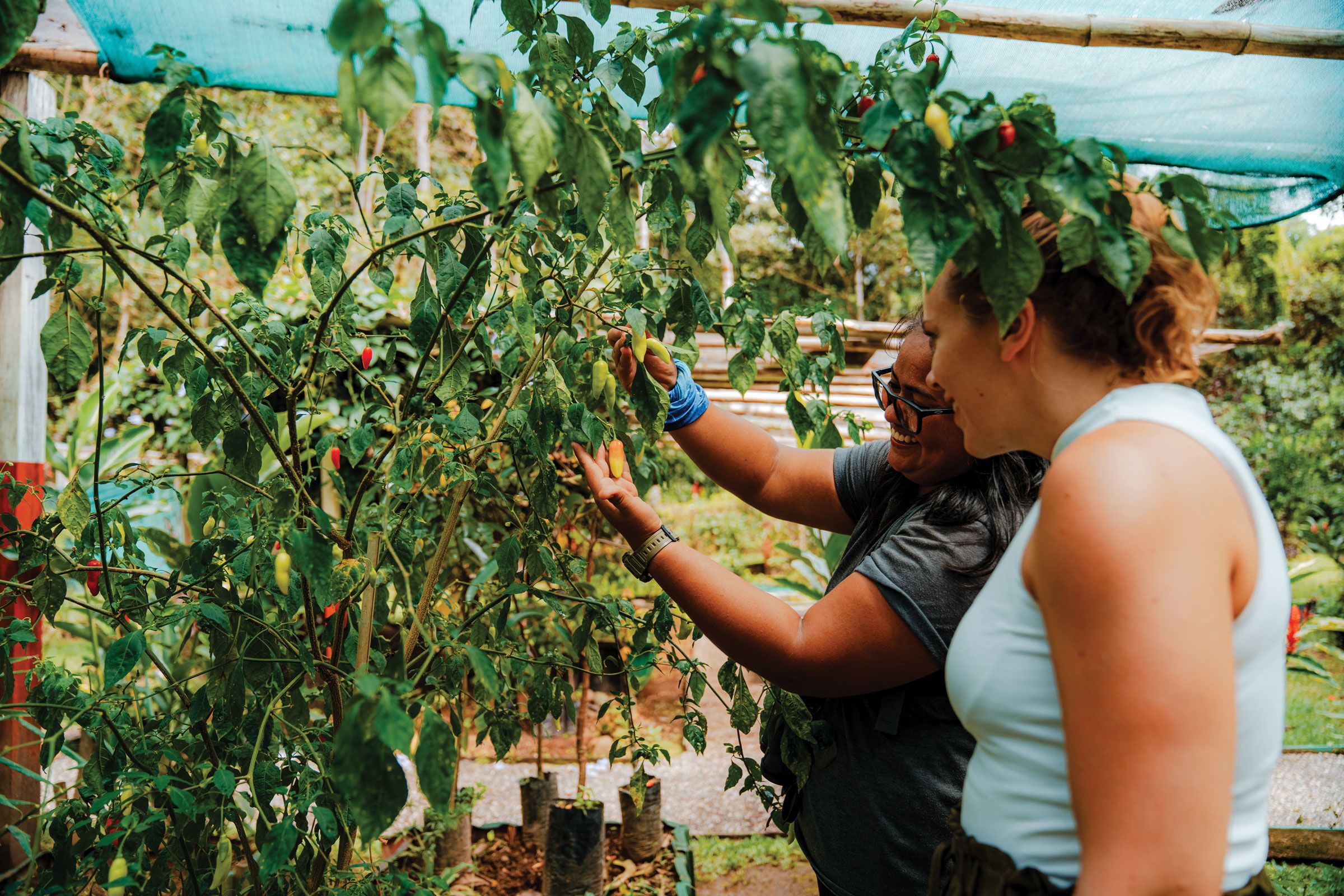
Jacada Travel offers visits with local farmers. (Photo by Alicia Warner/Jacada Travel)
Jacada Travel offers visits with local farmers. (Photo by Alicia Warner/Jacada Travel)

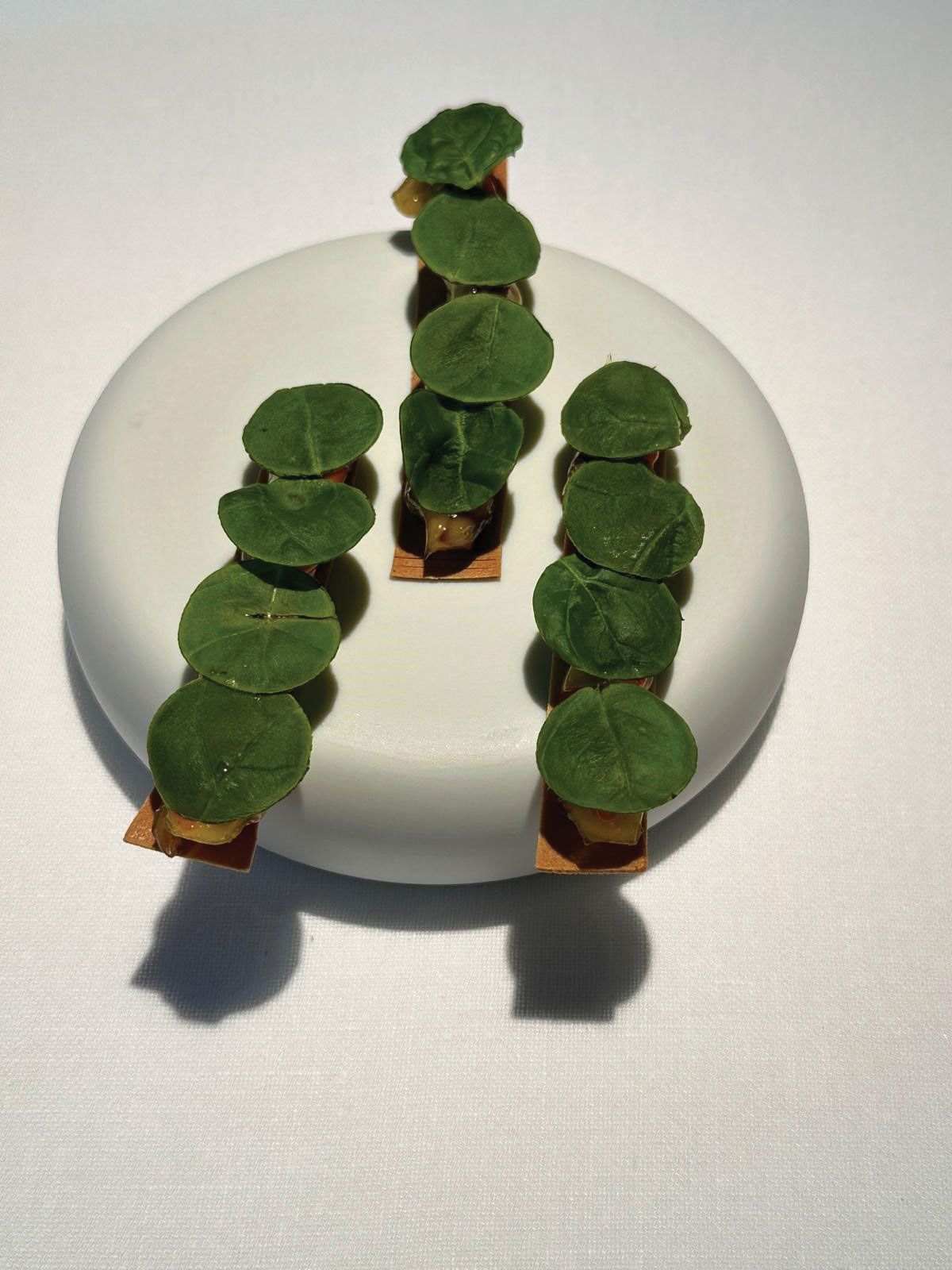
VS Luxury Experiences arranges client meals such as this creative dish at Atrio in Caceras, Spain, that has three Michelin stars. (Courtesy of VS Luxury Experiences)
VS Luxury Experiences arranges client meals such as this creative dish at Atrio in Caceras, Spain, that has three Michelin stars. (Courtesy of VS Luxury Experiences)

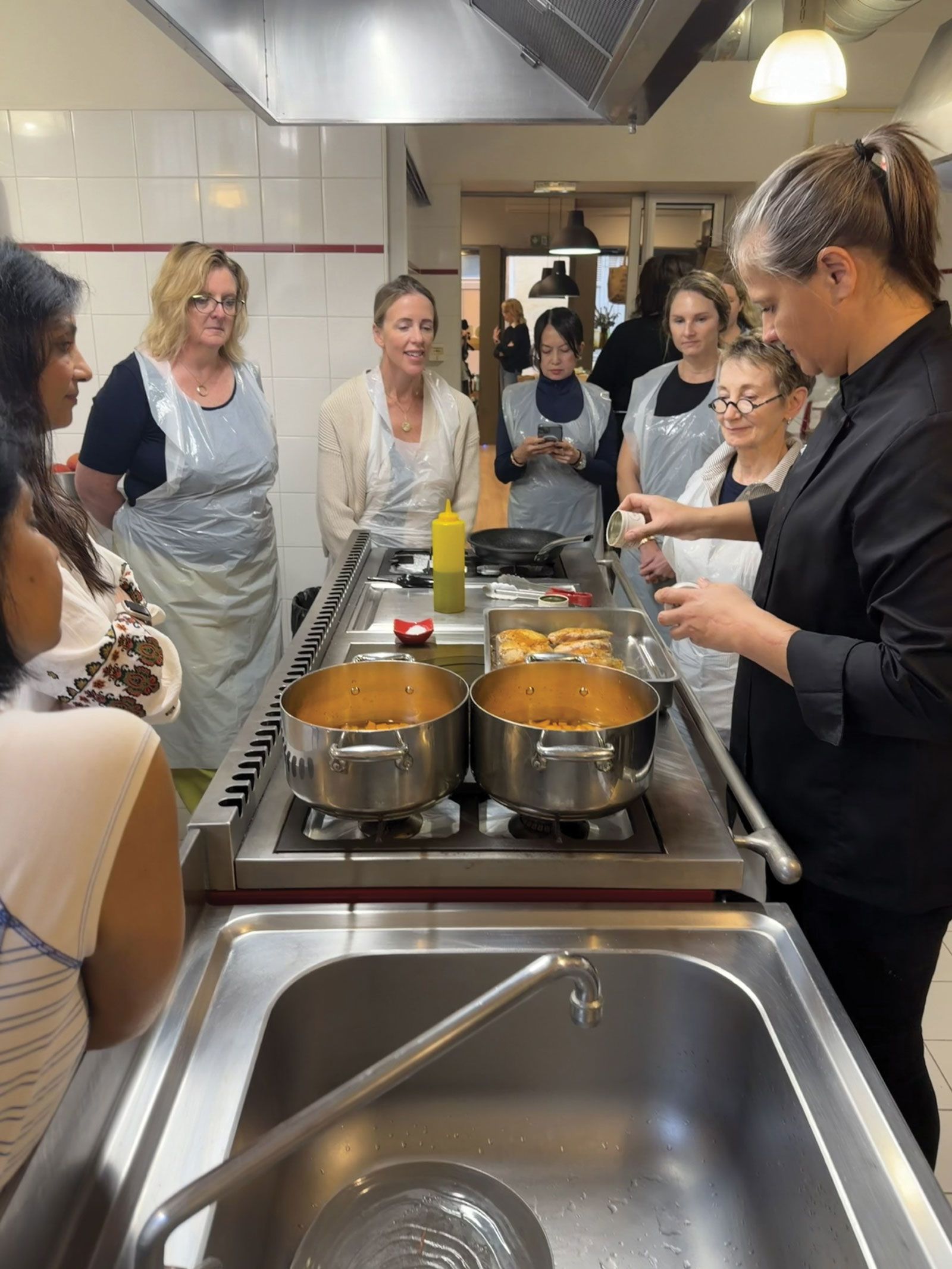
Merry Jennifer Markham attended a private cooking class in Aix-en-Provence, France, where she sampled the type of experience that her clients say they want on their foodie itineraries. (Photo by Merry Jennifer Markham)
Merry Jennifer Markham attended a private cooking class in Aix-en-Provence, France, where she sampled the type of experience that her clients say they want on their foodie itineraries. (Photo by Merry Jennifer Markham)
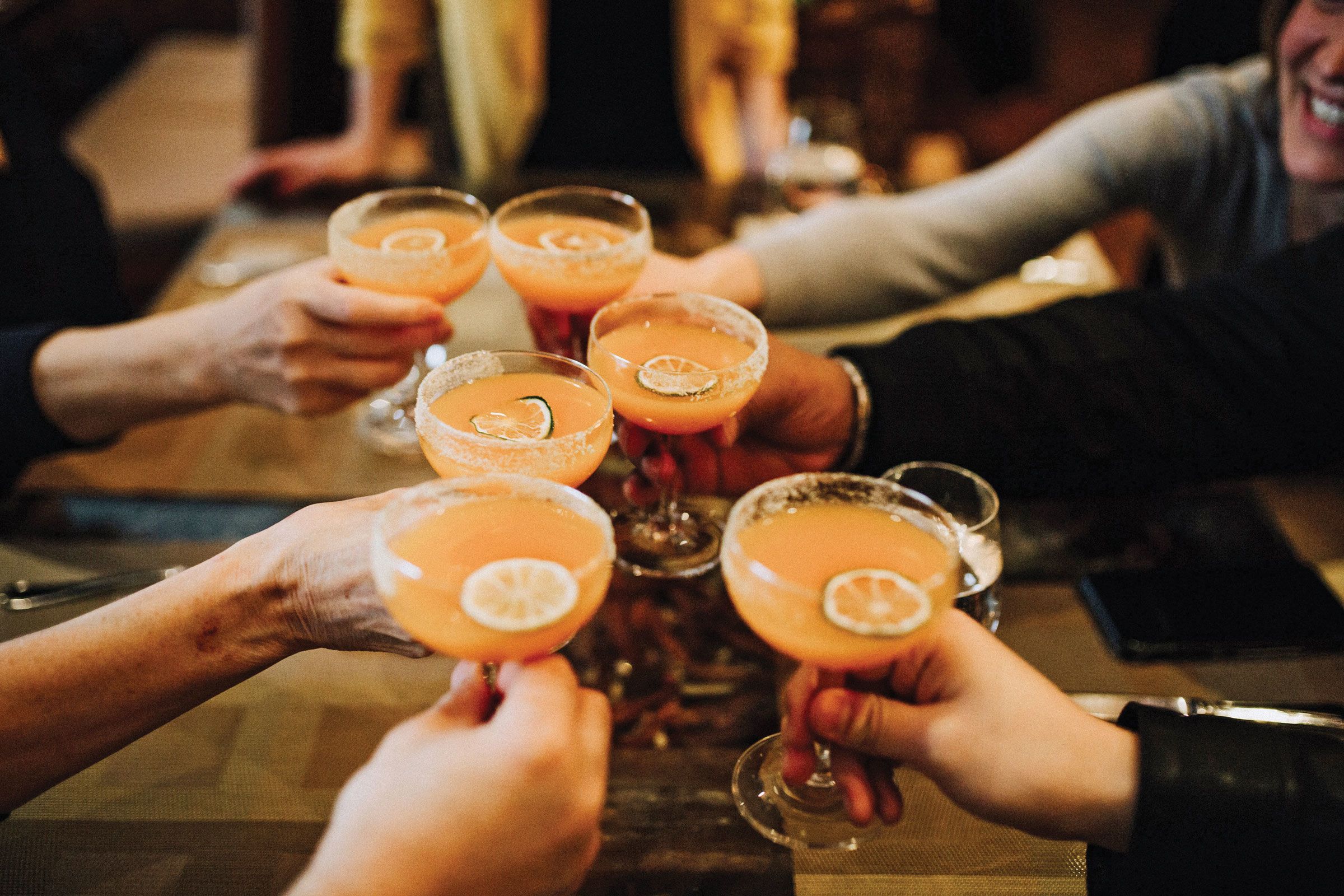
Diners toast during a meal arranged by Avital Experiences. (Courtesy of Avital Experiences)
Diners toast during a meal arranged by Avital Experiences. (Courtesy of Avital Experiences)
‘Unbuyable experiences’
Clients who book an itinerary with travel advisor Lange Taylor, the founder of Taylor Luxury Travel in Richmond, Va., are almost guaranteed a fine-dining experience. It’s become “par for the course,” Taylor said.
But what really stands out, he said, are what he calls “unbuyable experiences.”
Of course, these unique experiences come with a price tag, but what they can’t be, Taylor emphasized, is replicated. Think of a custom tasting menu in a vineyard, surrounded by vines of fat grapes and the hum of nature as the sun dips over the horizon, or shadowing a chef at a farm-to-table restaurant’s property to literally watch the meal go from land to plate.
Such experiences aren’t new, but demand for their inclusion on itineraries continues to grow and have become a frequent expectation from clients. These immersive, hands-on encounters are the next step for fine dining, he said. His job as their travel advisor is discovering “an experience for them that will define the destination.”
For example, one client who visited Spain was interested in the country’s famous cured ham. So Taylor arranged for them to visit an Iberian pig farm to meet the farmers raising the animals and to learn about their life cycle, acorn diet and curing process after their eventual slaughter.
The experience enriched his client’s itinerary, which, of course, included fine dining. Jacada Travel is observing the same.
It’s not enough to have a delicious meal, said Heather Evans, the tour operator’s client experience director. Now, travelers want to personally meet the chef and even cook alongside them, which is an experience Jacada arranged for travelers who visited Cambodia, where they went to a chef’s home for a personal cooking lesson.
And it’s a trend that’s only becoming more global and finding a way onto all sorts of itineraries for the luxury bespoke tour operator and safari specialist. Even clients on safari expect immersive, farm-to-table dining experiences when they aren’t trekking through the bush in search of Africa’s Big Five, Evans said.
“In 2026, the ultimate culinary status symbol is no longer the reservation,” Evans said. “Instead, it is the intimacy of the setting and the human connection behind the plate.”
Audley satisfies clients’ appetite for food adventures

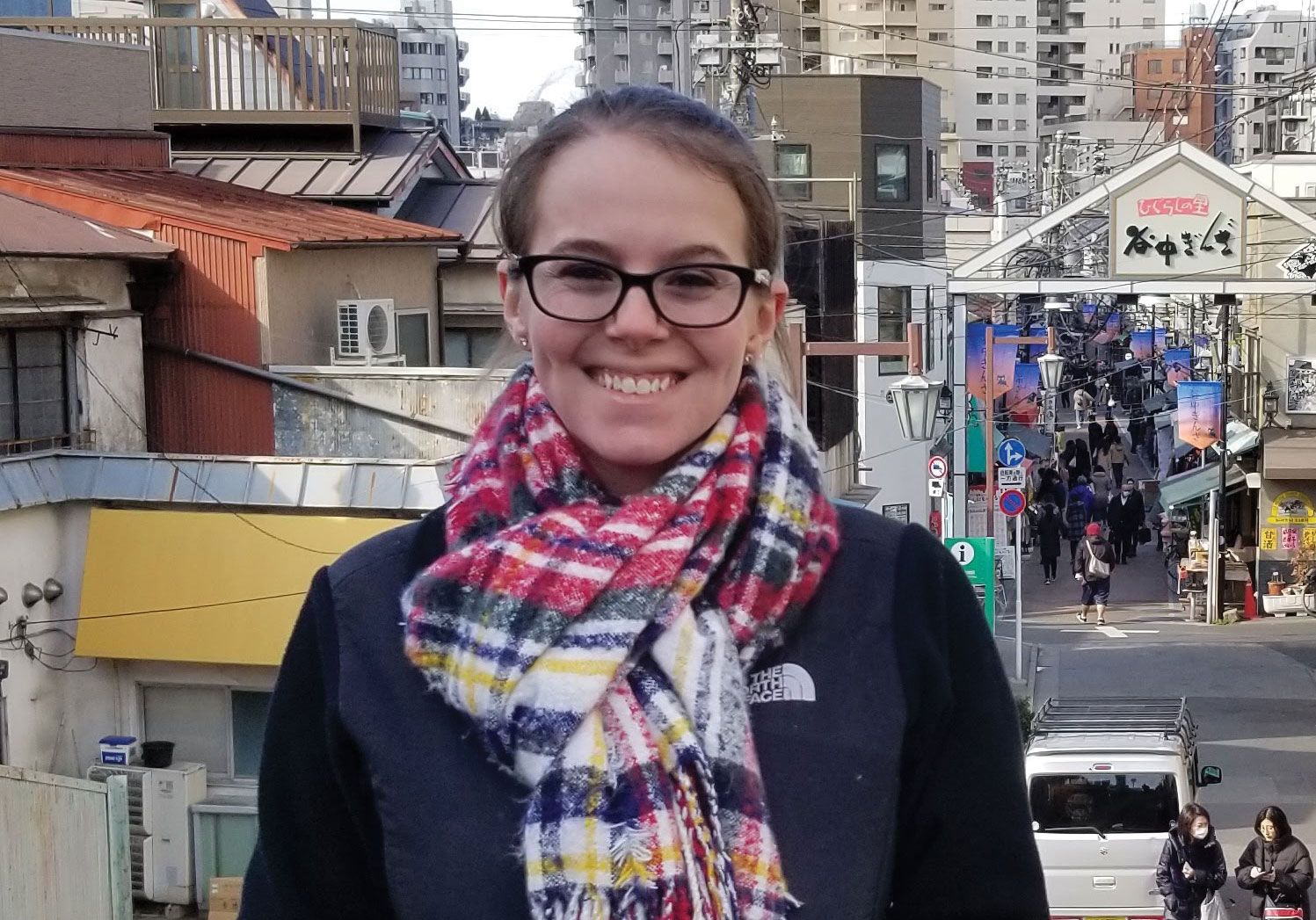
Audley Travel product manager Lauren Coppola (Courtesy of Lauren Coppola)
Audley Travel product manager Lauren Coppola (Courtesy of Lauren Coppola)
Audley Travel, a custom tour operator, relies on connections forged by its destination specialists, who have lived in-country and visit it annually, to uncover unique and hands-on culinary experiences that aren’t available to the general public.
Travel Weekly spoke with Lauren Coppola, Audley’s product manager, about what culinary excursions clients want on their itineraries and how the idea of fine dining has evolved.
Q: What are clients asking for these days when it comes to fine-dining tourism?
A: We definitely have more people coming and asking about not only fine dining but where can you learn about where the fine-dining restaurants source their food? What about sustainable fine-dining options? The other difference that I am seeing is that there is an acknowledgement and an understanding that fine dining doesn’t only mean dining in Paris or in London. Look at Lima; it has some of the top restaurants in the world. You can go to Thailand, which was the first destination in Southeast Asia with Michelin stars. You can go to Michelin-star street-food stalls on a tour in Singapore.
Q: Is the idea of fine dining evolving?
A: I think the idea of luxury clients and dining has evolved a little bit and is not just set menus in sort of a traditional fine-dining setting, but they want to know a little bit more about where the food is sourced from or get something a little bit more personal.
We have a chef’s table experience in Bangkok, for example, that goes down really well with clients. It’s now not just going and sort of ticking the box and saying, “Oh, you know, I ate at Noma [in Copenhagen].” But now it’s more about getting to go to Gaggan in Bangkok and maybe see [Gaggan Anand] on his way in and get to chat with him a little bit, or maybe get to see into the back in some of the restaurants that we visit, which we can arrange in a few different places. It’s definitely been an evolution, not only in style but an expansion of destinations and a bit better awareness that there is actually fine dining to be had, really, all around the world.
Q: I’m hearing a lot about experiential culinary offerings. What hands-on experiences does Audley offer?
A: It’s a relatively new apiary experience, where you can do beekeeping in Italy. We do have truffle-hunting excursions and things like that. We have foraging in certain places that you can do, mostly in Europe. I think people are interested to go out to the market and see where their food is sourced from. With a lot of our cooking classes, you’ll buy the ingredients at the market first and then learn to cook. We have a lot of clients who are coming in, and maybe they’re planning their trip around a couple high-end restaurants that they want to visit. They might be going to Tokyo and have made their own reservations at a few high-end restaurants, but then they want us to make sure that they get to see the sushi market ahead of time. I would absolutely say that experiential food stuff has gotten much bigger.
— Brinley Hineman