
Consumer editors roundtable • Part 1 of 2
Editors without borders
The Travel Weekly Consumer Editors Roundtable moved to Scotland this year, where top U.S. editors were joined by U.K. colleagues for a deep dive into global travel trends.

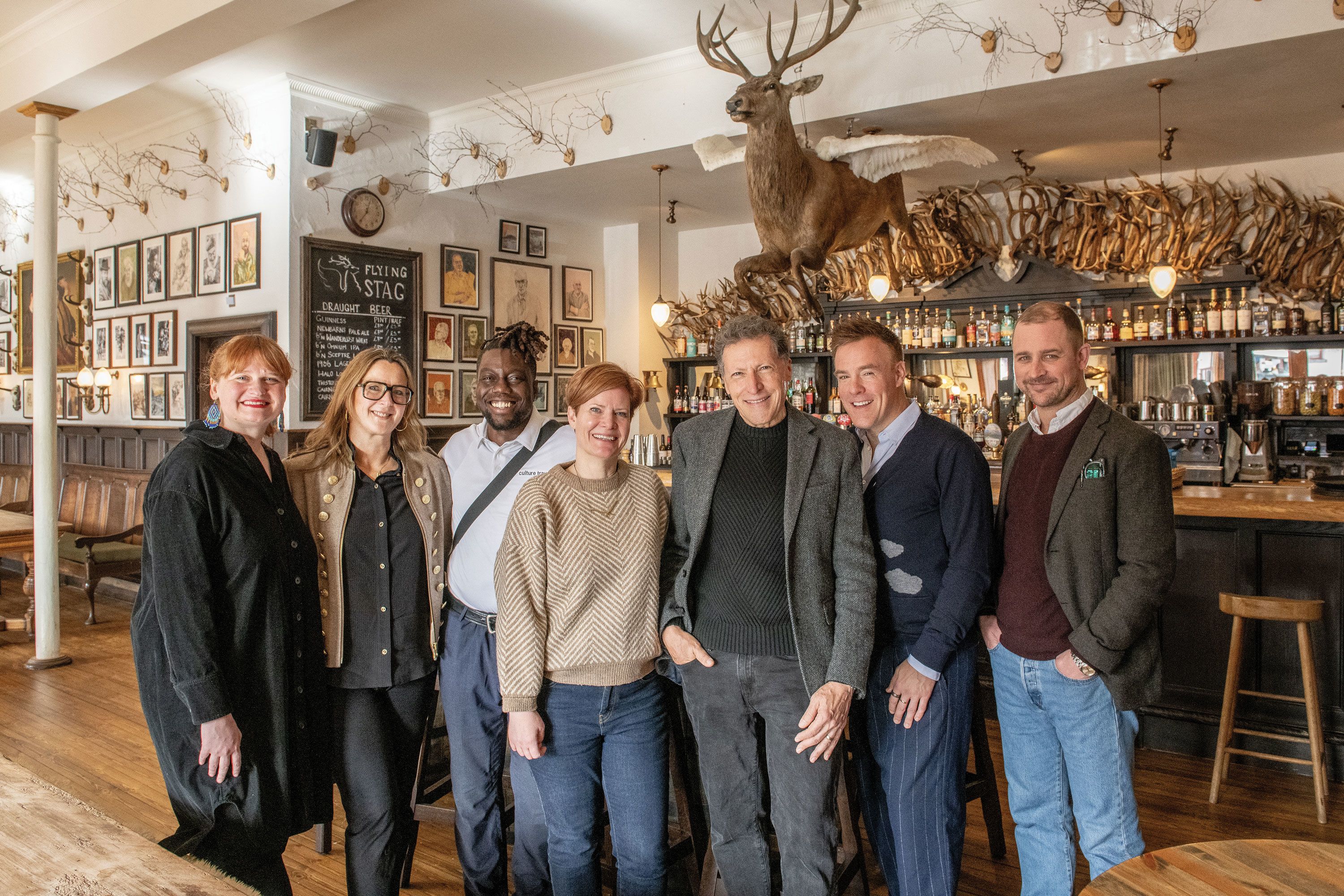
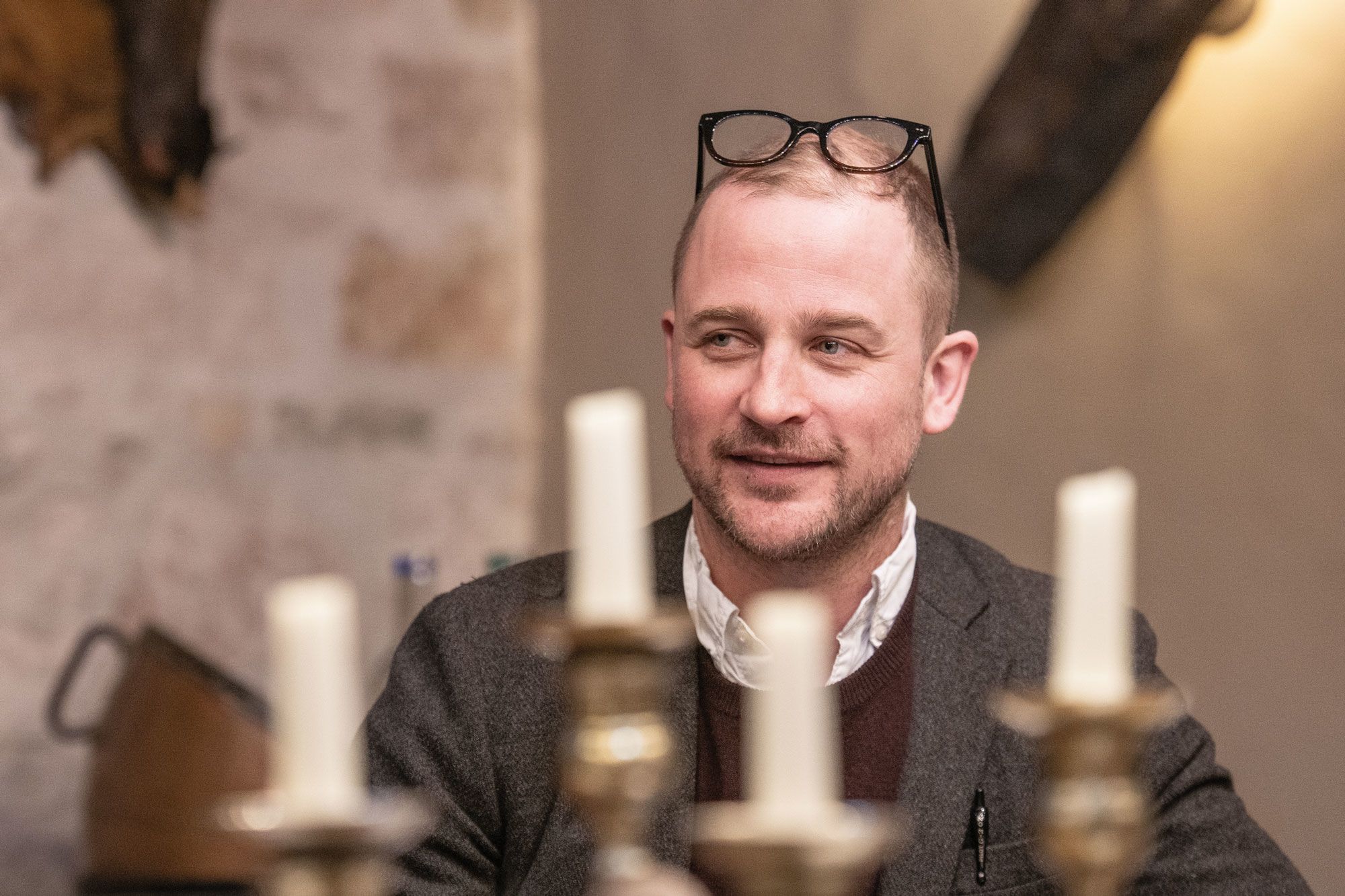
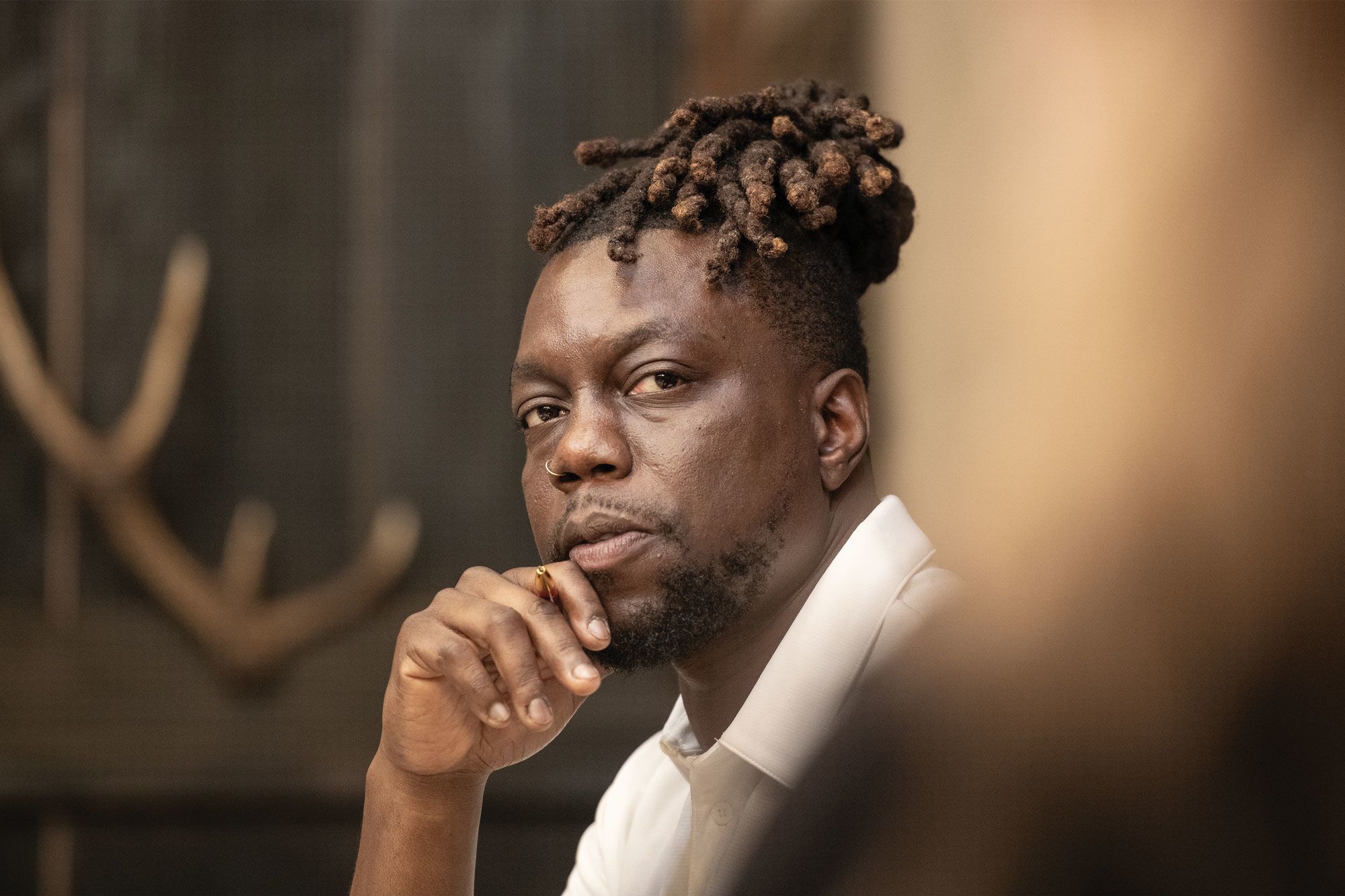
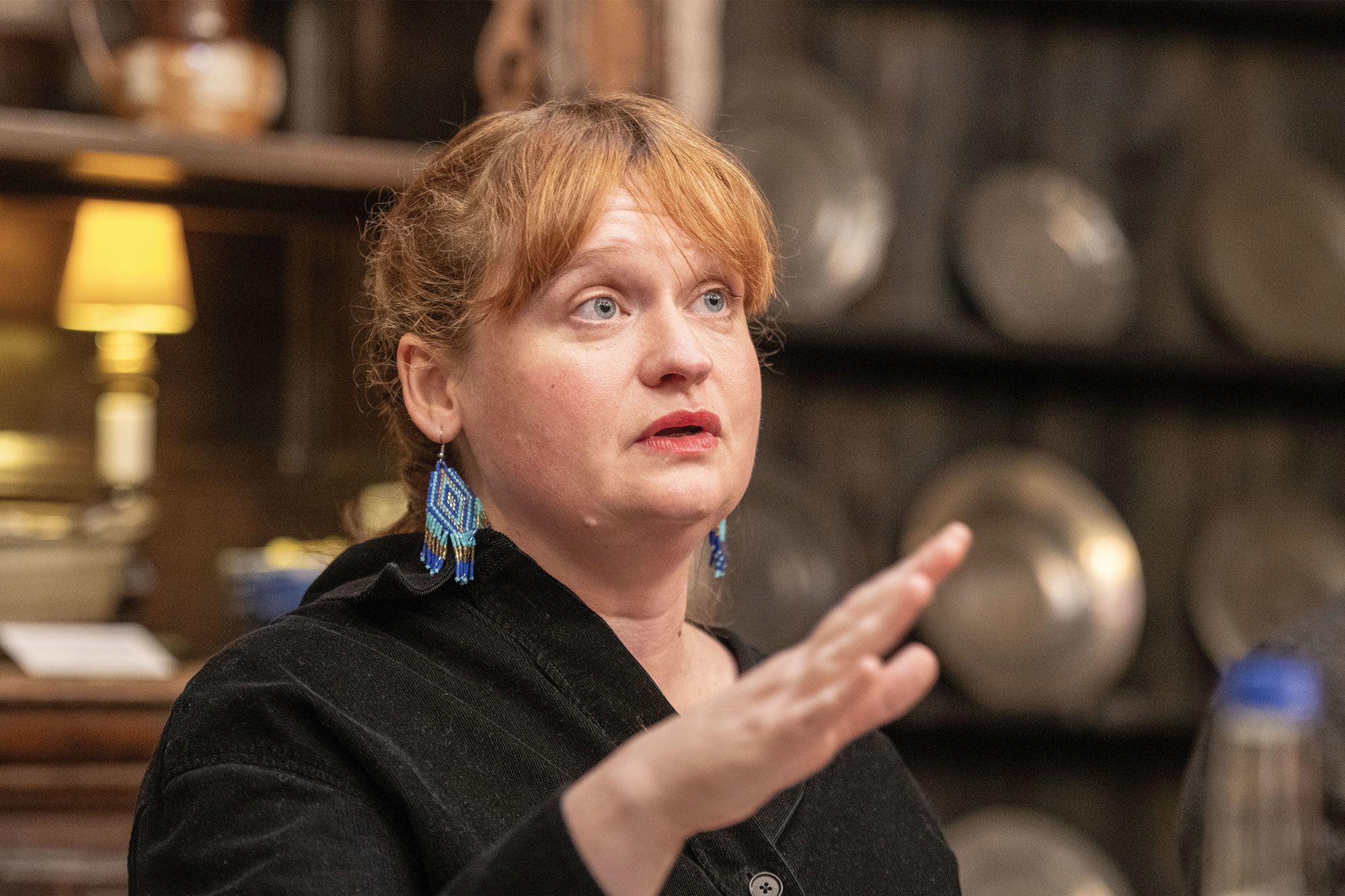
Participants in the 2025 Consumer Editors Roundtable gathered in the Flying Stag Pub at the Fife Arms in Braemar, Scotland. From left, Julia Cosgrove of Afar; Claire Irvin, The Times/Sunday Times; Leroy Adams, Culture Travels; Amanda Canning, National Geographic Traveller/U.K.; Travel Weekly editor in chief Arnie Weissmann, who moderated the panel; Mark Ellwood, The Robb Report; and Jesse Ashlock, Conde Nast Traveler. (Photos by Steve Rennie)
Participants in the 2025 Consumer Editors Roundtable gathered in the Flying Stag Pub at the Fife Arms in Braemar, Scotland. From left, Julia Cosgrove of Afar; Claire Irvin, The Times/Sunday Times; Leroy Adams, Culture Travels; Amanda Canning, National Geographic Traveller/U.K.; Travel Weekly editor in chief Arnie Weissmann, who moderated the panel; Mark Ellwood, The Robb Report; and Jesse Ashlock, Conde Nast Traveler. (Photos by Steve Rennie)
The Travel Weekly Consumer Editors Roundtable gathered in the small village of Braemar, Scotland, on March 7 for a wide-ranging discussion on changing travel patterns, the evolving definition of “all-inclusive,” private-jet travel, “thrillionaires,” the impact of geopolitics, luxury, resort fees, an increased focus on value, climate change, attracting Black travelers, overtourism protests and a real-life Westworld.
For the roundtable’s 19th edition, editors from Conde Nast Traveler, Afar, the Robb Report and Culture Travels were joined by the travel editor of London’s The Times/Sunday Times and the deputy editor of National Geographic Traveller/U.K.
Travel Weekly editor in chief Arnie Weissmann moderated the discussion.
The group was hosted by the 46-room Fife Arms, distinguished by its 16,000 antiques, pieces of art and “curiosities” that have been curated by its owners, the Swiss art dealers Iwan and Manuela Wirth.
The original transcript of the discussion has been edited for length, and the chronology has been altered to keep dialogue about specific topics together, though the topic might have recurred at intervals during the course of the conversation.

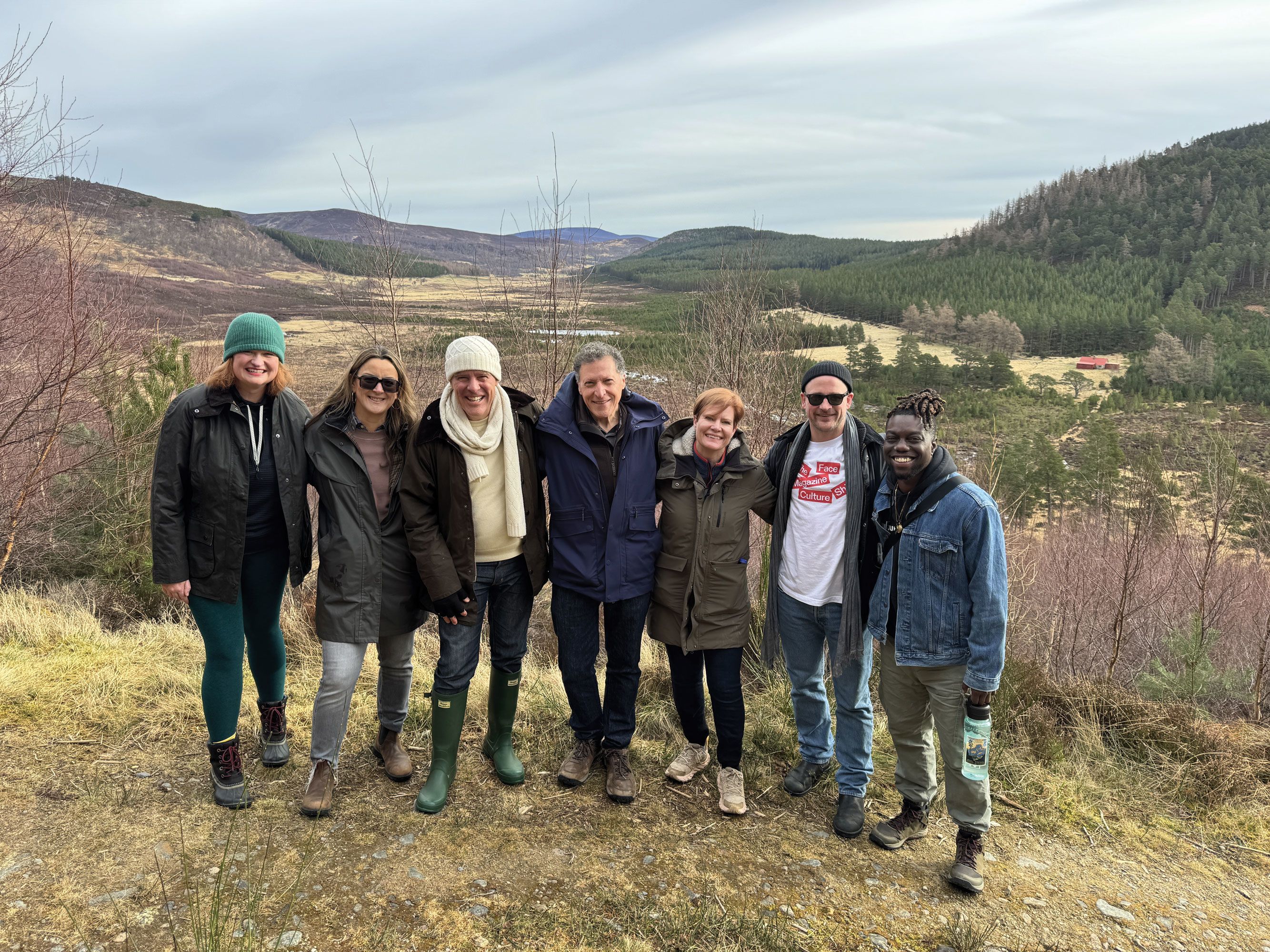
Participants did some hiking in Scotland’s Cairngorms National Park during a break from the Consumer Editors Roundtable. (Photo by Alice Marshall)
Participants did some hiking in Scotland’s Cairngorms National Park during a break from the Consumer Editors Roundtable. (Photo by Alice Marshall)
Arnie Weissmann, editor in chief, Travel Weekly: This is the first time we’ve had participants from outside the U.S., so let’s begin by comparing notes on trends each of us is seeing on our respective side of the Atlantic. Amanda?
Amanda Canning, deputy editor, National Geographic Traveller/U.K.: Travelers from the U.K. are moving away from traditional European destinations, partly in reaction to the effects of climate change. For maybe the last three summers, there have been stories of insane heat and wildfires in Southern Europe, where people had traditionally wanted to go for summer holidays. Now, it’s just out of bounds; we’re not going to go there. And every summer, in Barcelona and Majorca, there are protests about overtourism. People are looking at alternative destinations, and that means that the Alps are getting more popular in Central Europe. And because the snow is less reliable than it was 10 years ago, ski resorts are staying open during the summer and offering hiking and mountain biking. Northern Europe is getting more popular.
Mark Ellwood, editor at large, the Robb Report: I’m really interested in the overtourism protests. Do you think that has driven behavior, truly?
Canning: I think with a certain type of traveler. You know, you’re seeing stories on the news every evening and you think, oh, am I actually welcome? Do I need to be thinking about going somewhere else? Mass tourism is obviously still going to happen, but I think a certain proportion of more sensitive, responsible travelers may go elsewhere.
Jesse Ashlock, deputy global editorial director and U.S. head of editorial content, Conde Nast Traveler: Especially when you couple all that with rising costs.
Claire Irvin, travel editor, The Times/Sunday Times: I absolutely agree with everything you said, Amanda. Yes, rising temperatures are a concern. And yes, Jesse, value. So, our readers are very lucky. They are probably less affected by the cost of living crisis than the full demographic of U.K. travelers, but their focus on spend has changed. It’s not so much that they’re spending less than they want to squeeze more value out of it. When you layer all those things, the way that our readers consume travel journalism is very different since the pandemic; they have now become very accustomed to seeing travel in the news as well as in the travel pages.
They’re much more canny, not necessarily about how they book but how they think about their holidays. And as Amanda said, do I really want to go there if this is going on? Is there a destination that will offer me a similar cultural experience for less money and actually be an overall better experience because there are fewer tourists? The climate has made seasons longer and the off-season is the new on-season.
Julia Cosgrove, editor in chief, Afar: You can go to France and Italy; those countries will continue to be on the top of visitation lists probably for the rest of our lives. Go to France, but don’t go to the south of France. Go north.
‘For the last three summers, there has been insane heat and wildfires in Southern Europe. Now, it’s out of bounds – we’re not going there.’
Amanda Canning, deputy editor, National Geographic Traveller/U.K.

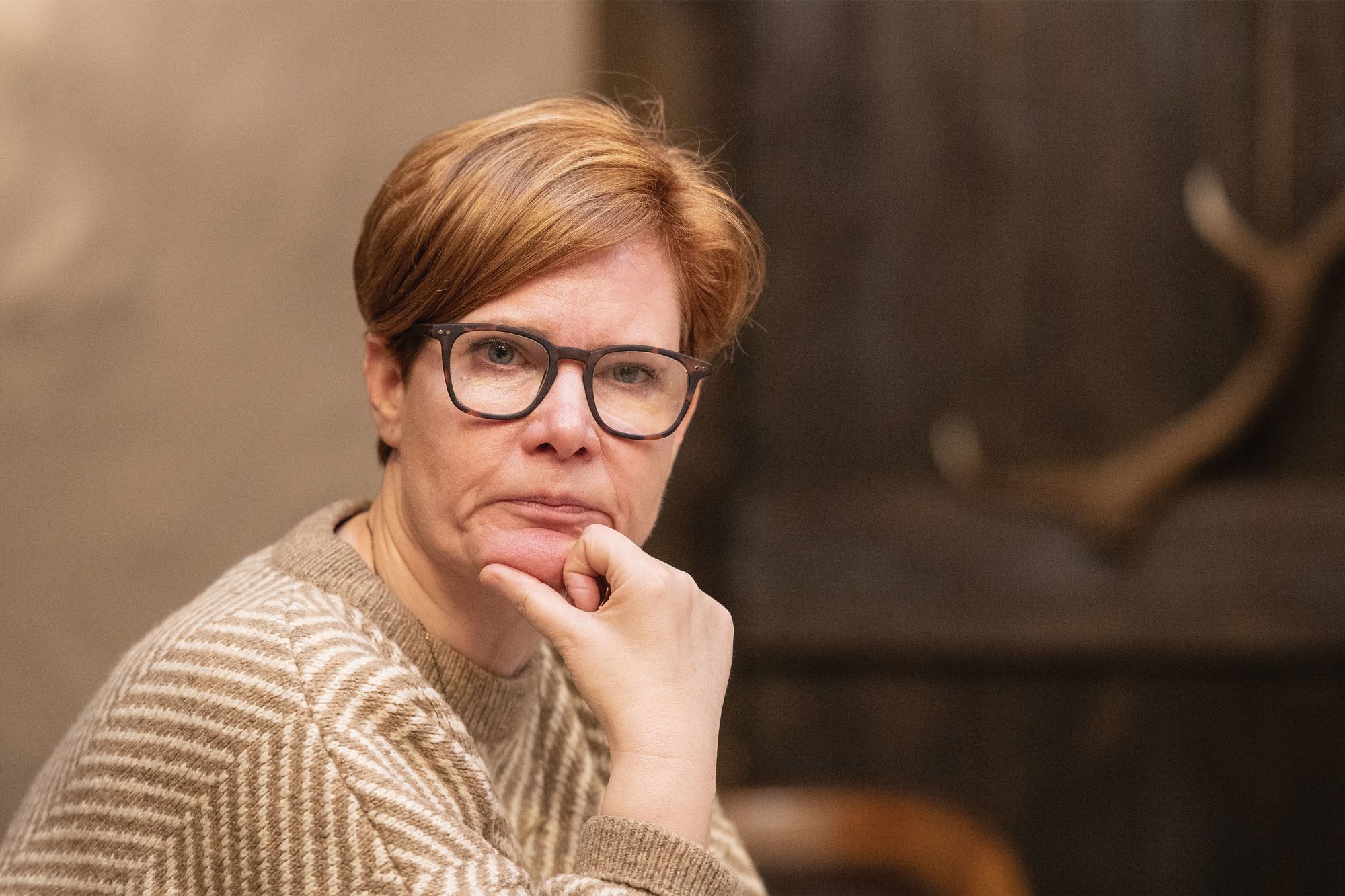
‘The climate has made seasons long and the off-season is the new on-season.’
Claire Irvin, travel editor, The Times/Sunday Times

Weissmann: It’s interesting what you were saying, Claire, in terms of the way travel-related journalism is now also in the news section. Are there other travel-related issues besides overtourism and climate change in the news? Have the shifts in geopolitical alignments had an impact on travel planning?
Irvin: In the short term, it has produced a positive reason for readers to travel. I know colleagues who are traveling to the U.S., for example, because they’re intrigued. They want to know what it’s like on the ground in D.C., for example. They want to experience this extraordinary shift in geopolitics firsthand.
Ashlock: It’s like rubbernecking on the freeway.
In North America, inbound Canadian tourism to the U.S. is definitely taking a hit, and it’s going to last. We’re seeing a huge resurgence in Canadian pride and nationalism. The attitude of Canadians about coming to the U.S. is going to take a long time to recover.
Leroy Adams, editorial and media director, Culture Travels: To add to that point, I think there’s a real concern about the image of American travelers when they connect with people in different places as a result of this current administration.
Weissmann: There’s an assumption on the part of some Americans that they’re going into a world that’s hostile to them. But the political divide is worldwide, and I think you’re as likely to run into someone who pats you on the back as someone who slams the door in your face. I was buying a train ticket in Monte Carlo last week, and the agent asked where I was from. When I said New York, he recommended that I read one of Robert F. Kennedy Jr.’s books. He said every citizen in America should read them.
Ashlock: Perhaps. But America basically declared war on its allies. And that filters through to the general populace.
Adams: Do you think the general populace will differentiate between the government and its citizens?
Ashlock: People do conflate governments with people. I think that Americans generally have a really reductive and kind of monolithic view of Saudi Arabia, and it’s a vast country with a lot of variation that we just don’t understand. I fully support going to Saudi Arabia, and I fully disagree with the politics of the country. It’s really on us to recognize that the people who live in a place are not necessarily reflective of the policies of that place.
Ellwood: There are two ways to react to politics and travel. You can boycott; if you’re uncomfortable with Viktor Orban in Hungary, you think, “I prefer not to spend my money there.”
The other argument is that the way to make a difference is to go somewhere where you don’t agree with the regime in charge and engage. I can see arguments for both those positions. I don’t think there’s a right or wrong way.
Ashlock: I think that the fundamental question that we have to answer is, will you feel safe there? That’s the bottom line. And if not, you shouldn’t go there.
Adams: I interviewed the Ghanaian deputy CEO of tourism, and one of the things we talked about was how they’re really targeting African American travelers. But, I said, you live in a country that has outlawed homosexuality. How are you communicating to those travelers so that they will feel safe and welcomed?
His response was quite dissatisfying. He said, “Well, there’s an expectation that travelers will respect our local customs.” To some degree, I understand that. But there’s also an onus, a responsibility, on that destination when their laws directly attack someone’s identity. How can a gay traveler feel safe in that space?
Cosgrove: It’s kind of like Maslow’s Hierarchy of Needs. If it’s safe — check! — then it moves on to other factors.
Irvin: We have a really wide demographic of readers at the Times. We are fairly apolitical, and travel runs the gamut of the readership. But you will have individuals who, for example, feel uncomfortable about a country’s LGBTQ position.
It comes down to the individual and what they want from their travels. Are they going to just relax, switch off, digitally detox? Do they want to get under the skin of the country? Are they going to experience a cultural apex?
Ellwood: Do you see politics coming into the comments on travel stories?
Irvin: What comments are really focused on is, “Did the journalists pay for the holiday? If not, is that why they’re saying nice things?”
Weissmann: Leroy, on the question of safety, in one of your recent podcasts, you asked the question, “How does a destination attract the Black traveler?” Safety was a big piece of that, as I recall.
Adams: When it comes to African American travelers, safety is a high-priority concern. When a destination is communicating to Black people, you have to be real intentional about communicating about safety because you’re dealing with a group of people who have an inherent distrust of places, people, communities and systems outside of their community, and you have to overcome that.
In the U.S., we have sundown towns. These are places where African Americans, once that sun goes down, you need to get out of that city. You are not safe from mobs or the police. That still exists today in the U.S., mostly in the South. It’s something you have to consider when planning a trip. Green Book Global created an app that allows travelers to identify sundown towns and plan accordingly.
Weissmann: You’ve featured guidance to destinations that want to attract Black travelers.
‘The fundamental question for travelers is: Will you feel safe there?’
Jesse Ashlock, deputy global editorial director and U.S. head of editorial content, CondE Nast Traveler

‘Once that sun goes down, African Americans need to get out of that city. That still exists in the U.S.’
Leroy Adams, editorial and media director, Culture Travels

Adams: Across all our data, across all of our reviews and interactions with our readers, the sense of belonging is critically important to them. So, when I talk to destinations, I ask, how do you create a sense of belonging? Are there experiences that tailor specifically to my cultural heritage, and if so, what does that look like? Are there businesses that cater specifically to my community?
The challenge, at least for destinations in the U.S., is that they haven’t tapped into that particular type of storytelling to connect my community to the destination. They’re not working with the business owners or tour operators in the community in a way that helps elevate their profile. They’re not uncovering new stories or stories that have been overlooked. San Antonio recently uncovered 60 Green Book locations, and Auburn (N.Y.) is excavating the legacy of Harriet Tubman. We put it out there, and the engagement was insane. People wanted to go there.
So, if I go to your website and social media accounts and see myself and experiences that I can recognize myself in, I’m much more inclined to visit that place. But when I, as a traveler, have to do all the research myself, I can actually become less engaged with the destination.
We try to instill into the minds of our audience that they belong everywhere, and in the end, to attract them, you just need basic storytelling, not entirely different from what’s done to attract other travelers.
Ashlock: Leroy, you mentioned Auburn and San Antonio. What would you say are some other destinations that are doing a good job with storytelling?
Adams: I mentioned Ghana earlier, and it’s just off the charts. Lisbon has done a phenomenal job. What’s helped them both are the African American expat communities who have moved there and immersed themselves in those communities, then shared the stories out.
Bali has done a great job, benefitting significantly from the Black expat community there, which has created experiences, events, festivals. Rwanda and Kenya are other ones.
Weissmann: Leroy, are you familiar with what AmaWaterways has done with their Soulful Experiences? Are you familiar with what other companies in the travel industry might be doing that’s similar?
Adams: AmaWaterways has done a really phenomenal job with that. I haven’t really seen any others. I think a part of it is that you have to do your homework first in identifying those stories. AmaWaterways had to identify, what does Black cultural heritage and history look like in these destinations? That is work. That takes time.
Even in San Antonio, the African American Museum there knows there are 60 Green Book locations, but we’re having the damnedest time bringing Visit San Antonio into that and elevating these stories and these experiences in a way to attract Black travelers.
Cosgrove: There are other domestic DMOs, like Destination D.C. and Visit Baltimore, that say, “This is a place where you’ll be welcome because these are places that have really rich Black histories.” You don’t have to be Black to want to learn about it.
‘The political divide is worldwide. You’re as likely to have someone pat you on the back as slam a door in your face.’
Arnie Weissmann, editor in chief, Travel Weekly


Weissmann: Going back to Maslow’s pyramid: For a lot of travelers, decisions are 100% at the top of the pyramid, not the bottom. Safety is a given for them. They want pampering, and if not luxury, high value. Perhaps taking a cruise or staying at an all-inclusive. I’m not sure politics or safety really enter into the decision-making for them.
Cosgrove: And interestingly, all-inclusives are trying to appeal to the luxury, top-of-the-pyramid, as well.
Ellwood: I’ve got a friend who’s opening a hotel, Pensione America, in Tuscany, in the area that I used to go to every summer as a kid. And we would go full board: the hotel would cater breakfast, lunch and dinner. She’s offering full board again, which is essentially all-inclusive, but she’s not calling it all-inclusive. She’s calling it villeggiatura, that old tradition in Italy where the hotel takes care of everything and you don’t have to think about it. This is a very expensive throwback, but she thinks it will speak to value, especially to Americans. You can also eat at any of her hotels and the beach club as part of that full board deal.
Ashlock: It’s like a cruise. We actually need a whole lot more words than “all-inclusive.”
Ellwood: Many safaris are all-inclusive. But people who are snobs about all-inclusive would clutch their pearls to hear their beloved safari camp described as all-inclusive. But it is! And look at how all the large hotel chains have sort of snaffled up all the small all-inclusive boutique groups.
Partly, an expensive hotel might be all-inclusive because it wants you to spend all your money with them. But partly, there is the pain of constantly signing a check. Aman used to have the staff memorize what you looked like so that you were never presented a bill at the bar. It was almost as if you were drinking for free. And as things get more expensive, I think people would rather budget from the beginning and say, “You know what? Four grand a night, and I know it will be no more. That’s OK.” But not two grand a night, and, oh, breakfast is $500, and dinner is $700. That is the same money, but it feels like it’s more expensive.
Adams: Just give me the price up front, the full price. If you’re traveling with a family, you need to know what those costs are. Airlines, too; allow us to budget accordingly so that there are no surprises along the way.
Ellwood: There is less slight-of-hand hucksterishness when you’re honest about everything. I was at a wedding in Miami recently over a holiday weekend, so the rates were high for this perfectly nice four-star hotel. And sure enough, when I checked out, there was a $50 resort fee. And suddenly my $700 room was probably closer to $1,000, all in. And you know what? I thought about the terrible cocktail I’d had by the pool. If that was a $1,000 room, that mojito could have been colder. You fixate on the failures of the hotel because you feel that the relationship with it has been slightly adversarial.
Canning: It’s such a short-sighted policy when you come away feeling like you’ve been cheated, thinking “I’m not booking that experience again.”
Ellwood: I think there are interesting ways that people are trying to show value. Airelles, which will always be the top ADR in its market and will be proud to be so, has someone who wrangles turndown gifts. You don’t get a chocolate, you get a monogrammed ski jacket. Extraordinarily expensive treats. And the reason they do that is because it makes the guest feel like they got better value. It’s a business strategy. The rate is not inexpensive, but the relationship is generous. Suddenly you’re not thinking, “I paid the most I could possibly have paid for a hotel room,” but, “Gosh, I got a free jacket!”
It’s a good way of saying we are unapologetically expensive but with great value for money. And they have good repeat rates.
Canning: If you come away feeling special, you don’t feel that you’re just part of a financial transaction.
Irvin: This is the kind of value equation our readers are looking at. Not what’s the cheapest, but what’s the best value.
‘This agent created Westworld for his guests, full-on.’
Mark Ellwood, editor at large, the Robb Report


‘That, to me, is the absolute antithesis of authentic travel.’
Julia Cosgrove, editor in chief, Afar

Weissmann: The hospitality industry used to talk about amenity creep. Now, perhaps, it’s luxury creep. How high can it go?
Canning: The definition of luxury travel has changed. It’s more about bespoke experiences that no one else will have rather than five-star service and bling. There are a couple of companies in the U.K. offering that kind of high-level, bespoke experience, and obviously, you’re paying a lot for it. Do you know Black Tomato in the States? They have a load of bespoke experiences, some horrible but some really nice. They have one called Get Lost. They won’t tell you where you’re going. They’ll just plop you in some strange destination and you have to get out with a series of clues. It’s a luxury experience for someone who wants to come back with a story that no one else has.
Ellwood: I write about this quite a lot. I call them “thrillionaires.” Pelorus did a vacation where a group of men went on a jungle trek in a Southeast Asian country, and their guide told them there had been some guerrilla activity in the area but not to worry, it had calmed down. But the next day, guerillas came and kidnapped them all, and they were held, sort of in chains, until the man who had organized the trip for his buddies broke them out and was the hero of the day. And after he did so, all the guerrillas started applauding, because they were hired hands. It was Westworld.
Canning: Were his friends happy?
Ellwood: They were clearly one-upsmanship kind of friends. And they were like, “Well done!”
The story got optioned for film because it was so surreal.
What Neil Fox does with Based on a True Story is the same thing. You’re not just going on vacation, you are stepping into a world. A travel agent told me there’s a ranch you can rent, one of the Koch brothers’ ranches, that is a Western town, and this agent created Westworld for his guests, full on. They had populated it with every kind of person you can imagine from Westworld, but real people rather than robots. These guys arrived in a jet and then stepped into Westworld.
Cosgrove: That, to me, is the absolute antithesis of authentic travel.
Ellwood: It’s not something I’d like to do, but it’s fascinating. Since we can go anywhere in the world, the next level is to create your own world.
Cosgrove: The real world is just so wide and rich. There’s no way these guys have possibly experienced it all, but they go and pay for what is in essence a contrived experience.
Ellwood: I think that the rise in air cruises is really interesting. I took one about halfway around the world and there were many, many upsides. For example, Rapa Nui is hard to reach and not a typically gorgeous Polynesian island. You don’t really want to spend a week there. You’d much rather spend a compressed time, and unless you’re flying private you can’t do 24 hours in Rapa Nui.
But those trips are really, really exhausting. I got off midway through, and my group of 15, who were in their 50s, 60s and 70s but very fit and very well-traveled and enormously interested and interesting, were all sick as dogs by the end of the trip. Physically sick. Someone got whooping cough, and then everyone got it, because those air cruises are really exhausting on your body. You’re going around the world in 21 days, and it is more tiring than you’d expect.
Cosgrove: Are the destinations truly benefiting from that sort of parachute in-and-out? Because the tourism dollars aren’t really staying with the local communities. And the guests aren’t really having any kind of deeper experience.
Ellwood: The one that I went on had very little free time, which was something people complained about. It was 5 a.m. till 10 p.m. every day. I think that if there had been more free time, there would be more money going to the local economies. The hotels that we stayed in were all good local hotels. We had our own tour leader, but there were local guides. And I agree with you: I think there is another challenge there.
Ashlock: Even if there were more free time that could benefit local economies, this is the absolute antithesis of slow travel. Trends emerge, and yet there’s this countervailing trend. But I think slow travel is really important and critical for the way that travel can benefit the world. I do not think that what you’re talking about is good for the world.
Ellwood: I disagree. One of my assumptions was that these were people who were box-checking at the end of their life when they finally had time, but absolutely no one was that person. Many had been to almost everywhere on the itinerary before, including Rapa Nui, and were just excited to do it a different way. They were very engaged, incredibly informed travelers with very deep pockets.
Ashlock: And enormous carbon footprints.
Ellwood: I think it’s easy to make lots of assumptions about the people who take the air cruises. The people I traveled with were an absolute joy. They are obsessive travelers for whom that was just another trip.
 Built with Shorthand