



Last week, we caught up with 10 newcomers to the industry. This week, we tap travel educators for insights on what newer advisors like them can expect.
By Jamie Biesiada
May 26, 2025



While the oft-used idiom “drinking from a fire hose” might seem cliche, it’s the perfect way to describe what a travel advisor’s first few years in the business can feel like.
That’s how Diane Petras, president of the Travel Institute, described year one and two of being in the business.
“It really is the fire-hose experience,” she said. “You’re learning everything. You’re meeting people. You’re learning about suppliers. You’re understanding finances. It’s a lot, but you will get your footing, and then I think this is the time when they start to fly.”


Diane Petras, Travel Institute
Diane Petras, Travel Institute
Last week, we featured a group of 10 people who entered the industry as travel advisors in the past two years, the first in a series of updates following the “Class of 2024.” All but one are still actively selling travel, and they’ve all experienced ups and downs as they navigate the industry and the travel advising career.
This week, in the second installment of this series, we asked three seasoned travel industry educators about the most common pitfalls advisors face at this point in their careers and what they can do to overcome them and grow a flourishing agency: the Travel Institute’s Petras; Heather Kindred, program director of Travel Leaders of Tomorrow; and Alvin Adriano, ASTA’s director of education.
These educators said that while the metaphorical fire-hose flow may slow after the first year or two, daunting tasks still await: learning the art of saying “no” and having the discipline to do it; learning to work on their business, not just in it; and navigating the vast worlds of training, specialization and technology.
“It’s a great time, I think, to be starting out,” Kindred said. “They have a year of learning behind them and years of learning ahead. It’s such an exciting industry. It’s a challenging industry but exciting.”
AN EDUCATIONAL STRATEGY
The travel industry is certainly not lacking in resources for new advisors. From groups like ASTA and the Travel Institute to host agency and consortia training, as well as supplier- and destination-specific training, newer advisors have an abundance of educational opportunities. In fact, there are so many opportunities that advisors are often faced with narrowing down how best to spend their time.
ASTA’s Adriano likened it to “analysis paralysis,” adding that advisors might be drawn into the trap of being “a jack of all trades but a master of none.” The plethora of training available, from destination to technology and beyond, can become overwhelming.
But Adriano emphasized its importance.

Alvin Adriano, ASTA
Alvin Adriano, ASTA
“Education is definitely the driver, the engine that drives successful travel advisors,” he said. “It’s just knowing when and where you are in your life cycle or your journey or your career, and making sure that you are taking development that’s in line with your overall strategy and focus.”
It can be hard to define that strategy and focus as a new advisor. Adriano recommended that new advisors create a large network of other advisors who have navigated the process — and then tap into their expertise. Even better is finding a mentor to provide guidance, advice and perspective.
Petras agreed.
“It really takes a village to train and bring somebody up to speed, because there’s theory, there’s hands-on and then there’s the business side,” she said.
Petras said the Travel Institute’s TripKit program trains advisors on the ins and outs of the industry, setting up a travel agency and other steps that lay the foundation. The advisor is then ready to take the next steps, such as identifying the right host agency.
She recommends focusing on the training and processes that will help them earn commissions (hosts often have strict rules on entering bookings, for instance).
Kindred echoed that advice. “Learn the tool that gets you paid, first and foremost,” she said. “You would be surprised how many advisors will do a nice booking and forget to put it in their commission-tracking tool that gets them paid.”

Heather Kindred, Travel Leaders of Tomorrow
Heather Kindred, Travel Leaders of Tomorrow
After that, Kindred recommended education on marketing and tools to bring in leads.
Once advisors recognize what they most want to sell, supplier training should be the next and ongoing target, Petras said. She also noted that ongoing training can be done in short bursts, like a webinar here and there, and doesn’t need to be heavily time-consuming.
Adriano also encouraged networking, both within the industry and with potential clients. Often, he said advisors hit a plateau in sales in the first two years because they’ve been banking on their own network for clients.
“One of the biggest pitfalls or challenges for advisors is really getting outside of their comfort zone, trying to find new network groups, finding other people outside their common group,” he said.
A DISCIPLINED APPROACH
At the one- to two-year mark in an advisor’s career, they’re often busy fielding inquiries. That is the fruit of their labors paying off, said Kindred.
“Occasionally, they get so busy that they don’t have that opportunity to keep working on their business,” she said.
It’s important to focus on marketing, lead generation, balancing communication and staying in touch with their existing client list, she added. Working on time management can be key to keeping advisors afloat.
“I try to teach our advisors the concept of discipline, because that’s really going to help you be successful and also stay focused,” Kindred said.
That often means saying no to things that don’t fit in with a business model, are unrealistic or that an advisor doesn’t have time for. Kindred has seen some advisors have success with implementing budget parameters, like only working with clients whose budgets are $5,000, $10,000 or more. That can help protect the advisor’s time.
Charging a fee can also help with time management, as it often weeds out tire-kickers.
“If you haven’t already done it, convert into a fee-based model,” Adriano said. “A lot of people get into the industry doing things for free, selling to friends and family, and they just don’t know how to showcase their value.”
He said he believes charging fees is key to growing and scaling a business, especially one that’s been operating for a few years. It helps agents showcase a higher level of advising while also providing another revenue stream.
Also key, he said, is ensuring advisors understand their responsibilities as business owners, something that ASTA’s educational offerings focus on. That encompasses accounting, financial stability and legal duties.
“Once you get to that two-, three-year [point] where you know that you’ve got some momentum going behind you, this is where advisors should start looking at ways to solidify their business and making sure that it’s future-proof,” Adriano said.
Petras agreed that understanding the financial model of owning an agency is important to success. Advisors should capitalize on the bookings they’re making, whether it’s by selling add-ons like pre- and post-cruise trips or insurance, or specializing.
“They need to focus on consistent revenue,” she said. “Where do I have a greater opportunity?”
Another part of that is repeat business. Advisors should do everything to keep their existing client base in place, Petras said. Focusing on client communication, being there for them and keeping them loyal will equate to a regularly recurring revenue stream.
FUNNEL PASSION INTO BUSINESS
Two questions Petras said advisors should ask are: Have you found your passion? And can that be parlayed into a niche market for you?
That passion can come in many forms, she said. It could be something an advisor collects. It could be a local club they’re a member of. But if it can be translated into travel of some kind, it’s much easier to sell — the sale of something related to one’s passion tends to be more natural.
It’s not necessarily about finding a niche market, she said, “but really finding your passion and things that you could specialize in.”
The earlier an advisor can identify a potential niche, the better it is for their business, Kindred said. Though finding the right niche early on in a career isn’t the norm.
“It can take a lot of advisors years, if not decades, to figure out what they really like doing,” Kindred said.
Niches can also be identified by networking and attending industry events, Adriano said. Attendees often come across a variety of agency business models and areas to specialize in, whether it’s sun and fun, weddings, Europe, or something even more specific. Networking tends to present opportunities and possibilities, he said.
Often, Adriano sees new advisors enter the industry without looking at their career as a business. They love travel, want to do it more and want to help others do it, he said. They lack the means to market and create visibility based on a business plan.
Like Petras, he encouraged advisors to ask themselves a series of questions: “Who do I really want to serve? Why do I want to serve them? And what products do I want to serve?”
Once an advisor identifies a niche, that’s when they can really start upselling and becoming more of an influence on clients’ travels.
“I think that’s really the evolution,” he said. “Once people get more familiar, they learn — instead of just book vacations — how to suggest and make recommendations.”
Whatever an advisor’s niche, Petras encouraged them to keep looking for opportunities — especially when they hit pitfalls.
“It’s probably one of the most exciting careers you can find. It’s so thrilling to travel, experience other cultures, really have a global perspective on life,” she said. “Keep your eye on the ball and keep your eye on opportunity, because whenever there’s a challenge, there is an opposing opportunity.”
‘Class of 2024’ snapshots: Scenes from their first year in the industry
They’re going to Walt Disney World (and many other places), while also networking and building up their client bases.

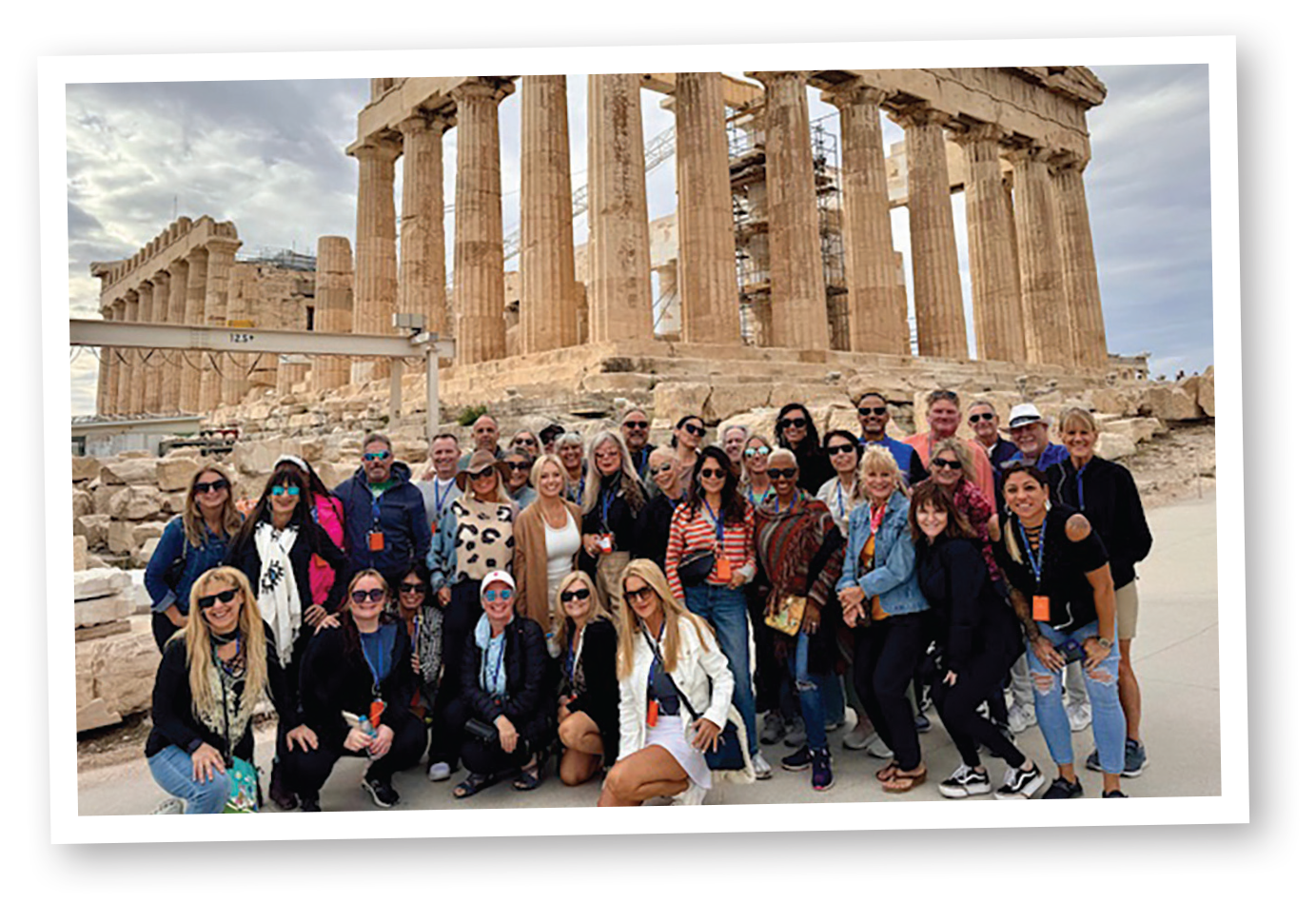
Last year, Scott Walker escorted groups to Greece as well as the Dominican Republic, Iceland and on a Caribbean cruise. (Courtesy of Scott Walker)
Last year, Scott Walker escorted groups to Greece as well as the Dominican Republic, Iceland and on a Caribbean cruise. (Courtesy of Scott Walker)
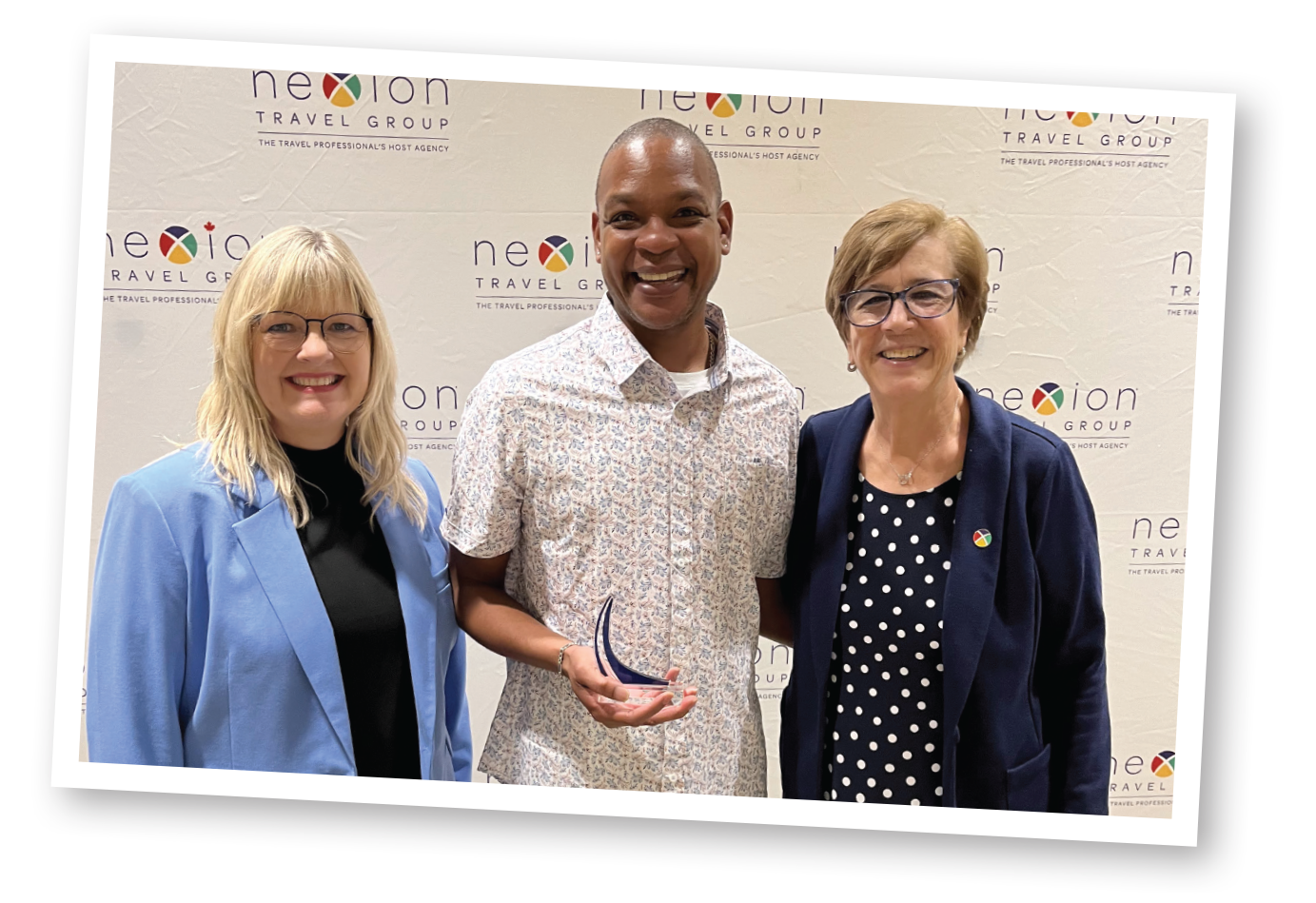
Anthony Roberts Jr., recipient of Nexion’s Everyone Is In Award, with Heather Kindred, left, and Jackie Friedman. (Courtesy of Anthony Roberts Jr.)
Anthony Roberts Jr., recipient of Nexion’s Everyone Is In Award, with Heather Kindred, left, and Jackie Friedman. (Courtesy of Anthony Roberts Jr.)
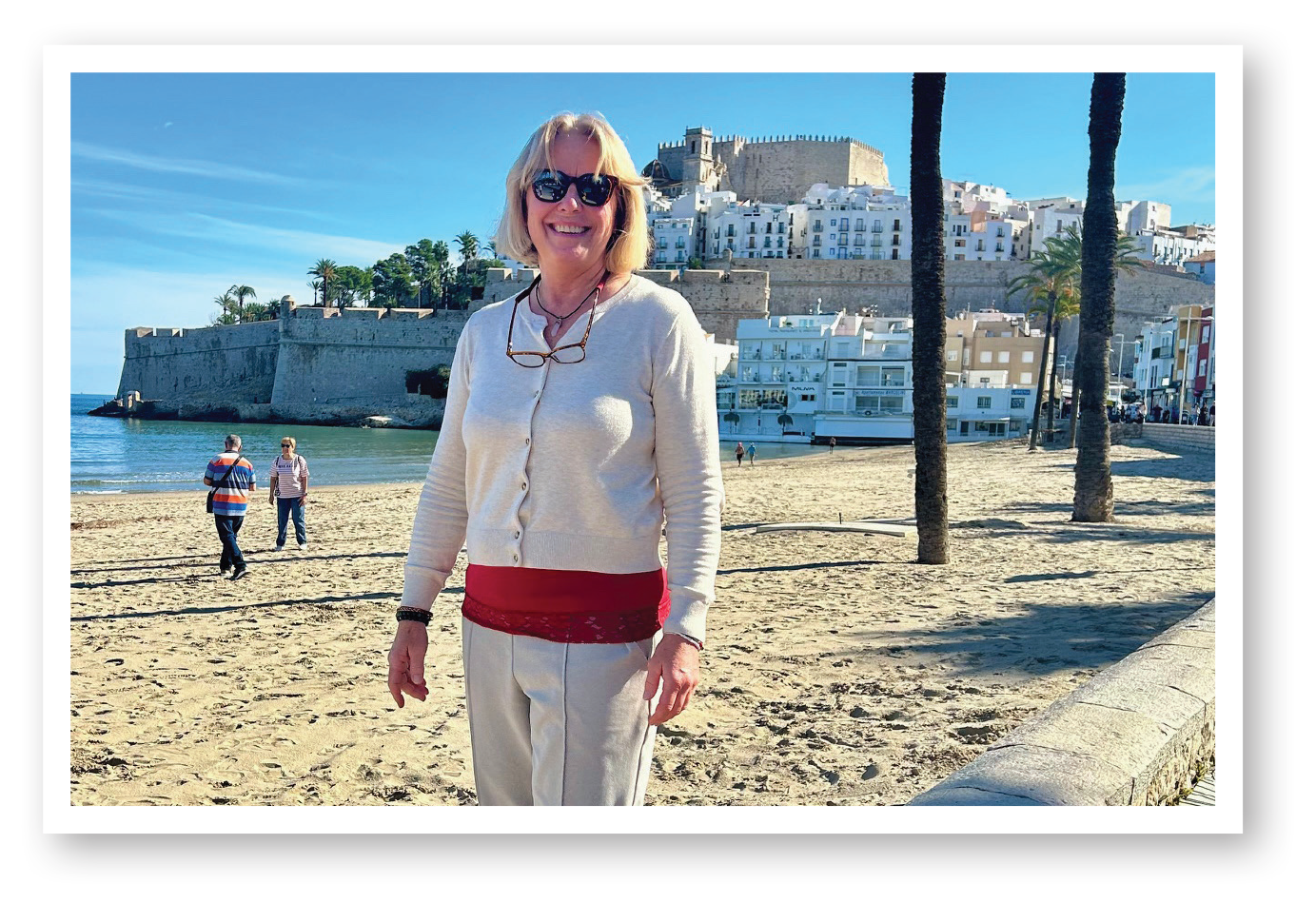
Brenda Pearson in Spain. In the past year she has also been on a river cruise, an African safari and to Antarctica. (Courtesy of Brenda Pearson)
Brenda Pearson in Spain. In the past year she has also been on a river cruise, an African safari and to Antarctica. (Courtesy of Brenda Pearson)

Steve Lubinski with his family at the Magic Kingdom. (Courtesy of Steve Lubinski)
Steve Lubinski with his family at the Magic Kingdom. (Courtesy of Steve Lubinski)
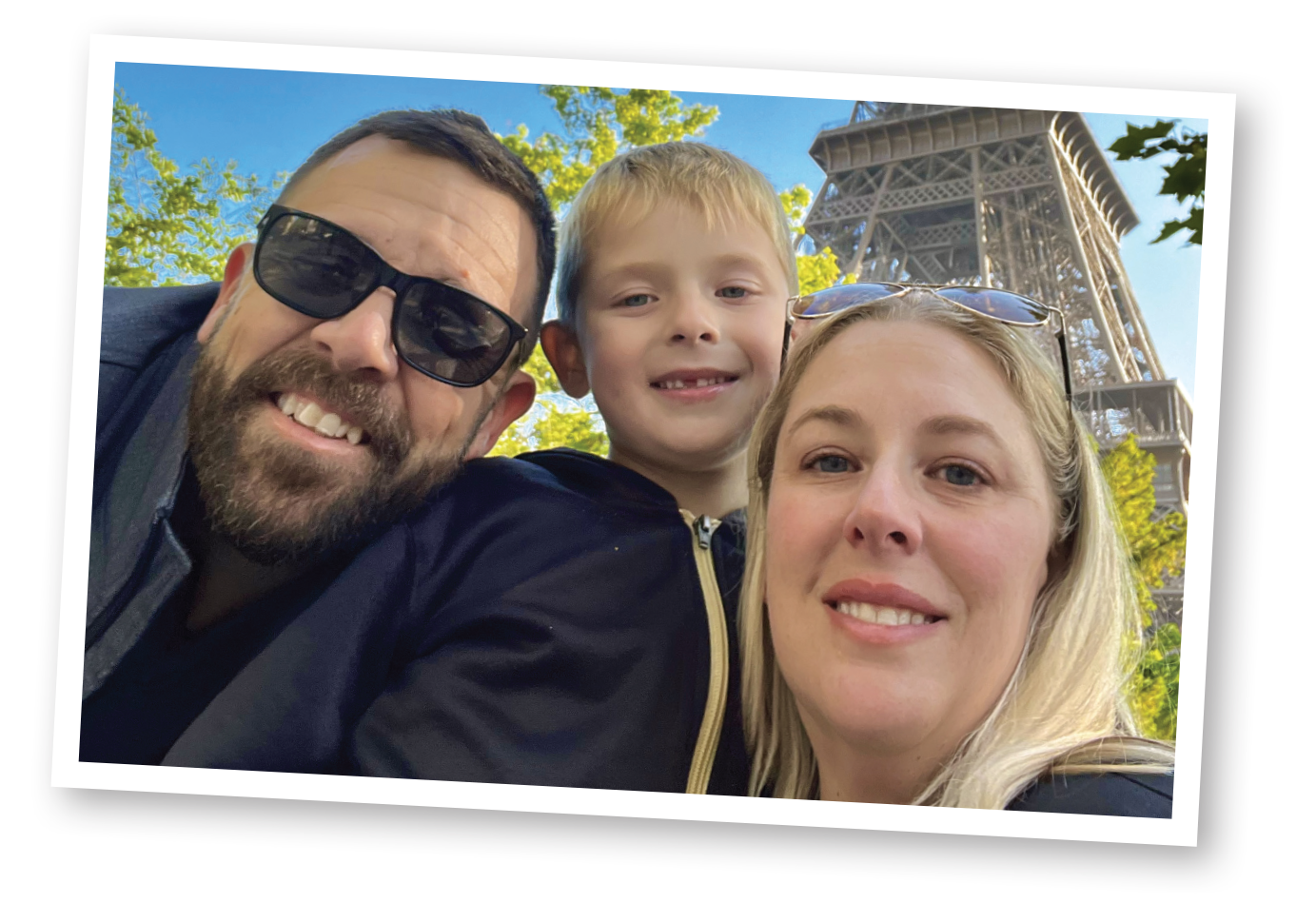
Stacey Love with her family in Paris. (Courtesy of Stacey Love)
Stacey Love with her family in Paris. (Courtesy of Stacey Love)
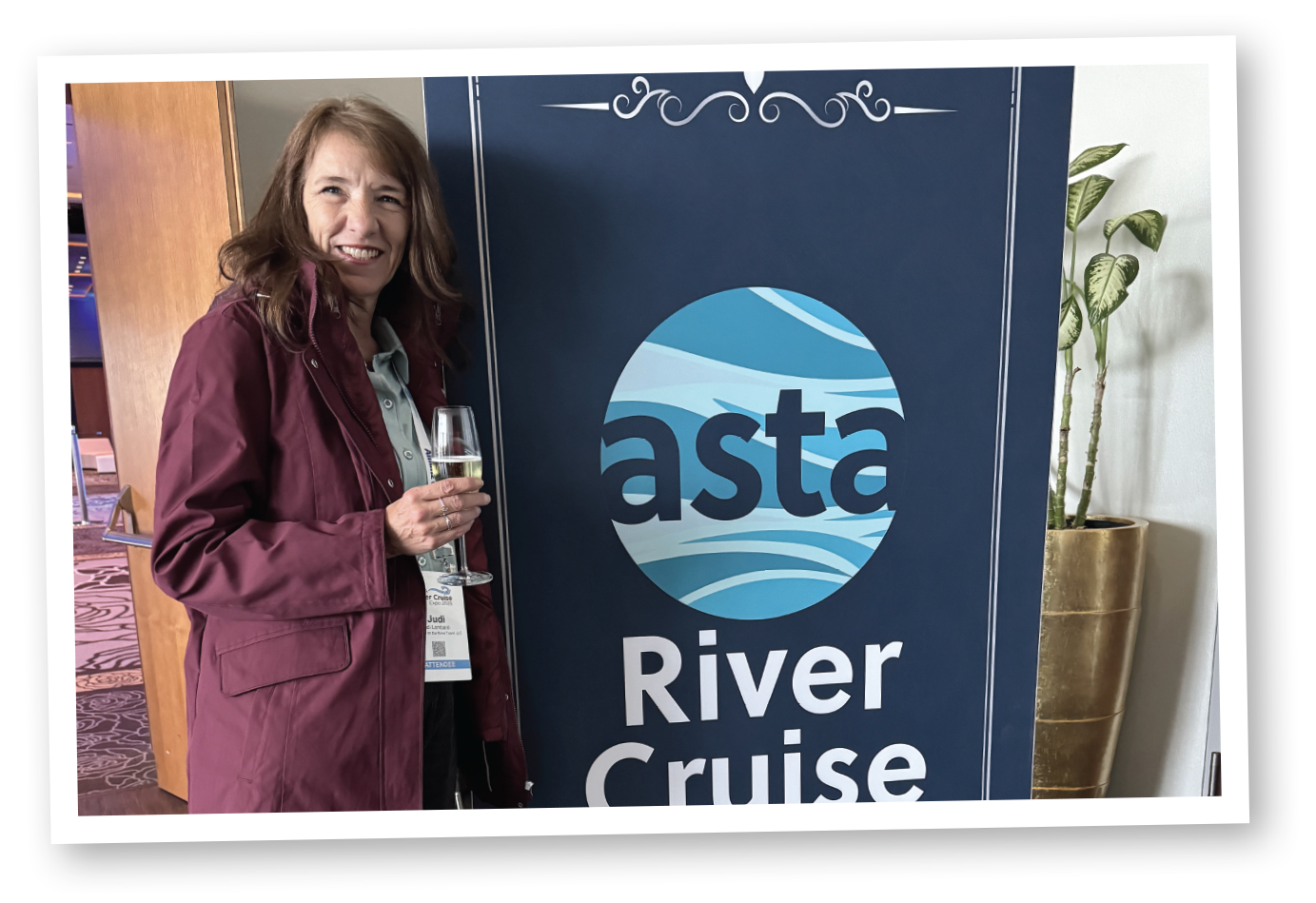
Judi Lombardi at the ASTA River Cruise Expo earlier this year. (Courtesy of Judi Lombardi)
Judi Lombardi at the ASTA River Cruise Expo earlier this year. (Courtesy of Judi Lombardi)

Mark Lee, left, and his husband, Rick Garcia, in St. Martin. (Courtesy of Mark Lee)
Mark Lee, left, and his husband, Rick Garcia, in St. Martin. (Courtesy of Mark Lee)
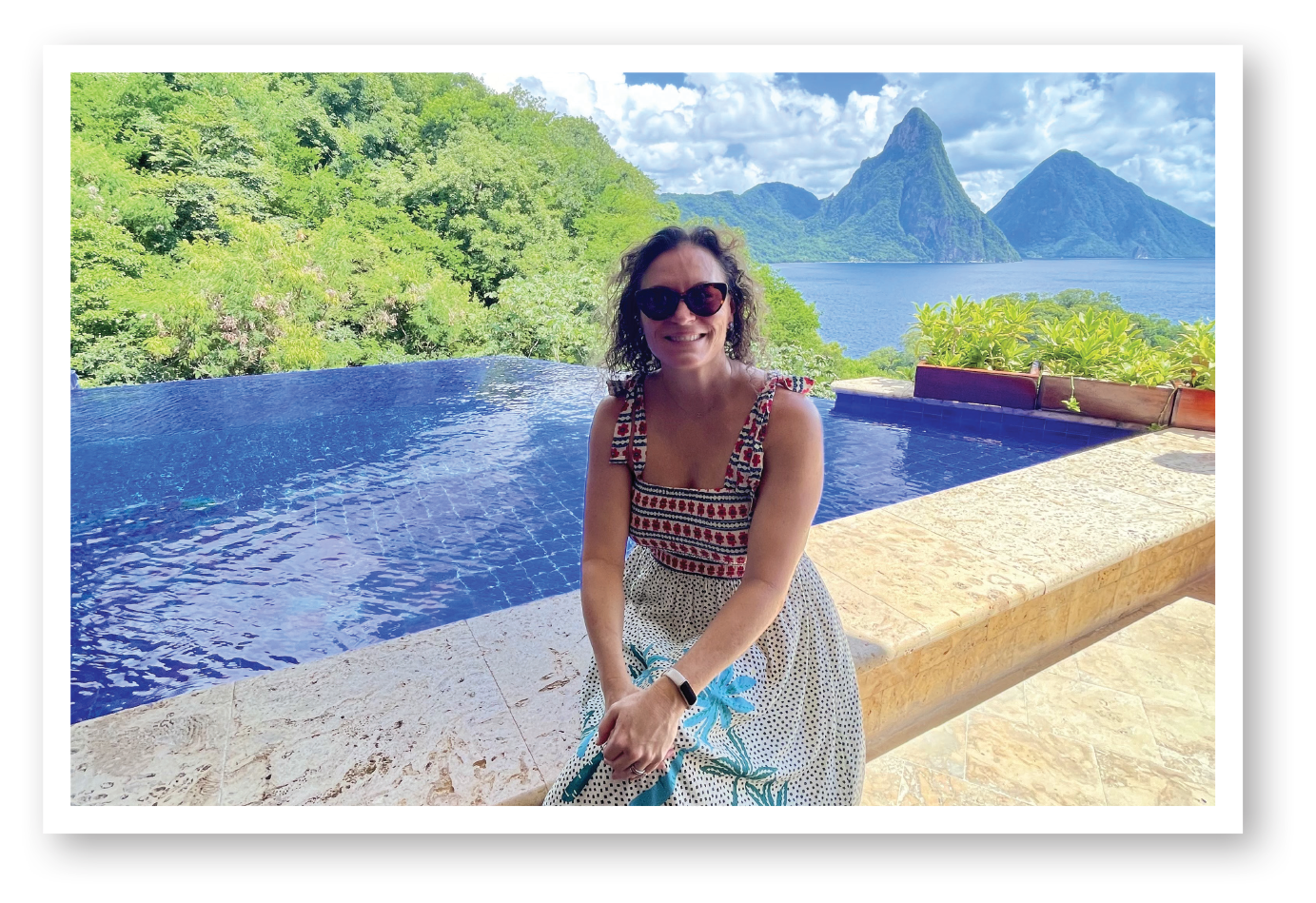
Shannon Kruse in St. Lucia. (Courtesy of Shannon Kruse)
Shannon Kruse in St. Lucia. (Courtesy of Shannon Kruse)
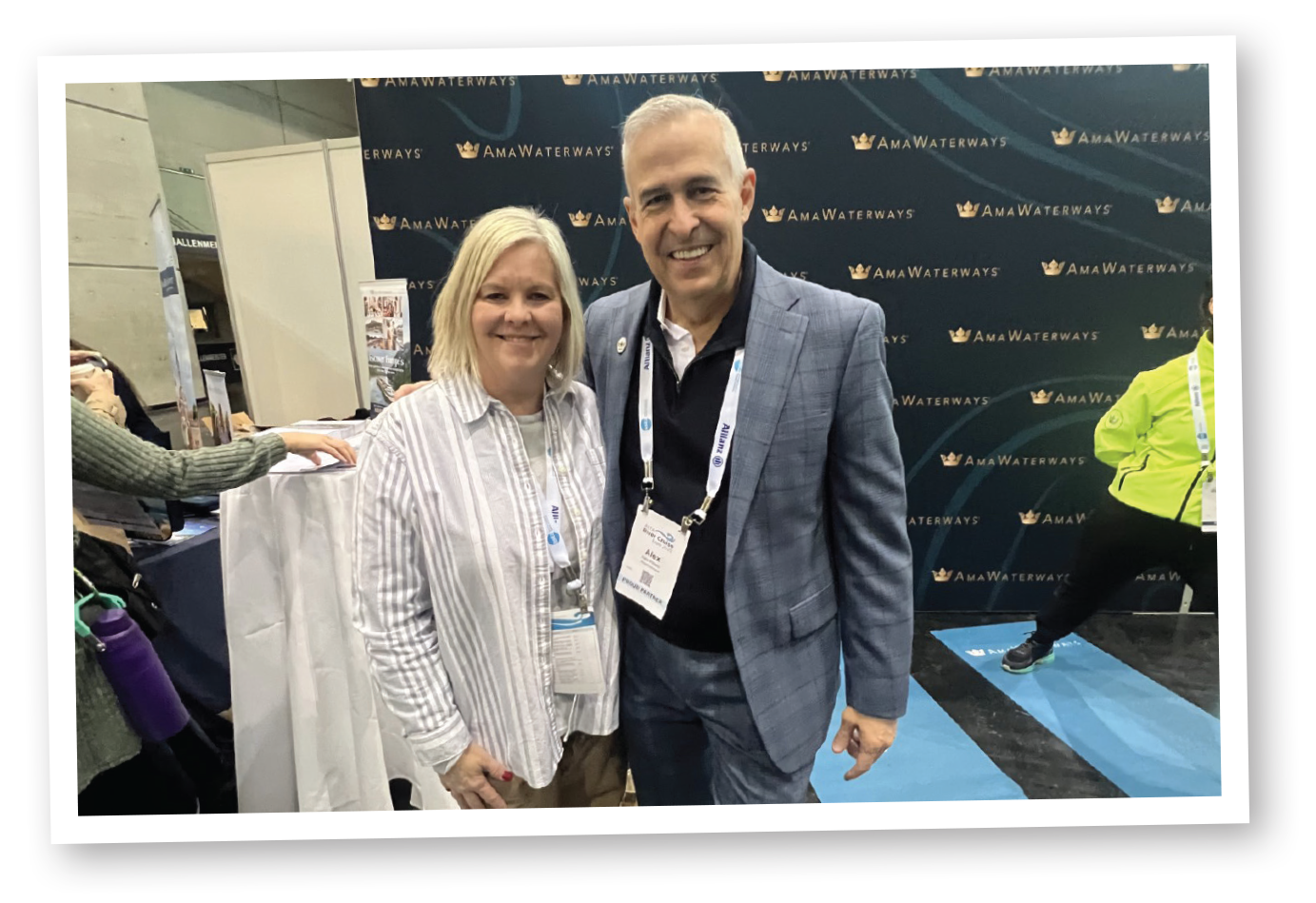
Tara Brown with AmaWaterways’ Alex Pinelo. In her first year she went on an Alaska cruise, a Dublin fam and other trips. (Courtesy of Tara Brown)
Tara Brown with AmaWaterways’ Alex Pinelo. In her first year she went on an Alaska cruise, a Dublin fam and other trips. (Courtesy of Tara Brown)

Alissa Ashley-High traveling with her kids. (Courtesy of Alissa Ashley-High)
Alissa Ashley-High traveling with her kids. (Courtesy of Alissa Ashley-High)