
How weight-loss meds are changing travel


(Illustration by Tanya Manthey)
(Illustration by Tanya Manthey)
How weight-loss meds are changing travel


(Illustration by Tanya Manthey)
(Illustration by Tanya Manthey)
Drugs like Ozempic and Wegovy have gone mainstream — your clients may be taking them. It’s sparking changes in what some travelers want in a vacation.
If Embark Beyond founder and managing partner Jack Ezon had to estimate how many people in his orbit are taking GLP-1 medications, he’d guess it’s one in every three or four. And considering that a number of those people are clients of his New York-based agency, he’s seen firsthand how it’s changing travel.
“I think it’s changing the whole nature of the way people are dining when they travel,” Ezon said. “And it’s a big deal.”
Originally approved to manage Type 2 diabetes, GLP-1 medications, like Ozempic and Wegovy, started being adopted for weight loss by the 2010s, albeit at a cost that put them largely out of reach for everyday Americans. Celebrities said little, but tabloids speculated about the transformations of stars who credited their suddenly svelte looks to clean eating and exercise.
But then, the secret got out. As prices dropped and access widened, the conversation shifted, and today even icons like tennis legend Serena Williams openly advertise GLP-1 treatments and ads for Wegovy show up on social media.
The rich and famous may have started the trend, but today, your neighbor, colleague or friend is just as likely to be using a GLP-1. U.S. spending on GLP-1 medications surged more than 500%, from $13.7 billion in 2018 to $71.7 billion by 2023, according to a study published in the American Medical Association’s JAMA Network Open journal. A PwC study found that roughly 20% of U.S. households included at least one GLP-1 user in 2025, up from approximately 9% a year prior.
And it’s fundamentally changing how people travel, said people in the industry, both in big and small ways.
Clients who once planned their day around lunch, for example, are skipping the meal entirely.
Michelin-starred restaurants — great, famous places, Ezon said — used to be hard to get into. Today, not so much.
“Food, for a long time, was an essential part of an itinerary,” he said. “You’d pepper in activities around lunch and dinner. That’s going away for us.”
A primary focus of most hotel lobbies is an eye-catching or opulent bar. But drinking culture has also changed as a result of the drugs. For many, it changes the taste of alcohol, and others are just avoiding it more. THC gummies are growing in popularity, Ezon said.
It’s fueling demand for private shopping as people replace their wardrobes. Increasingly, clients are asking Embark advisors for shopping appointments, especially in fashion destinations like Paris. Private shopping is quickly becoming Embark’s top-requested experience.
The industry is responding to better accommodate travelers taking GLP-1 meds.


Food, for a long time, was an essential part of an itinerary. That’s going away for us.
For example, Ezon pointed out it’s hard to find a restaurant without a mocktail menu. There has also been a movement toward restaurants offering high-protein menus.
PwC’s analysis of GLP-1 household data also shows how dining habits are shifting. While overall dessert consumption among GLP-1 users drops more than 80%, premium dessert purchasing actually rises.
“People on these drugs, because they’re eating less overall, are favoring quality and experiences when they do eat over efficiency and frequency and lower-quality food,” said Ali Furman, consumer markets industry leader for PwC U.S., speaking at Forbes Travel Guide’s The Summit conference in Monaco in late February.
While personal trainers have always been among the requests Embark gets from clients, now they’re looking for trainers focused on toning, not weight loss.
For advisors, Ezon said, it’s a matter of knowing their customers.
“If you’re following them on Instagram and you notice they lost a lot of weight, you don’t have to bring it up, but understand what they might want,” he said. “Take the cues of them no longer wanting to go on a wine-tour experience and no longer wanting to go for these long, heavy lunches.”
Ezon also advised being proactive about asking what they might need.
For instance, most injectable GLP-1s need refrigeration. An advisor probably shouldn’t directly offer clients a “refrigerator for your drugs,” though.
“Say, ‘Can I help you with anything, like a refrigerator in the room for snacks?’” he said. “Open up the conversation in a respectful way to help them.”
A new view on wellness
Few segments of the hotel industry have been more impacted by the rise of GLP-1 weight-loss medications than wellness resorts.
According to William Donovan, president of the Miami-based Pritikin Longevity Center, a retreat that specializes in clinical wellness, a shift began in earnest around 2023 as GLP-1 therapies gained broader cultural visibility and high-profile figures began publicly discussing their use.
Some longtime guests who had previously turned to wellness programs like Pritikin’s simply opted for the injections instead, he said.
“People were saying, ‘Oh, I can go to a retreat or a center like Pritikin, or I can do the jab,’” said Donovan. “We had quite a few return guests that we knew weren’t coming back because they were giving the shot a chance.”
As a result, a drag on bookings was felt through late 2023 and into 2024, he said, and GLP-1 adoption has only continued to accelerate. In the first half of 2025, Donovan estimates that roughly one in 20 guests at Pritikin was on a GLP-1 therapy. By the second half of the year, that figure had climbed to one in five.
The good news, however, is that guests are no longer looking at wellness retreats and GLP-1 drugs as an either/or proposition, and bookings have stabilized. Donovan attributed this change to growing public awareness that the drugs work best when combined with lifestyle changes, something stated on the medications’ own labels.

We had guests that we knew weren’t coming back because they were giving the shot a chance.
“What a lot of folks were doing was thinking, ‘This is an easy button,’” said Donovan. “Of course, what happens is there are some potential issues, like the loss of muscle. And the data is very clear: If you come off these drugs without having changed your behavior, two-thirds of the weight comes back within the first year.”
Pritikin has responded by building out programming specifically tailored to guests on GLP-1 therapy. The center, which has endocrinologists and cardiologists on staff, now recommends two daily servings of animal protein for GLP-1 users, compared with its standard one-serving approach, to help offset muscle loss.
Guests tend to come to Pritikin at different stages of their GLP-1 journey, Donovan added. Some want to maximize results while actively on the drugs.
Others are hoping to manage gastrointestinal side effects, which he said cause roughly a third of users to stop taking the medications within the first 30 days. And others are looking to transition off entirely and sustain their results through long-term behavioral change.
For travel advisors evaluating wellness properties on behalf of clients on GLP-1 therapies, Donovan said the most important factors to focus on are medical supervision and a science-based approach. Not all wellness retreats have embraced the drugs, he said, and for those that do, having the clinical infrastructure to build individualized plans is important.
“With a GLP-1 therapy, finding places that have a medical-based approach is really critical, because this is a drug therapy,” he said.
Although Pritikin does not prescribe the medications itself, the center can coordinate with a guest’s physician during their stay.
Donovan said he expects demand to keep building this year. Longer term, he believes wider insurance coverage of GLP-1s for weight loss could meaningfully expand the market for medically oriented wellness programs.
“There’s an enormous opportunity for centers that are going to support people on that journey,” said Donovan.
PwC’s Furman sees a similar opportunity for hotels and resorts across the board. People on GLP-1s are using the medication as a catalyst for their holistic health journey, she said, and properties that recognize this have a chance to step into a meaningful role. That includes rethinking fitness center offerings, since GLP-1 users increasingly prioritize strength training and
Pilates over cardio.
“You can really become a destination for these folks and be supportive of them on this journey,” Furman said at The Summit.


With the rise of GLP-1 use, active excursions, such as kayaking, are growing in popularity. (Courtesy of Aquila Center for Cruise Excellence)
With the rise of GLP-1 use, active excursions, such as kayaking, are growing in popularity. (Courtesy of Aquila Center for Cruise Excellence)

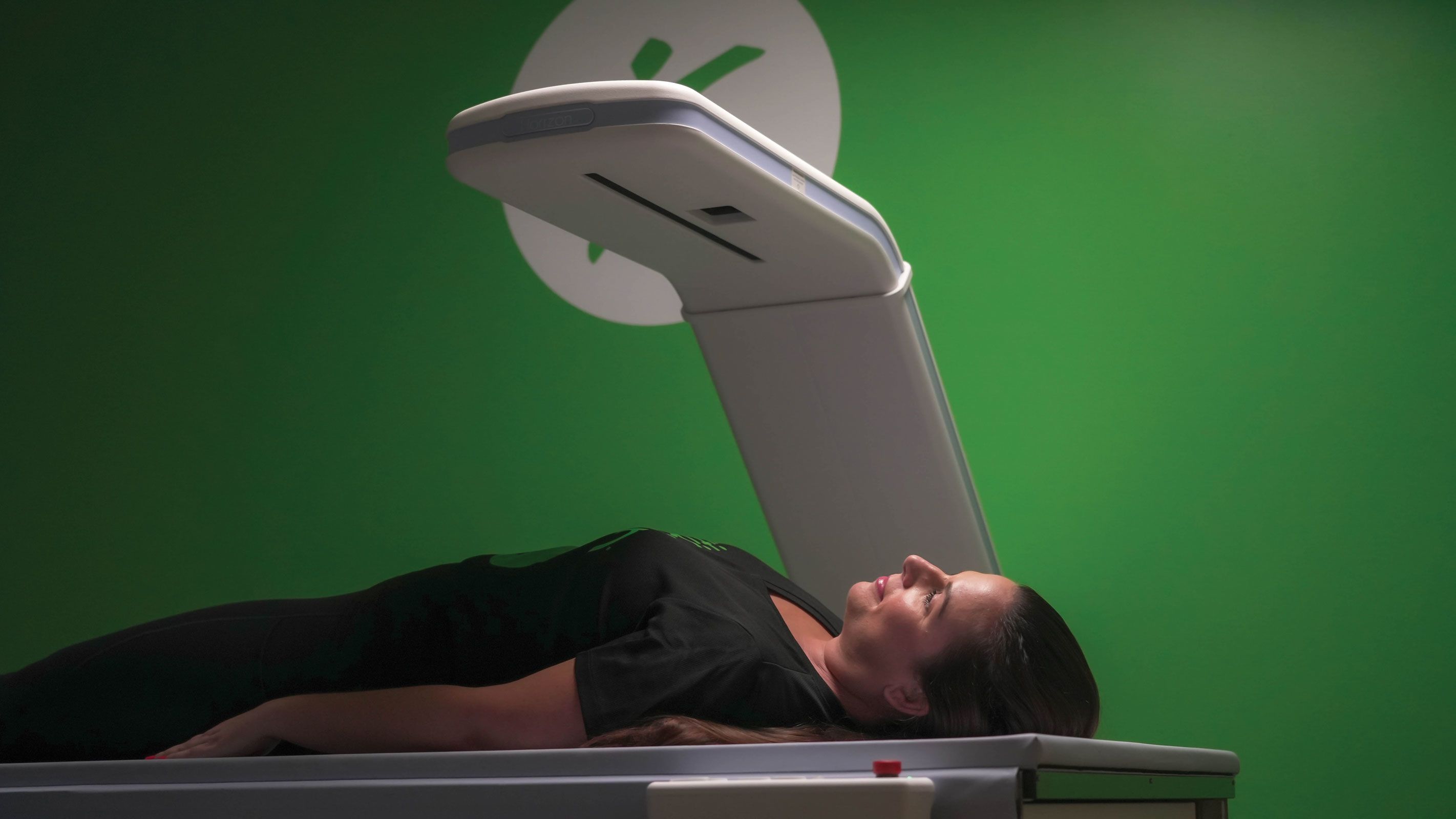
A DEXA scan machine at the Pritikin Longevity Center measures a person’s ratio of fat to muscle. (Courtesy of Pritikin Longevity Center)
A DEXA scan machine at the Pritikin Longevity Center measures a person’s ratio of fat to muscle. (Courtesy of Pritikin Longevity Center)
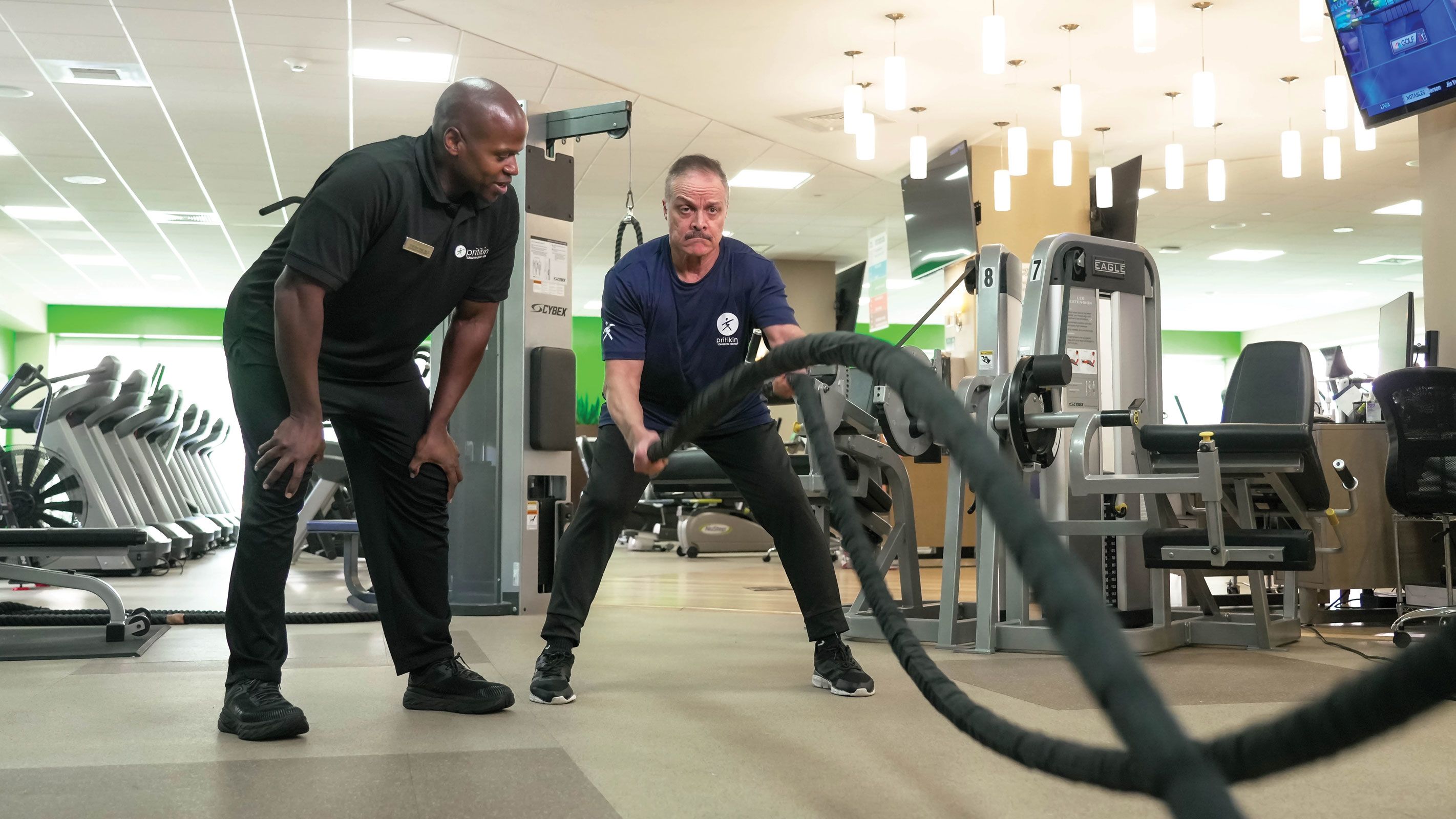
A personal trainer works with a guest at the Pritikin Longevity Center. (Courtesy of Pritikin Longevity Center)
A personal trainer works with a guest at the Pritikin Longevity Center. (Courtesy of Pritikin Longevity Center)

Active excursions are growing in popularity, such as helicopter glacier treks in Alaska with Holland America Line. (Courtesy of Holland America Line)
Active excursions are growing in popularity, such as helicopter glacier treks in Alaska with Holland America Line. (Courtesy of Holland America Line)
Cruise lines affected?
The cruise industry has thus far been quiet about any adjustments it is making related to the societal impact of prescription weight-loss medications. Every cruise company contacted for this story, including giants Carnival Corp., Norwegian Cruise Line Holdings and MSC Cruises, either declined to comment or did not respond.
But people within the industry said everything from food service to shore excursions will shift due to the impact of changing vacation lifestyles in the next several years.
On land, destinations will capture a clientele increasingly interested in active exploration.
That means that while cruise lines will adapt to the impact of the medications to satisfy their customers’ lifestyles, it is the destinations that will be “the absolute winners” because they will have more engaged, active tourists, predicted Ioannis Bras, CEO of Five Senses Consulting and Development, a cruise port and destination consulting firm.
GLP-1 medications are accelerating an existing shift in cruiser interest toward more active shore excursions that “combine exploration with movement,” said Beth Hatt, founder of the Aquila Center for Cruise Excellence, which provides tour training and consultation services for cruise destinations.
Examples of those include guided bike tours, cultural walks and hikes, she said.
“It’s a merging of broader wellness-focused lifestyle trends and medical advancements coming together at just the right moment,” Hatt said.
Since cruisers often book excursions for only some of the ports they visit, destinations should curate and promote more self-guided walking tours to capitalize on cruisers’ increasing desire to stay active, Bras said.
When it comes to the onboard experience, cruisers on GLP-1 medications are currently best positioned to enjoy a premium or luxury cruise, where food service focuses more on quality over quantity, said Orlando-based Cruise Planners luxury travel advisor Nick Pena.
That presents an opportunity for advisors who can guide them in that direction.
He said he is open with clients about using prescription weight loss medication himself and envisions that being helpful with establishing the trust needed to transition them to new experiences.
“I move the focus from the food to the fact that they’re going to go to remote places in the world, and the touring is included,” he said. “I think it’s just a shift of the dollars to different kinds of experiences that they wouldn’t consider before.”
Pena said he believes cruise lines would benefit from transparently catering to passengers on GLP-1 medications, such as with dedicated menus.
“I think something like that would resonate with people, instead of shying away from it,” he said.
He has already had several clients come to him with completely new travel preferences after losing weight on GLP-1 medications.

I move the focus from food to the fact that they’re going to go to remote places in the world.
One couple who typically cruise decided to explore an island destination for a few days instead, he said. They wound up passing on an all-inclusive or cruise vacation because the all-you-can-eat nature of those options no longer appealed to them, he added.
Pena said he can relate. Not only are buffets no longer appealing, but “I get grossed out, almost,” he said.
When he has a fam trip on a luxury cruise line, he’ll sometimes skip his GLP-1 shot for the week so that he can enjoy as much of the food as he wants to. Otherwise, he knows the culinary experience will be partially lost on him.
“I want to eat,” he said. “I want to enjoy it.”