
Consumer Editors Roundtable
A complex time for travel
The Travel Weekly Consumer Editors Roundtable went to Morocco this year, and for the first time, editors were joined by a travel agency executive for a close look at the latest travel trends.



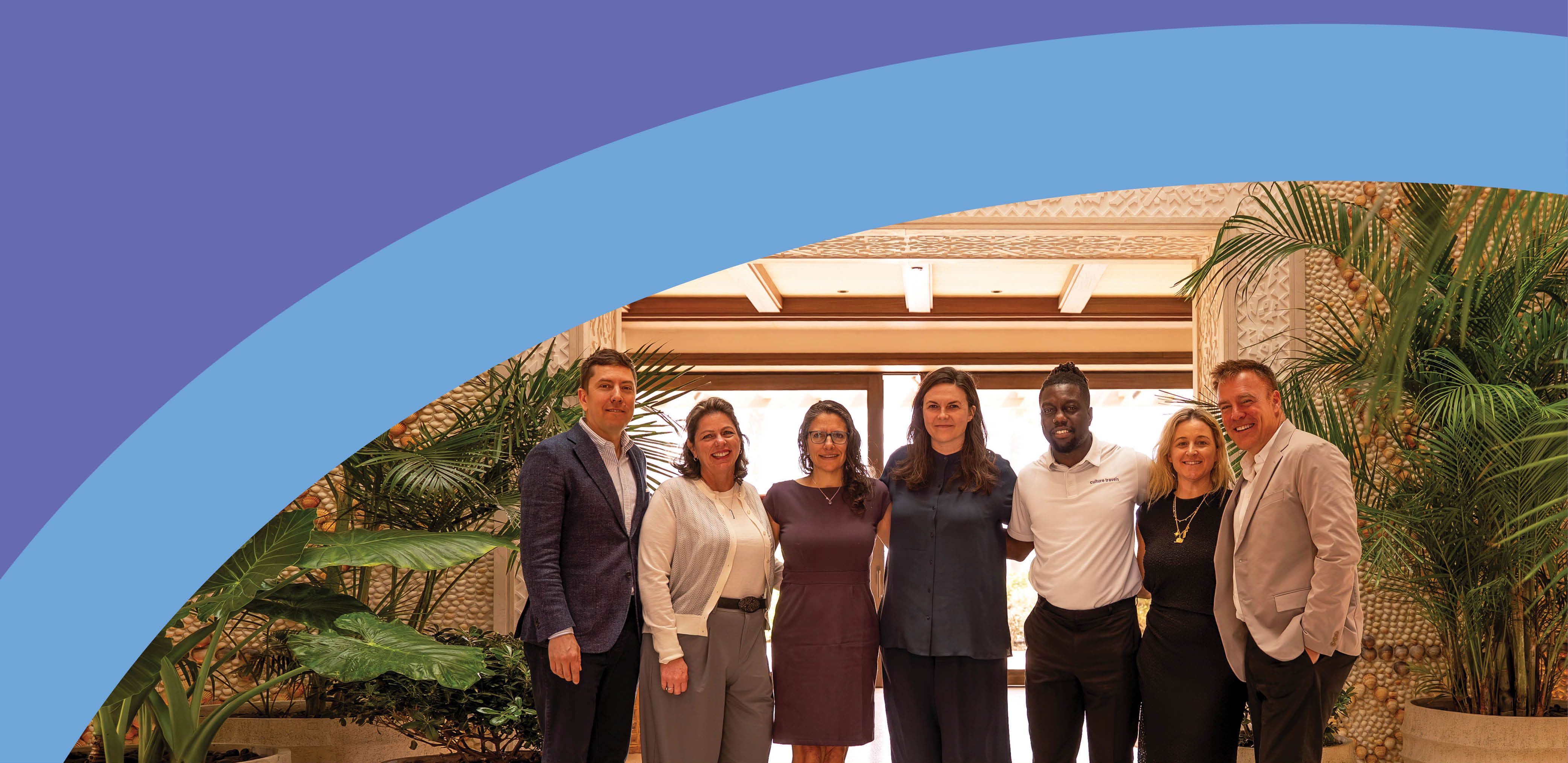
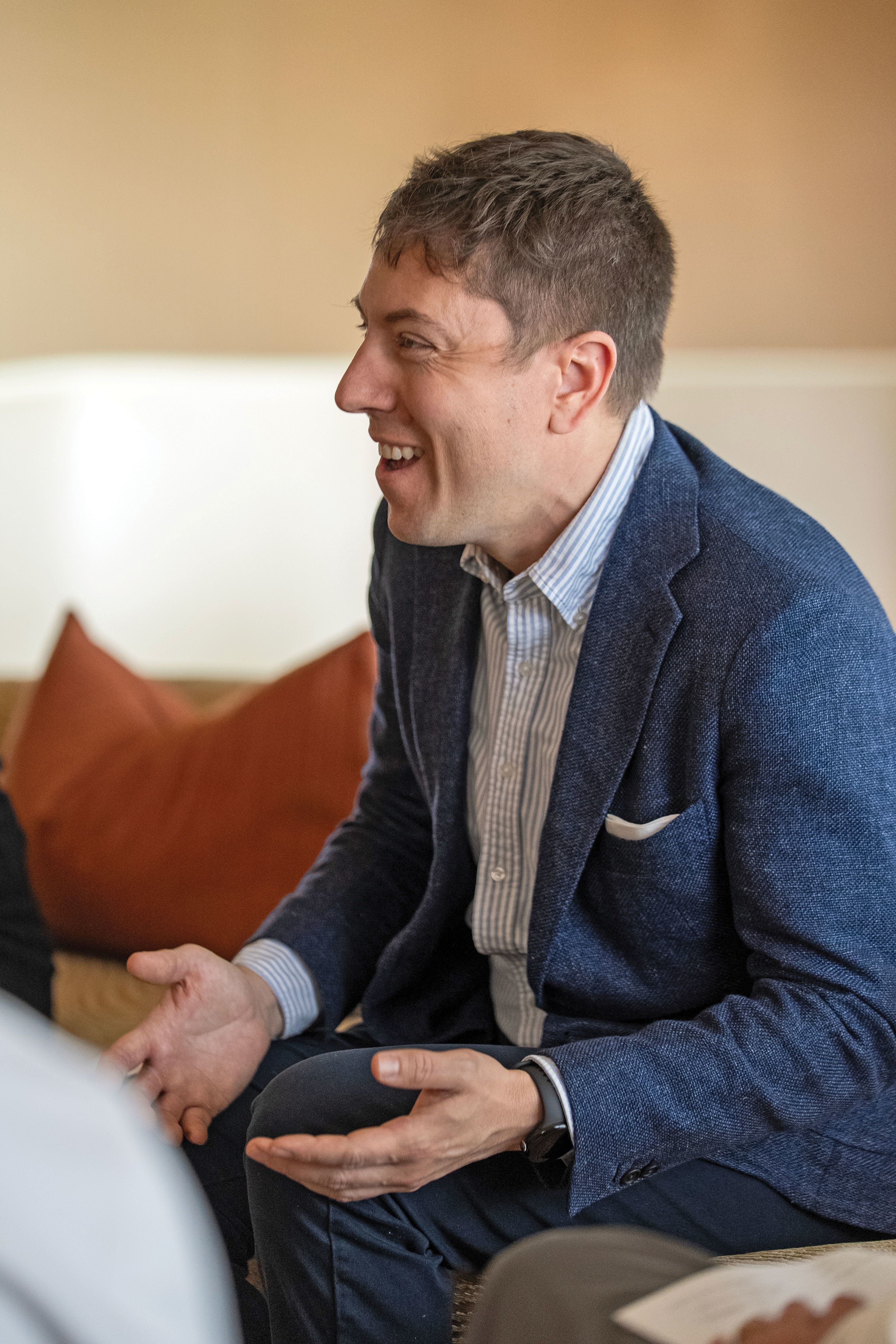
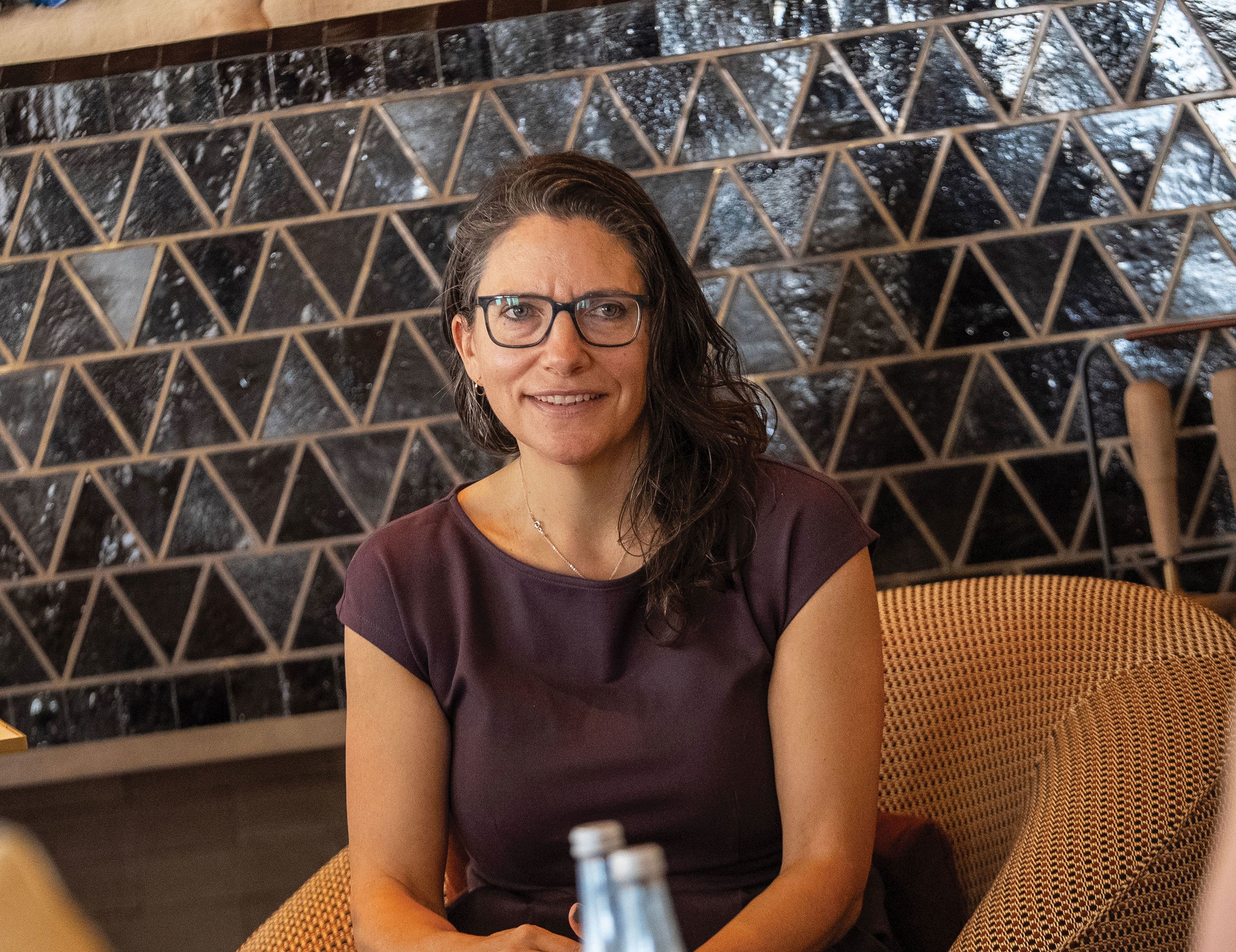
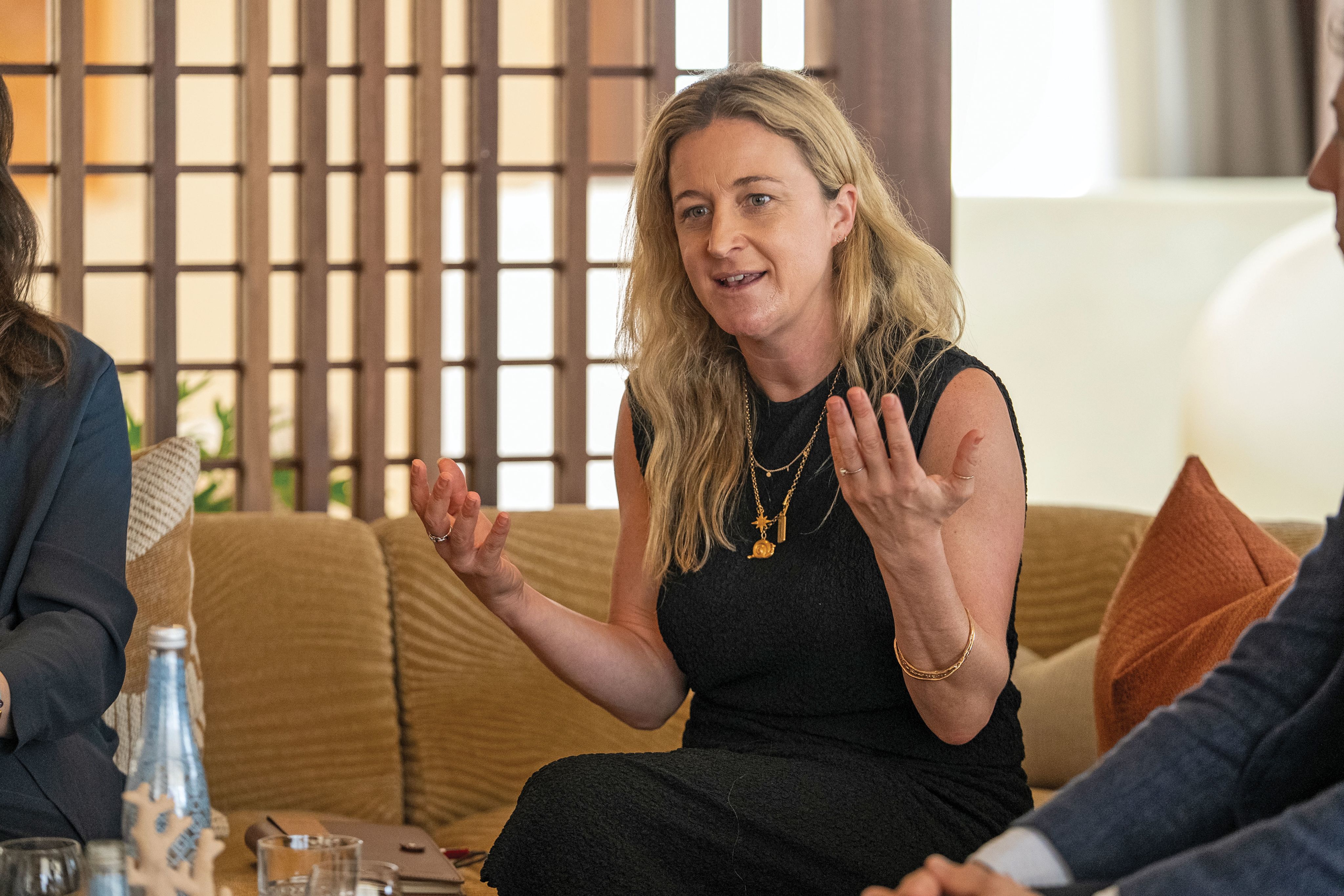
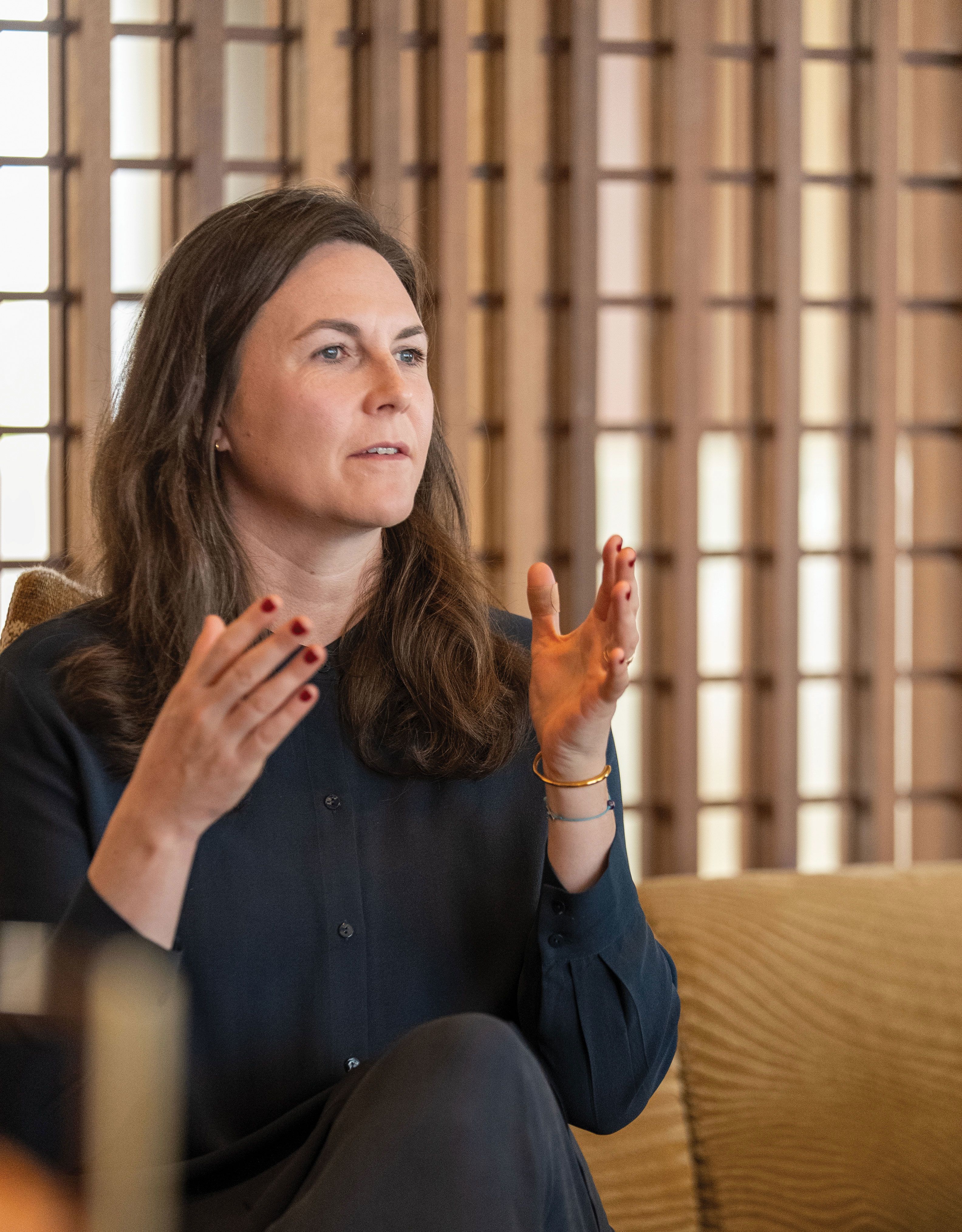
Participants in the 20th meeting of the Travel Weekly Consumer Editors Roundtable gathered at the Royal Mansour Tamuda Bay in Morocco to discuss travel and tourism issues in the headlines. From left: Paul Brady, news director at Travel + Leisure; Angie Licea, president of Global Travel Collection and the first member of the trade to participate; Johanna Jainchill, editor in chief at Travel Weekly; Katherine LaGrave, executive editor at Afar; Leroy Adams, editorial media director at Culture Travels; Erin Florio, global features director at Conde Nast Traveler; and Mark Ellwood, editor at large at Robb Report. (Photos: Abdelkader Bouknadel)
Participants in the 20th meeting of the Travel Weekly Consumer Editors Roundtable gathered at the Royal Mansour Tamuda Bay in Morocco to discuss travel and tourism issues in the headlines. From left: Paul Brady, news director at Travel + Leisure; Angie Licea, president of Global Travel Collection and the first member of the trade to participate; Johanna Jainchill, editor in chief at Travel Weekly; Katherine LaGrave, executive editor at Afar; Leroy Adams, editorial media director at Culture Travels; Erin Florio, global features director at Conde Nast Traveler; and Mark Ellwood, editor at large at Robb Report. (Photos: Abdelkader Bouknadel)
The Travel Weekly Consumer Editors Roundtable gathered in northern Morocco on March 24 for a discussion that touched on topics ranging from the war in Iran, travel advising and overtourism to the missing Canadians and learning to love the word “cruise.”
In its 20th year, the roundtable features editors from Afar, Conde Nast Traveler, Culture Travels, Robb Report and Travel + Leisure. And for the first time, a travel agency executive, Global Travel Collection president Angie Licea, took part in the discussion.
Travel Weekly editor in chief Johanna Jainchill served as the moderator.
The group was hosted by the Royal Mansour Tamuda Bay, the third and newest Royal Mansour property, which opened in 2024 on the area of the Mediterranean coast known as the Moroccan Riviera.
The original transcript of the discussion has been edited for length and clarity, and the chronology has been altered to keep dialogue about specific topics together.
Johanna Jainchill, editor in chief, Travel Weekly: As we sit here, the Iran war is about a month old. How has it impacted travel?
Erin Florio, global features director, Conde Nast Traveler: People are reacting. Air traffic is starting to go in very different directions to avoid the Middle East. Summer is coming, and people are planning their travels, and we’re already seeing a pivot away, not necessarily from the Mediterranean but from certain sections of the Mediterranean — Cyprus, even Greece — to going farther west.
Katherine LaGrave, executive editor, Afar: The expectation of adaptability is more common now. Yes, this conflict feels a little different. It’s faster moving. It’s more interconnected in many ways. It’s hitting oil and massive transit hubs. But for our readers, it’s not, “Should I not travel?’ It’s, “How do I travel smartly and still make it work?”
There’s a feeling of, we’ve been here before, we’ve experienced it, and I know I’m going to have to be really flexible. That’s just the new travel. So how do travelers move forward? Our job as publications is to answer some of these questions.
Mark Ellwood, editor at large, Robb Report: An advisor told me it’s not just Etihad, Emirates and Qatar Airlines. It’s Turkish, as well. It’s not really about the Gulf: 74% of the passengers on Qatar are transit passengers. That’s up from 66% not long ago. These are four airlines that people rely on for really long-haul travel. There is a worry around them, and I think that’s really significant.
Florio: I had colleagues stuck in India and Asia for days. They just couldn’t get back because there were no flights out of Singapore, even if they were not going through the Middle East. It just sort of grounded travel. These things don’t stay regional.
This raises the point that even the most experienced travelers these days knows there’s a need to have their hand held a little when they’re planning travel, which makes the travel advisor community even more important. Travel is no longer about, “I’ve got this. I can do this on my own.” It’s entering this space, which for better or for worse, is, “I’m an experienced traveler, and yet I cannot predict what’s going to happen in the world.”
Advisors are not here just to tell us where to go and give us the most exclusive access. They’re really there to help us pivot and get out of these situations.
Angie Licea, president, Global Travel Collection: We did a recent survey of ultrahigh-net-wealth travelers, and 70% said, “I will use a travel advisor.” And it’s not necessarily the planning aspect of it but the what-if-and-then-I-need-help aspect.
Ellwood: I think a travel advisor is basically the mom or dad you call and say, “I’m stuck. Can you come pick me up?”
LaGrave: It’s the power of human advocacy.
Four Seasons and Ritz-Carlton and Accor, their ships are floating luxury hotels. Another terminology to get away from cruise.
Angie Licea, president, Global Travel Collection

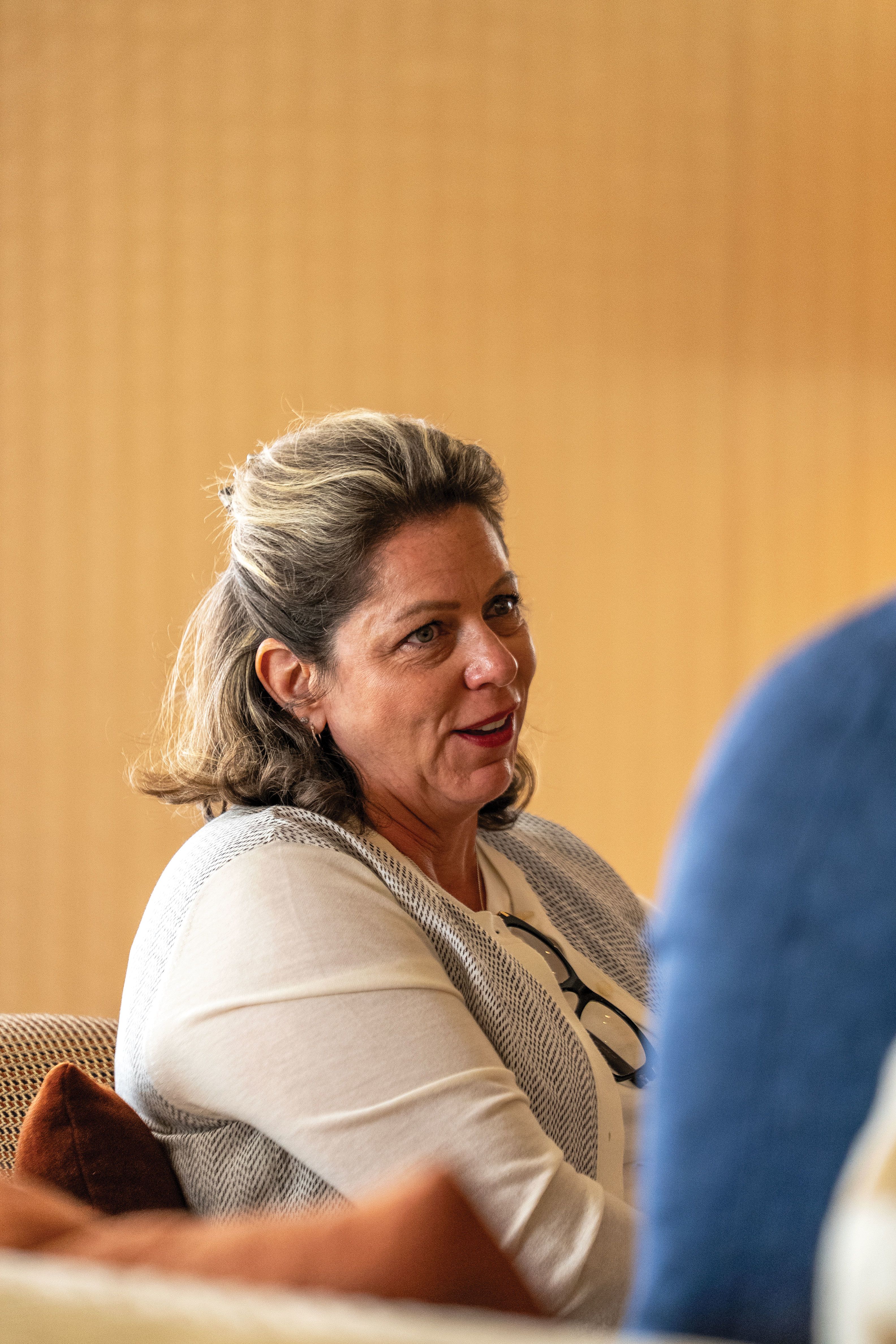
There’s already an amazing word for a floating hotel. It’s called a cruise ship.
Mark Ellwood, editor at large, Robb Report

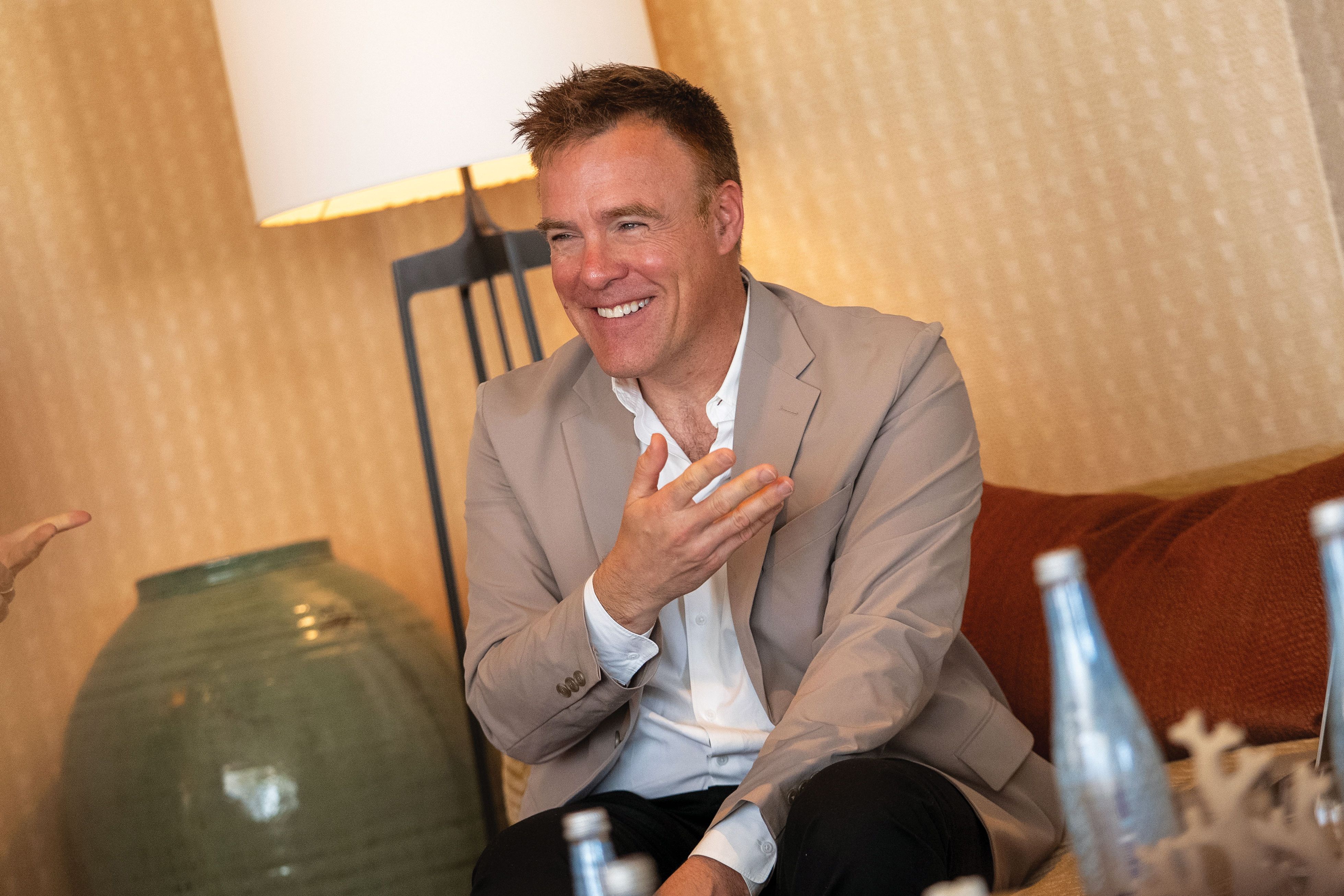
Leroy Adams, editorial media director, Culture Travels: Our core audience of millennials, many of them — myself included — are now entering this phase of life where you’re getting married, you have kids, so you need to put in additional buffers and protections because you’re not traveling solo anymore. You see them using travel advisors more, leaning on that heavily to handle the disruptions and to summarize the massive amount of information online.
Ellwood: A big problem, and I think no one wants to say it out loud, but if I go on Instagram, I am served up countless ads suggesting I turn my hobby, my passion for travel, into a career. And it feels like the next MLM is travel advisory. Because essentially, you can only be a good travel advisor if you have a client base. At some point, if every one of your friends is a travel advisor, who is going to be the client?
Licea: There are agencies out there that are doing heavy advertising. They’re buying lists and sending these advertisements out saying, “Be a travel advisor.” For some people, it sounds attractive, but if you don’t have the clientele or the book of business, you’re not going to make money. I think this is a moment in time, and some of that will drop off as people understand, “I actually have to work really hard to make money in this industry.”
Paul Brady, news director, Travel + Leisure: There is a hunger for expertise. You see this information overload, conflict overload, uncertainty in the world, uncertainty in the market, and you’re just looking for answers, not just in travel but everywhere. And if you ask a machine, the machine makes up an answer. That’s not very satisfying. So you’re looking for expertise as a consumer of anything, and travel advisors are one piece of that.
Adams: A question that comes up is: How do more African American travel advisors get visibility? Over 60% of African American travelers will tell you they make decisions purely based off, “does that person look like me, and do they have a similar cultural experience to me.” And that data point has been consistent over the last decade, and it’s not going to change.
I don’t know many African American travel advisors. That doesn’t mean they’re not out there. I just don’t have a database I can go to and say, “These are the folks that I’m going to recommend our readers connect with when they’re planning trips.”
Jainchill: Regarding expertise, a question asked of you all at dinner last night was, “What is the difference between your content and that of an influencer?”
Adams: Content creators and influencers typically get a snapshot of a destination or an experience. There’s not much depth they’re going into, because their parameters are two- to three-minute reels, sometimes less, so they’re packing as much information as possible into that time frame.
There’s a lot of depth to what we all do; there’s follow-up, there’s nuance that is attached to these stories with this content in a way that content creators and influencers typically don’t capture.
Ellwood: They’re also paid [by the brand]. We will accept hospitality from brands, but if you look at what an influencer will do with a brand, some contracts will be a $15,000 minimum to post three things. When there is actual money changing hands, that really upends what content can be considered.
Also, it is not editorial in the sense that we would consider, because there is very much a sense of some kind of input from the subject you’re covering. That’s OK, because that platform says it’s OK. But it’s quite a different proposition from what we’re expected to deliver.
Florio: We’re using content creators at times because they are valuable. But they always follow our brand parameters.
Brady: We’re necessarily painting with a super broad brush here. There are millions of content creators. You can’t just say all influencers are bad or all content creators are surface-level. Some magazines are good, some magazines are less good. There’s an audience for that, which is why those people exist.
Our core audience of millennials is using travel advisors more, to handle disruptions and summarize the massive amount of information online.
Leroy Adams, editorial media director, Culture Travels

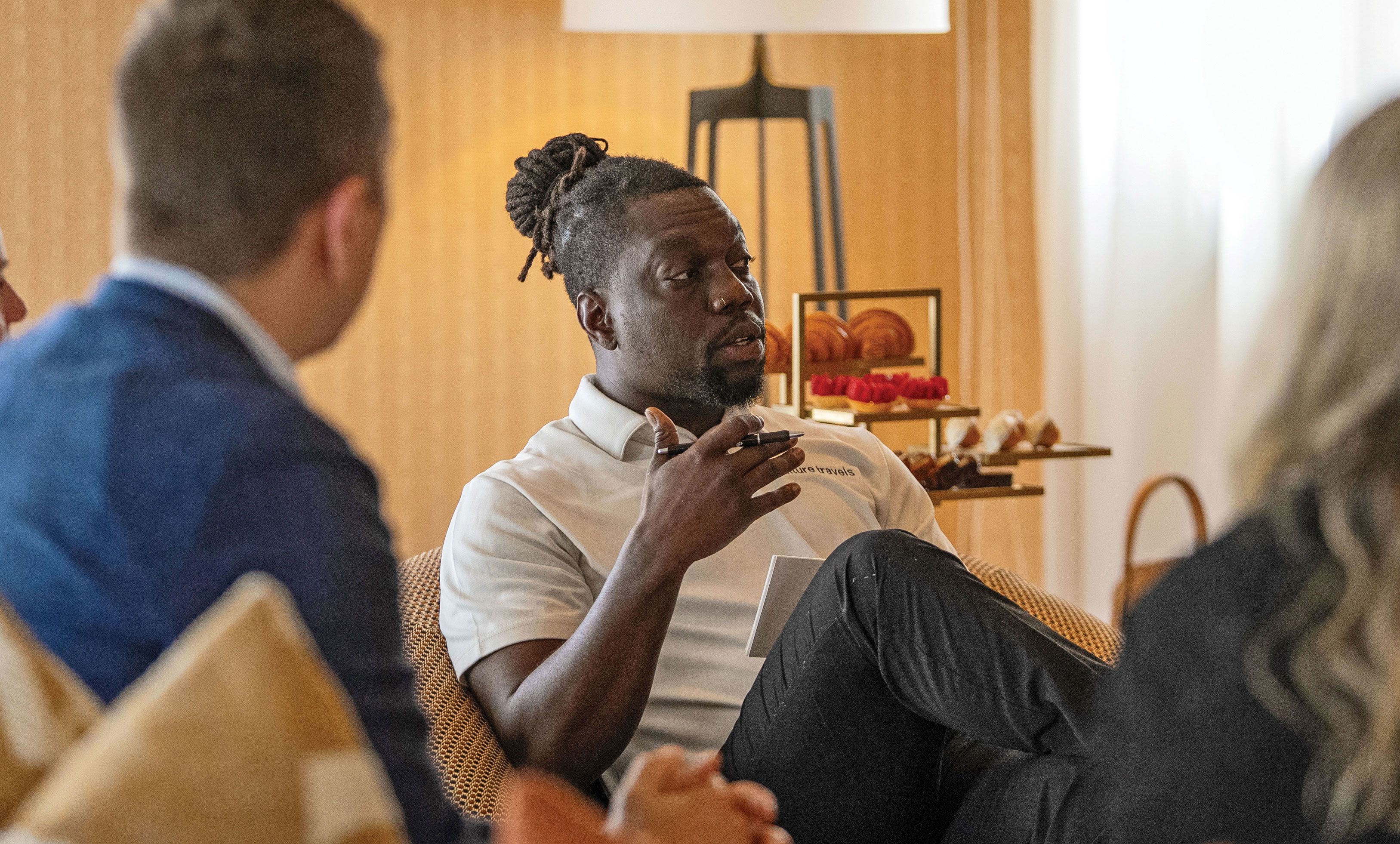
Our readers tell us over and over again, we’re interested in Indigenous stories, accessibility, the Black experience, the Hispanic experience. We do those stories because readers say, “we want this.”
Paul Brady, news director, Travel + Leisure

Jainchill: Last year’s roundtable touched on the beginning of the decline in international visitors to the U.S., which has continued, especially from Canada. Do you see any impact at your publications?
Florio: We have eight international editions. Generally, they’re saying, “Yes, the appetite for the U.S. is down,” and the statistics back that up. Our Indian market, mostly high-end, luxury travelers, is not being turned off. And everybody’s motivated by the World Cup to come. For the Middle Eastern market, basically across the board, America is not an option for them. Anecdotally, I know that the Spanish market is now going to places like Mexico and Brazil. They’re going to the Americas; they’re just diverting their plans. The U.K. is similar.
Adams: Last year at Virtuoso Travel Week, the team from Jamaica said it was having a record year, in large part due to Canadians skipping the U.S. and going to Jamaica. Bookings were up, hotel revenue was up, everything was up.
I had a conversation with a Somalian Uber driver in Belgium a couple months ago who would go to the U.S. every year. He has a European passport and a Somali passport. He applied for a visa with his Somali passport and got rejected. Then he applied with his European passport and got accepted.
For that reason alone, he could sense the discrimination and said, “As bad as I want to go and see and experience the FIFA World Cup, I just have no desire to go through that process knowing that my visa is likely to be denied because of where I’m applying from.”
Florio: What I will say, and what I think is really important, is that travel is not your government. Of course, you need to travel in a place that makes you feel comfortable, and I can’t speak to everybody’s personal experience. But it is important to still come to the U.S. and support the travel industry. A lot of small-business owners, mom and pops, they suffer. It is really doing a disservice to the people you inherently want to support. You’re not really reaching the level of the person you’re trying to prove a point to.
LaGrave: It’s psychological as much as it’s political. Richard Branson said, “Tourism is the business of welcome.” If people don’t feel welcome, they’re not going to come. It’s the perception of it.
Jainchill: And some markets are getting hit harder than others. It’s one of the reasons Las Vegas was struggling last year.
Brady: The last time I was in Las Vegas, somebody in a position to know told me that many of the visitors are not coming because of ICE. A huge chunk of the people who go to Las Vegas are choosing to not drive across state lines to go on vacation in Nevada because they are worried about what might happen to them.
Licea: My husband’s from Mexico, and he’s a U.S. citizen, and he’s even afraid to go outside of the country because he’s afraid he’s not going to come back into the country. And I’m in the travel industry. So for people who are potentially undocumented or could potentially be targeted, it’s a real concern.
Brady: And you don’t even have to be targeted. You have to feel that you may be targeted.
Anytime we talk about overtourism, less-visited places always come up as a solution. But do stories about random towns do well?
Johanna Jainchill, editor in chief, Travel Weekly

I don’t think there’s ever going to be a universe where we don’t want to talk about Paris. Those two types of places are not competing with each other.
Erin Florio, global features director, Conde Nast Traveler

Jainchill: Switching gears, let’s talk about the major changes in cruising: private island explosion and new brands.
Florio: I’ve really been impressed with the industry: There are so many new players, and even the legacy lines have really changed their offerings in specific ways to meet the appetite for travel. Cruising can bring you to places you cannot get to if you’re not on a ship. All of us travelers want to go to places people haven’t been. Cruise is a real answer to doing that.
One of the problems is that we use the umbrella term “cruise,” and people have such connotations with it. If we can change that language, people would start to inherently understand more and more about the changes in cruise.
Ellwood: The solution to the problem with the word “cruise” isn’t to come up with weird neologisms and try to avoid using it. The solution is to destigmatize the word “cruise.” You are not a yacht. You are a cruise ship. There is nothing wrong with being a cruise ship. I’m not on a journey, I’m on a cruise. There is nothing wrong with being on a cruise. Nothing that is branded and where you sleep onboard with people you do not know is a yacht. It is a cruise, and there is nothing wrong with being a cruise.
Florio: I think it’s a good thing that we should be leaning into. It’s going to open up minds a little bit more to destigmatize the term cruise. It’s a very positive thing — journeys by sea, whatever it is. Having new players brings a new audience, and it’s kind of helping people shift the mentality of what it is.
Licea: And Four Seasons and Ritz-Carlton and Accor, their ships are floating luxury hotels. Another terminology to get away from cruise.
Ellwood: There’s already an amazing word for a floating hotel. It’s called a cruise ship.
LaGrave: I think it’s about bringing Ritz-Carlton Hotel stayers into cruise, because that’s a brand they’re familiar with.
Brady: This speaks to it being the ship first, not the destination, a pivot away from pre-Covid. You see the same parallels on land-side travel. Do people in Iowa know what Tamuda Bay is? I don’t know, but they have definitely heard of Royal Mansour and know it is the watchword for luxury in Morocco. It’s the same with these ships. People are not choosing Ritz-Carlton, Four Seasons, Orient Express because the ship is going to Dubrovnik. They’re choosing it because of the badge.
Jainchill: Speaking of Dubrovnik, any time we talk overtourism, shoulder season and less-visited places come up as solutions. But do stories about random towns do well, or do people want to read about Venice?
Florio: The reality is that they want both. I don’t think there’s ever going to be a universe where we shouldn’t talk about Paris. We 100% should talk about it. Paris is one of the greatest cities on Earth. It’s less about whether it is Paris or this random town in France nobody’s heard of. Those two things are not competing with each other.
They want to know how to do Paris and do it responsibly, which can help weed off the effects of overtourism, but they also want to know about these places they’ve never heard of. People always say, go shoulder season. Sure, but the reality is that a lot of people have to time their travel to children’s holiday, so it’s not really that easy of a fix.
Brady: There’s a season for a reason.
Florio: And it’s very well and good to say autumn on the Amalfi Coast sounds amazing, but you know what happens? The hotels aren’t open that time of year. The flights have really pulled back.
Ellwood: Or if the hotels are open, in Italy, in the little towns, the shops are closed and there’s nothing to do.
Brady: An advisor that sells a lot of Tokyo told me there are 30,000 restaurants in Tokyo and people ask her about the same eight. I said, “What’s the solution to that?” She says, “I need to go to Tokyo and find some other places to recommend.” There are always going to be clout-chasers who want to go to the best restaurant in Tokyo and will pay any amount of money to do it, to get the photo, to talk about it. And that’s fine. I support all kinds of travel. But what are we going to say about Tokyo off the beaten path?
Ellwood: I’m a big non-fan of punitive measures for overtourism. You shouldn’t be shamed for wanting to go to Venice in the summer. Maybe it’s your once-in-a-lifetime and your birthday’s in July. But what Amsterdam did, it realized you could nudge people. They renamed a beach nearby Amsterdam Beach. They expanded the Amsterdam Card to cover public transport to the beach. They put videos online showing what the lines were like outside museums, so you could check on your phone if it was worth going to the Van Gogh Museum. They successfully improved everyone’s experience because they spread people out without any shame, any penalty.
Licea: And the travel advisor plays a huge role in that, because they know those things, whereas AI is reliant on what a person posted and what it consumes.
Ellwood: AI lies. But they call it hallucination. There was that amazing case in Tasmania where a local tour company had used AI to generate all of its website copy, and it created a waterfall in Tasmania that didn’t exist. So people were going to look for this waterfall, because AI doesn’t just regurgitate, it makes bizarre mistakes.
LaGrave: People use AI and expect hyperpersonalized information very quickly. I’m curious, Angie, how that manifests in relationships with clients.
Licea: Traditional travel advisors might use it for information and keep that personalization. Others rely on AI, and that personalization doesn’t exist. You can create a beautiful itinerary, but if there’s no personalization associated with it, you don’t know that they have three kids and that one of the kids has ADD.
Ellwood: AI can’t ask for a favor, and so much of what you rely on from a travel specialist is: A hotel is booked solid, unless you know the right person. There are no tables available, but I know that GM and I send so many clients there they’ll squeeze them in. I don’t know how AI can ever replicate that.
Licea: Those relationships still mean something. I always use this example: Advisors know when you go to Florence, this is the restaurant to go to. They also know in the spring, sit on the left side of the restaurant, and in the winter, sit on the right side because the air blows on you. AI is never going to know that.
Brady: To me, what we’re talking about is taste. Machines don’t have taste. Humans have taste and discernment and preferences and attitudes. It could be the most beautiful property in the world or the most beautiful ship in the world, but maybe it’s not to my taste. And a machine doesn’t know that. And a human being does.
Richard Branson said, ‘Tourism is the business of welcome.’ If people don’t feel welcome, they’re not going to come. It’s the perception of it.
Katherine LaGrave, executive editor, Afar

Jainchill: Many economists say our current economy is K-shaped: Strong on the upper end and weaker at the lower. Are you seeing that in travel?
Licea: Luxury is growing leaps and bounds. Last year our agency had 1,000 trips that were over $100,000. People continue to spend.
Florio: I think people, regardless of what your spending power is, are always searching for value. We are being more conscientious to make sure there’s viable options that our brand would support and that our readers and our audience have more options for a range of budgets. It’s not necessarily spending less and going budget, it’s about finding the best way to have the best type of travel you can.
Adams: When you look at the middle-lower-income travelers, they are very conscious of how they’re spending their money from their 9-to-5 job that they’re going to every day and then penny by penny saving up. So naturally, they want to make sure that whatever money they spent, there’s value that’s returned, regardless of how much the experience may be.
They have the behavioral discipline to say: I want to have this experience. It costs this amount of money. This is my budget, and I’m going to hit those goals over the course of the next year or two. There’s no sort of hesitancy, at least with our readers, in terms of being put off by the price tag.
Florio: We so often default to equating luxury with the highest price tag, which we all know is not necessarily the case. Luxury is a completely subjective term, and what might equate for luxury for one person is totally opposite of somebody else. And we do try to make sure that we are telling more stories about the best possible options for so many travel motivators, not just budgets.
Ellwood: It can be aspirational. The idea that people only read travel articles because they want to tear them out and book them is a misunderstanding of why we read about travel. Travel is one of those things that you might read and think, ‘“Gosh, you went on a crocodile conservation program in rural Thailand and it costs 400 grand. I have no interest in doing that, but it’s amazing to read.”
Brady: It’s a great point. For the number of articles we do about Svalbard, I think it’s a one-to-one of the number of readers that are actually going to Svalbard. There’s absolutely a place for stories that are about trips that most people won’t go on.
Ellwood: A Bain report on the luxury consumer market from 2022 to 2025 showed it fell from 400 million people worldwide to 330 million, contracting 15%. In 2024 the spend on luxury experiences or travel went up 5%, while spend on luxury goods went down 2%. Travel is being prioritized, whatever your initial budget, because we learned what it’s like when you can’t travel.
Brady: At Travel & Leisure we’re doing things about charter yachts on the Nile, extraordinary hotels that cost $4,000 a night and the best campgrounds in Yosemite -- which are also expensive, by the way. An easy, long-weekend, domestic trip that’s relatively affordable, even in our current economic climate, there’s an audience for that information. But you’ve got to start with, what does the reader want and what does the reader need. It might not be the thing they expect, but that’s our job to fill that in.
Licea: I often get asked, “When will the price stop going up?” When the consumer stops buying it, the price will stabilize. And if they’re still willing to pay, the price is going to continue to go up.
Ellwood: Don’t you think [hotels] have gotten a bit greedy? If I talk to hoteliers in Italy, in particular, Italy got very, very excited about how much money it could make in the wake of the pandemic. And everything I heard about last summer was that maybe they were a little overambitious in the rates and this summer they won’t be pushing them up again.
Licea: The consumer spoke in that case. They said, ‘I’m not going to pay that.’ And so what did they do? They adjusted.
Ellwood: I just did a story about how one of the problems at the premium end is too many redemptions. People are staying at $3,000-a-night hotels who saved their points and are making lunch at the breakfast buffet by putting it in their purse. An analyst at a hotel confab said a GM stood up and said, “Just get me out of the loyalty program. Can I opt out? It’s killing me.”
Licea: American started the first frequent flyer program. And they famously have said it was the best and worst decision they ever made. It created the loyalty, but then everybody wants everything for free. And everybody followed suit, and here we are.
Jainchill: Going back to our discussion on welcoming destinations, the Trump administration not only eliminated DEI programs but vilified them. Are U.S. destinations still going ahead with their DEI campaigns?
Adams: DEI is often framed as an ideological battle within American society. But with tourism, a lot of that is built into the product. Am I going to be able to visit a museum that centers my culture, my history? You can’t really remove DEI from that; it’s baked into the experiences.
A lot of destinations are moving away from the language of DEI. This administration will pass, but that market will remain. So do you want to risk losing that market for the next 10 to 20 years? Or do you want to say, “We’re gonna play the game: We’ll switch up our messaging, but we’re gonna plant our feet in the ground and maintain that this is a place where you can come and visit and feel safe and welcome.”
LaGrave: We’re seeing that with companies, too. Some of them are really leaning in. Like Delta saying that DEI is part of our culture; we’re going to invest in these training programs like de-emphasizing four-year degrees and having partnerships with historically Black colleges and universities. I do think in the travel industry at large, paying attention to the businesses and companies that we continue to work with is an important differentiator, as well.
Brady: One of the coolest things that Delta has done recently is a photo shoot with people who are either amputees or have mobility challenges. And they put those images out for anybody to use as stock imagery to showcase destinations.
It does seem often like we are in a time that demands courage and that everyone is afraid to stand up and do something or say something. I’m a reporter, and I don’t work for the government; I work for the readers. What do our readers want to read? And what are they interested in? And they tell us over and over, “We’re interested in Indigenous stories. We’re interested in information about accessibility. We’re interested in information about the Black experience. We’re interested in information about the Hispanic experience. We want to go to West Africa. We want to go to Asia and explore our roots.”
So we continue to do those stories because readers continue to say, “we want this.” And that’s our job, to serve the readers.
The Roundtable ended with a lightning round, with everyone naming a trend or buzzword they’re hearing about.


Adams: Vibes. I just read an article on people booking trips through emotion. They are searching for a particular vibe or feeling. It seems ambiguous — what are they trying to capture? I’m interested to see how that unfolds based off whatever vibe or feeling they’re searching for, what destination or experiences are they booking to they look to capture that.
Brady: We just did the first “wild” issue. Our readers are extremely interested in conservation projects and seeing wildlife but also interacting with experts, whether it’s being with a whale expert in Baja California or going to Africa and traveling around with conservationists on the ground.
Florio: Sports, sports, sports. The hype around traveling for sports has never been higher. We spend so much time talking about the dining experiences, but you know what’s so clutch to local culture? Being in India and going to a cricket game; or going to Hong Kong and going to the Sevens [rugby tournament]; or going to New York and going to a Knicks game. We’ve always been doing this, but we haven’t talked about how much culture is associated with traveling for sports. Alongside the fact that there’s FIFA fever going on.
LaGrave: Regenerative travel is huge for us: the idea that it’s not just leaving a place as you found it, it’s leaving it better. We’re seeing a lot of interest from luxury travelers as far as regenerative travel, because there’s that purpose and exclusivity that go hand in hand. They’re really driving that push.
Ellwood: At the super, super premium end, not just going to a place but creating a complete theater for your vacation. An agent told me he did a $2.5 million trip where they took over Amangiri and got Navy SEALs to teach them how to play paintball, Navy SEAL-style. They hired actors to be hostages and brought in pro paintballers. And whoever rescued their hostage first got to helicopter to dinner; everyone else drove. There’s something seductive and amazing about essentially living in your own Westworld.
Licea: Family getaways. It started in the pandemic and it continues, especially in the high-net wealth group. They’re overstimulated and they’re looking for that decompression and really taking that time and focusing on family.