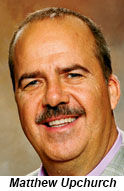
 Virtuoso CEO Matthew Upchurch talked with senior editor Kate Rice about its initiatives to attract new talent to retail travel.
Q: Virtuoso attacked the twin issues of attracting new talent and increasing compensation more than a decade ago. What spurred you to take action?
A: Travel Weekly did a survey asking agents this question: "Would you recommend this profession to friends and family?" And the number was something like 15%. It was pathetic.
Q: How have things changed since that survey came out?
A: Never in my career -- and this is in the past two years -- have I seen more new entrants, be they career-switchers or young people, come into this industry and go from zero to multimillion-dollar producers faster than they are today. It's not about having passion for travel. It's being passionate about people and servicing people.
Q: What has engineered that change?
A: It is happening because we've had it as our mission statement for 11 years.
Q: What is that mission statement?
A: To utilize the Virtuoso network to increase the compensation and personal fulfillment of the frontline travel consultant.
Q: What was the impact of that statement?
A: I'll give you an example of how radical it was. When we came up with that mission statement, I had a few Virtuoso member agents come up to me and say, "Matthew, don't you think you've overstepped your bounds? What business is it of yours what we pay our people?" And I said, "I'm not talking about 'I want to see your paychecks'; what I am telling you is if we cannot make this profession something that we can have our kids and our friends' kids confidently go into, if we can't be something that can compete with other professions, if we don't do that, then what is going to happen?"
Q: What did Virtuoso do to implement that mission statement?
A: We made it a priority and then, like everything else at Virtuoso, once we made it a priority and started sharing ideas, failures and successes, we started building formalized programs, it started to grow. What is important is we provide certain tools, and the members, instead of giving up and saying "Oh, if you hire someone, then they leave," they kept trying different things.
Q: What else did you do?
A: We have merchandised ourselves. We don't just go out and say, "Do you want to be a travel agent?" Instead we market ourselves differently. We are in the lifestyle business. We manage the most valuable nonrenewable resource: free leisure time. For example, four years ago, we established the trademark "Return on Life." When the financial meltdown happened, we already owned "Return on Life" for travel. So here we are in the financial meltdown and all of us in this profession were sitting there going, oh my God, the stock market is melting and "luxury" is a bad word. What is my purpose in life? Booking travel for wealthy people? What's my future?
But when we started to reposition the value of our travel advisers to consumers by basically saying we're the people in charge of managing your most valuable moments, not only did it turn out to be a great consumer position, what I had not expected was what a great morale booster it was for our advisers. [They could say] "I'm not in the business of booking travel, I am the person who makes sure that that couple has the memory of a lifetime."
Follow Kate Rice on Twitter @krtravelweekly.