
The Mexico resort master plan
Private communities that combine residential and villa components with high-end resorts and amenities offer a lucrative and growing luxury segment for advisors.
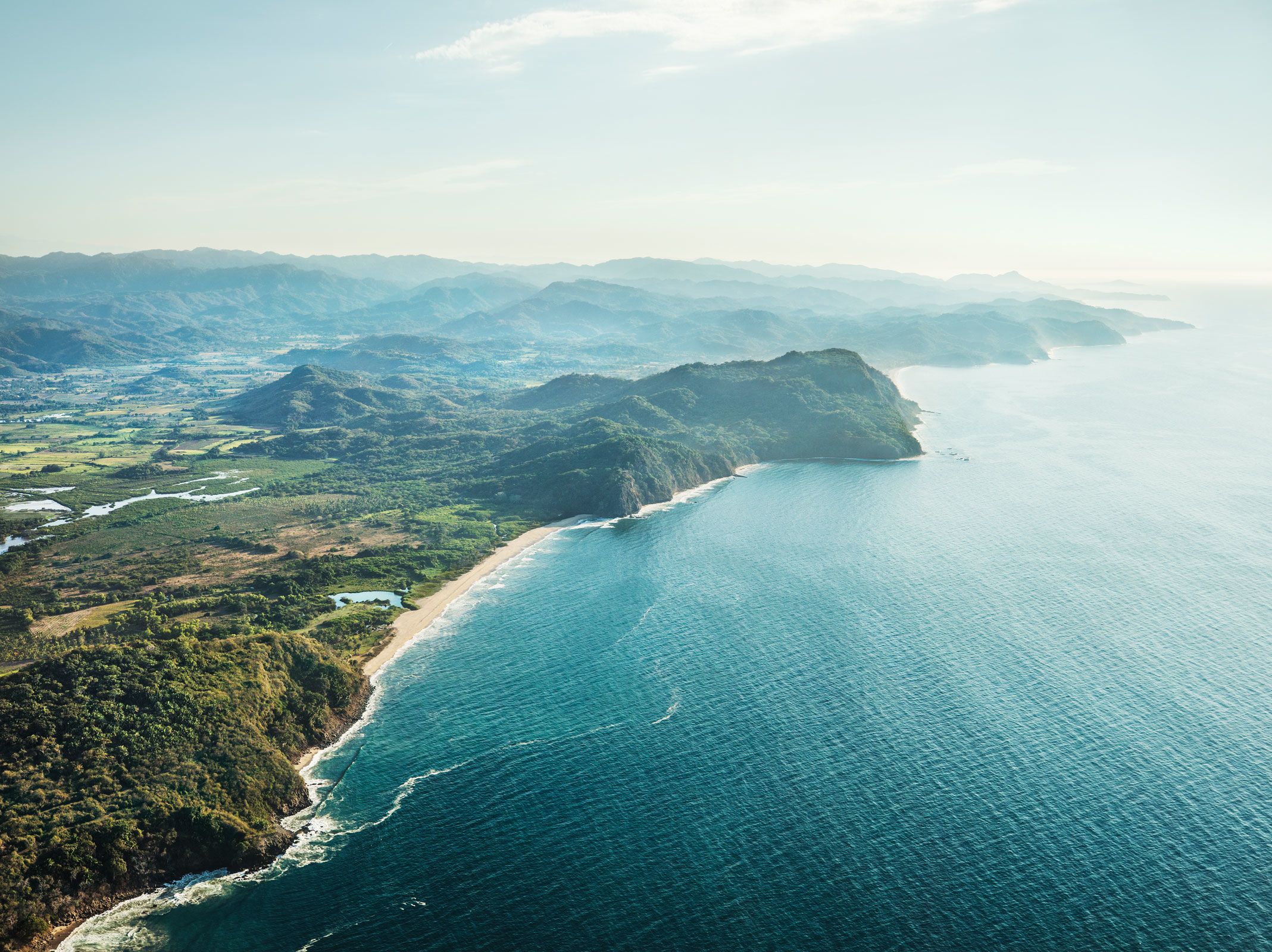

For decades, selling Mexico was about selling a dream: white-sand beaches, palm trees swaying over turquoise water, cobblestone villages that feel far removed from everyday life.
As the places that became synonymous with those experiences got built up and busy, a different dream emerged, one that sold curated seclusion: gated enclaves where high-end hotels and branded residences share wellness facilities and other amenities, in settings where natural beauty meets ease, safety and access.
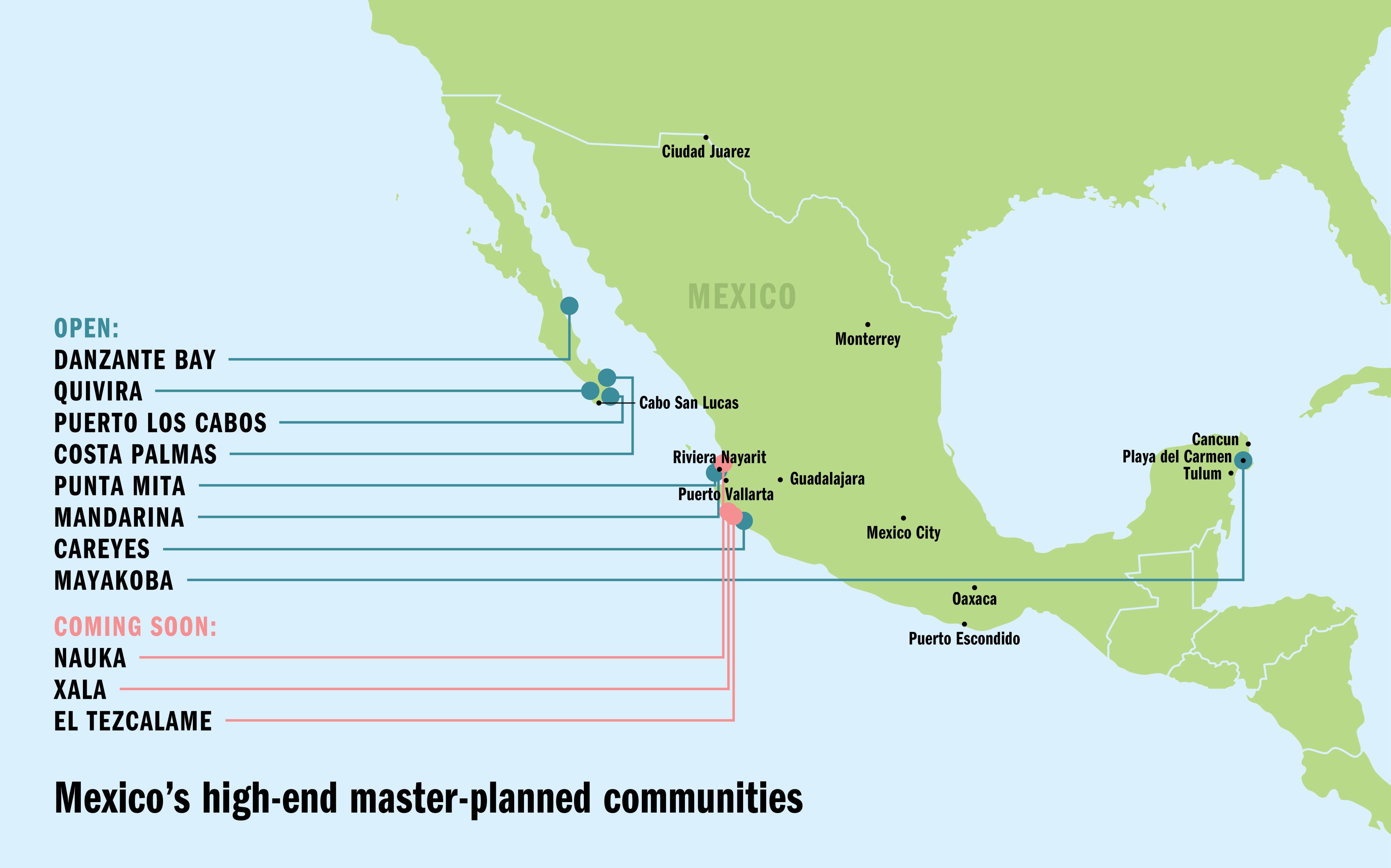
From the Costalegre to the Yucatan and Los Cabos, these master-planned communities have been around and evolving for decades, but the pace of development has accelerated: Eight such communities operate nationwide, with three more opening in the next two years and several more in development.
Their rise signals a shift in what high-end travelers are looking for: privacy, ease and security layered with cultural touchpoints and natural beauty.
For travel advisors, these enclaves offer great opportunity for those who put in the work to match clients to the right community and are able to balance travelers’ desire for authenticity and exclusivity.
A short history
The idea of an all-encompassing luxury community in Mexico began long before the current boom.
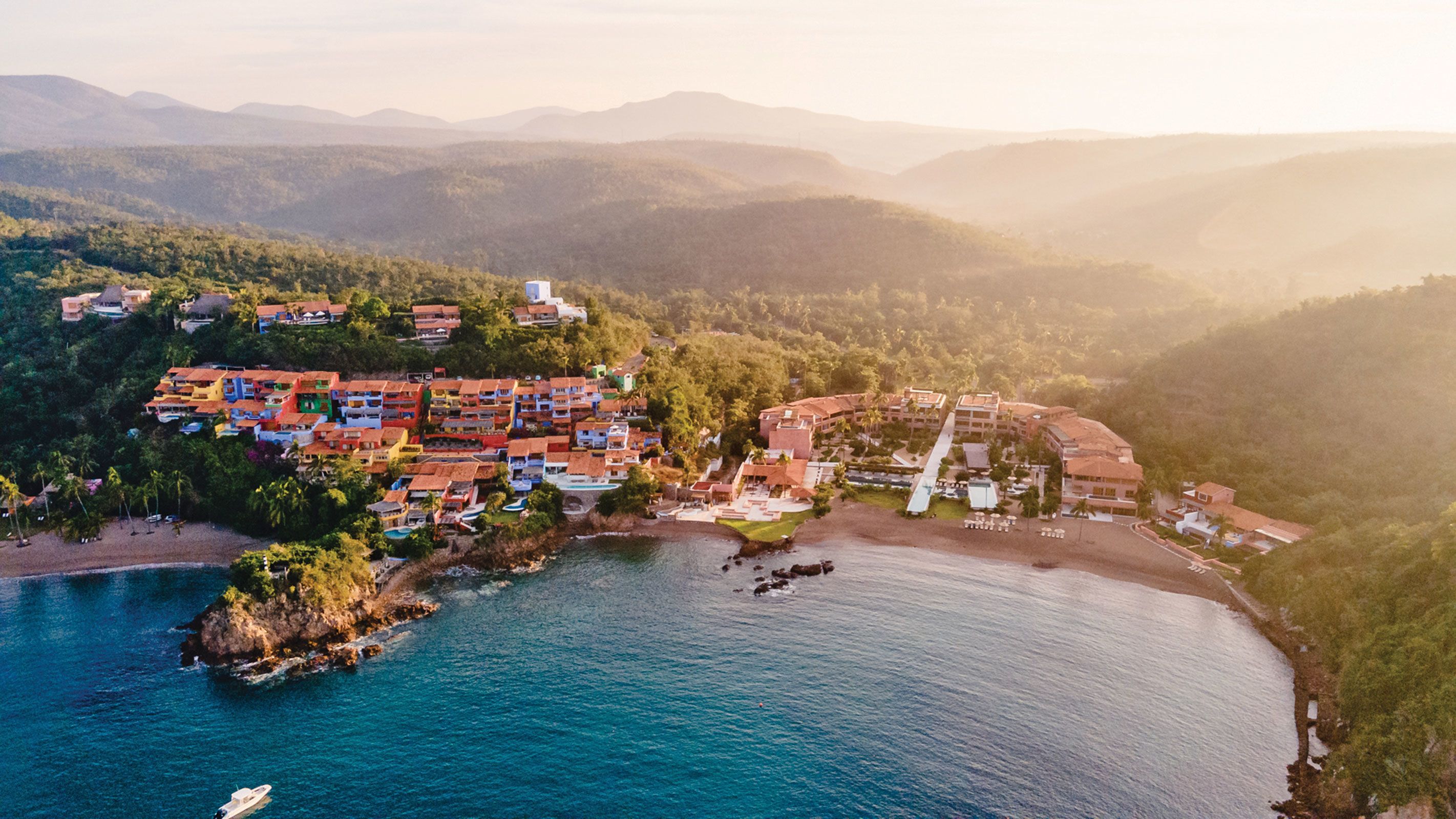
In 1968, Italian banker Gianfranco Brignone purchased 10 miles of Jalisco’s Costalegre coastline on Mexico’s west coast. His vision for what would be called Careyes was not commercial but personal: a “community of friends” where art, architecture and emigres could gather in harmony with the land.
“Careyes was never about selling volume,” said Giorgio Brignone, Gianfranco’s son and co-owner of Careyes. “We are artists compared to these multibillion-dollar projects. We prefer to sell to the right person rather than to have 1,000 owners.”
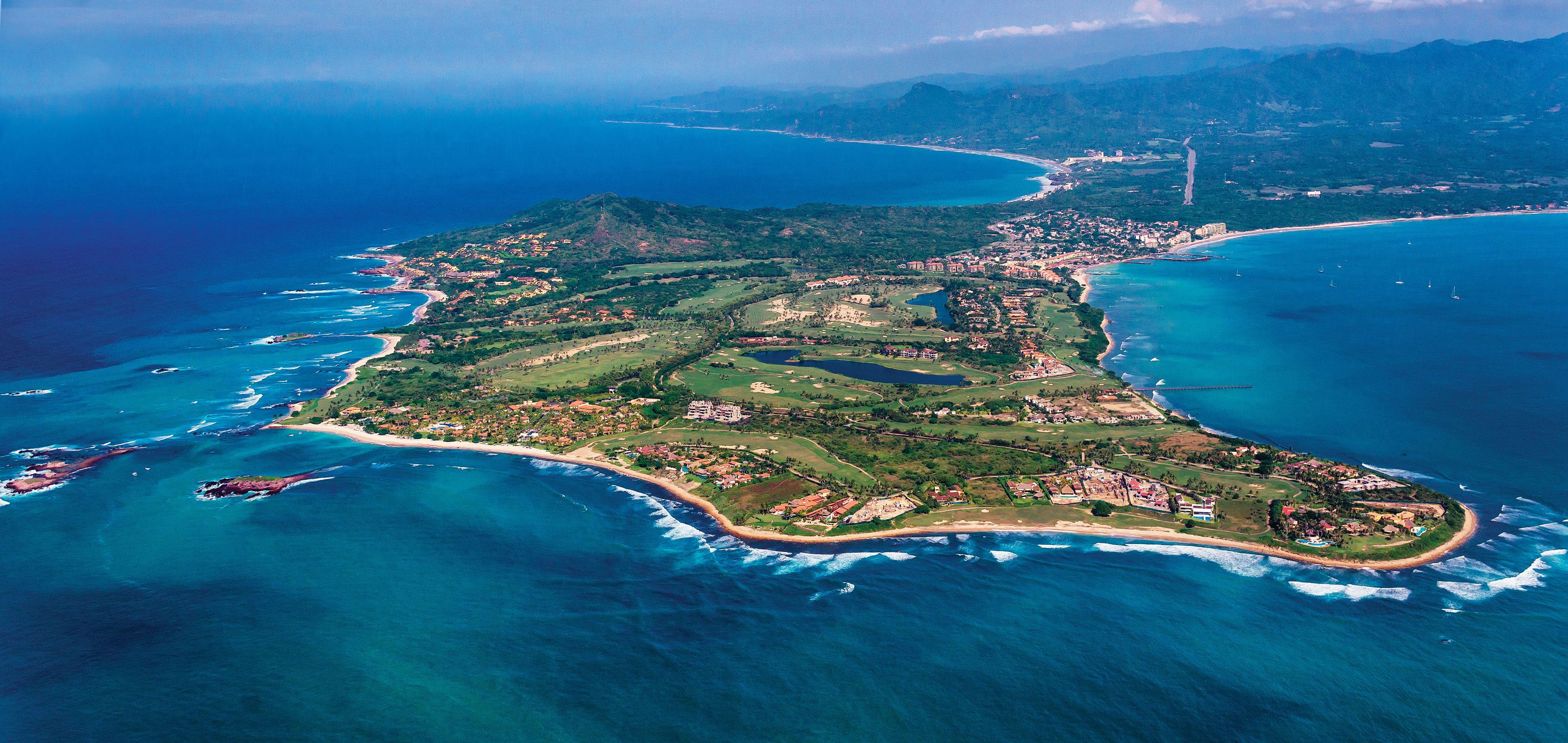
By the 1990s, the master-planned community model had shifted. Farther up the coast in Nayarit, Punta Mita opened, fusing exclusivity with brand cachet, anchored by the Four Seasons and later the St. Regis along with private residences.
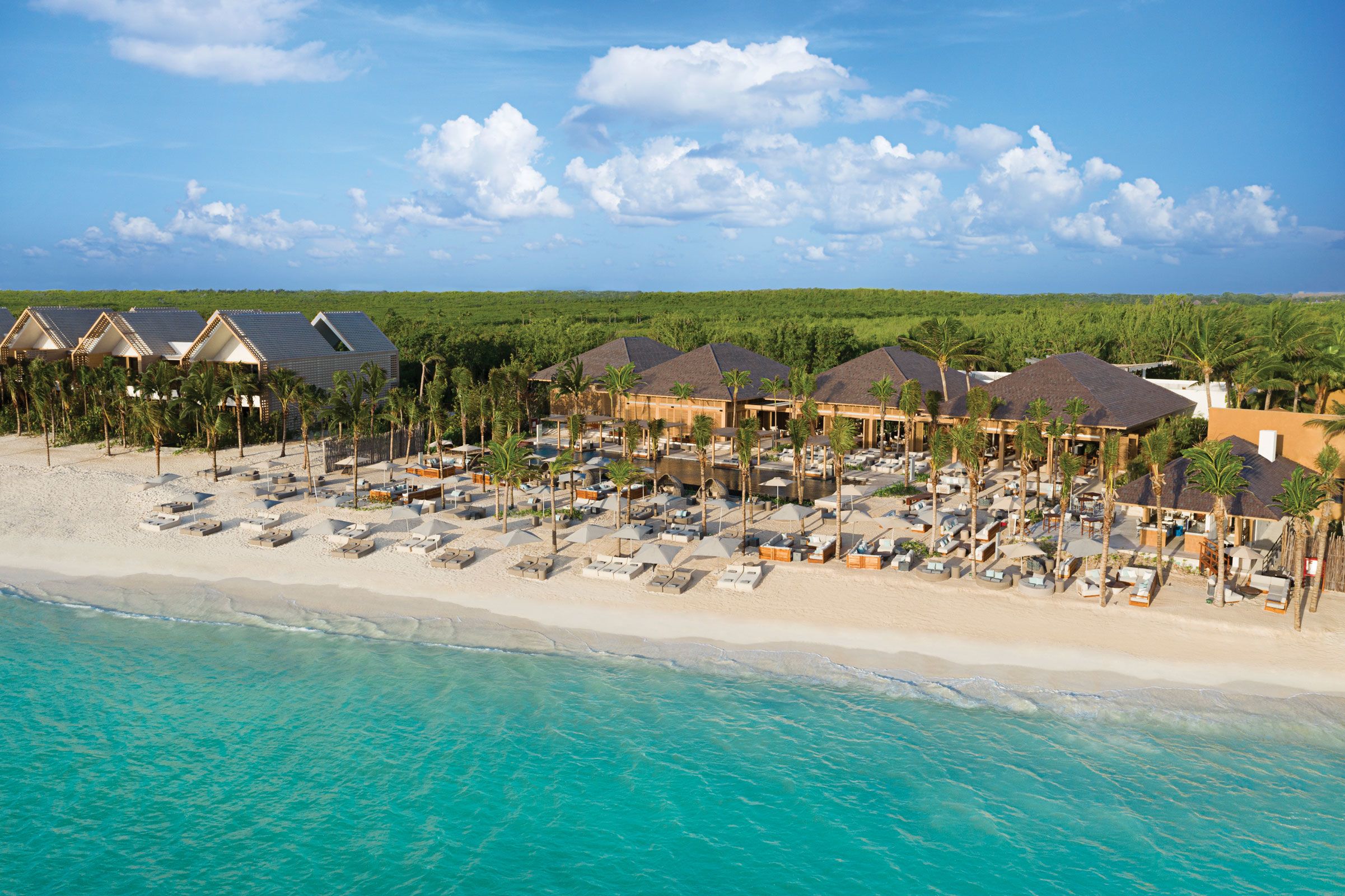
On the Caribbean side, Mayakoba pushed the model further in the early 2000s, and it remains the only such master-planned community on Mexico’s east coast. Built around a network of canals, cenotes and mangroves, it integrated four luxury hotels — currently Banyan Tree, Fairmont, Rosewood and Alila — and a PGA-caliber golf course into an ecoluxury blueprint.
Los Cabos’ Quivira, conceptualized in 2005, built a reputation for “best-in-class” partnerships while expanding into residences and lifestyle programming.
These pioneers proved Mexico could sustain large-scale communities mixing hotels, residences and experiences.
Today’s developers are far more ambitious, designing lifestyle ecosystems aimed at families and ultrawealthy travelers staying for weeks or months, and across generations.



The new wave
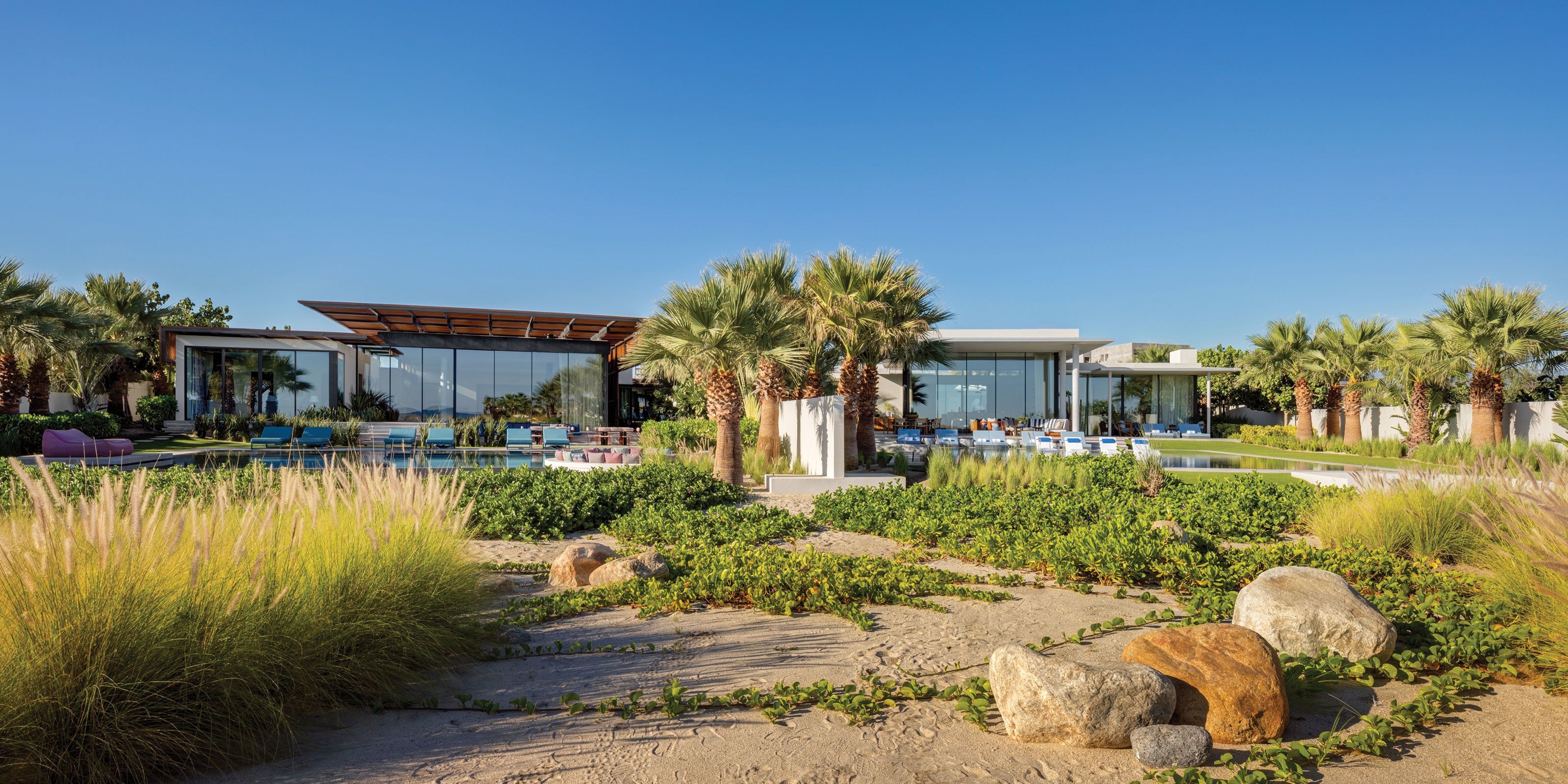
Set along three miles of swimmable beach on Baja’s East Cape, Costa Palmas combines the Four Seasons, the soon-to-open Amanvari and the planned Casa Blake condotel, all linked by a private club. Its centerpiece is a 300-slip marina where yachts can dock alongside restaurants and shops.
“We attract big, adventurous families,” said managing director of sales Michael Radovan. “One day they’re spearfishing, the next hiking to waterfalls, then back at the marina for dinner.”
Farther south, Nauka — anchored by a Ritz-Carlton Reserve opening in December — integrates 400 residences, golf, marinas and family-friendly activities designed after the pandemic shift toward togetherness.
“We wanted to make it the best time ever for all parties, not a vacation where dad disappears to golf for five hours,” said co-founder Mark Birnbaum.
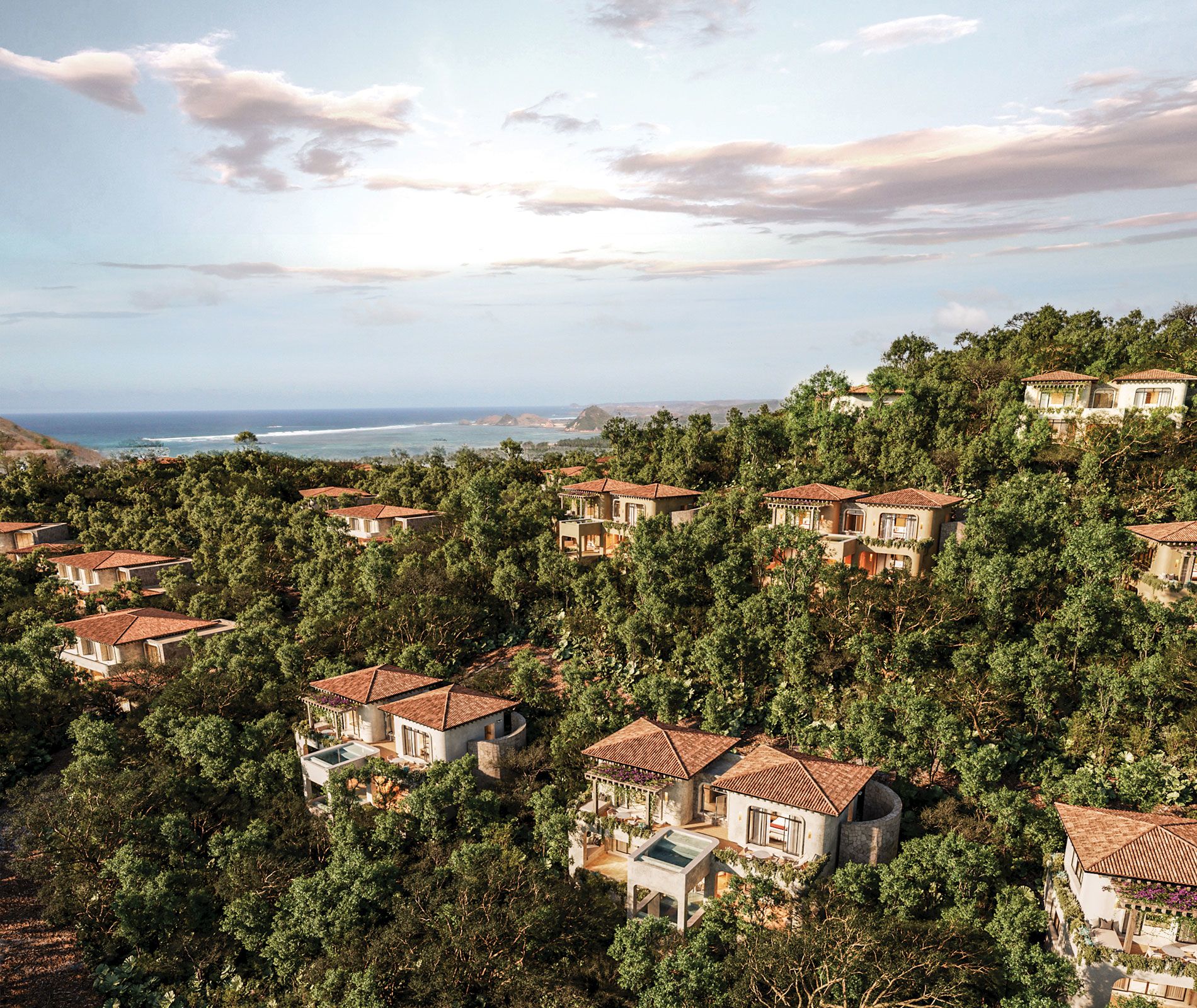
RLH Properties’ Mandarina has become the standard-bearer for jungle luxury. Its One&Only and Rosewood resorts immerse guests in Pacific cliffs and forests, with Rosewood residences and a wellness hub under construction.
“When you walk into One&Only Mandarina, you feel like you’re the only guest,” said RLH Properties CEO Luis Duran. “It’s understated luxury about privacy and transformation.”
In Loreto, Danzante Bay offers a wellness-driven alternative to Cabo. Framed by Unesco-protected landscapes and the Sea of Cortes, the community includes Villa del Palmar and will expand in 2026 with the Mailena Wellness Resort, a regenerative center blending clinical science with luxury hospitality.
On the Costalegre, new master-planned communities are in line with the Jalisco government’s 20-year plan for low-density development, even as the new Chalacatepec Airport opens more access to the region.
“The real luxury of Costalegre is the nature, barely touched by humans,” said Michelle Friedman, Jalisco’s secretary of tourism. “We want it to remain that way, while making sure locals are part of the opportunity.”
That philosophy is echoed at El Tezcalame, a forthcoming master-planned community that will be anchored by the Chable Costalegre hotel. Nearly half the land is dedicated to conservation, alongside a raicilla distillery, butterfly sanctuary and eco-nautical clubs. Residences launch this year, with the hotel opening in 2027.
On a rugged, 3,000-acre stretch of Costalegre, Xala will be anchored by the Six Senses Xala, opening next year, and 75 six-acre residences. The $1 billion project combines beach bungalows, a farm-to-table concept powered by Xala Farms and surf breaks with unusually deep community investment through its Xala With Heart foundation.

Where advisors come in
If developers are driving supply, travel advisors are seeing demand for these resorts and rentals firsthand.
Zach Rabinor, founder of Journey Mexico, traces the boom to two converging forces: a structural shift in hotel financing and a generational surge in wealth.
“The real estate component of hotel development has become essential,” he said. “At the same time, there’s been an explosion of wealth across boomers, Gen X and Millennials, accelerated by the pandemic, which left people craving nature, community and a remote escape hatch in their back pocket.”
Rabinor said that residences and villas with hotel-style services, once a niche product, are now one of the fastest-growing categories for advisors. For families and groups of close friends, they are “the perfect fit. They want time together under one roof, with privacy and exclusivity.”
Clients are drawn to the mix of villa privacy with hotel amenities, said Sharon Walters, owner of Sharon Walters Travel. “The space and privacy of a residence, but also restaurants, beach clubs and wellness programming — that combination is what sells,” she said of the master-planned communities.
Indagare founder Melissa Biggs Bradley also cited the appeal of “multiple beaches, world-class dining, spas, kids’ clubs and outdoor activities, all within a safe, secure setting,” and said that Punta Mita, Mayakoba and Mandarina are especially popular with multigenerational groups.
These advisors say the challenge is less about convincing clients and more about matching them to the right community: Punta Mita for rental options; Mandarina for seclusion; Costa Palmas for adventurous families; Xala or Tezcalame for community and cultural integration.
“It comes down to listening and finding the right product to meet your client’s needs,” Rabinor said.
And while Mexico’s master-planned boom presents enormous opportunity for advisors, they come with new complexities and challenges.
Some advisors say clients worry about overdevelopment, density and whether these enclaves offer enough of “real Mexico.”
“The goose has laid the golden egg — don’t overdo it,” Rabinor said. “Developers need to respect carrying capacity, density and resources. Otherwise, you risk ruining the very thing that makes Mexico attractive.”
Biggs Bradley finds that the newest developments actively work to avoid those pitfalls.
“During peak periods like festive [season] and spring break, demand is high enough that oversaturation isn’t a concern,” she said. “The latest projects are setting themselves apart with stricter building regulations, commitments to seclusion and distinct senses of place. That balance helps ensure that even as new developments emerge, the experience remains exclusive and desirable.”
Still, a tension remains. Some travelers worry about the authenticity gap of these communities and feeling too insulated. For others, the curated environment is the point: privacy, safety, predictability.
This layered reality, communities that reflect Mexico but through a curated filter, isn’t new; what has changed is the scale. As Mexico’s mainstream destinations have grown busier, wealthier travelers have moved deeper into gated enclaves, where “authenticity” is delivered in curated doses rather than unfiltered immersion.
On the surface, these communities are deeply Mexican. The landscapes are real: Pacific jungles, Baja deserts, Caribbean lagoons. Developers employ Mexican architects and designers, source local products and weave in cultural touchpoints, such as tastings of local spirits and farm-to-table dining. For many guests, this is more than enough: a luxury lens on Mexico that feels comfortable, controlled and consistent.
But that lens raises questions.
“I’ve heard of people asking architects to build the same style as California,” Brignone said. “For us, it was always about Mexico: Mexican food, Mexican materials, Mexican style. Otherwise, you could be in Palm Springs.”
Friedman believes that authenticity comes from restraint.
“If we succeed in developing carefully, with locals integrated as guides and entrepreneurs, then Costalegre will remain different,” she said.
Even in Punta Mita, authenticity means more than what’s inside the gates. “What’s interesting here is that you’re not stuck,” said Carl Emberson, Punta Mita’s director of resort operations and marketing. “Hop in your golf cart, and just outside you have 30 restaurants, shops, the church, a real Mexican community that we support.”


Finding the right balance
For advisors, the key is knowing when to lean into the bubble and when to break it. For Walters’ clients, it’s all about balance.
“These communities are stunning, but they can feel very self-contained,” she said. “For me, the magic of Mexico is always the people and the culture outside the gates. The best clients are the ones who enjoy both — the villa life with all its comforts, and then going into town for the food, the shopping, the energy that makes Mexico so unique.”
Clients not looking for full cultural integration inside the gates might still expect to balance that with off-site authenticity.
“Travelers are drawn to these resorts for their ease and resort-style luxury,” Biggs Bradley said. “But to create the best of both worlds, we often suggest pairing a beach vacation with a few days in Mexico City, San Miguel de Allende or Guadalajara. That way, clients enjoy the convenience of a master-planned setting while also immersing themselves in local culture.”
At Costa Palmas, Radovan said, many families opt for the resort instead of traveling to Hawaii or the Caribbean, preferring the convenience of a controlled environment just two hours from L.A. At Mandarina or Nauka, exclusivity and privacy, not immersion, are what ultraluxury travelers demand.
Looking ahead
Mexico has always been about escape. In Careyes, that meant community and artistry. In Punta Mita, it became gated exclusivity with global brands. In Mayakoba, luxury hotels peppered between cenotes and mangroves. Today, the model has evolved again: master-planned communities offer turnkey ecosystems of wellness, residences and lifestyle programming within a short flight of U.S. wealth centers.
For developers, the model is irresistible: the real estate value of residences often eclipses the hotel itself. For owners, it can be lucrative: 70% of Punta Mita owners rent out their homes, Emberson said, “sometimes for $20,000 a night. That ROI is part of the appeal, alongside the friendships and sense of belonging people find here.”
For advisors, these communities offer some of the most lucrative products in the luxury portfolio, making it worth the effort to formulate the right client match.
“True cultural fit and community are what will set the best projects apart,” Rabinor said. “It can’t just be surface-level. The long-term winners will be the ones with shared values, beyond just financial models.”