
AVIATION



AVIATION
For airlines, 2021 was a year of both turmoil and recovery.
A major buildup in domestic traffic was evident with near-daily announcements of new or restored routes, and more and more planes were taking off fully loaded.
But staffing problems led to sporadic carrier meltdowns, with American, Southwest and Spirit suddenly canceling thousands of flights.
The staffing problems arose despite billions of dollars given to airlines by the government to maintain their operations in the face of the pandemic.
Flight attendant hesitancy to return to, or stay on, the job was exacerbated by a significant rise in unruly passenger behavior. In a survey of flight attendants, 85% said they had encountered belligerent passengers, with refusal to wear masks the most common point of contention. Alcohol was thought to fuel the problem, and some carriers banned alcohol sales for a period. Passengers were put on no-fly lists of carriers where they had caused incidents, heavy fines were threatened and by September the number of reported disruptions had been cut in half.
International passengers who remained seated, masked and calm were nonetheless inwardly stressed, at least pre-flight, by changing requirements for border crossings. Passenger locator record forms, shifting timelines and requirements of attestations and testing, QR codes, vaccine mandates, vaccine passports and app-based health passes presented a confusing mosaic of health, technology and bureaucracy.
Fear not only of being denied boarding, but of possible quarantines and inability to return home, added to the complex decisions that went into flying abroad.
Among those denied boarding in 2021 were emotional support animals. Passengers had been allowed to bring a wide range of animals on planes by stating they were required for their emotional well-being, but airlines reversed the policy beginning in January.
While there were no major airline mergers, Sun Country and Frontier went public (and Alitalia ceased operations, being replaced by Italia Transporto Aereo). The biggest impact for consumers may have been when American and JetBlue formed the Northeast Alliance, under which the carriers codeshare and jointly schedule routes out of the Boston and New York areas and offer reciprocal loyalty program benefits. The Justice Department has sued to halt the action, which launched in February.
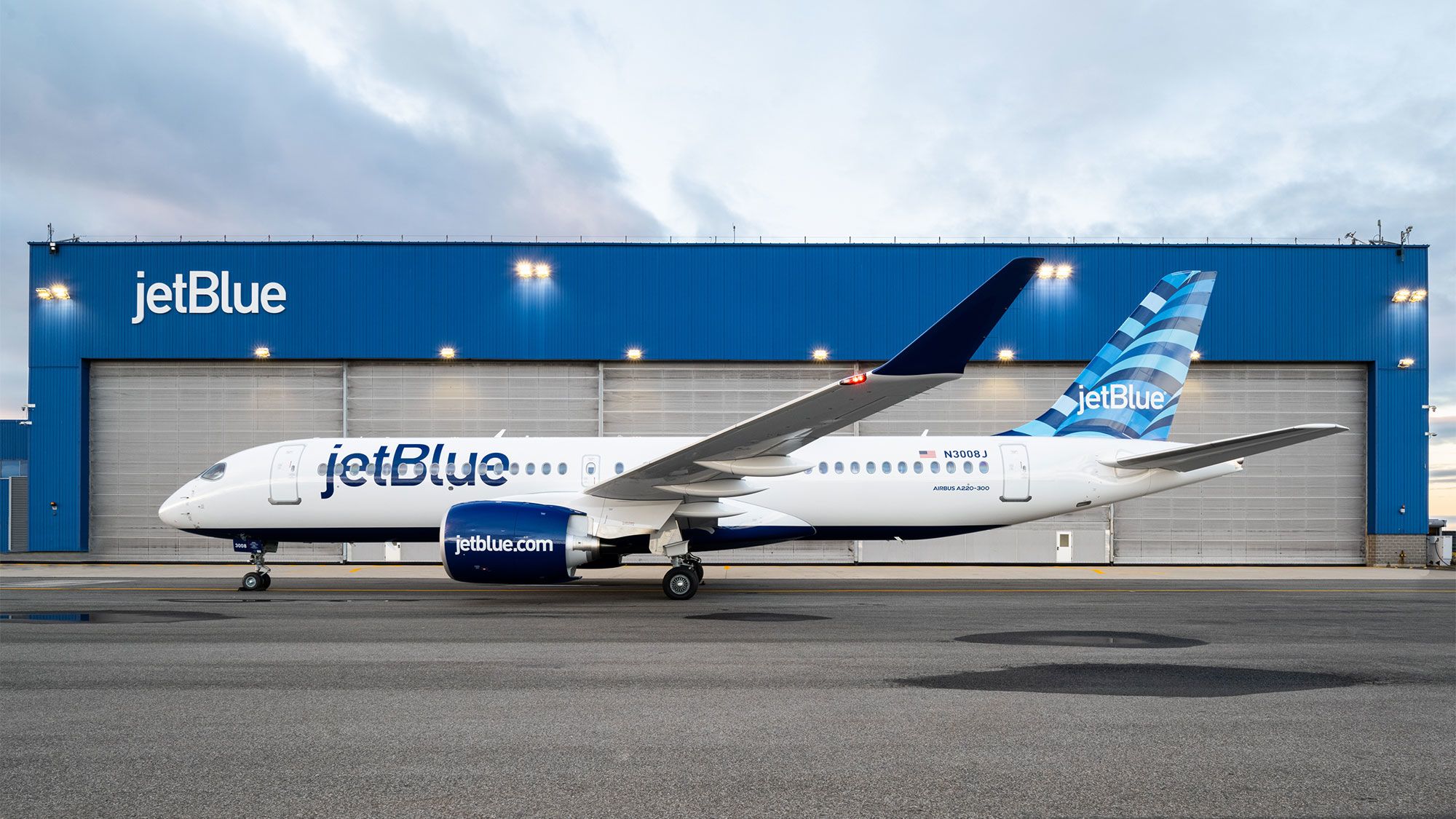
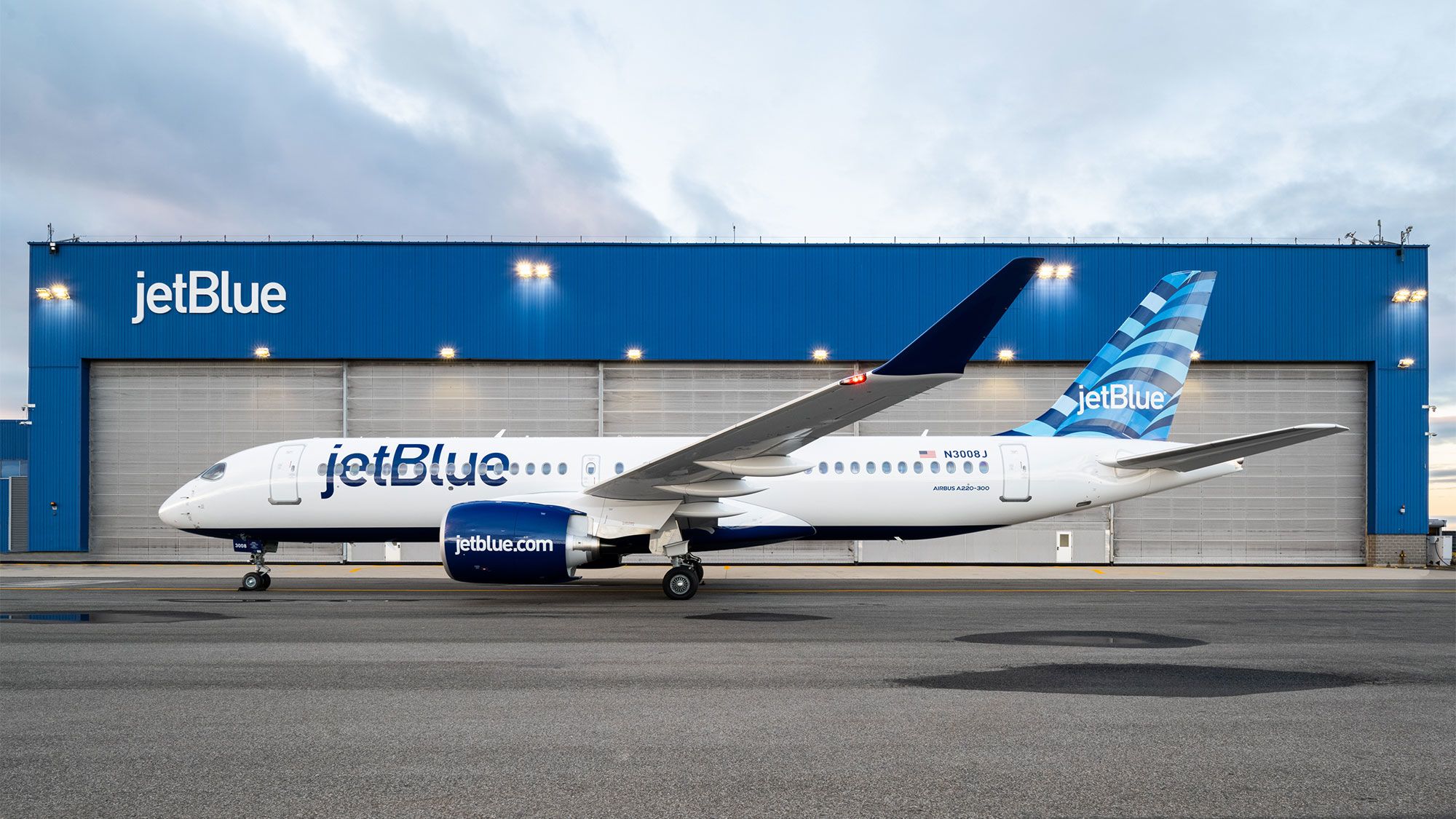
JetBlue also made news with the launch of service to London, which features a relatively roomy coach cabin.
Delta shook up the GDS distribution model with agreements that pay reservation systems based on the value of a ticket rather than strictly a segment count.
In a related move, Delta also worked with Sabre on the GDSs New Airline Storefront, which provides travel advisors with more detailed information. But American saw bias toward Delta in displays, alleging that since advisors may receive higher incentives to book Delta under its new distribution model, it violated unfair practice laws. American has sued Sabre to stop the initiative.
Airlines, under pressure from environmentalists to reduce carbon emissions, have committed to net-zero emissions by 2050, primarily through further development, production and distribution of sustainable aviation fuel.
And, in a sign of their confidence in aviation’s recovery — and growing demand for premium seats in domestic first class and Economy Plus — United has ordered 270 additional aircraft for delivery by 2026. The configuration of the new inventory is such that the number of premium seats will rise 75% from 2019 levels. The order is also an implicit bet that the lagging business travel segment will recover by then.
Long-time airline executives Doug Parker, CEO of American, and Gary Kelly, Southwest’s chief, announced their retirements this year. Parker will be replaced by president Robert Isom, a controversial choice given American’s subpar performance in 2021, and Kelly was replaced at Southwest by its executive vice president of corporate services, Bob Jordan.


 Built with Shorthand