
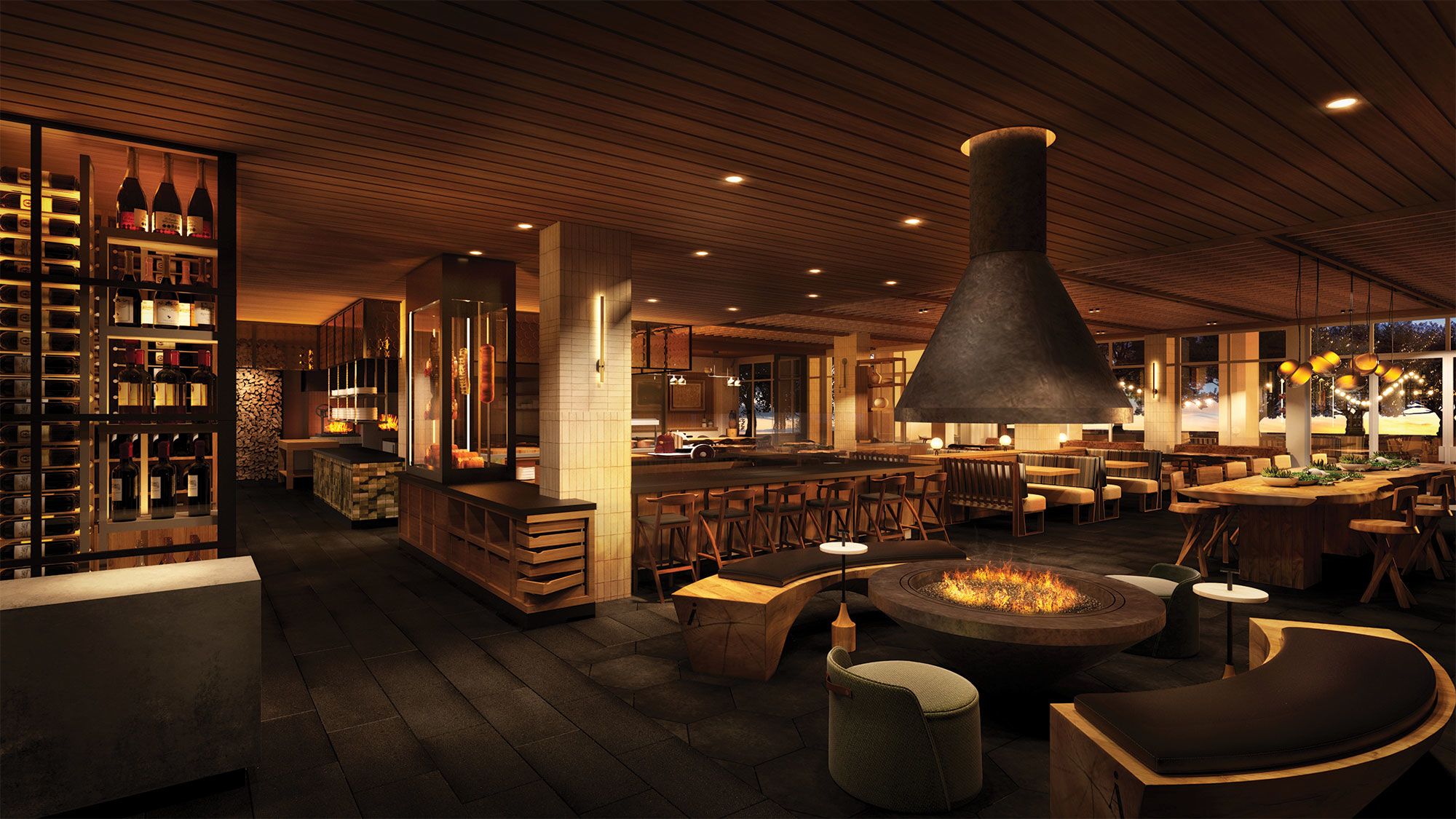
Hotelier Appellation launching with a culinary-first approach



Hotelier Appellation launching with a culinary-first approach
By Christina Jelski
September 26, 2022
Luxury hotels and award-winning chefs have long been a match made in culinary heaven, but one new boutique hotel brand is looking to take a food and beverage focus a step further with what it calls a “culinary-first approach.”
The brainchild of celebrity chef Charlie Palmer and former Four Seasons executive Christopher Hunsberger, Appellation plans to open its first two properties in Sun Valley, Idaho, and Healdsburg, Calif., next year. A third, in Pacific Grove, Calif., is on track to debut in 2024.
Of course, Palmer isn’t the first high-profile chef to make a foray into the hotel sector. For example, Appellation follows in the footsteps of the fast-growing Nobu Hotels brand, launched by renowned chef Nobu Matsuhisa nearly a decade ago.
According to Hunsberger, however, Appellation will take a somewhat different tack, flipping what he says is “the traditional ‘hotel first, restaurant second’ notion” and making food and beverage a core component across nearly every element of a guest’s stay.
Take, for example, the lobby, where guests will check in at a culinary-inspired butcher block counter.
“It isn’t that traditional reception desk with a barrier between you and the guests,” said Hunsberger. “We’ll have a very open reception desk, where you almost feel like you’re arriving into someone’s kitchen.”
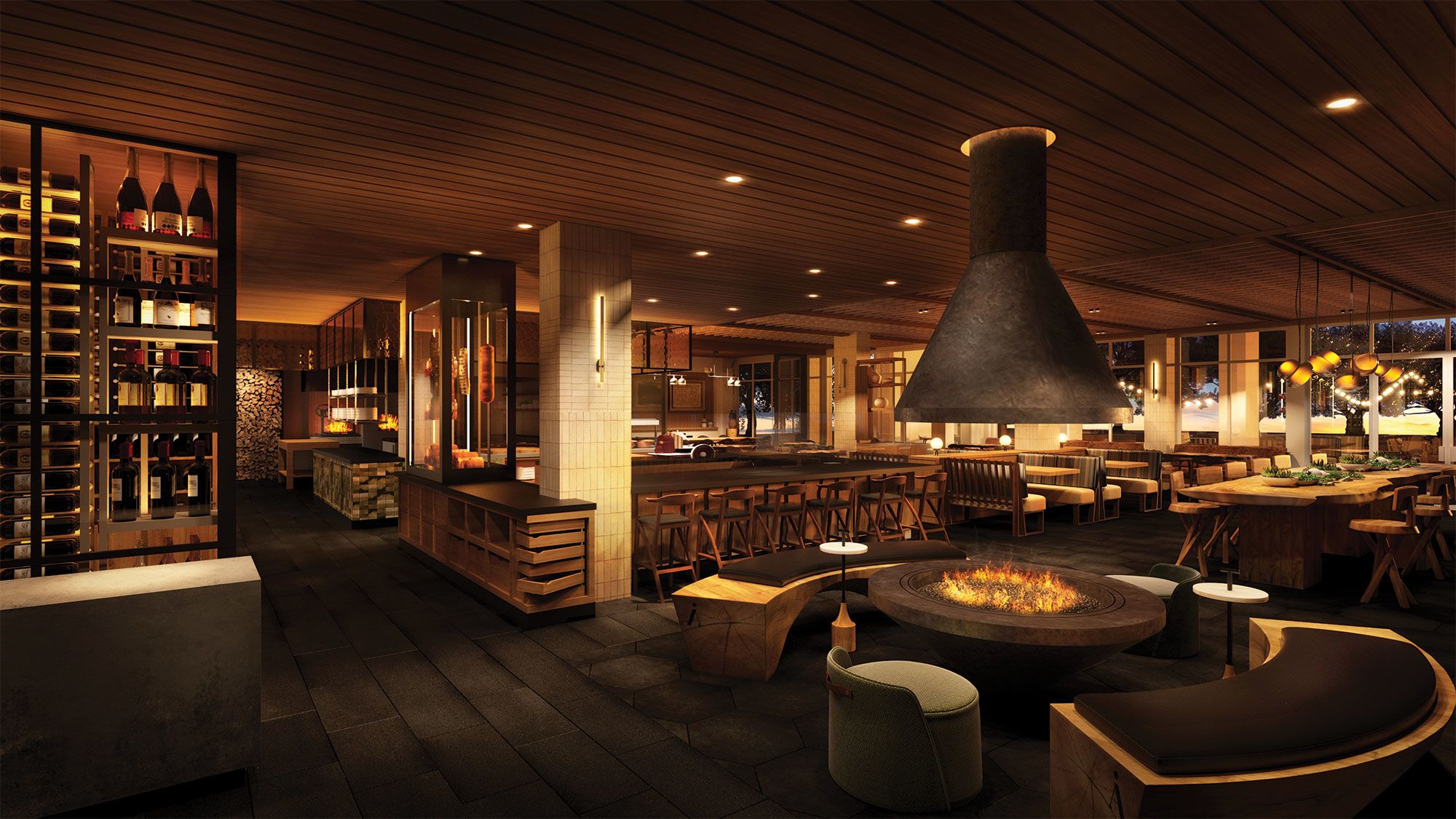
That kitchen-oriented theming will carry through into the lobby area and adjacent Charlie Palmer restaurant and bar, where an open kitchen and various food prep areas will serve as focal points where guests can watch chefs shuck oysters or slice charcuterie.
“One of the things that differentiates us is that we try to bring the back of the house into the front of the house,” said Hunsberger.
This could be “an open kitchen that’s very visible the moment you arrive or stations where our staff are actually preparing food. They’re being designed so that you, as a guest, can come walk up to those stations and interact with our staff.”
Instead of the traditional in-room minibar, guests will have access to communal “pantries,” which will be stocked with a curated selection of complimentary fresh-brewed coffee, teas and other locally sourced sundries. Other pantry refreshments will be available for purchase at certain times of day, such as ready-made cocktails crafted by an in-house mixologist.
Each Appellation hotel will also have upward of 50 experiential and culinary-centric programs and classes, such as a local farm tour, a winemaker Q&A session or a meeting with a local knifemaker to create a custom knife.
While it’s clear that the brand will have plenty to attract the most serious of food and beverage connoisseurs, Hunsberger views Appellation as playing in a somewhat more approachable sweet spot.
The brand’s restaurants and bars, he said, “can go from a very casual, light offering to something that’s more of an elevated experience … something that a lot of people would make an evening out of.”
That approachability also extends to the brand’s price point. While Appellation will exist in the luxury space, Hunsberger describes the concept as sitting below the five-star threshold.
“This is approachable luxury,” added Hunsberger. “If you look around wine country right now, there are hotels that are regularly selling a guest experience for $1,500 or $2,000 a night. We’re not trying to compete in that space. We’ve got what we think is a sophisticated offering but not over the top, and something that you could come to with greater frequency.”


 Built with Shorthand