
Nobu’s next course
It was a restaurant sensation. Then it was an acclaimed luxury hotel brand. How Nobu turned an “upside-down business model” into a success.


By Christina Jelski
March 24, 2025
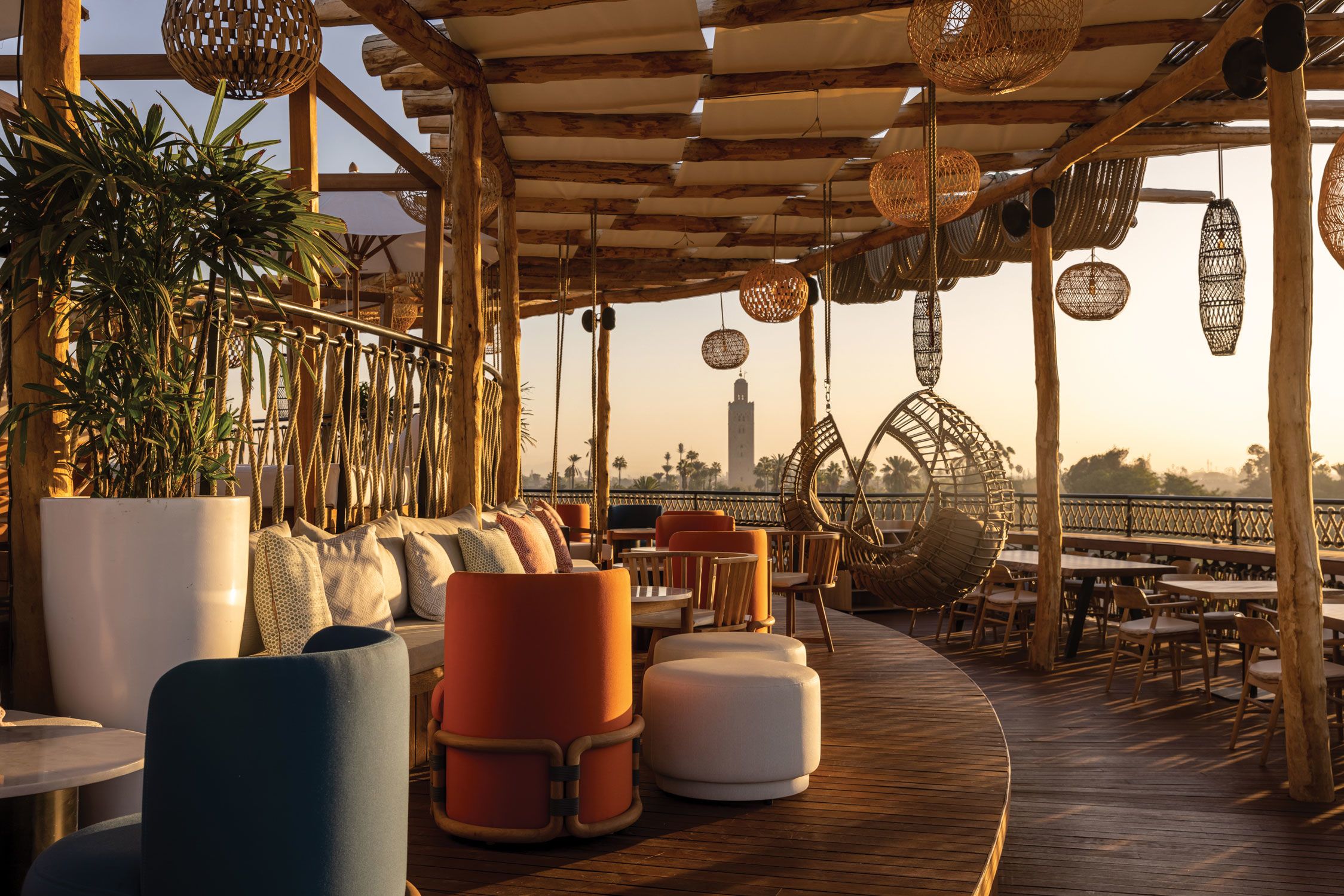

Even if you’ve never dined at a Nobu restaurant or stayed at a Nobu-branded hotel, chances are you’ve crossed paths with the brand.
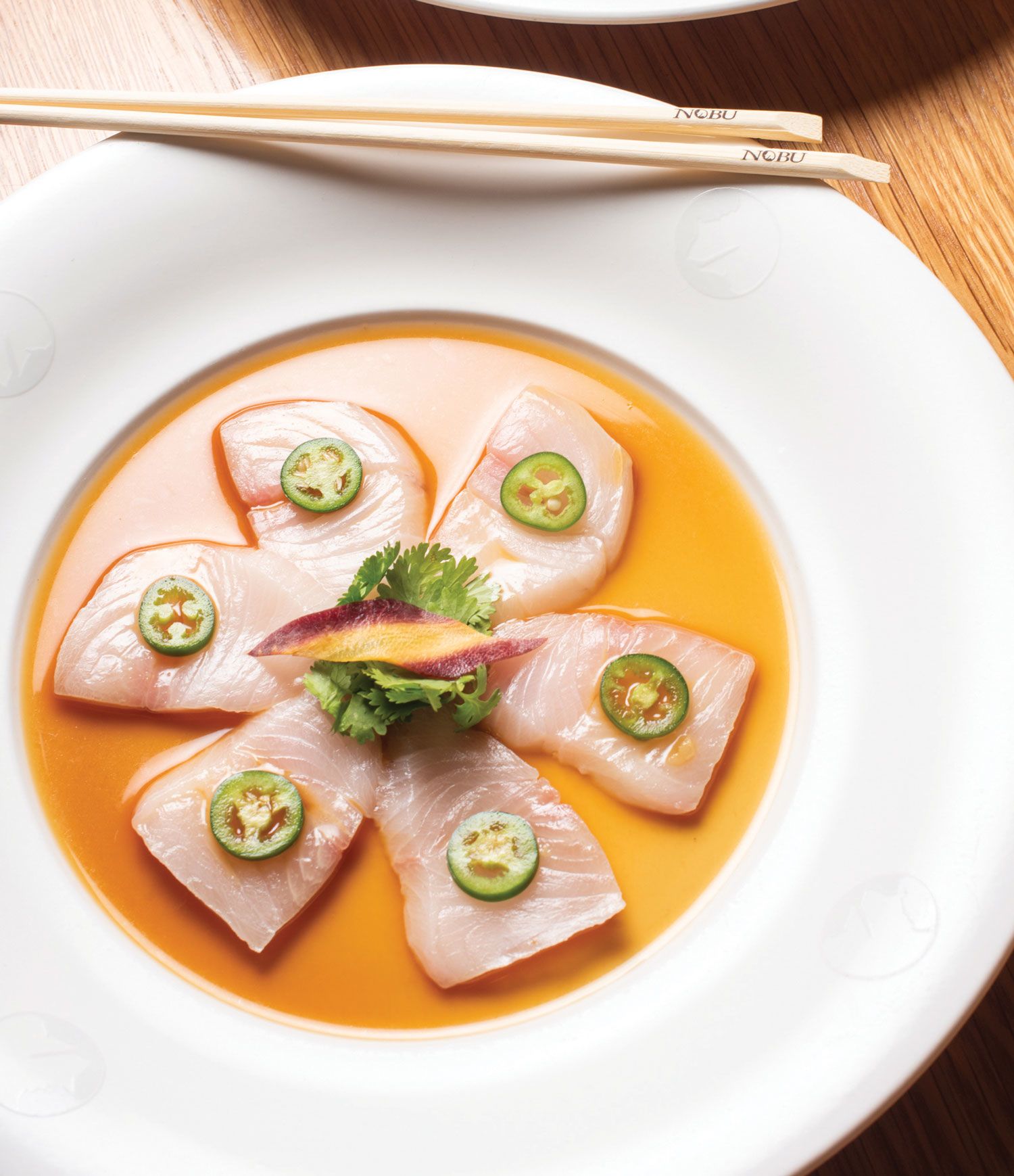
Perhaps you scrolled past paparazzi photos of Taylor Swift exiting the Nobu Downtown in New York’s Tribeca. Maybe you heard the restaurant name-dropped during an episode of “Keeping Up With the Kardashians.” You’ve possibly sampled a version of the restaurant’s famous black cod with miso, which has been imitated at countless restaurants and in home kitchens around the world.

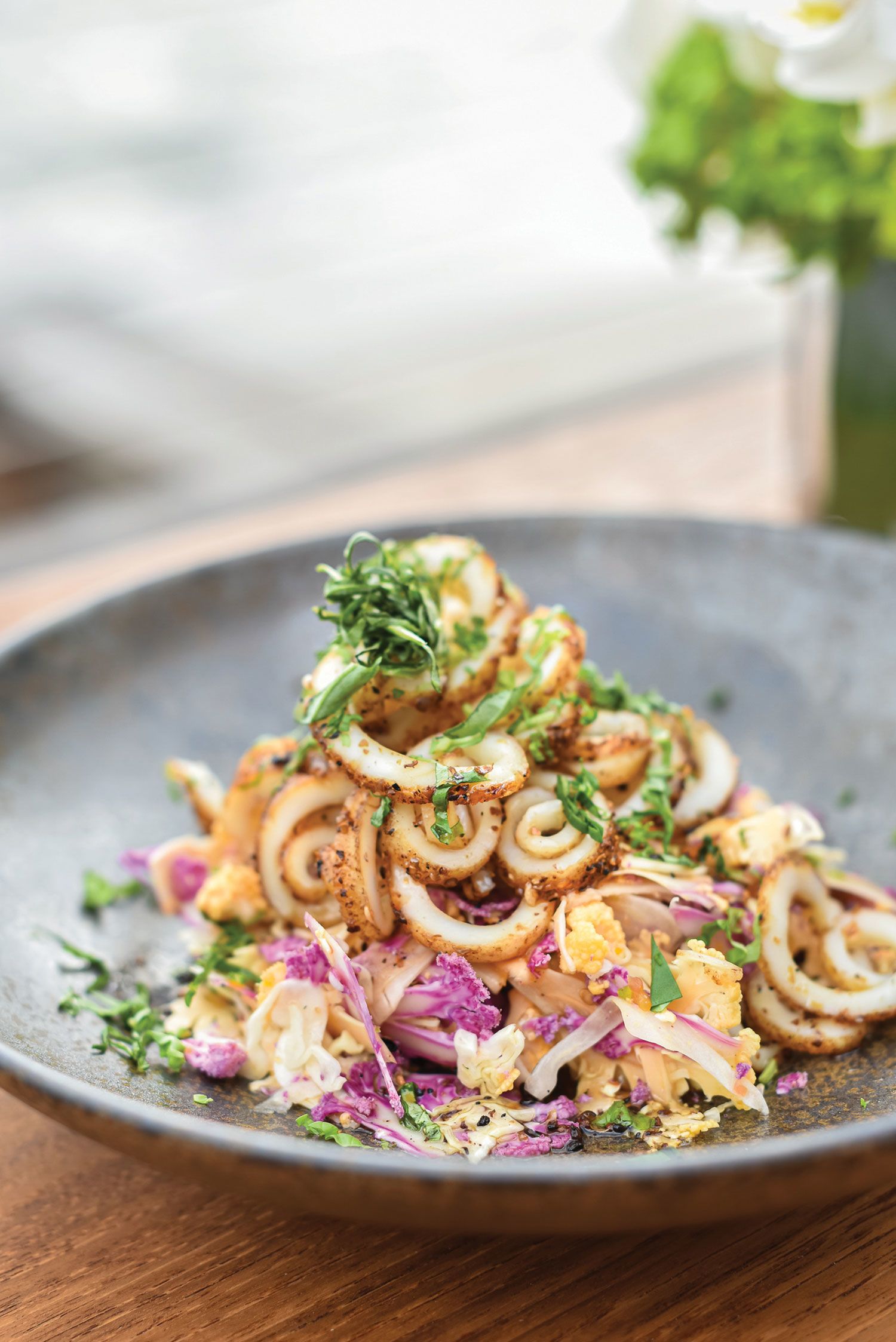
A dish with chopped and seared squid from Nobu. (Courtesy of Nobu Malibu)
A dish with chopped and seared squid from Nobu. (Courtesy of Nobu Malibu)
Since making its debut more than 30 years ago, the Nobu brand has achieved a rare level of both cultural ubiquity and exclusivity — a balancing act that few high-end restaurant chains manage to sustain over decades.
The brand’s most impressive feat to date, however, may be its successful transition from high-end sushi purveyor to luxury hotelier, with its Nobu Hotels arm growing to more than 40 properties open and in the pipeline across the globe in a little over a decade.
It’s a pivot that has caught even seasoned industry professionals by surprise.
“I didn’t even know that Nobu had hotels before I was approached for [my current] role,” said Amir Vahdani, who joined Nobu Hospitality as general manager of the Nobu Ryokan Malibu hotel three and a half years ago.
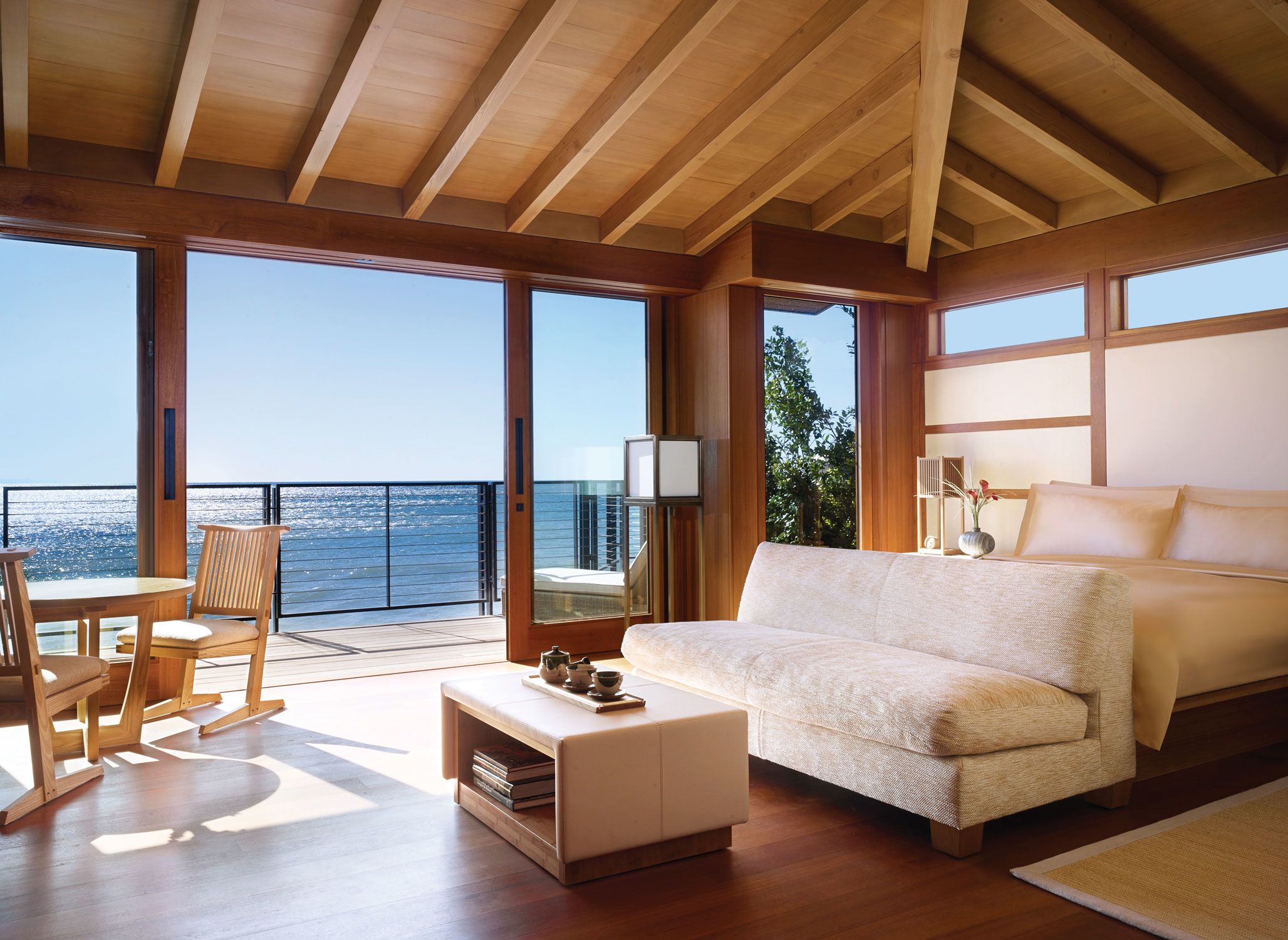
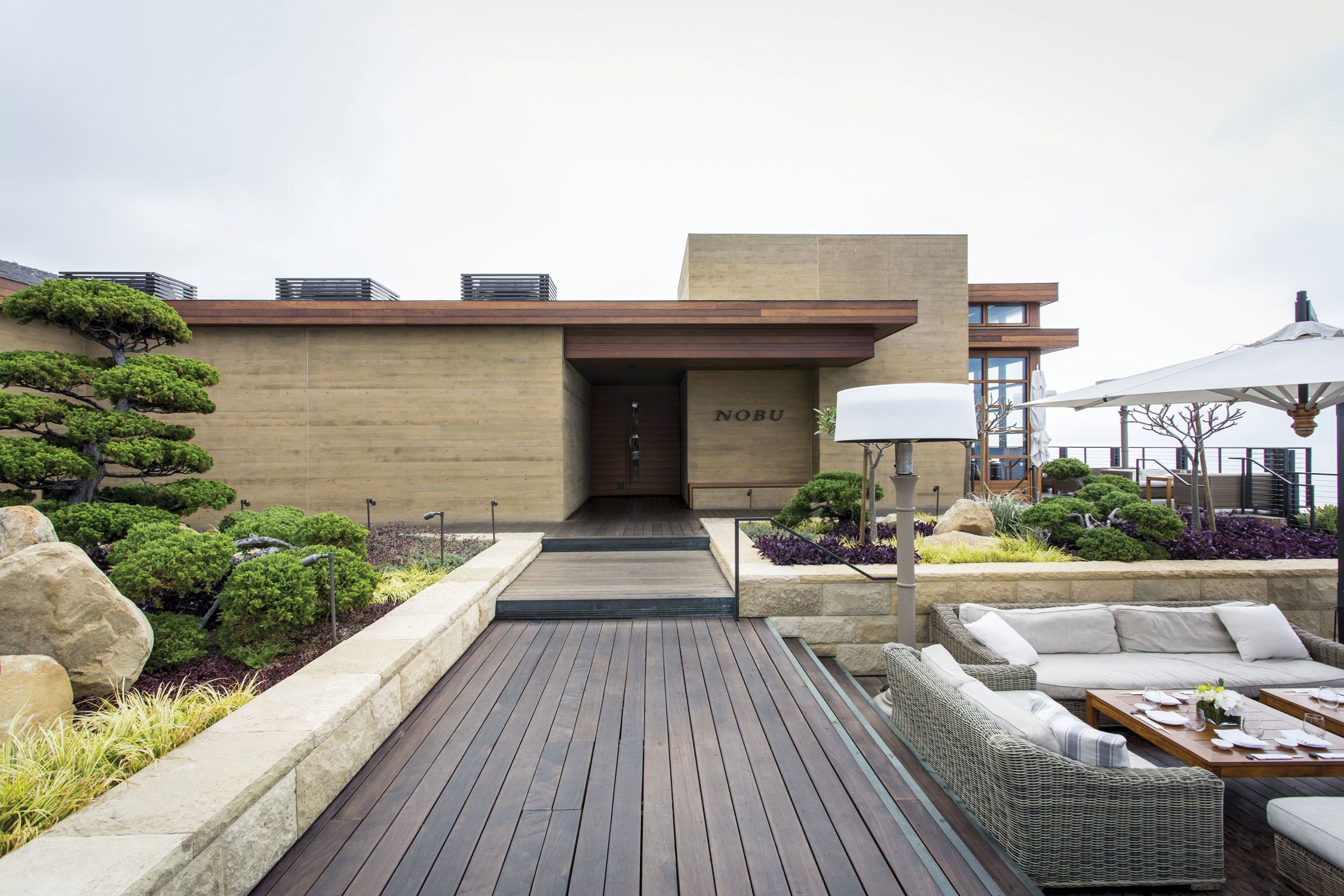
Vahdani, who’d previously had a 19-year stint at Four Seasons Hotels & Resorts, was drawn to the Nobu Ryokan Malibu’s more intimate scale. The 16-room property, which opened in 2017 along Carbon Beach, steps from the bustling Nobu Malibu restaurant next door.
Nowadays, Vahdani is thoroughly versed in the brand’s philosophy, which at the Nobu Ryokan — a smaller, more boutique iteration of the core Nobu Hotels brand — merges Japanese craftsmanship with a laid-back, California-inspired approach to luxury.
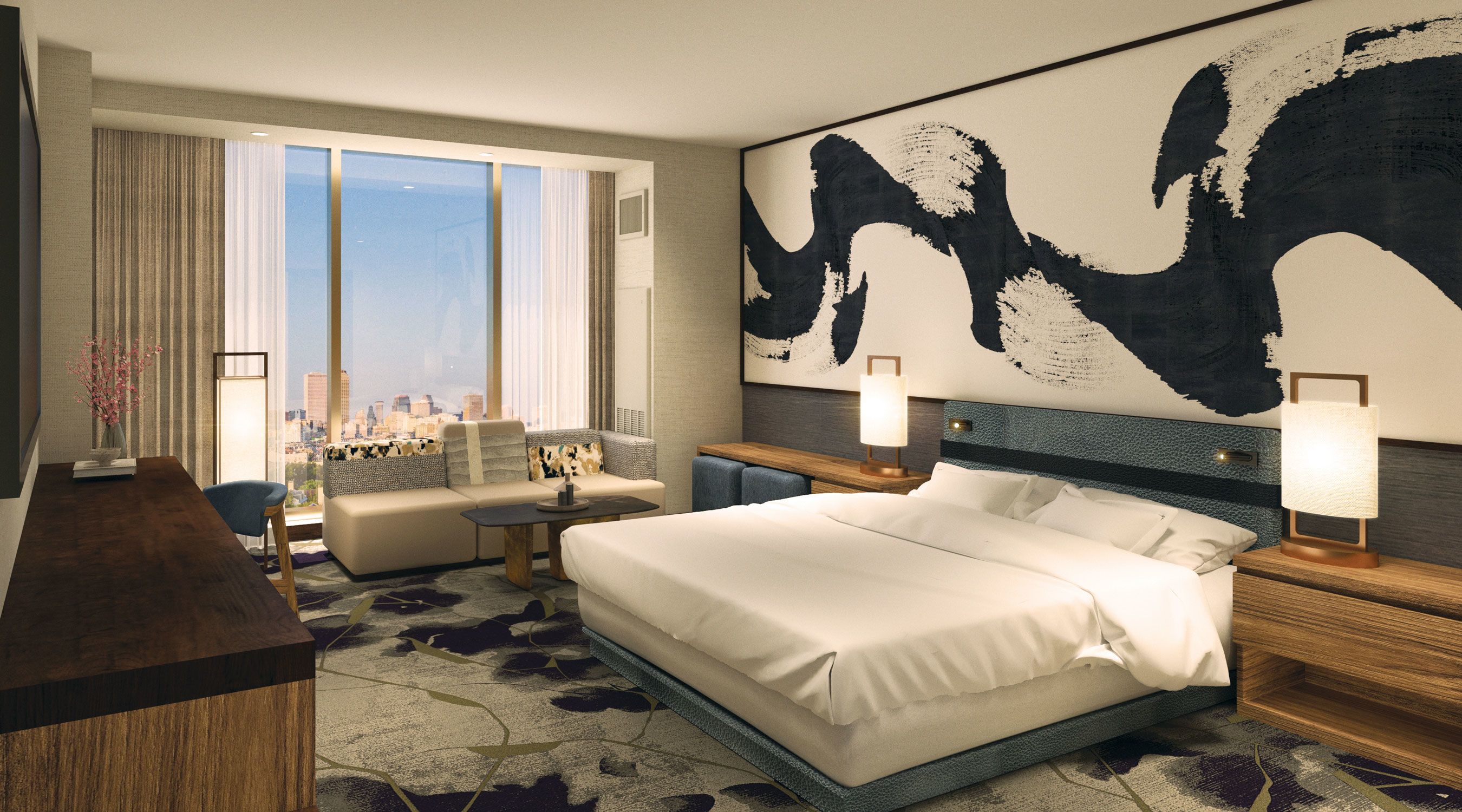
“It doesn’t have a lot of the tchotchkes that you find in many rooms — it’s very clean, minimalistic and calming,” said Vahdani, adding that he and his staff aim for “effortless and courteous service” that makes guests “feel comfortable and like they’re coming back home.”
This approach appears to be working well — according to Vahdani, the Nobu Ryokan Malibu has a 50% repeat guest ratio.
And despite Nobu’s association with celebrity culture — with the Malibu restaurant being particularly paparazzi-friendly — Vahdani insists the brand’s endurance stems from something more fundamental.
“People love Nobu in general because of the consistency,” Vahdani said. “You can go to any [Nobu] restaurant and get the same quality and authenticity. It’s all about being true to the brand. We aren’t just a celebrity-driven hospitality group.”
Still, Vahdani said he’s hosted “many, many celebrities” at the Nobu Ryokan Malibu over the years — too many to count. “But as you can imagine, my lips are sealed,” he said.



Hands-on owners
Star power has been woven into Nobu’s fabric from the beginning, courtesy of its famous founders.
The original Nobu restaurant — established by celebrity chef and restaurateur Nobu Matsuhisa, actor Robert De Niro and film producer Meir Teper — opened in Manhattan in 1994 and quickly became a culinary sensation.

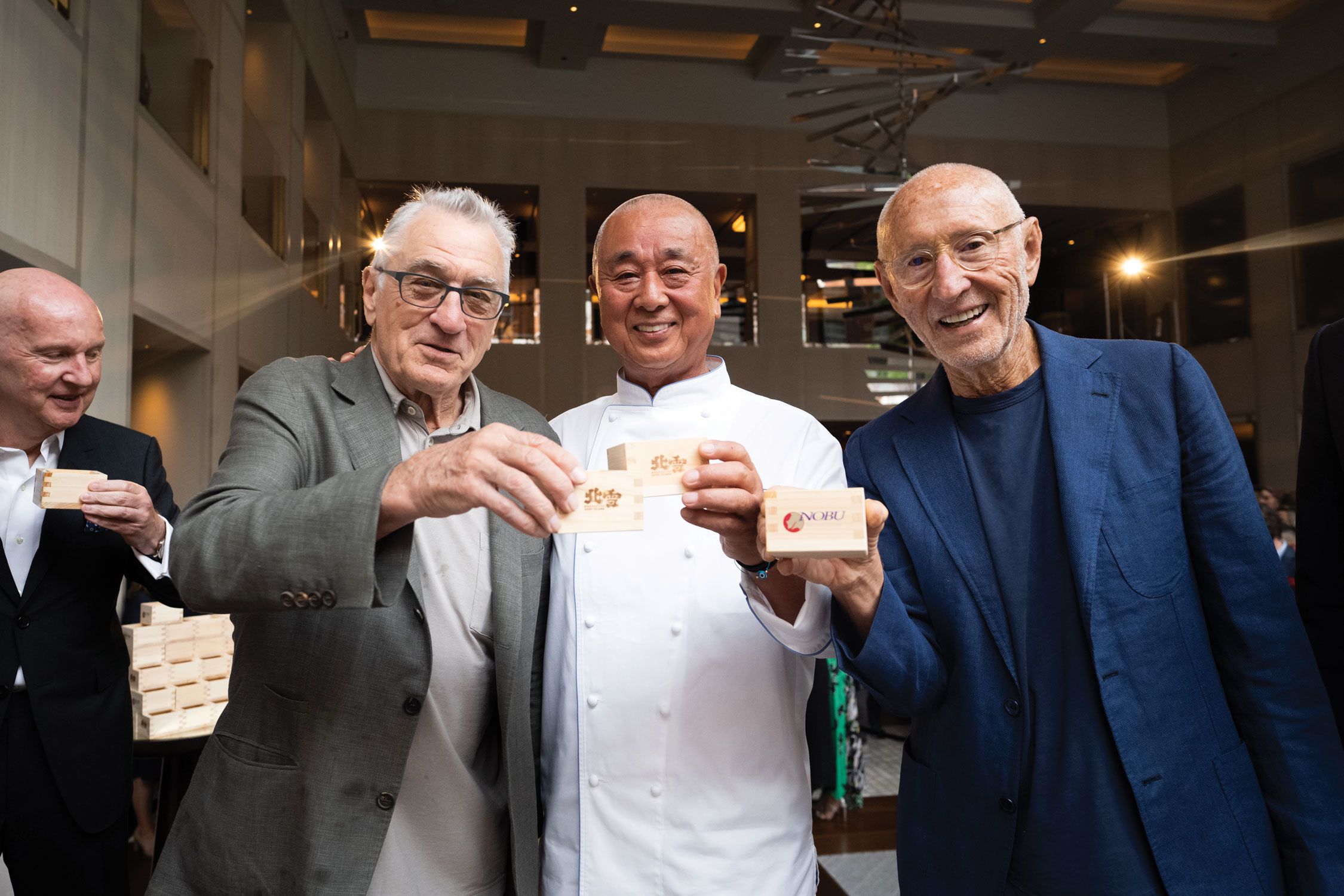
From left, Nobu founders Robert De Niro, Nobu Matsuhisa and Meir Teper. (Courtesy of Nobu Hotels)
From left, Nobu founders Robert De Niro, Nobu Matsuhisa and Meir Teper. (Courtesy of Nobu Hotels)
But it wasn’t until 2007, amid the opening of a Nobu restaurant on the ground floor of the Hard Rock Hotel San Diego, that inspiration struck again.
“At the time, De Niro was being asked a lot of questions by the press about the Hard Rock, and he started thinking to himself, ‘I’m not here for Hard Rock, I’m here for Nobu,” recounted Rachael Palumbo, Nobu Hospitality’s senior vice president of global hotel brand marketing. “He started realizing that we have this amazing restaurant that is really being leveraged by these other hotel brands, and so, he encouraged Nobu, who really only knew restaurants, to move into that space.”
In 2009, the founders brought on hotel industry experts Trevor Horwell and Stuart McKenzie — who serve as Nobu Hospitality’s CEO and COO, respectively — to develop the hotel concept, leading to the 2013 opening of the first Nobu Hotel at Caesars Palace in Las Vegas. (Before joining Nobu, Horwell and McKenzie had honed their hospitality skills in leadership positions with Hard Rock International and, prior to that, Como Hotels & Resorts.)
According to Palumbo, the group’s first major obstacle was simply “establishing what the hotels were all about.”
“We’re in the luxury lifestyle area, so we’re competing with some major brands in that space,” she said. “It was a challenge just trying to distinguish ourselves in the early days.”
Winning over travel advisors early on proved critical.
“I was reaching out to travel advisors who I’d worked with in the previous roles, trying to instill confidence in what we’re doing,” Palumbo said. “But I was very encouraged by the travel community. Virtuoso was one of our first big supporters.”
One of the hotel concept’s biggest assets, however, turned out to be what Palumbo described as its “upside-down business model” that puts dining first.
“Not many hotels open first with a restaurant and then with the hotel,” she said. “Usually, you find that celebrity chef and then kind of enhance the hotel with that chef afterward, but with our brand, dining is at the heart of everything we do.”
That’s not to say that Nobu Hotels’ culinary-first approach didn’t present any hurdles. For instance, how would a brand best known for its upscale dinner service handle breakfast?
According to Palumbo, the solution was to develop “Nobu-inspired breakfast dishes” that incorporate Japanese ingredients and techniques into a variety of morning staples. At the Nobu Hotel London Shoreditch, for example, breakfast offerings include a Nobu Style “full English” dish, which includes bacon, Japanese Kurobuta sausage, shiitake, onion confit, cherry tomato, eggs and crispy black pudding, as well as the Matsuhisa Benedict, made with crispy tofu, spinach, snow crab, shiso bearnaise and salmon caviar.
The timing for a culinary-focused hotel brand couldn’t have been better. Nobu Hotels’ debut came just as social media was ushering in a revolutionary new chapter in foodie culture.
“Social media helped [fuel] the whole ‘food porn’ movement,” said Makarand Mody, associate professor of hospitality marketing at the Boston University School of Hospitality Administration. “People began talking about their food and the experiences they have through Instagram and other social media channels, and early movers were able to [leverage that] to maintain an advantage.”





 Built with Shorthand