
Consumer editors roundtable • Part 2 of 2
Stealth wealth, stem cells and slow travel
When consumer travel editors from the U.S. and U.K. gathered in Braemar, Scotland, no trend was left unturned.

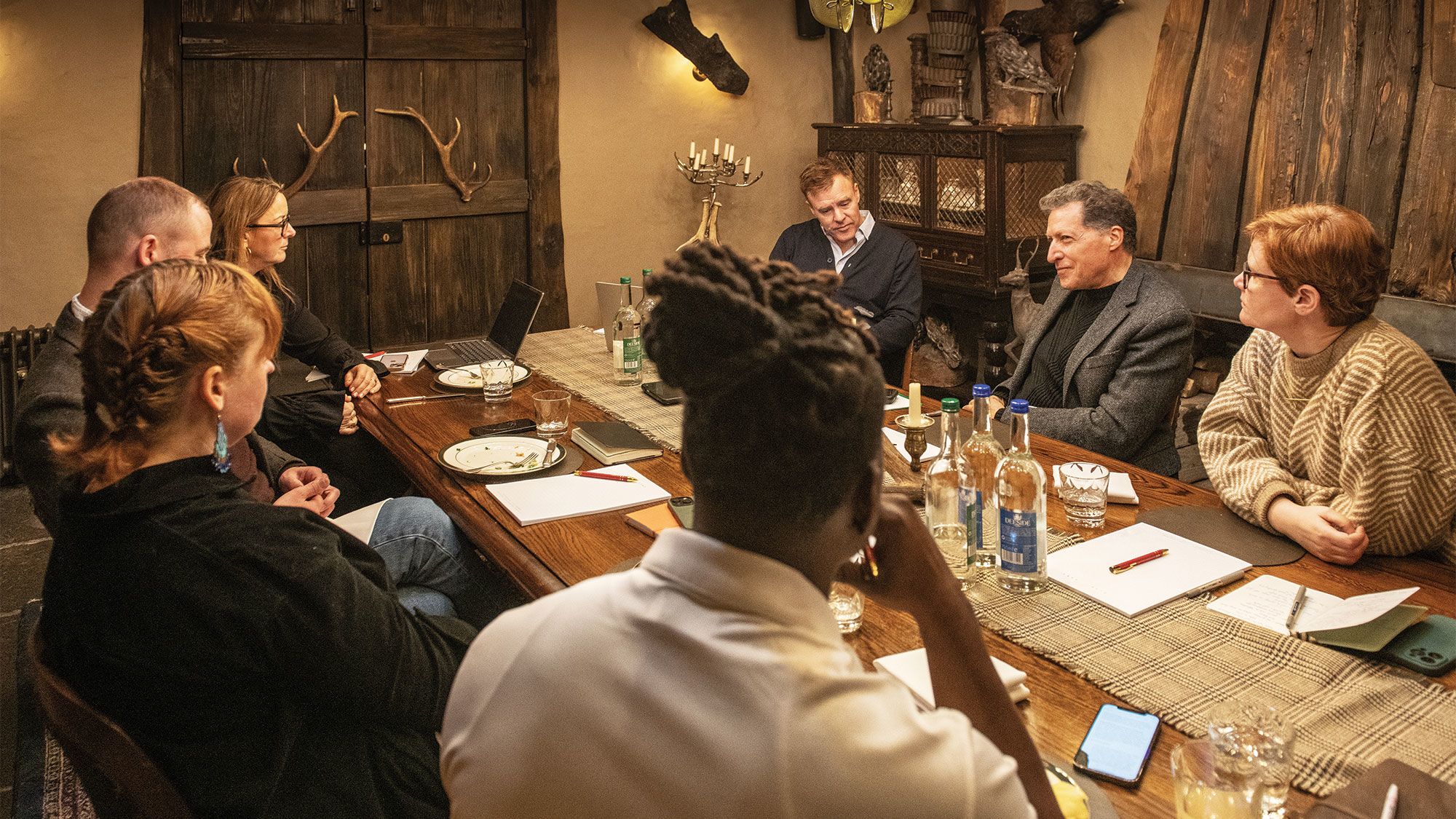
Consumer travel editors from major U.S. and U.K. publications gathered at Fife Arms in Braemar, Scotland, to talk travel trends. (Photos by Steve Rennie)
Consumer travel editors from major U.S. and U.K. publications gathered at Fife Arms in Braemar, Scotland, to talk travel trends. (Photos by Steve Rennie)
Last week in Part 1 of the 19th edition of the Travel Weekly Consumer Editors Roundtable, top journalists from the U.S. and U.K. examined trends from the rise of “thrillionaires” to the evolving definition of “all-inclusive.” As the March 7 conversation continued, the group explored, among other topics, the impact of AI on travel planning, the differences between wealthy Americans and wealthy Brits, influencers, packaged holidays and unused vacation days.
The editors were hosted by the 46-room Fife Arms, a two-Michelin-key property that’s filled with art and collectibles curated by Swiss art gallery owners Manuela and Iwan Wirth.
Arnie Weissmann, editor in chief, Travel Weekly: We were talking about how politics influences certain aspects of travel, and I wonder if one of them is the feeling that “I just want to get away from news I find depressing.”
Leroy Adams, editorial and media director, Culture Travels: It relates to the uptick in wellness travel. There’s just so much going on in the world. There’s a lot of intentionality about finding wellness spaces to just escape from the world, get off the grid, take care of the mind and body. Folks are just tired and exhausted and searching for, “Where can I go and just take a step away and just sort of collect myself?”
Jesse Ashlock, deputy global editorial director and U.S. head of editorial content, Conde Nast Traveler: It’s why wellness travel has surged so much, but I don’t think it has to be wellness travel per se. Slow travel can be this, too, and it’s not about unplugging or escaping. It’s about renewing. It’s about finding what matters so that you can deal with the onslaught. And the onslaught is not just the political stuff but also the constant assault on our attention, the constant demands being placed on us every minute of the day, and the way that it’s being monetized. Travel offers an opportunity to step out of that system and kind of just remember what it’s like to be human. I think that’s really important.
Adams: I agree, and also I do think there’s a bit of escapism in there. I think it boils down to the individual and their identity.
Ashlock: I guess I feel like escape is often treated as a pejorative in this sense, like it’s not OK for me to escape. But actually it is OK for me to escape because it’ll make me better when I get back.
I’ve been reading a lot of books about the ravages that the attention economy is inflicting on our psyches. We not only can give our readers expert advice that’s outside of the social media bubble but also help them figure out ways that travel can help them escape that bubble and focus in on the things that really matter. On just feeling and being the experiences that make them whole. And I think that’s part of our mission in 2025.
Mark Ellwood, editor at large, the Robb Report: You know, it’s OK for a vacation to just be a vacation.
Ashlock: But sometimes vacations can be really demanding.
Weissmann: Let’s stay on wellness for another few minutes. What trends are you seeing?
Ellwood: I was at [the wellness resort] SHA Mexico and called [luxury travel advisor] Jack Ezon about something, and he said, “Oh, all my clients go there for the stem cells.” Because in Mexico you can have a face-lift without a knife by having stem cells injected. And I’m working on a story about this, and the more you talk to travel specialists about it, the more they’re like, sure, they’ll go and have a personal training session and an ozone thing, but then they’re like, “When do I get my stem cells?”
Julia Cosgrove, editor in chief, Afar: Where are these stem cells coming from?
Ellwood: The medical director at SHA is uncomfortable using umbilical cord-derived stem cells. He uses tooth pulp; if children’s teeth are removed completely naturally, the pulp around the tooth can be cultivated into stem cells, so they hit fewer ethical conundrums.
I had another travel specialist say to me that a lot of wealthy travelers who are doing this — and they are almost all female — like the embryonic ones better. So, there is now a double tier around longevity, where some clients won’t go for what they consider to be lower-grade stem cells. They want the baby ones.
Ashlock: This is somewhat related, but there’s also the trend of stealth wealth. Everything that is happening in the world is going to lead to even more volatility and inequality, and I think there’s going to be pressure on people whose spend is not affected by these market pressures and economic shifts to not be too conspicuous.
Cosgrove: Do you think of that as anti-conspicuous consumption, or is it one-upsmanship?
Ashlock: I think it’s both, but honestly I think it’s just way chic-er to fly under the radar and have your private jet and your villa and talk about it with people who are in the club. I think it has already been the case in other parts of the world, and it’s happening more in the U.S.
Ellwood: Increasingly, if you’re a wealthy Palm Beacher, you have a private Instagram with 500 followers who are like, “Oh, I stayed at that same villa. That’s amazing. Did you have the same chef?”
‘Do Americans take all of their holiday?’
Claire Irvin, travel editor, The Times/Sunday Times

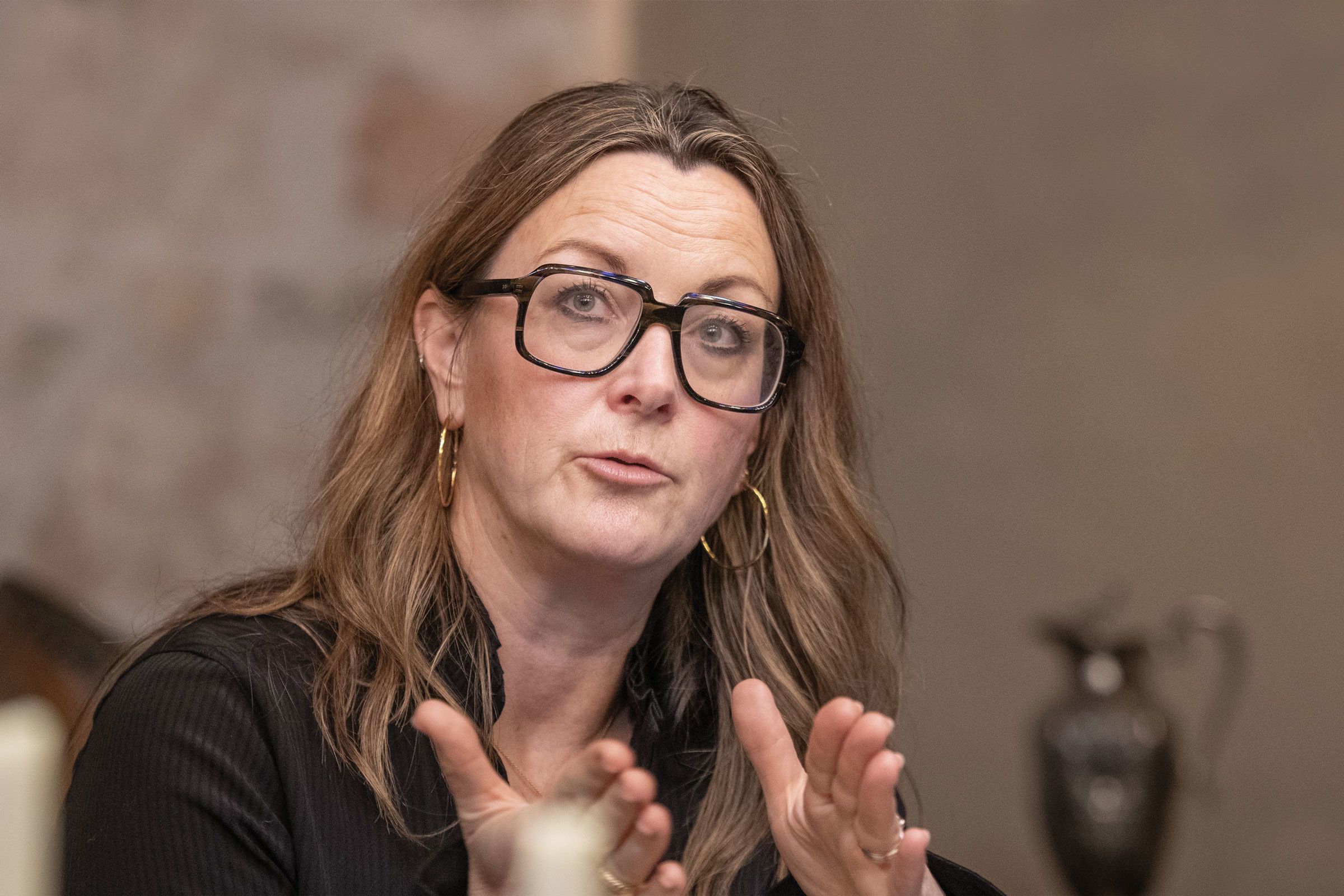
‘There’s a healthy fear of “I don’t want my career derailed because I’m taking time off.”’
Leroy Adams, editorial and media director, Culture Travels

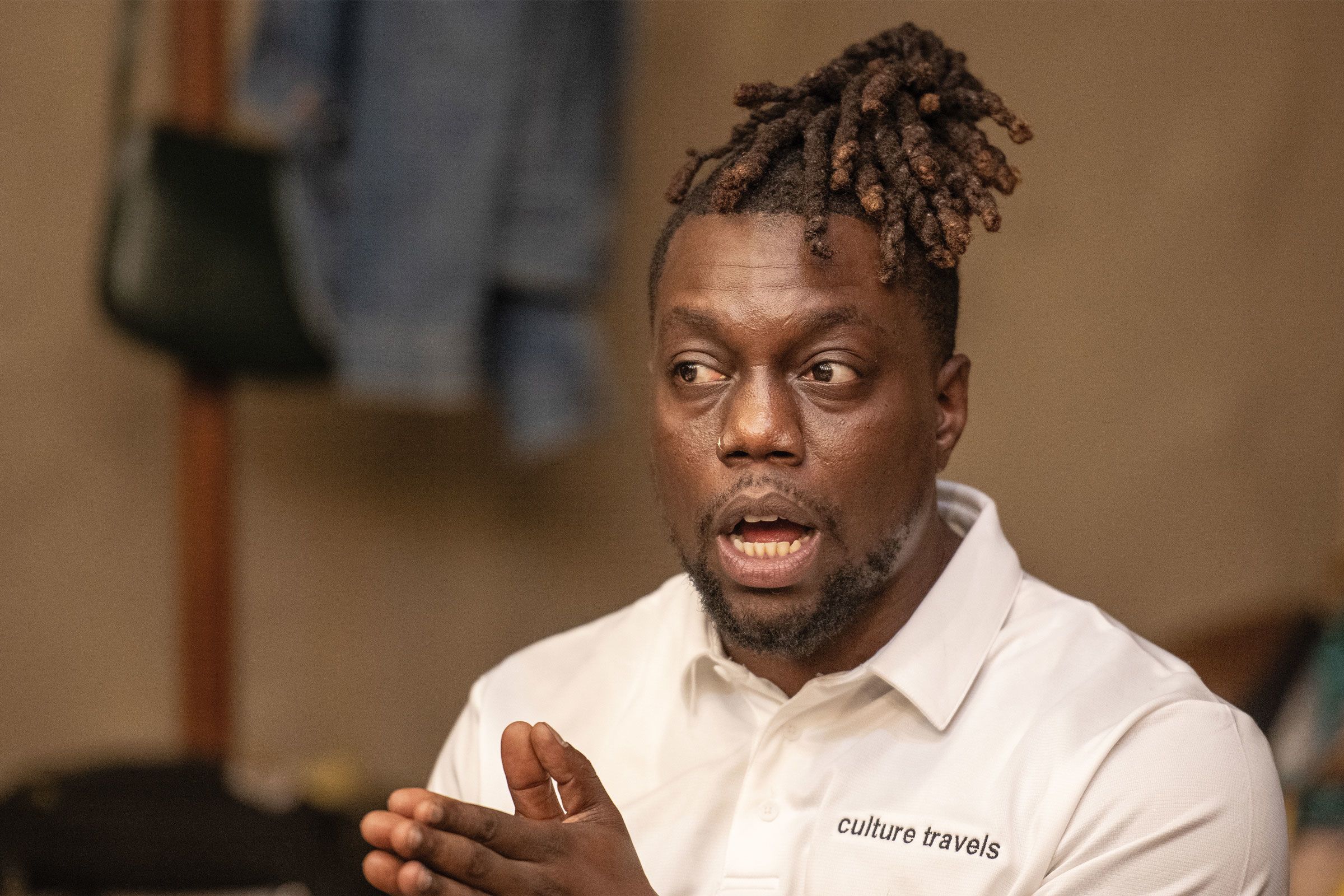
‘Is that behavior absent in the U.K.?’
Arnie Weissmann, editor in chief, Travel Weekly

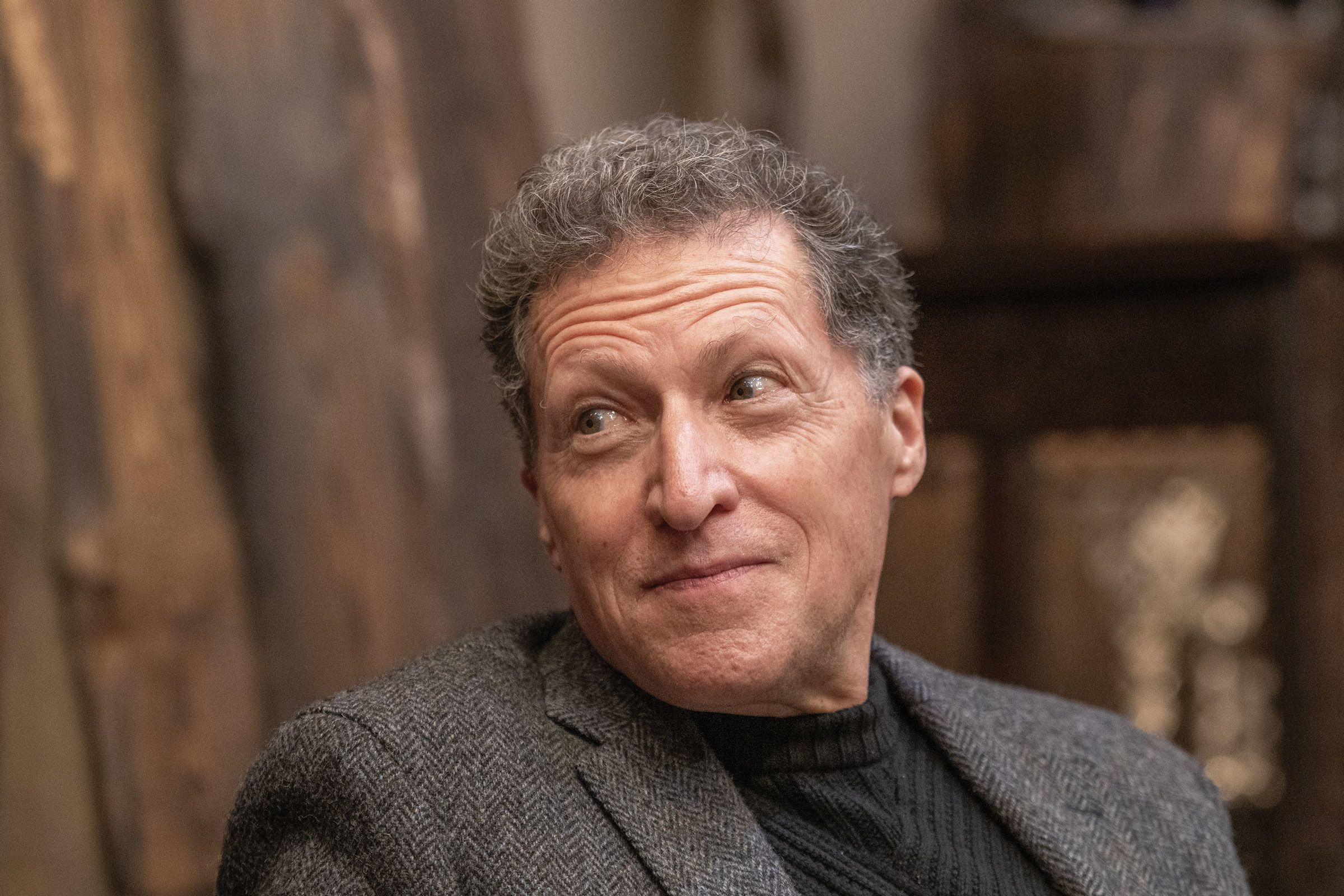
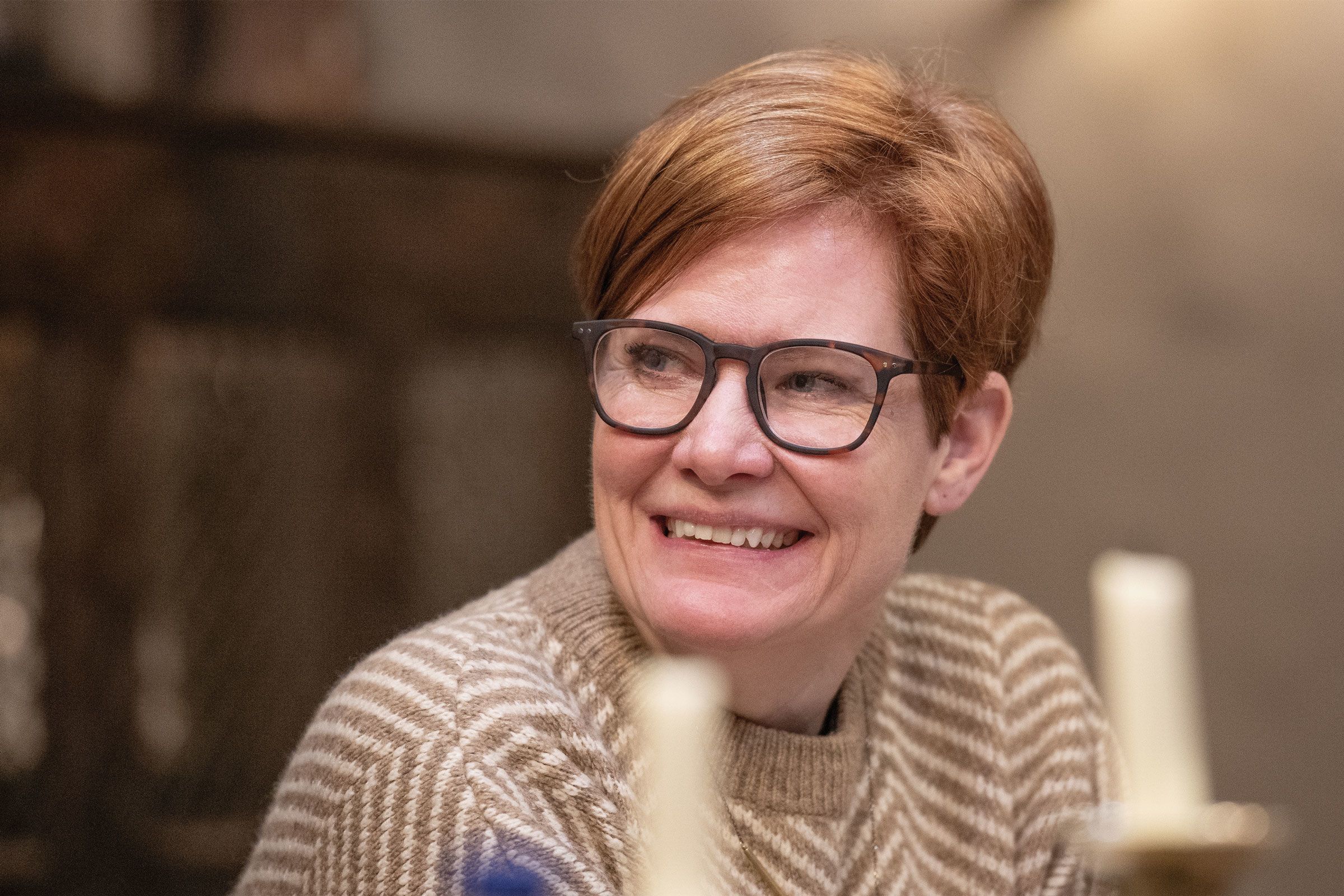
‘We get reminders, “Have you taken your holiday?”’
Amanda Canning, deputy editor, National Geographic Traveller/U.K.

Weissmann: One big difference between the U.K. and U.S. is the amount of time off that workers get. Not only the sum total of days but the days that are actually used.
Claire Irvin, travel editor, The Times/Sunday Times: Do Americans take all of their holiday?
Weissmann: No.
Irvin: Why not?
(Overlapping responses: “Work pressure.” “Protestant work ethic.” “Only 10 days starting vacation.”)
Adams: You’re starting out in your career, and there’s perhaps a healthy fear of, “I don’t want my career to be derailed because I’m taking time off.” “My boss might be looking for me.” “Am I keeping up with my emails?” There’s a real concern about career trajectory.
Ashlock: There’s been a total disruption of work-life balance. Work bleeds into people’s personal lives. And another thing about this mentality is that it severely impedes our ability to take long trips, and which, of course, makes it harder to travel in a slow, responsible, conscious way.
Weissmann: I know of one large company in Germany that, when workers take a vacation, their email is shut down and a message goes out saying the email will not be read until they return.
Ellwood: But when I send someone an email in Denmark, as I did last summer, in late July, and the response is, “I will next get to look at this email on the 15th of September”…
Cosgrove: What a beautiful thing!
Ellwood: …I thought that was a little absurd, because he worked for a major multinational corporation, and he wasn’t on a special sabbatical. It was just summer.
Cosgrove: But perhaps, if you looked at his happiness?
Ellwood: I can’t think of anything worse — six weeks of doing nothing.
Ashlock: He was asserting his right to be a happy human.
Weissmann: Claire and Amanda, you both expressed shock that people wouldn’t take their paid time off. Is that behavior simply absent in U.K. culture?
Irvin: No, I think, probably lots of people in mid-senior management level don’t, because otherwise they don’t get the job done.
Ellwood: It’s less worrisome that a British person who gets four weeks off takes only three and a half than if you have 10 days and you take only five.
Irvin: But by the way, I make sure that my team takes every single day of their holiday.
Amanda Canning, deputy editor, National Geographic Traveller/U.K.: We get reminders at work throughout the year: “Have you taken your holiday?”
Adams: That piece is missing in American culture. There is no encouragement from your boss to take your time off.
Irvin: Which I think is a failure.
Weissmann: I’m curious about the state of travel advisors in the U.K. I know retail travel sales in the U.K. used to be very vertically integrated, with one company owning or managing the agency, flights, motorcoaches and hotels. Are most travel advisors still working in shops using that model or has there been a rise in home-based travel advisors, as there has been in the U.S.?
Irvin: Both, actually, though it’s not really a career that a lot of people would think about. It seems to be more about a midlife decision that you want to work part time or have more flexibility around the kids.
Ashlock: We’ve been bolstering our travel advisor and travel specialist network in the U.K. as part of the growth of the U.K. edition of Conde Nast Traveller. From hearsay from my colleagues, by and large people seem to have a relationship with the travel shop, not an individual relationship with an advisor.
Ellwood: As someone who straddles both cultures, package holidays are a really automatic thing to do in Britain. When I do TV in the U.S., people are often flabbergasted that you can buy the hotel and the flight together. In Britain, that’s the default mode.
I was talking with a GM about the differences between wealthy Brits and wealthy Americans. He said, “Let me tell you who I prefer. Wealthy Americans and wealthy British people are picky and difficult. Wealthy Americans often book with a travel specialist, and the booking will come with pages and pages of requirements. Pages. And there’ll be minutiae like, ‘lavender bath oil,’ or whatever. But if you deliver on those requirements, it’s exactly what the guest wants. And while in residence, they’ll be happy as a clam. They’ll be a dream. They’ll tip well.
“The British person will arrive. Nothing will be prepared. They will offer some slightly awkward feedback to some things, and then when they leave, send a very long email saying, I wish you’d done x, y, z.”
Even if they’re working with a travel specialist, the British high-net-worth traveler is less forthright in their demands, whereas the American high-net-worth traveler will say to their travel agent, “I want the following things, please.” The travel specialist will act as the intermediary, and it’s a win-win for everybody.
Weissmann: So, I’m guessing that AI’s potential role in travel planning won’t replace that.
Ellwood: AI can’t call in a favor and say, “I know you’re fully booked, but I have a really important client, can you find them a room?”
AI can’t have relationships, because it’s not a real person. The idea that the high-end travel specialist can be replaced by AI is just bunk.
Cosgrove: It’s the incredible curation that they’re able to provide knowing their client’s whims and wishes and the things they’ve enjoyed doing in the past.
Ashlock: Travel advisors also offer protection and security. When something goes terribly wrong, they will bail you out.
Ellwood: They’re your parents.
Cosgrove: They’re on, 24/7.
Ellwood: A travel specialist knows when someone says what they want but actually means the opposite.
Ashlock: And AI doesn’t.
Adams: One of my assumptions was that the rise of social media travel-content creators would be a threat to travel advisors, but it didn’t happen. I think consumers engage with content from influencers just for inspiration and entertainment purposes. And I don’t think there’s as much trust in these individuals as a resource. To your earlier point, Claire, there’s a bit of, “I know that this place paid you to say this. While your content looks great and it’s entertaining, I don’t know if you’re actually helping me plan and curate what an experience for me will look like.”
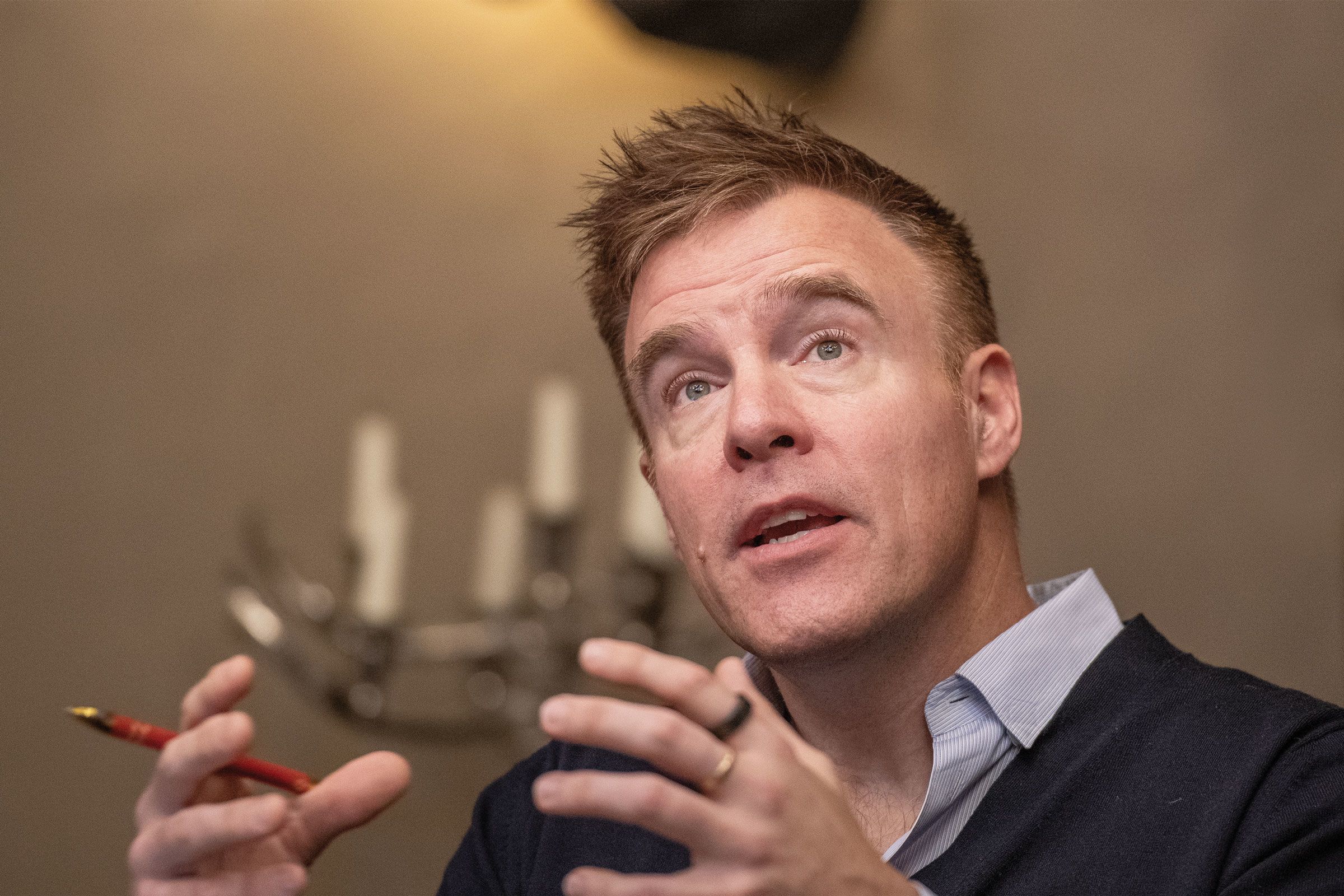
‘American journalism is a little pompous. I think Britain’s is better.’
Mark Ellwood, editor at large, the Robb Report

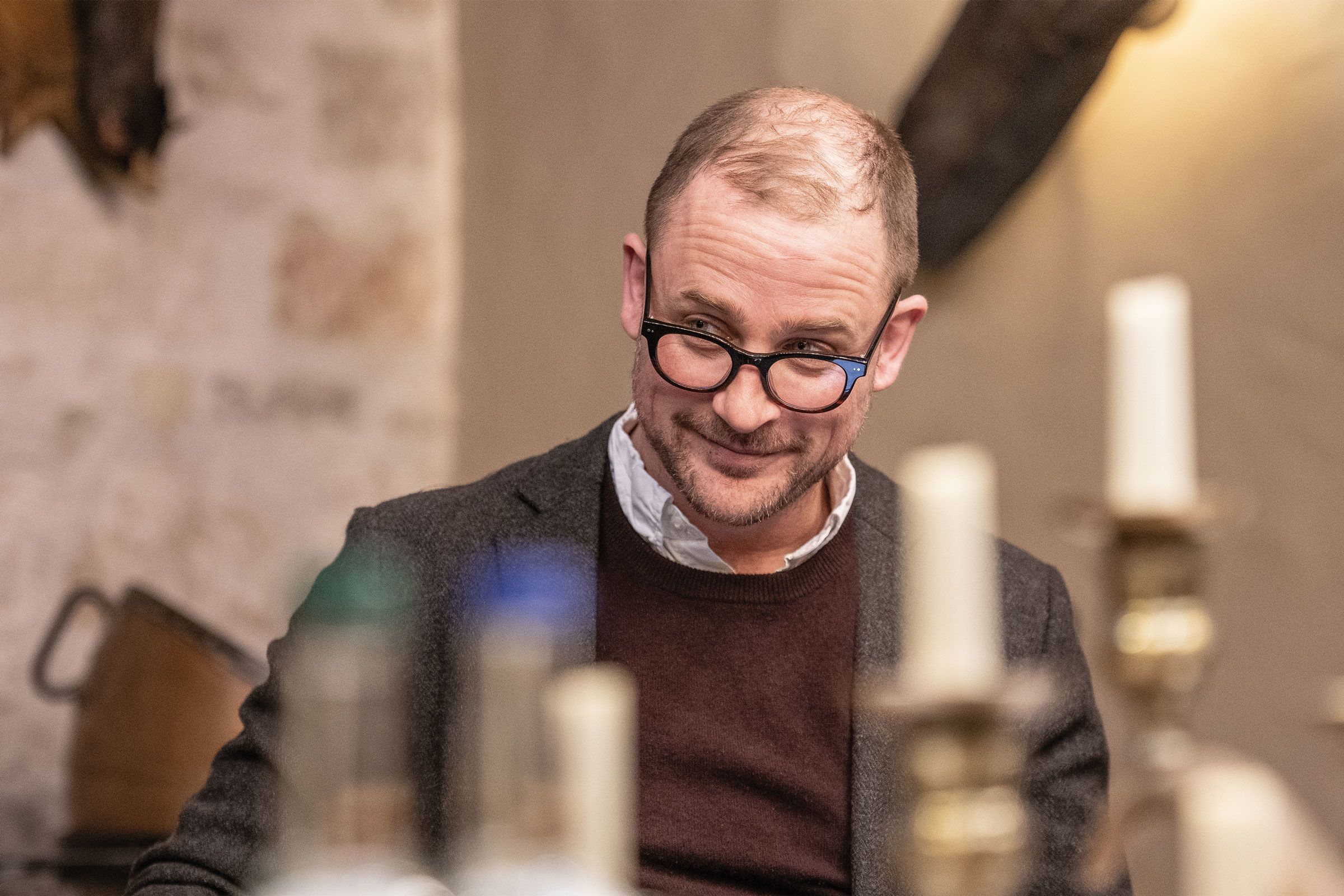
‘I think there’s a tradition of outstanding service journalism in America, for the record.’
Jesse Ashlock, deputy global editorial director and U.S. head of editorial content, CondE Nast Traveler

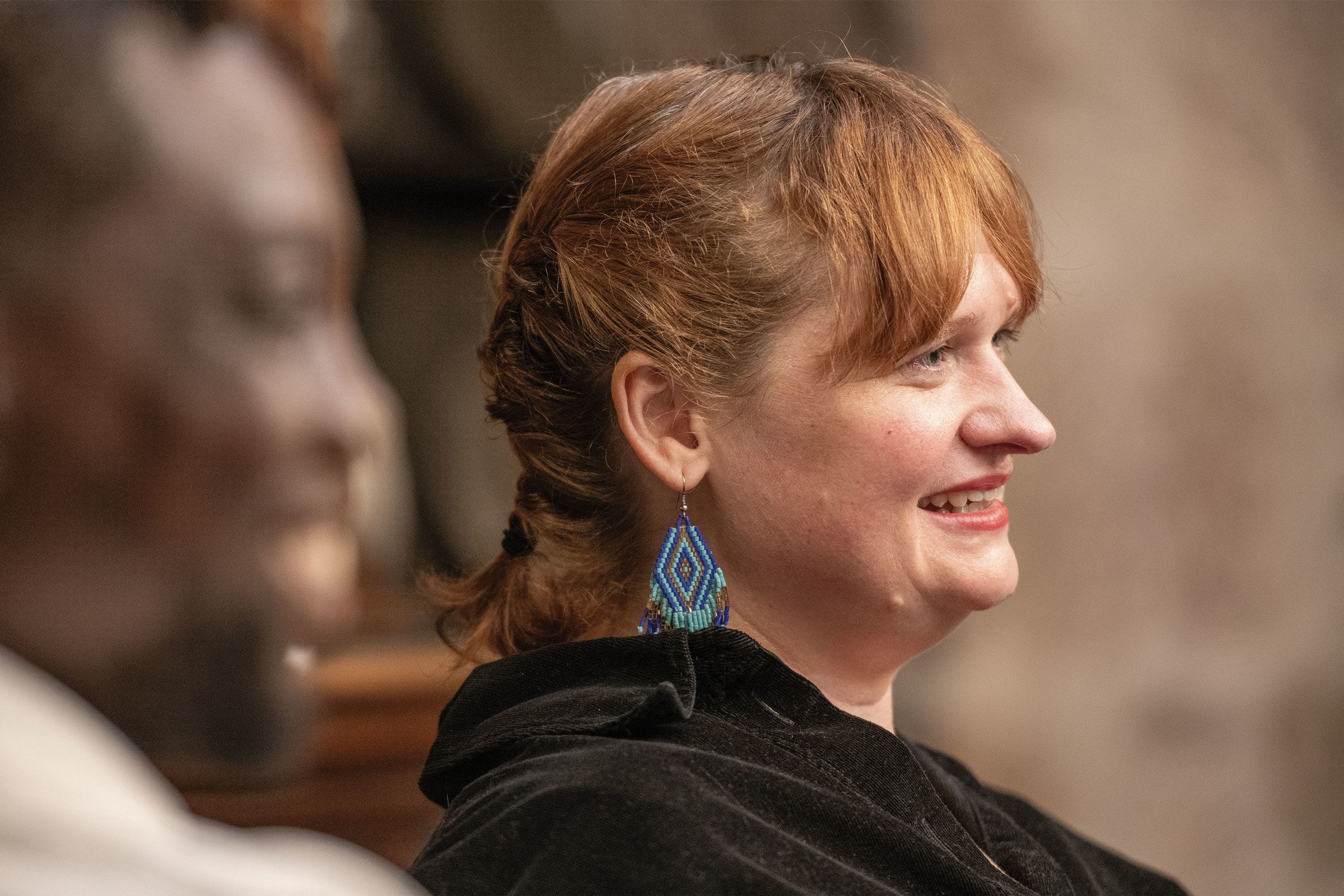
‘Are you guys fighting?’
Julia Cosgrove, editor in chief, Afar

Weissmann: When you all travel, do you like to be surprised or do you like to do a lot of research?
Ellwood: Oh, I plan like a banshee. I mean, I love it. It brings me joy. I could just plan all day.
Irvin: It depends. If I’m traveling with my husband and kids, I don’t like to be surprised, but personally, I’m a very excitable solo traveler.
My husband’s a really irritating traveler. He loves art, he loves Scotland, he loves that really authentic feeling. So, Fife Arms should be right up there. But he doesn’t like clutter. There are 16,000 artifacts here, and I’m trying to work out whether that’s a good thing, or there are 15,999 more than he would like. And that’s exactly the kind of research I’m constantly doing. Is it going to be too much? Is it not going to be enough?
Weissmann: Do any of you see any fundamental differences between British travel journalism and American travel journalism?
Ellwood: As someone who straddles this a little bit, I think the U.K. is more pragmatic about journalism, and journalism in America is treated in a hallowed way that I think is a little pompous. In Britain, journalism is an exciting, dynamic job; in America, it is quite a rarefied job, or traditionally was. So, I think that Britain is more comfortable with service journalism being a good form of journalism, and America is more conflicted around service journalism. One of the reasons I think Americans might turn to the Times or the Telegraph online is that it will be news you can use that’s well written, whereas in America, great journalists don’t like succumbing to the pressures of writing useful features. They want to write doodles and musings on wherever they last spent time.
Cosgrove: I would say that’s not true anymore.
Ellwood: Maybe. But traditionally, because journalism was worshiped with slightly less reverence, the British have a more pragmatic approach.
Ashlock: I think there’s a tradition of outstanding service journalism in America, for the record.
Ellwood: I think Britain’s is better. I would argue that in America, you are not allowed to make mistakes. In Britain, you are allowed to make good-faith mistakes. There are two kinds of errors; there are lazy errors, and then there are good faith errors. And I think a good-faith error and then a correction at the bottom of a story is absolutely legitimate. It’s news, and it moves fast. And I think America is much less comfortable with admitting that mistakes might happen.
I think American journalism is a little less comfortable acknowledging fallibility. I think that’s a very hard point.
Ashlock: I think we’re talking about a different kind of journalism than the kind of journalism we do.
Ellwood: I don’t.
Cosgrove: Are you guys fighting?
Ellwood: We’ll never come to an agreement. I just look at that in a different way.