U.S. Travel Association CEO Geoff Freeman led a meeting of travel executives at the White House this month to urge President Trump to help the industry meet a goal of welcoming 100 million international visitors by 2030. The push comes during a year in which inbound travel is not expected to grow much and after a 5.5% drop in visitors in 2025. Editor in chief Johanna Jainchill asked Freeman about the Oval Office meeting, the Lake America name change and seizing on World Cup success.
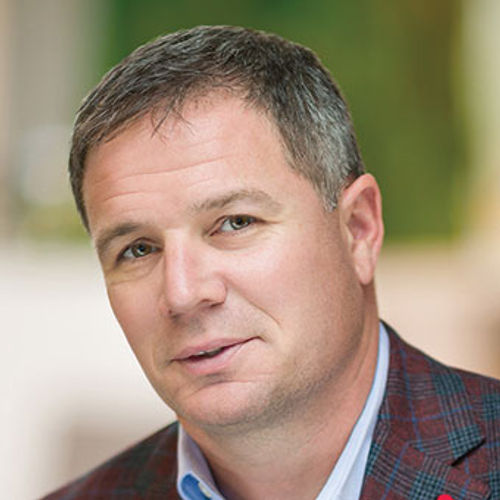
Geoff Freeman
Q: During the White House press conference, the CEOs didn't make any suggestions on getting inbound tourism to 100 million. Was there dialogue about that off-camera?
A: Following the press conference, we spent more than an hour with the president on the South Lawn. This offered a unique opportunity, away from the cameras, to have substantive conversations. We appreciate the president's interest in learning more about what's happening on the ground -- and in the air -- and we are eager to work together to make the U.S. the world's most visited destination. We believe many in the administration share our goal, and the president spoke specifically about making it easier for legal travelers to visit in his Truth Social post following our meeting.
Q: The Lake Ontario name change adds another grievance Canadians now have with the U.S., just as their visitor numbers were edging up. What is your message to the administration on this topic?
A: Canada is our largest international travel market and one of our most important economic partners. Our industry is paying a heavy price while we experience a 25% decline in Canadian visitation. The sooner trade disputes can be resolved, the sooner we can strengthen our travel economy.
Q: Earlier this summer, you penned an article asking whether the World Cup would be a springboard to America's travel rebound or a moment we reminisce about in the future. How can the U.S. make it the former?
A: The World Cup gave the world a chance to experience the best of America, and Americans proved that welcome is one of our greatest competitive advantages. Now, our policies need to match that spirit. We should build on what's working: Expanding the FIFA Pass concept for more events, speeding up visa processing and modernizing the arrival experience while eliminating barriers like lengthy visa wait times, higher visa fees, expanded social media screening and reduced investment in Brand USA. Those policies send the wrong message. The World Cup created something you can't buy: goodwill. But goodwill has a shelf life. We have a small window to turn this moment into a decade of travel growth.
When people come to America, they leave talking about Americans, not policies or politicians. They remember the server who insisted they try ranch dressing, who explained free refills, the local who pointed them to a hidden gem, the volunteer who made them feel at home. Headlines shape expectations, but personal experiences are shaping opinions.
Q: Why should travel advisors, who mostly sell travel abroad, be invested in bringing back inbound visitation?
A: Travel is a two-way street. The way we welcome visitors shapes how the world sees us and, ultimately, how Americans are welcomed abroad. That matters for anyone who sells travel. Inbound and outbound travel run on the same infrastructure. Routes, capacity and the connection between the U.S. and other countries are built on demand in both directions. We can't have a hollow airplane one way and keep the other side affordable. When visitors leave here with a great experience, it not only helps counter the negative perceptions, it strengthens the trust and connection for Americans and international travelers alike.
________________________
This interview was edited for length and clarity.