Like many of you, I've been inundated by Covid-19 coverage. Last week, I watched "Fareed Zakaria GPS" for some perspective, and got it in spades.
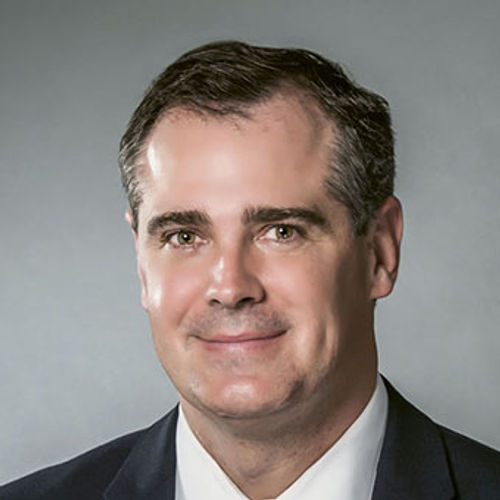
Zane Kerby
On the show, two doctors debated government shelter-in-place orders. These two seasoned physicians with prestigious Ivy League pedigrees and long careers in public health began their conversation civilly, but it quickly devolved into accusations of hating grandparents and prioritizing 401(k) balances over public health. Those who point out economic realities are condemned as insensitive to the vulnerable. Those solely focused on slowing the spread of the virus at any cost as hard-headed and impractical. Like many, I fall into both camps, sheltering as much as possible and worried about the ability to provide for my family.
I work in the travel industry and see the world through that lens. The members of ASTA, the nation's trusted travel advisors, have been working around the clock, getting clients home from far-flung places, rebooking postponed dream holidays and assisting in the cancellation of corporate meetings and events.
If travelers were wise enough to use an advisor to plan their trip, I can assure you that behind the scenes those travel advisors were feeling the stress of getting their clients home, maybe more than the clients themselves. Our travel advisors spent hours on hold, navigating the labyrinth of changing airline, hotel and cruise line policies and schedules. All the while, months of commissions or service fees they rely on for income have evaporated, almost overnight. They are essentially working for free, with no end in sight.
A better way?
With every fiber of my being, I believe the travel industry's long-term prospects are good. It is endemic to the human spirit to go and see and to interact face to face. Regardless of how long this crisis lasts, Americans are unlikely to give up the life- and relationship-enriching experiences that travel provides.
But one thing the coronavirus has made clear is that -- at least for the short term -- the illnesses that people carry inside of them are as, or perhaps more, dangerous than things they might carry with them. Once the immediate crisis passes, our government will have to account for that in order to restore confidence in the travel experience. Travel changed permanently after 9/11. Security ramped up, and we got used to longer lines. Over time, technology got better, and wait times went down.
It seems to me inevitable that virus testing -- at least until a vaccine or cure is found -- will be compulsory for air and cruise travel. How else will governments, whose ultimate mission is public health and safety, know that a traveler won't unintentionally spread a virus in their destination or their home city or country? How else will you and I feel confident traveling in close proximity to others? Knowing that the people we're traveling with are not infected is the antidote to the fear we feel of not knowing whether someone near us may be infected.
I was heartened to hear that a new coronavirus test gives results in 15 minutes. I've stood in lines much longer than that at the airport. If that's the price I and others will have to pay to do what we love, to travel for leisure or business, an activity that sustains 1 in 10 jobs in the U.S., I'll happily do so again. As with post-9/11 security, the testing technology will get better and perhaps someday be fast and painless. Testing should only be temporary until a vaccine or cure is developed.
It seems to me that what's good for the travel industry is what's good for the country: widespread and consistent coronavirus testing (at least until a vaccine or cure is found).
A few days ago, at a White House briefing, Dr. Anthony Fauci told us that widespread coronavirus testing was not necessary and that the virus' spread would dictate the timetable for relaxing the dramatic shelter-in-place directives. With all due respect to Fauci, unless we are meant to shelter in place indefinitely, his two ideas seem in conflict. We need to know exactly who has the virus, so that they can be isolated and treated by medical professionals, and the rest can get back to living. Indefinitely treating all 335 million Americans as though they might have the virus is impractical and unsustainable.
We call on the administration, Congress and the private sector to band together and start planning for a post-Covid world. Doing so -- now -- will help instill consumer confidence and get America's economy, and its intrepid travelers, moving again.
Zane Kerby is the president and CEO of ASTA.