Social media is widely considered imperative to a travel agency's success. In 2011, only 39% of agents in our survey said they used social media for marketing, a number that has steadily risen to 70% this year. Facebook remains the dominant social media platform for agencies, with 95% usage, while Instagram is a distant but growing second place.
Contributing editor Tovin Lapan spoke separately with home-based independent contractor Brianna Glenn, founder of Milk and Honey Travels, and Asmita Singh, vice president of marketing and demand analytics for Travel Leaders Group, and asked them the same series of questions about their respective social media strategies. The responses show the difference in tactics used by an agent doing it on her own versus an agency with a dedicated social media team.
Q: How do you see social media working for your company and its role in growth?
Singh: The travel industry has been completely revolutionized by social media platforms like Instagram, Facebook, Twitter, etc. Because of this, social media is one of the primary contributors to our overall multichannel acquisition strategy at Tzell. Social media has driven increased traffic to our website by 20%, and Tzell enjoys 15% more traffic than the industry average.
Glenn: Social media is my main marketing and advertising tool. It's really essential for small businesses in terms of getting the word out on who you are, what you do and how you can help clients. I use an email marketing list and do some in-person events, but social media is my No. 1 way to connect to people, grow my audience and stay top of mind with the people already there.
Q: What types of content works best?
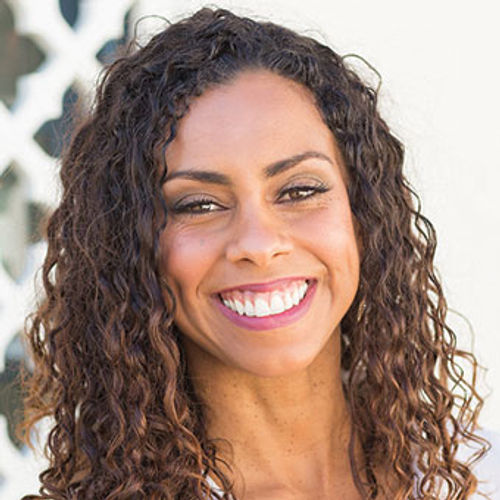
Brianna Glenn
Singh: Travelers are always looking for unique experiences. We have analyzed that our agents' posts, which include their authentic travel stories, by far work the best. Other posts that do well are destinations content, live videos and stories.
Glenn: The main thing I try to get [travel agents] to understand is that they should be on their own social media. People want to do business with other people, and it helps if they connect to your passion and style. Social media should be an infusion of who you are and what you do. Otherwise, you aren't differentiating as much from larger online travel agencies.
Q: Do you carefully plan social media posts or try to respond to daily trends?
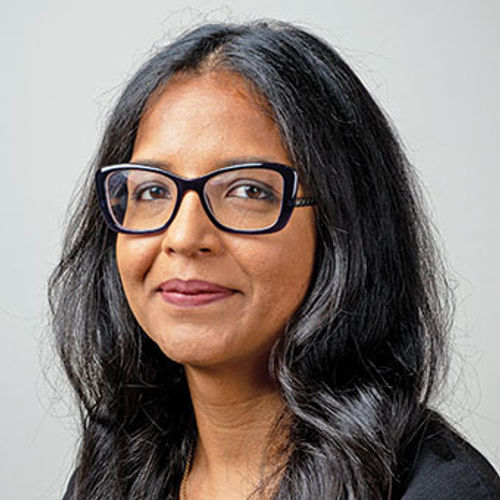
Asmita Singh
Glenn: I'm a planner, and I typically chart out my social media posts for the week on Sunday. When I'm traveling, it's a little more spontaneous. Posting in the evenings or during the midday slumps works well for me, but weekends aren't as good. I find if you don't plan ahead, it is harder to find the time and stay consistent with social media. I'm not necessarily doing fun, exciting things every day, so if you are waiting for inspiration to hit, it probably won't.
I average two posts a day to Facebook and one a day on Instagram. I use Instagram stories for more off-the-cuff-type things and behind-the-scenes posts. It isn't as polished, but it gives people more of a sense that they know who you are. Consistency is key.
Singh: We post approximately 20 to 25 times per week, per channel. We have a monthly content calendar, created ahead of each month, with posting categories and cadence. Eighty percent of our content is based on this predefined monthly content calendar, and 20% is for current events, daily, breaking news, updates etc. For example, if we are getting a winter storm, we will post relevant content to reach our clients and travel agents in case of emergency.
Q: Based on your size, how do you structure your social media strategy?
Singh: Based on our size and reach, we do use multiple technologies and platforms to broaden our reach and audience. This gives a higher reach and more targeted demographic. For posting on multiple platforms, we use Hootsuite Enterprise, which helps us manage content across platforms. We also have an in-house agent social tool, where our agents can pick content and post content on their channels.
Glenn: I have considered hiring someone just to work on social media because as a one-woman operation, I [can only] focus on a few platforms because I don't have the time for more. I would do more with Pinterest and with YouTube if I had the time. Twitter isn't as advantageous from a business perspective for what I do, because it's too fast-moving and too micro.
Q: To which platforms do you dedicate the most resources?
Glenn: I dedicate most of my social media time to Facebook and Instagram. Instagram lends itself to travel in general because it is visual, and there's a high level of engagement. With Facebook, everyone is there, and it is an essential marketing and targeting tool. They know more about me and my likes than I do myself.
Singh: Facebook and Instagram, these two channels get 25% to 30% more engagement than any other social channels. Facebook ranks just behind our search channel in driving quality leads. Yes, we use social media for demand generation, which allows us to tie and measure results from social media all the way to closed bookings.