 The 398 national parks in the U.S. welcomed 282.2 million visitors in 2012, up 3% over 2011, pumped more than $33 billion into the national economy and supported more than 255,000 jobs, according to Secretary of the Interior Ken Salazar.
However, mandatory federal budget cuts under sequestration, scheduled to begin taking effect March 1 barring congressional action, "are very real and will impact our parks, wildlife refuges and public land units severely, especially as the peak summer season nears," Salazar said.
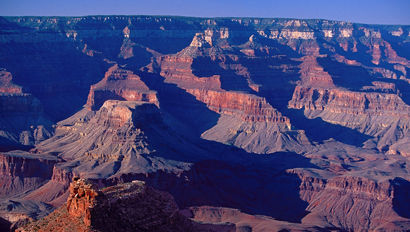
"Places like the Grand Canyon or the Statue of Liberty inspire us with their beauty and history and also serve as anchors for our nation's economy. People who visit parks need transportation, places to stay and meals to eat, all of which support businesses and provide jobs in local communities," he said.
Budget cuts will result in reduced hours of operation, shortened seasons and closures of some campgrounds, hiking trails and other recreational areas where there is insufficient staff to protect visitors, staff and resources.
National Park Service Director Jon Jarvis described the 5% across-the-board cuts as "draconian" and would "furlough thousands of workers, freeze the hiring of seasonal workers, completely close 128 wildlife refuges, reduce educational programs, shut down some visitor centers and even affect programs such as fighting the invasion of the invasive thistle weed in Yosemite National Park and the pythons in the Everglades National Park -- where they will gain a new toehold as a result."
Foreign visitors, who accounted for 62 million of the 282.2 million visitors in 2012, will be impacted, as well. "Our goal since 2009 has been to drive the foreign visitations to 100 million by 2021, but these cuts will affect those numbers," Jarvis said.
Follow Gay Nagle Myers on Twitter @gnmtravelweekly.