


How crises, technological advancements and shifting consumer expectations reshaped the industry over the first quarter of the 21st century.


This year marks the end of the first quarter of the 21st century. It’s been a tumultuous 25-year period, practically bookended by a terror attack and a global pandemic, punctuated by the Great Recession and dotted with social upheavals. We tasked our editors with identifying which events of the past quarter-century had the greatest impact on the travel industry. Some selections were obvious, while others might have seemed insignificant at the time but had lasting implications. Still others resulted in an unforeseen travel trend … or unwittingly marked a trend’s demise.
What they all have in common is that they were meaningful milestones in travel’s evolution and, collectively, shaped what the industry looks like in 2025.
This report now includes all the years from 2000 to today. Do you think we missed any major moments? Email us and tell us; we may use your comment in a follow-up report.
2000


Amadeus’ acquisition of Vacation.com, which claimed to be the largest consortium at 8,400 members, marked a bet on the agency channel in the uncertain time after the internet’s rise and airlines had reduced commissions. Called a “clicks-and-mortar” marriage by an Amadeus exec, it set the foundation for a future when technology enhances, not replaces, travel agencies.
ASTA’s acquisition of Nacta, (then the National Association of Commissioned Travel Agents, later the National Association of Career Travel Agents and now the ASTA Small Business Network) was a big win for the small group of home-based travel advisors. It was assumed by many at the time that this new channel in the agency community was filled with hobbyists who were difficult to locate by suppliers. Nacta’s acquisition legitimized home-based independent contractors, a channel that, by many estimates, now makes up the majority of all travel advisors.
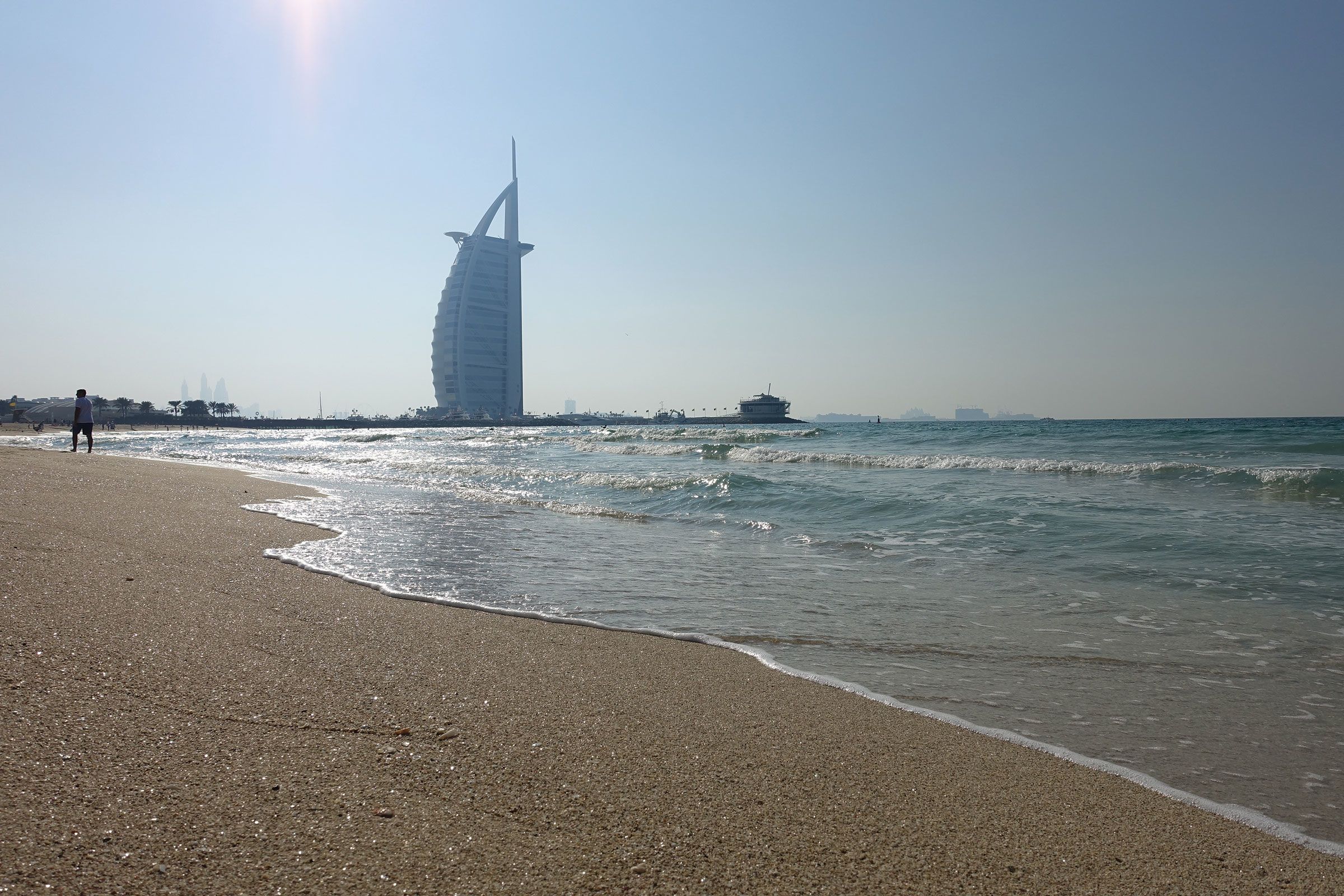
Jumeirah’s opening of the Burj Al Arab in Dubai set a new bar for ultraluxury hospitality with its self-ordained “six-star” status. With opulent suites and over-the-top amenities like Hermes toiletries and access to a Rolls-Royce Phantom, the Burj became synonymous with the city’s emergence as a global luxury hot spot and spurred a wave of ultrahigh-end property development in the Persian Gulf.
Expedia’s merchant model success — negotiating wholesale rates below published prices and reselling at a markup — transformed OTAs from commission-driven middlemen to inventory-controlling retailers.
Eating whenever you want on a cruise ship was a novel concept when Norwegian Cruise Line debuted Freestyle Cruising in 2000, which swapped out fixed dining times and introduced open seating in the main restaurants. Princess shortly thereafter introduced Personal Choice Dining, with restaurant-style seating in two main venues. Eventually every line would follow suit with a combination of open seating and specialty options. It also led the way to more relaxed dress codes.
2001
The terrorist attacks of 9/11 changed the world — and travel — with both short-term shocks and long-term shifts.
Airplanes were the weapon, and for the first time in history, U.S. airspace closed for several days, stranding hundreds of thousands of travelers. As travel companies and places dependent on tourism suffered from steep visitor declines, tourism became synonymous with patriotism: Want to help New York recover? Visit the city, see a Broadway show and go shopping.
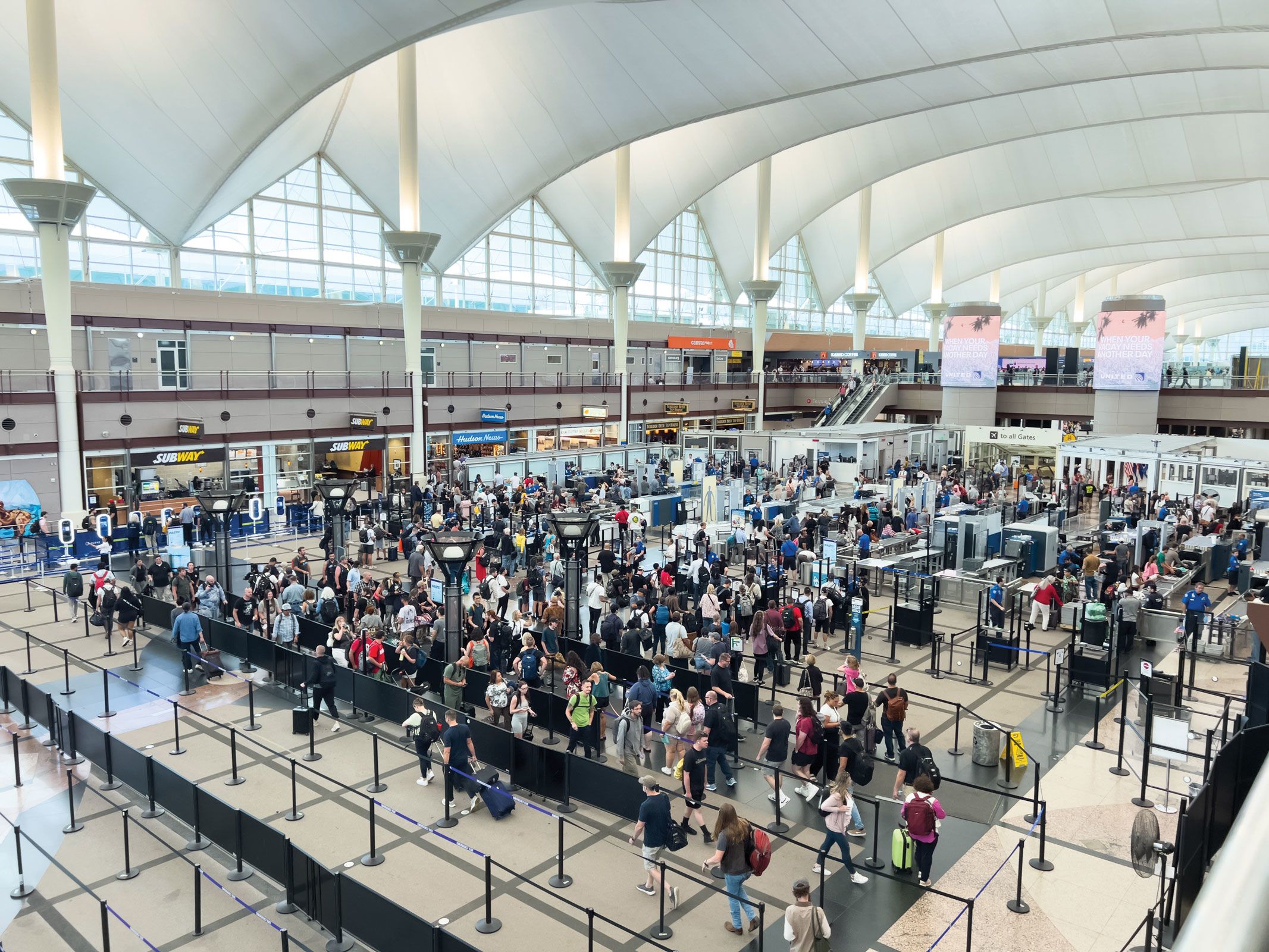
It would take the travel industry years to recover from post-9/11 losses, and its impacts live on, perhaps most acutely with the introduction of the TSA, which transformed flying. No more arriving 30 minutes before a flight — and remember when loved ones could greet you at the gate? The TSA launched the era of body scanners, shoe removal, carry-on restrictions and the idea that getting through airports can be unpleasant.
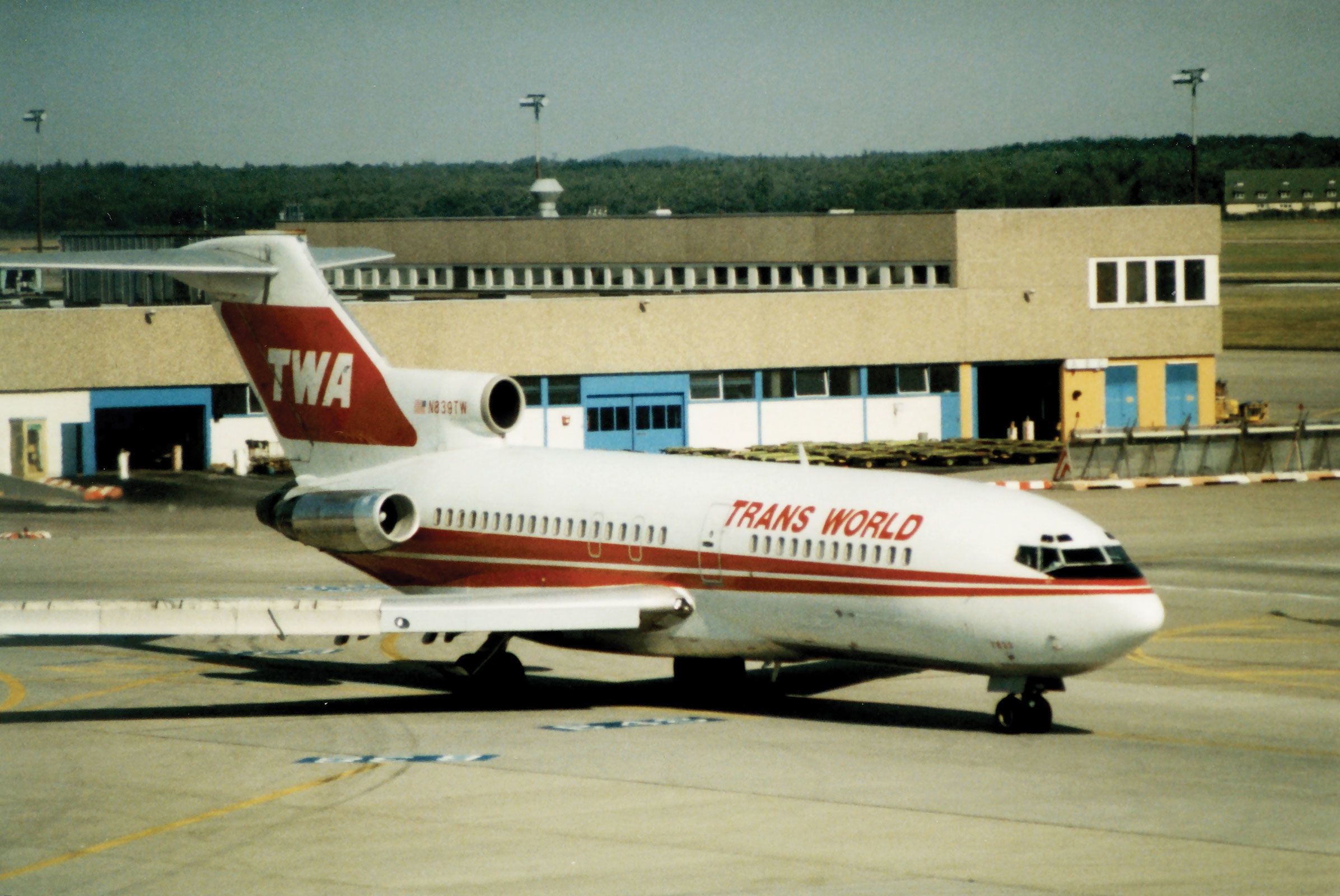
The 2001 merger of American and TWA kicked off a wave of airline mergers that would last more than a decade: Delta with Northwest, United with Continental, American with US Airways and Southwest with AirTran. The result was a sharply changed legacy airline landscape, making the carriers more stable and profitable but reducing consumer choice. When it ended, the U.S. was left with its current Big Four of American, Delta, Southwest and United, making up about 70% of the domestic marketplace.
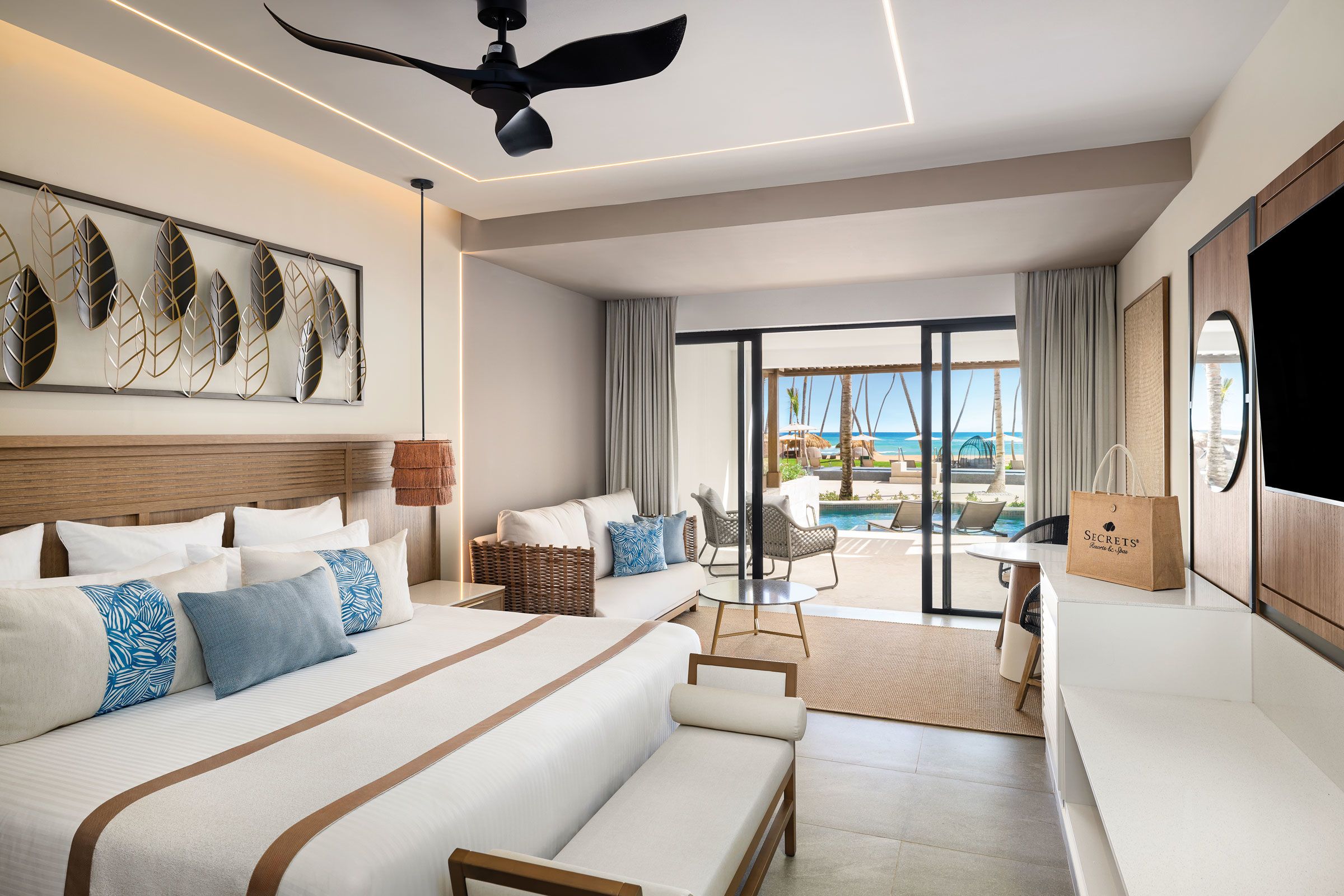
Apple Leisure Group’s launch of AMResorts didn’t invent the premium all-inclusive, but ALG was one of few players able to successfully scale the segment. Its high-end brands — Secrets, Dreams and Zoetry — focused less on sun, sand and buffets and more on fine dining, upscale rooms and spas. Hyatt’s $2.7 billion deal to buy ALG in 2021 cemented the status of the luxury all-inclusive, a space Marriott and Hilton would soon be looking to fill.
Dennis Tito paid a reported $20 million to join U.S. and Russian astronauts orbiting Earth in the International Space Station, becoming the first space tourist. His week above Earth showed people would be willing to pay hefty fees to visit space.
While preceded by Expedia, Travelocity, Priceline, Hotwire and a number of startups that fizzled in the mid- to late-1990s, airline-owned Orbitz’s launch heated up the OTA competition considerably.
2002
After years of airline commission caps and cuts starting in the mid-1990s, Delta eliminated base commissions on ticket sales altogether. Order-taking travel agencies had to either die or reinvent themselves as true advisors. It greatly accelerated the adoption of travel agent fees to bolster revenue and replace what was once paid by airlines.
Sustainable travel was still niche, associated with eco-lodges and small-scale operators, until a 2002 UN summit spotlighted tourism’s climate impact and Al Gore’s “An Inconvenient Truth” movie in 2006 made environmental concerns mainstream. Dependent on clean beaches and unspoiled scenery, tourism is both victim and villain of the world’s carbon emission problem, and it acted. By the mid-2000s, several hotel and cruise brands had rolled out energy- and water-saving programs and pledged to reduce waste. In 2018, major hospitality brands banned single-use plastics. By 2020, cruise companies and airlines were committing to going net-zero by 2050, investing in cleaner fuel and green building.
Oceania Cruises was founded in 2002 as an “upper-premium” cruise line, the first brand to offer a middle ground between premium and luxury, with a price point to match. Azamara followed in 2007 and later, Viking Ocean Cruises and Emerald.
When Rudi Schreiner stepped down as president of Viking and with his wife, Kristin Karst, and Jimmy Murphy, launched AmaWaterways with a one-ship charter, it was hard to imagine that its 30-ship fleet — now operating in Europe, Southeast Asia, Egypt and Colombia — would these days be Viking’s closest rival and help drive this quarter-century’s rise of river cruising.
Travel Weekly first mentioned resort fees in 2002, and controversy over the charges has escalated dramatically since. Properties argue the fees cover amenities: WiFi, fitness centers, pool access. Consumer advocates label them deceptive and hidden. From state attorneys general to President Biden, the charges have faced lawsuits and regulatory scrutiny, culminating in the Federal Trade Commission in 2024 issuing sweeping rules targeting junk fees — and calling out resorts in their crackdown.






2003
Carnival Corp. and Royal Caribbean Cruises, the two largest cruise companies, both wanted to scoop up No. 3, P&O Princess Cruises. The giants battled it out during 2002, but Carnival ultimately acquired Princess Cruises, P&O Cruises, P&O Cruises Australia and Aida, giving it new global reach and dominance in Alaska.
Cunard Line’s Queen Mary 2 in 2003 took shape as the first new ocean liner in 30 years, and it helped to define a new era of luxury cruising. Fittingly, the queen of England served as its godmother in January 2004.
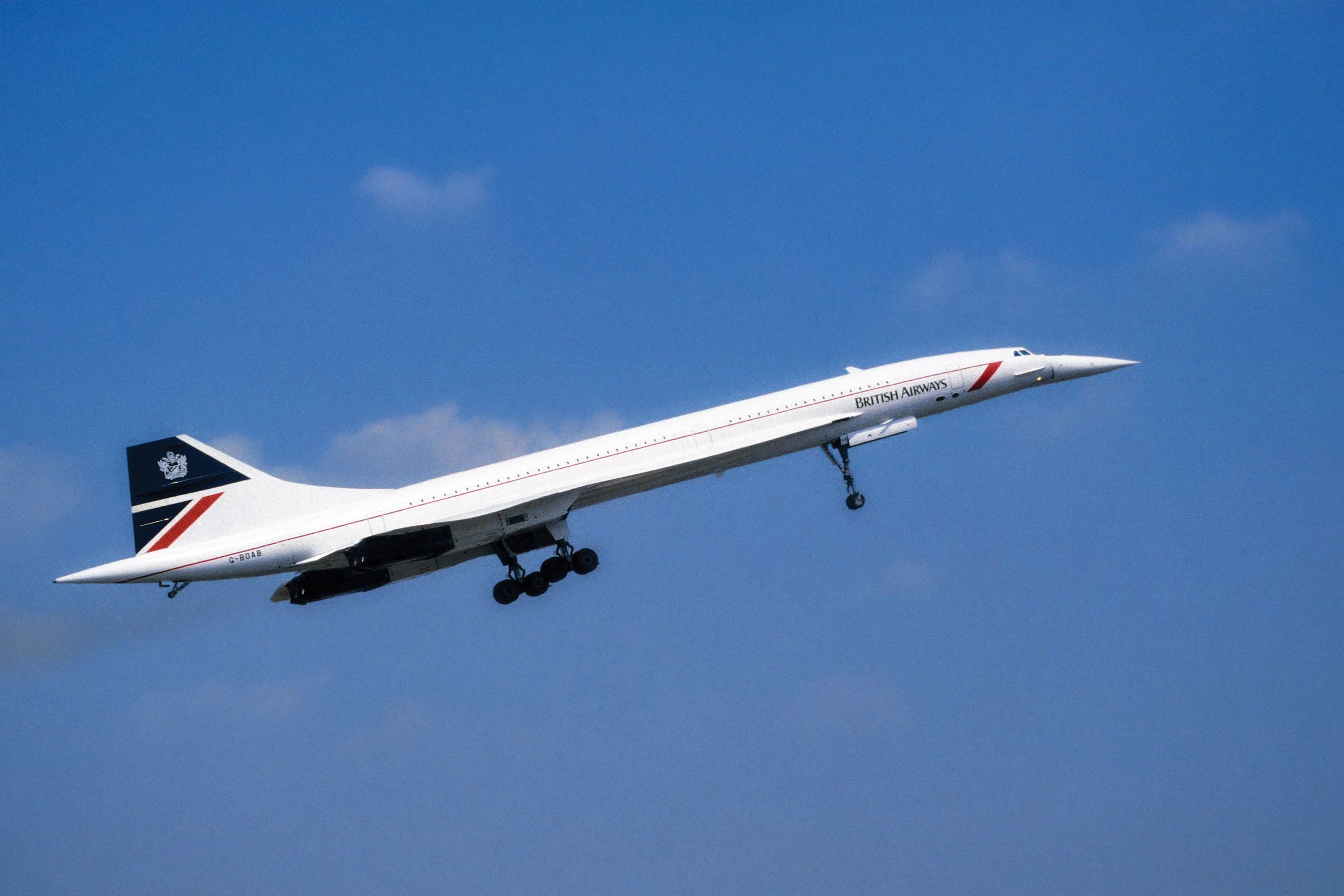
After a crash that killed passengers in 2000, the Concorde ceased service. The only supersonic aircraft to ever offer commercial flights was never a commercial success, with its high operating costs, limited range and such noisy engines that its planes were barred from overland flying. Just 14 Concordes were ever delivered to airlines, all to Air France and British Airways. But the airplane was a throwback to the early, glamorous days of the jet age. Its demise arguably put those days to rest for good.
Far & Wide, a major tour operator and USTOA member, filed for bankruptcy in September, its losses surpassing the USTOA’s $1 million consumer-protection plan for members. It could only provide 6 cents per dollar to cover the losses of the Far & Wide demise. The USTOA filed suit, reinforcing its role and commitment to consumer advocacy and helping establish the role of trade organizations when an operator goes bust.
In transactions that would shape OTAs in the following decades, Barry Diller’s IAC completed its acquisition of Expedia in 2003, bringing online travel brands Expedia, Hotwire and Hotels.com under one umbrella. Today, Expedia Group is the second-largest travel seller in the U.S. Two years later, Priceline acquired Booking.com, giving the company a foothold in Europe and greater global scale. Booking today is the largest seller of travel in the U.S., so powerful a brand that in 2018 parent company Priceline Group rebranded to Booking Holdings.
2004
Social media is so ubiquitous, it’s hard to believe it didn’t even exist (in its current form) at the turn of the century. Facebook launched in late 2004, and by 2008 our Travel Industry Survey stated that social media tools were “catching on” with advisors. And then they caught fire: soon thereafter came new-ship walkthroughs on YouTube, airline customer service via Twitter, viral posts, the omnipresent marketer known as the influencer and phrases like “doing it for the ‘Gram.” Today, more than 90% of our survey respondents use Facebook to market to clients.
Social media introduces new destinations to more people and, some argue, contributes to overtourism. But the scroll goes on. If you haven’t posted about your travel on Instagram or TikTok, were you even there?
Lufthansa became the first airline to offer in-flight WiFi. Since then, connectivity has been boosted by advances in high-speed, satellite-driven technology, which transformed the in-flight experience by facilitating air-to-ground communication, in-flight working and greatly broadening the choices for in-flight entertainment. Free WiFi, first introduced in the U.S. by JetBlue, is these days becoming standard among full-service airlines.
2005
With inbound tourism still struggling from the 9/11 fallout, Roger Dow became CEO of the Travel Industry Association of America, later renamed the U.S. Travel Association. He turned it into an effective lobbying force and oversaw a 61% increase in inbound travel during his 17-year tenure.
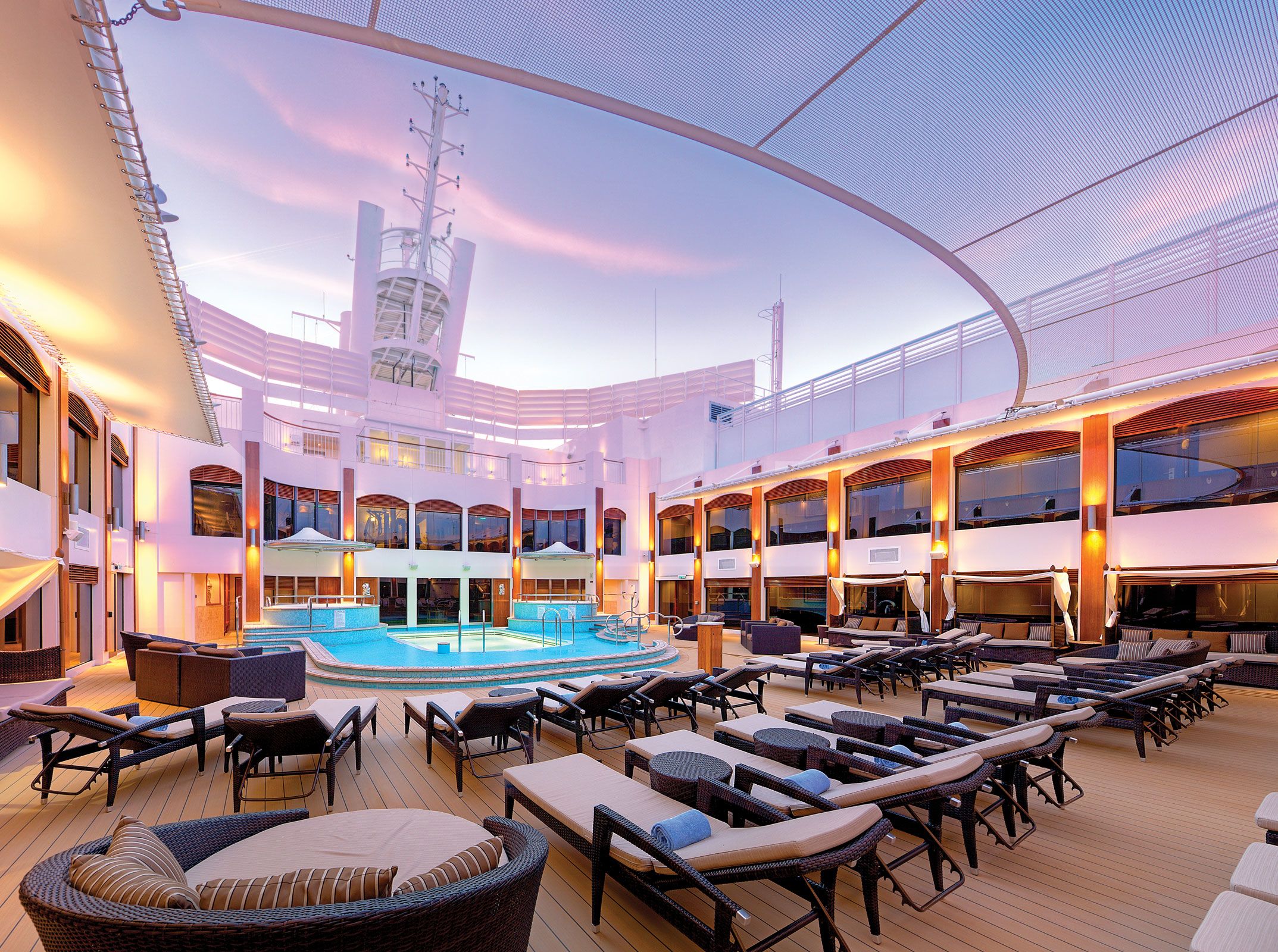
Cruise lines had been dabbling in “ship within a ship” concepts and bigger suites for top-paying guests — the Norwegian Jewel debuted with an all-suite “courtyard” that offered an elevated and exclusive enclave for the well-heeled to escape the crowds but still enjoy the wide range of amenities on contemporary cruise ships. NCL’s concept was later named the Haven, but in the meantime, lines like MSC Cruises followed suit (suite?).
There are soul-wrenching natural disasters every year, but Hurricane Katrina hit New Orleans, and travel, hard in 2005. The city is a major tourism destination for revelers, foodies and conventioneers alike, and some wondered if it would recover. But it did: After falling to an all-time low of 3.7 million visitors in 2006, it notched nearly 19 million visitors in 2024.




2006
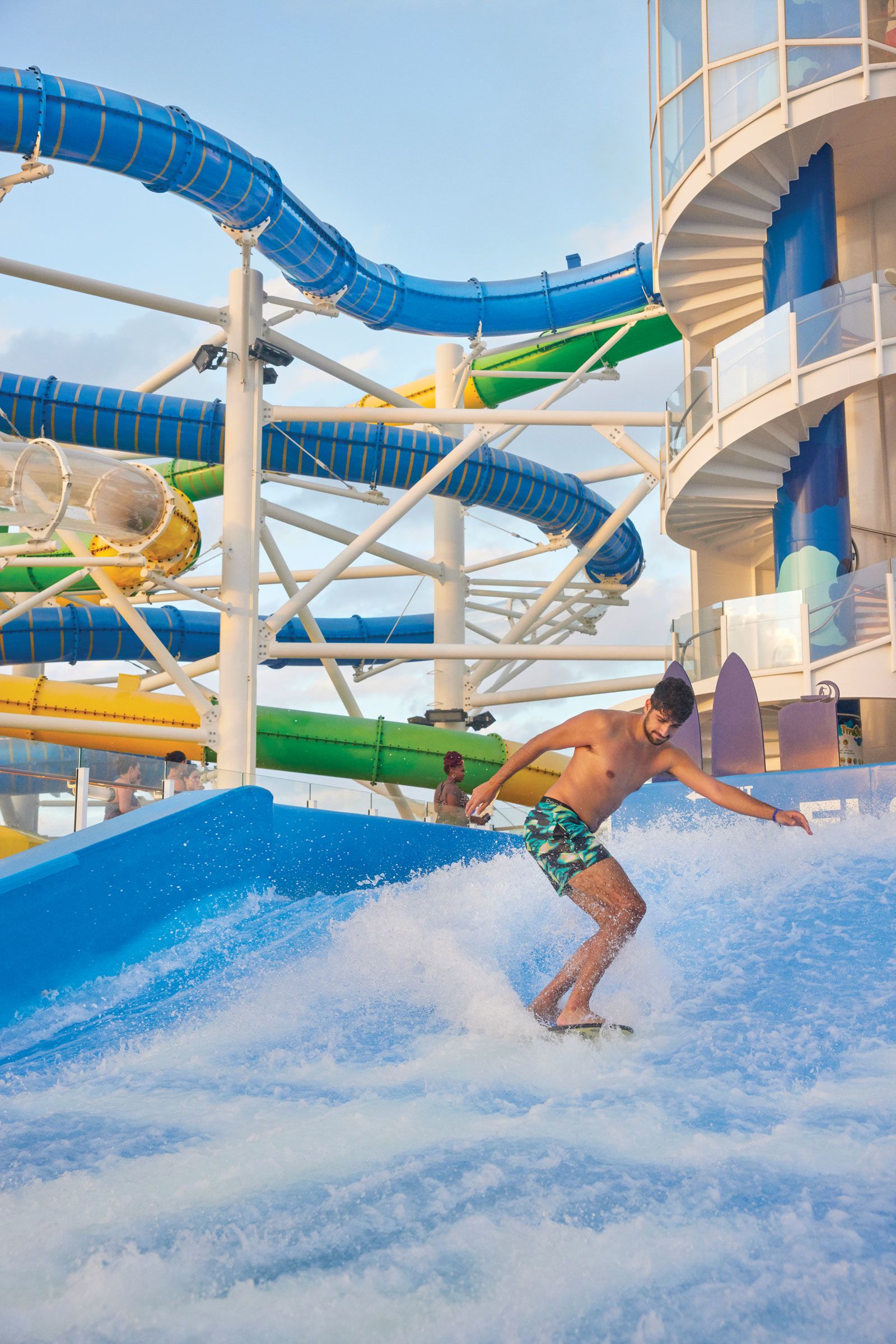
Royal Caribbean’s rock-climbing wall, introduced in 1999, was long the benchmark for headline-grabbing amenities at sea, but the line helped kick-start an arms race of the most headline-grabbing onboard thrills when the Freedom of the Seas debuted the surf simulator. By 2009, Royal guests could zipline across a ship, Norwegian built the go-kart racetrack in 2017 and Carnival debuted the first roller coaster in 2021.
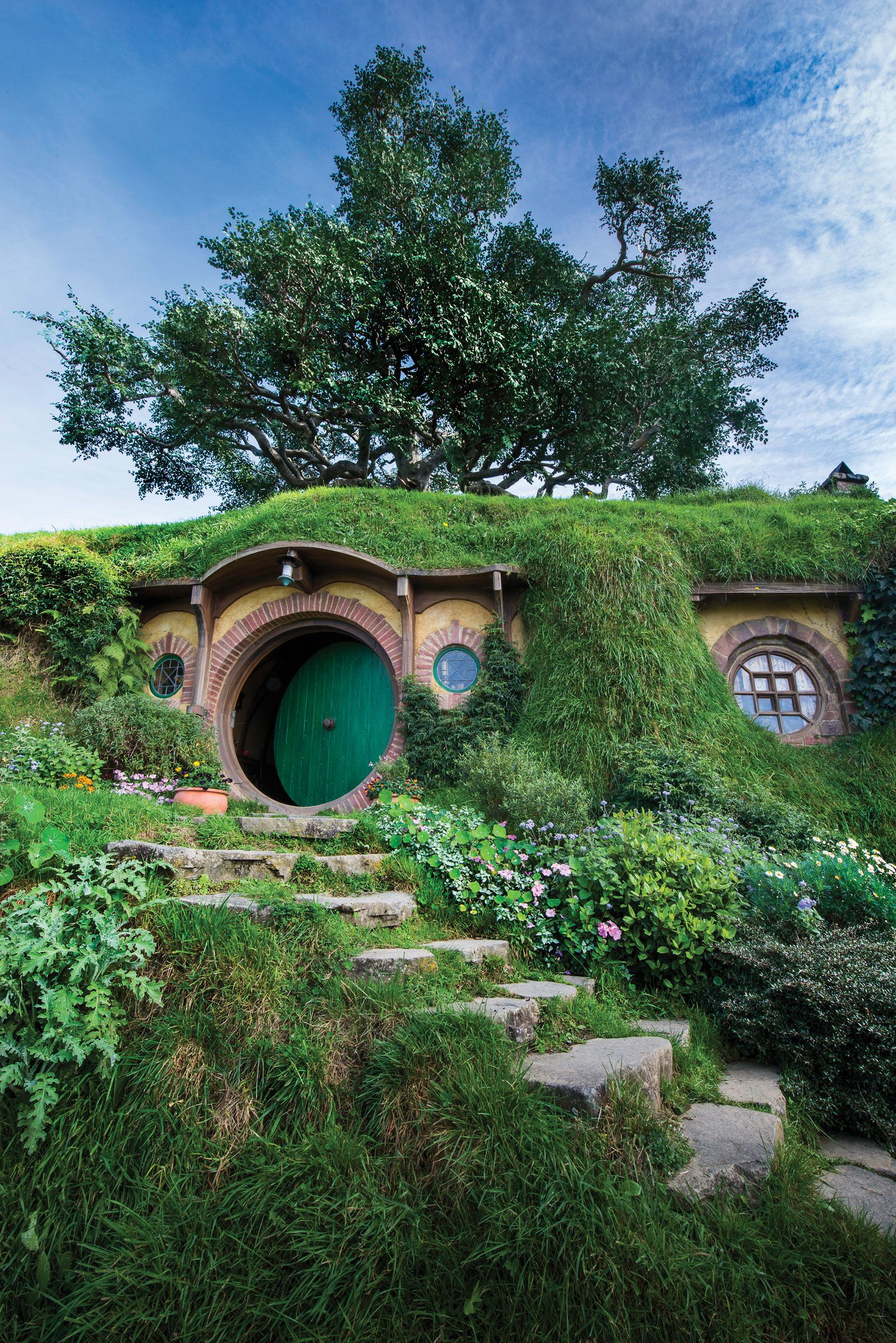
“The White Lotus” effect is well documented, but movie- and TV-inspired travel has been on an upward trajectory since the “The Lord of the Rings” trilogy helped boost New Zealand tourism from 1.7 million visitors in 2000 to 2.4 million in 2006. “Harry Potter” (the U.K.) and “Game of Thrones” (Northern Ireland and Croatia) cemented the power of “set-jetting,” with destinations now clamoring for the next starring role.
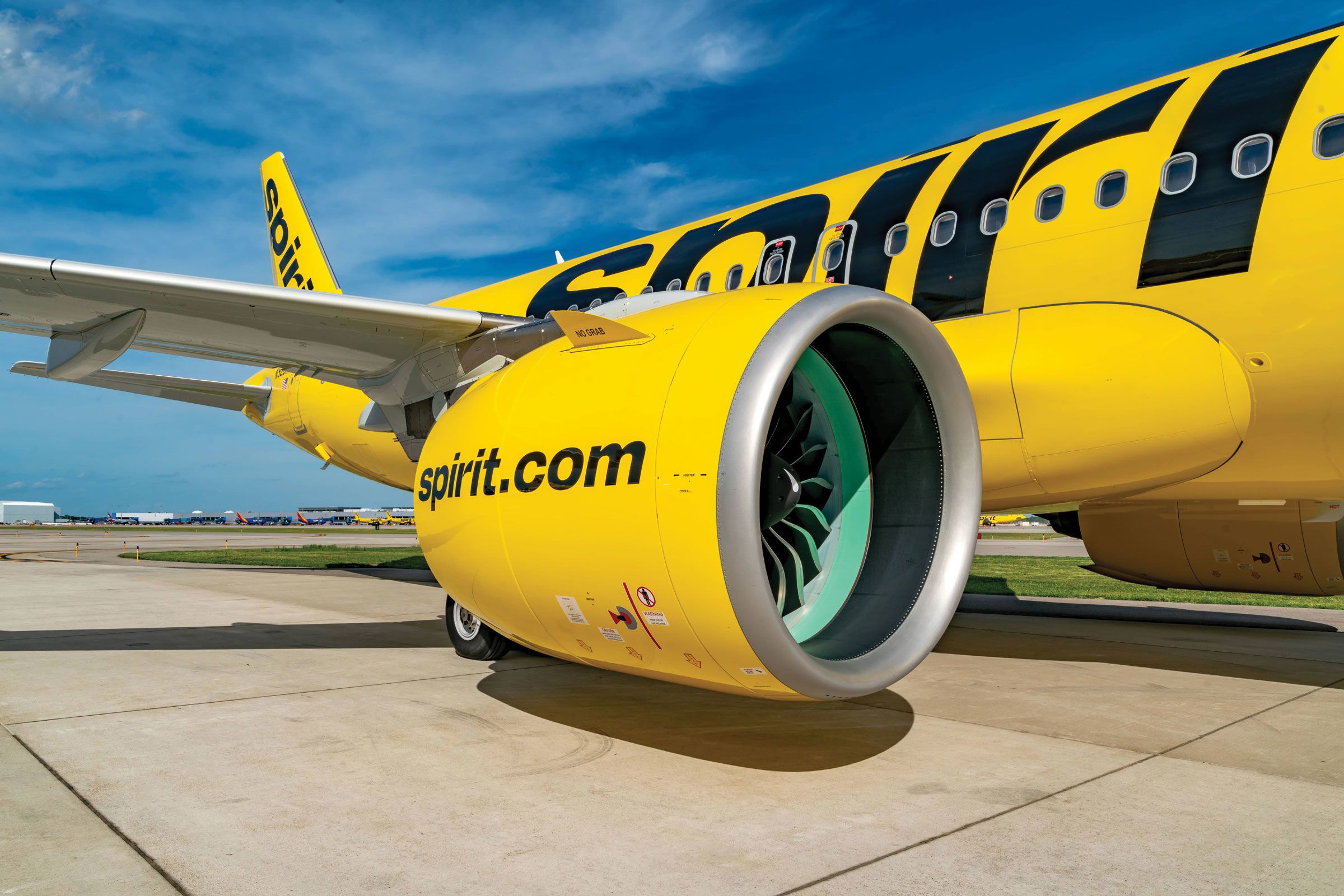
Spirit’s debut as an ultralow-cost carrier (ULCC) changed the industry. ULCCs have struggled, but their influence can’t be denied. All full-service U.S. airlines now offer basic economy fares to compete with ULCCs for bargain hunters. They inspired the mainstream carriers to charge fees for checked bags (American did so in 2008, a year after Spirit, followed by the entire industry) and unbundle fare categories, often charging for seat assignments and extra legroom. And despite turbulence, Spirit, Frontier, Allegiant and Sun Country are all still flying.
2007
The iPhone debuted in 2007, launching the smartphone revolution and changing how people search, manage and buy travel. Smartphone apps enabled mobile boarding passes to debut in 2008, with Alaska and American the first adopters in the U.S., leading to the sophisticated airline apps that now enable check-in, baggage tracking, flight tracking and rebooking. Beyond aviation, smartphones continue to alter the travel experience with apps for maps, translation services, messaging, social media and more.
2008
The derivatives market collapse, followed by the government bailouts of major banks and later the auto industry, led to a global financial panic and the worst U.S. economic downturn since the Great Depression. Travel, like many discretionary products, was put on the spending back-burner during the Great Recession of 2008 and, in some cases, way beyond its official end in June 2009.
Air demand plunged to the biggest drop in global air passenger traffic since World War II; U.S. hotel RevPAR fell 16.7% in 2009, the worst annual decline on record at the time. Cruise profits tanked: Royal Caribbean alone saw income drop 73% from 2007 to 2009. To keep ships full, cruise lines slashed prices so low that seven-day Caribbean cruises were selling for less than $400. That didn’t leave much commission for travel advisors, and in Travel Weekly’s first Travel Industry Survey fielded after the recession hit, a full 80% of respondents reported a decrease in sales.
Airbnb debuted as a company in 2008 and has since become a verb. The online platform for listing spare bedrooms evolved into a massive global marketplace, disrupting the hotel industry more than any other innovation. It’s also been blamed for overtourism and a housing affordability crisis, and major cities, New York and Barcelona among them, have restricted or banned vacation rentals. But that hasn’t stopped much of the world from wanting to “Airbnb a place.”






2009
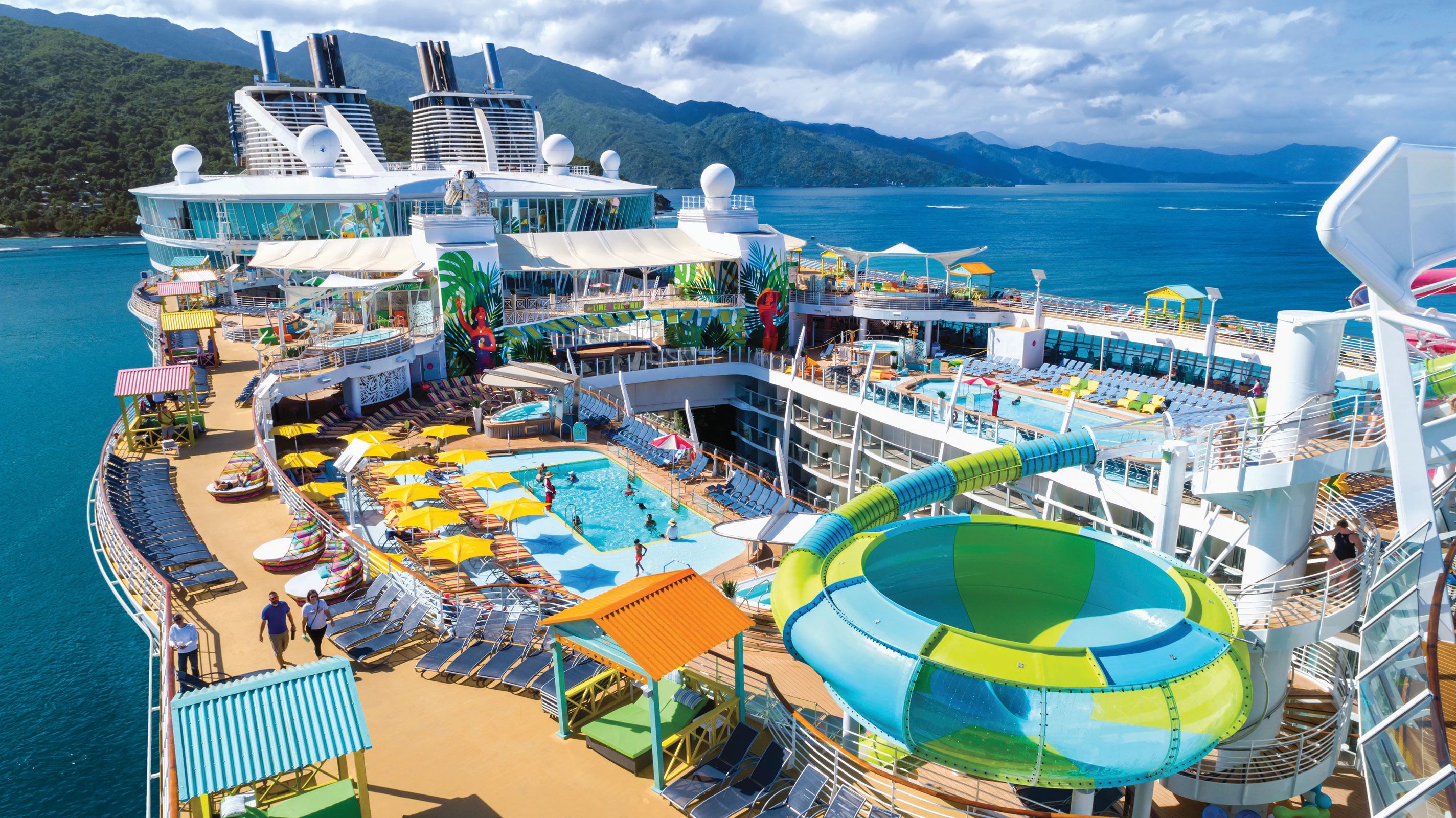
Royal Caribbean International shattered records with the first cruise ship that cost more than $1 billion. The $1.4 billion Oasis of the Seas, a third bigger than the prior holder of the largest ship title, debuted elaborate spaces like the Aqua Theater and a Central Park with thousands of plants.
New York’s Ace Hotel’s “lobby as living room” concept made public hotel spaces trendy destinations and was emulated by countless lifestyle properties. Equal parts coffee shop, cocktail bar and coworking space, the Ace lobby became a magnet for creative professionals, freelancers and digital nomads, showing that a hotel lobby could transform from mere check-in area to vibrant social scene.
2010
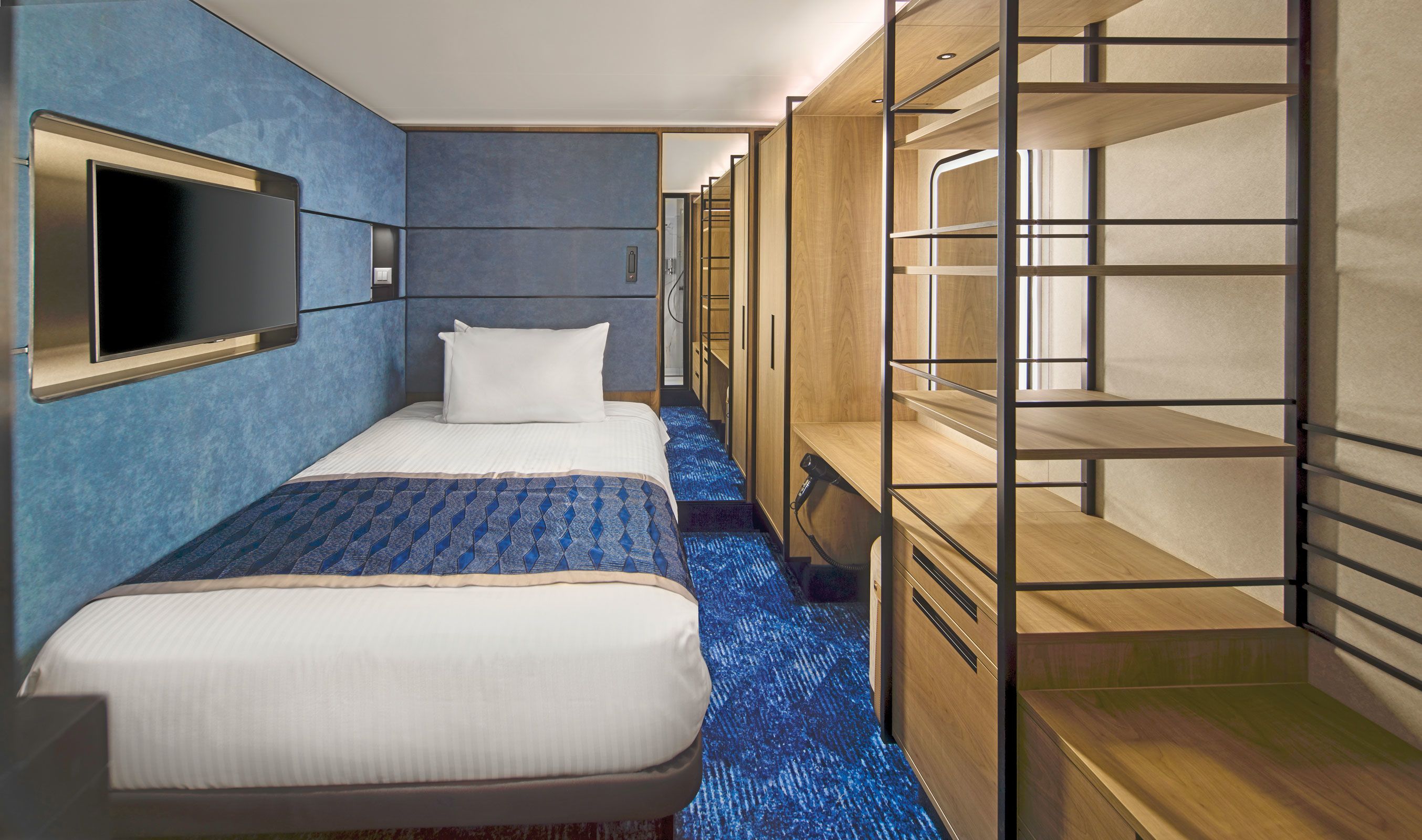
Solo travel has always existed, but when Norwegian Cruise Line debuted solo cabins in 2010, it was clear the travel industry had taken note. Tour operators and cruise lines had been waiving single supplements after seeing that more people were traveling on their own and that most were women. Nowadays, cruise ships large and small, on rivers and the sea, have cabins for one, and tour operators like G Adventures have entire collections just for single travelers.
2011
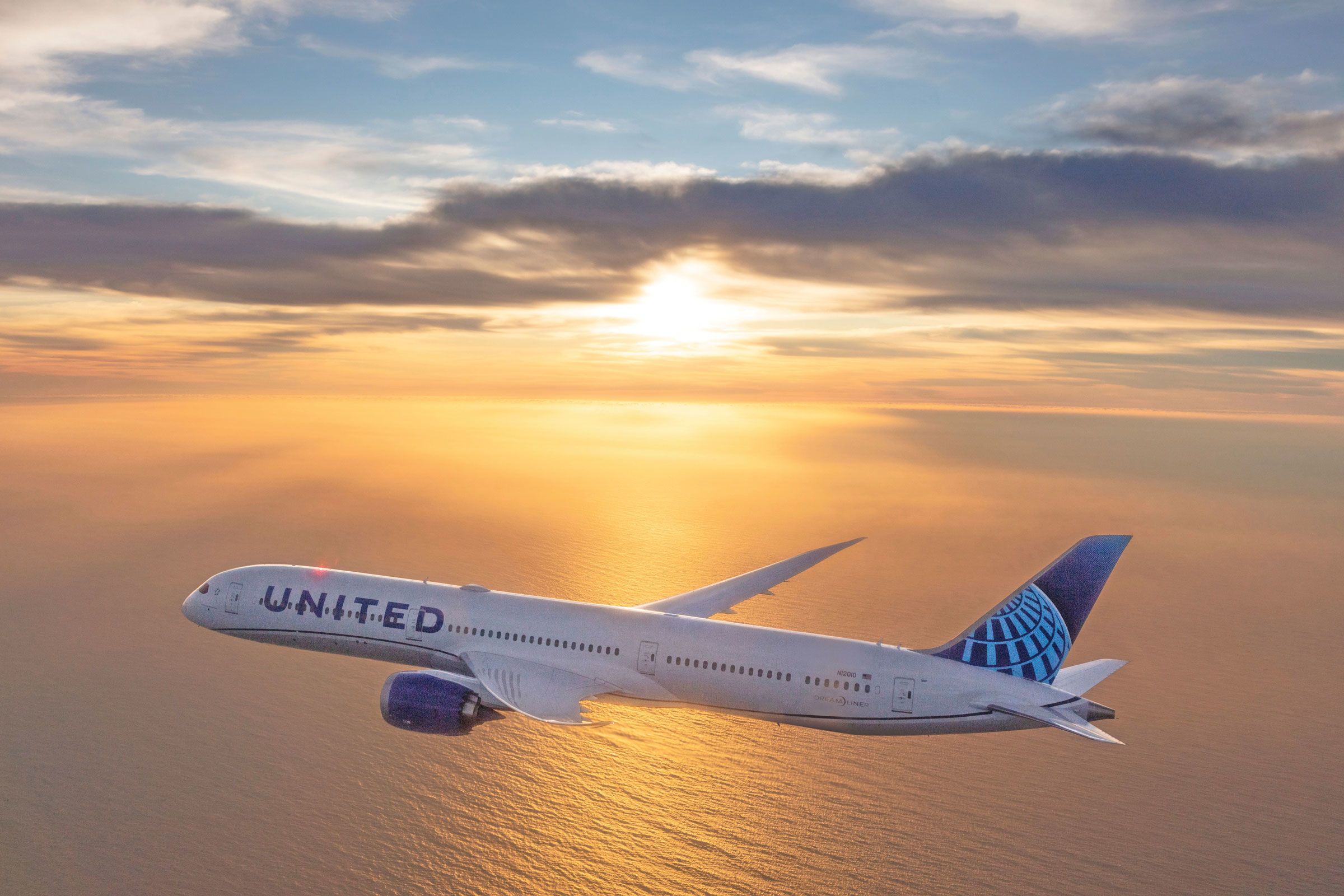
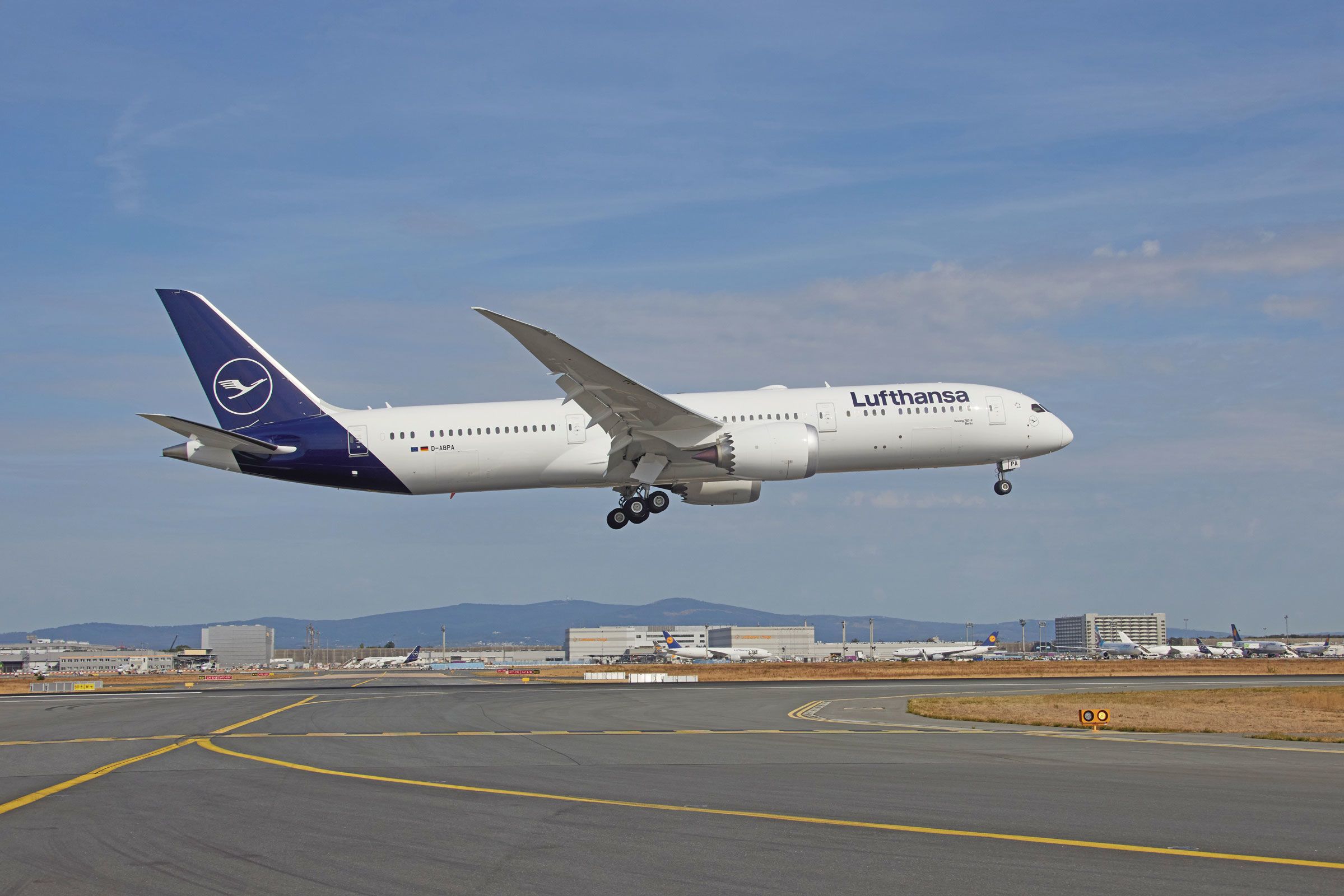
The launch of Boeing’s 787 was one of the most-hyped airplane additions of the new century (the Airbus A380 soared in 2007). With its fuel efficiency and small size compared with long-haulers like the 747 and A380, the Dreamliner enabled airlines to operate international routes in cities where that was not economically feasible before, like Denver, now a significant transoceanic gateway. Its operating economics were also popular with some discount airlines, enabling them to start long-haul, low-cost flying.
It’s hard to pinpoint when “overtourism” first became a term, but an early use was in an article on resource management in Vietnam, and it was an active hashtag on Twitter by 2011. Today, it evokes images of water pistols drawn on tourists in sunny Spain, and it often has Airbnb and cruise ships as its poster children. As communities began to address the perceived negatives of tourism — rising costs of living, infrastructure strain — even the M in DMO changed: Destinations are no longer just marketing visitation but managing it.
Viking’s acquisition in 2000 of KD River Cruises of Europe made it the largest river cruise operator in Europe, with 26 ships. Since then, it has expanded exponentially, known for naming up to 16 river ships in a day. It has expanded into oceans and expedition and now operates more than 90 ships worldwide. Viking proved its marketing prowess when in 2011 it began sponsoring the PBS program “Masterpiece,” which included the now iconic “Downton Abbey” series. The visibility of its ads helped river cruise transition from niche to mainstream.





2012
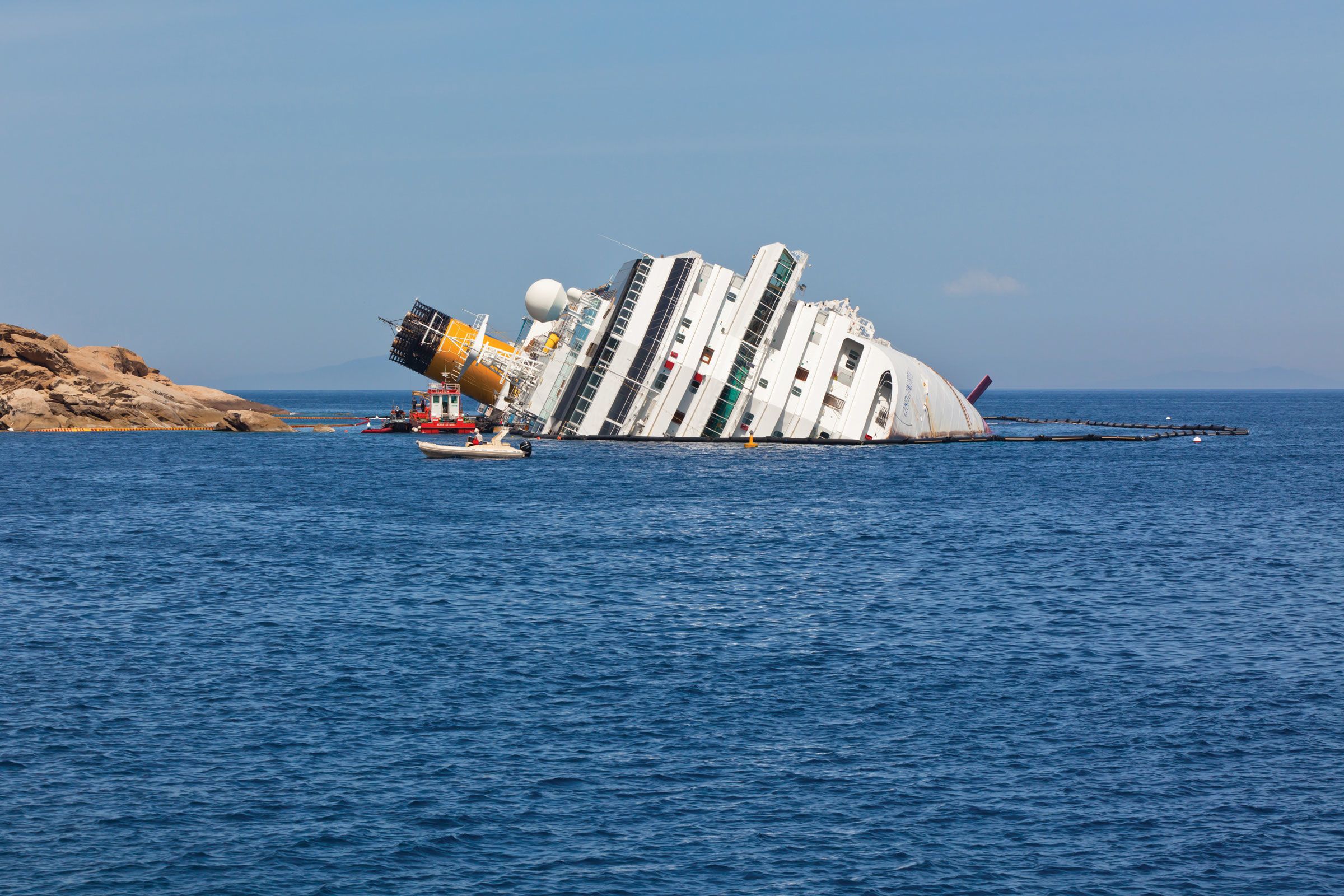
On Jan. 13, 2012, disaster struck when the 3,780-passenger Costa Concordia collided with rocks and capsized off of Italy, resulting in 32 deaths during a chaotic evacuation. The fallout was swift: Cruise bookings dropped industrywide, and parent company Carnival Corp. CEO Micky Arison called 2012 the company’s most challenging year to date. After the Carnival Triumph lost power in the Gulf of Mexico for four days the next year, Arison stepped aside as chief executive, bringing in Arnold Donald as Carnival’s first CEO without the Arison name since the company’s 1972 founding (Arison did stay on as chairman). Donald set out to fix a crisis of consumer, investor and travel advisor confidence.
President Obama unveiled a new tourism strategy at Disney World in January to help an ailing industry overcome the Great Recession, signaling that the highest level of government acknowledged the importance of travel.
Greg O’Hara, formerly the chief investment officer of JPMorganChase’s special investments group, launched the private equity firm Certares. It made headlines the next year when it entered a joint venture with American Express Global Business Travel (No. 3 on Travel Weekly’s Power List), and it went on to invest in Internova Travel Group (No. 10), Avoya Travel (No. 37), AmaWaterways, G Adventures, Hertz Global Holdings and Tripadvisor. Certares now claims to be the world’s largest investor in travel and tourism.
2014
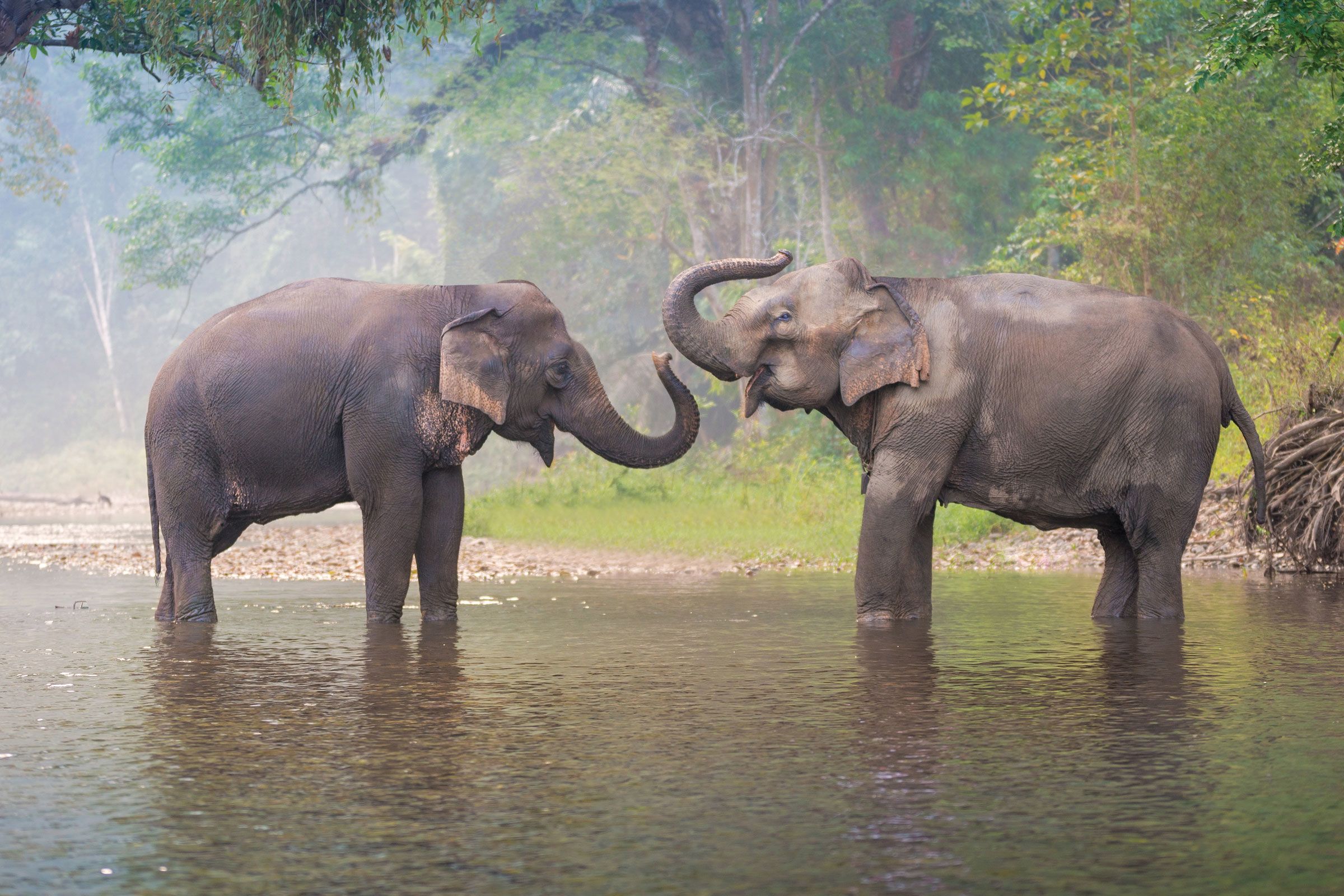
Intrepid Travel became the first tour operator to ban elephant rides, as animal welfare in tourism got more scrutiny. The 2013 documentary film “Blackfish” put a spotlight on the conditions faced by captive sea animals and the toll of swimming with dolphins, and by 2016 Tripadvisor had scrubbed hundreds of animal attractions from its site, including tiger encounters. Since then, from sloth holding to camel rides, captive animal encounters are on the way out.
2015
YTB stopped accepting new agents and soon after shut down, ending a long and bumpy ride since its 2001 launch, which got the travel-selling multilevel marketing (MLM) company burned into the agency community’s collective memory. YTB agents were known for aggressive recruitment, bragging about “free travel” on fams and annoying suppliers with questions and requests largely considered inappropriate. Despite its critics, at its height, YTB was No. 25 on Travel Weekly’s 2009 Power List. Government scrutiny and lawsuits took a toll, but MLMs also exposed swaths of people to travel advising. Many of them weren’t serious, but some recognized the profession’s potential and looked for new homes: They found them in the modern host agency.
Lufthansa became the first airline to implement a GDS surcharge, but many followed suit. The move blazed a trail for a number of airline initiatives geared at pushing travel agency channel sales away from legacy GDSs and toward NDC-enabled distribution platforms. That transformation is far from complete but is picking up steam, giving airlines greater ability to bundle fare products and generate dynamic, real-time offers untethered to legacy fare systems. It also created a more complicated and burdensome distribution environment for agencies.
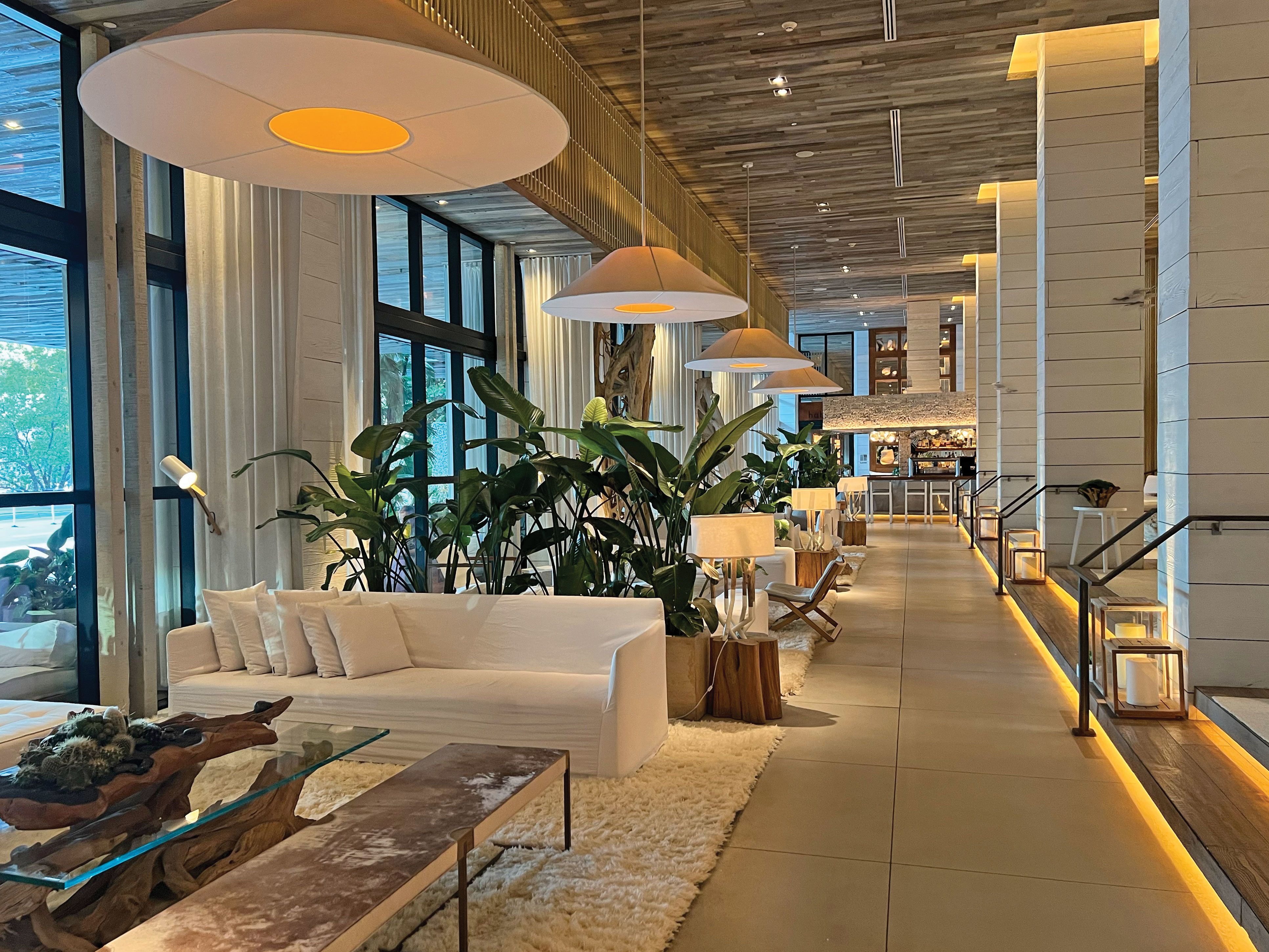
When 1 Hotels launched its “eco-luxury” property in South Beach — with reclaimed wood furniture, hemp mattresses and electric cars — it raised the bar on hotel sustainability and became the first luxe brand to make environmental responsibility its primary selling point.




2016
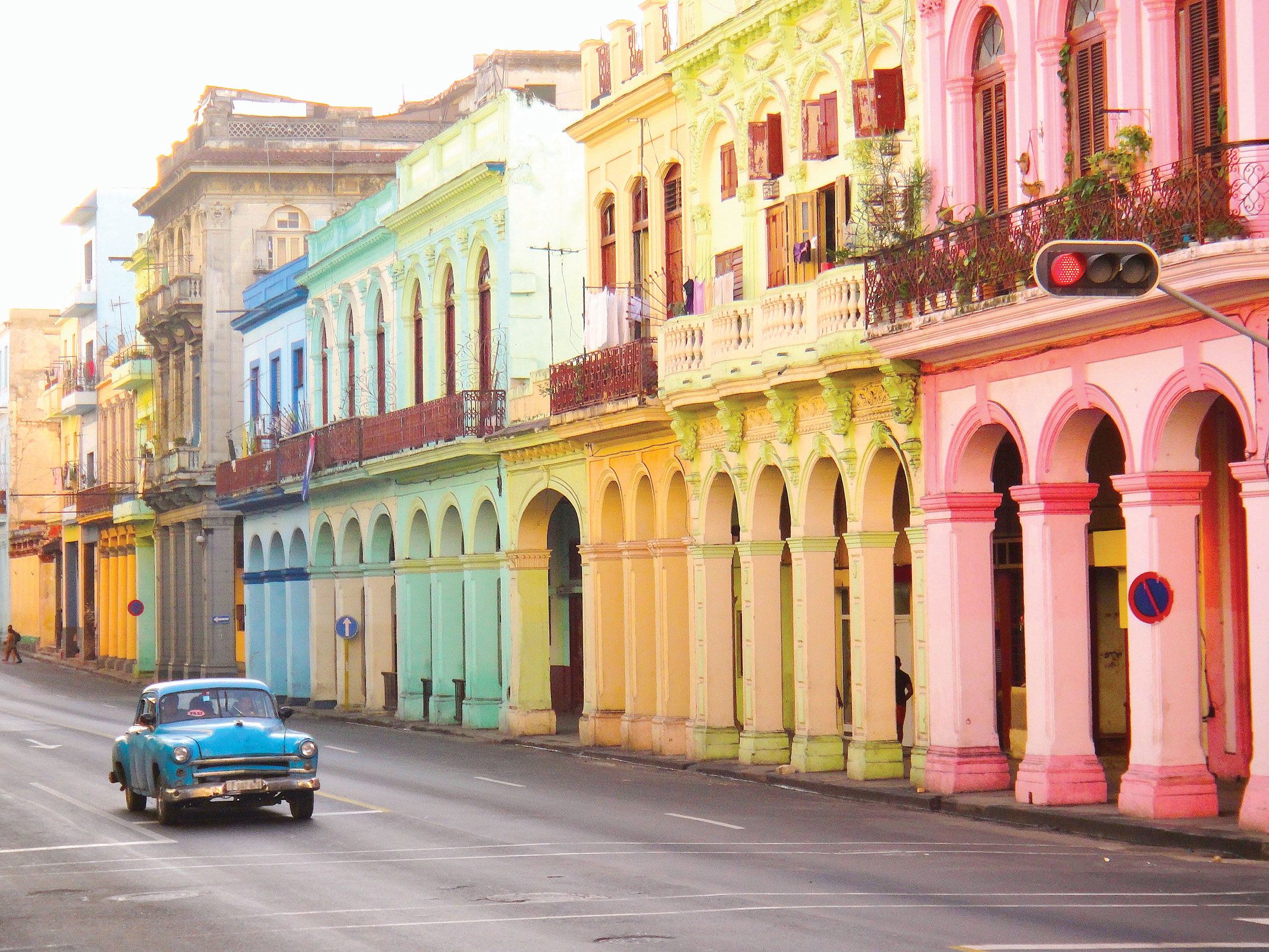
In March, President Obama became the first sitting U.S. president to visit Cuba in nearly 90 years, following a thaw in relations that would reopen Cuba travel to Americans, albeit temporarily.
Marriott’s $13.3 billion acquisition of Starwood Hotels and Resorts brought the St. Regis, W Hotels, Westin, Sheraton and Le Meridien brands under Marriott’s umbrella. The megadeal was the pinnacle of an era of rapid brand consolidation that continues today. The deal also gave rise to Marriott’s Bonvoy program, which showcased the size and strength of hospitality loyalty.
Donald Trump was elected president, the first election of a travel industry executive to the highest office in the U.S.
2017
United customer David Dao was dragged forcibly off a plane, suffering a concussion and broken nose, after he refused to be bumped from a flight. The incident garnered international headlines, highlighting the arrogance of some airline customer service practices and leading carriers to sharply reduce the frequency of involuntarily bumping.
2018
ASTA officially changed its name — to the American Society of Travel Advisors — for the second time in its 90-year history (it changed from the American Steamship and Tourist Agents Association to the American Society of Travel Agents in 1944). This culminated a yearslong effort to solidify travel advisors as just that — advisors, not ticketing agents.


2019
The tour operator and airline Thomas Cook Group shuttered with 150,000 travelers abroad, prompting the U.K. Civil Aviation Authority to organize the largest peacetime repatriation effort in the country’s history.
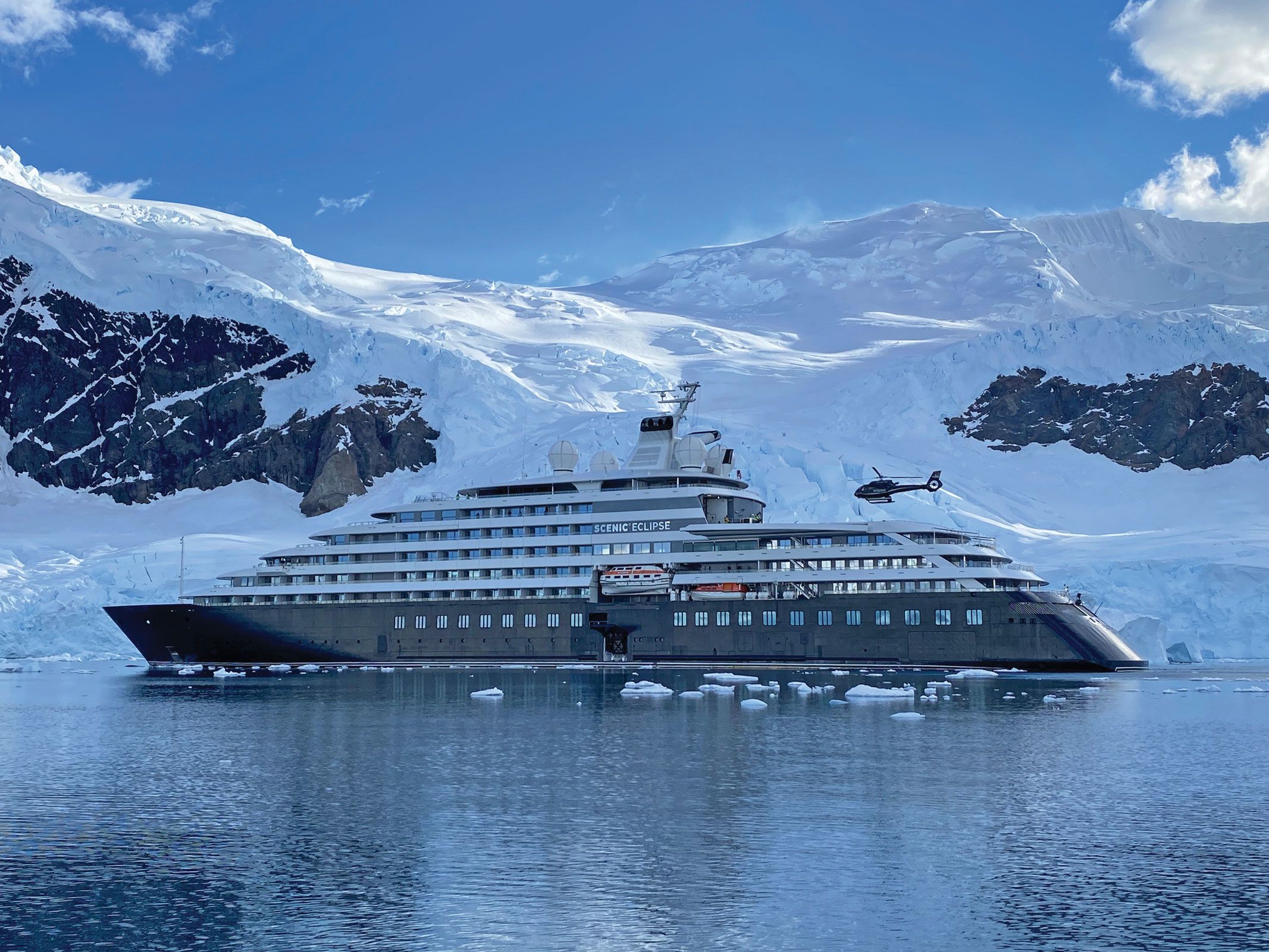
The Scenic Eclipse debuted with two helicopters and a submarine, the first in a wave of luxe ships that pushed the previously niche expedition cruise market into a boom cycle. The number of passengers sailing expedition itineraries soared 71% from 2019 to 2023, CLIA reported, as Silversea, Seabourn and Viking entered the sector and established brands like Lindblad Expeditions upped their game with high-tech newbuilds that pushed deeper into the poles.
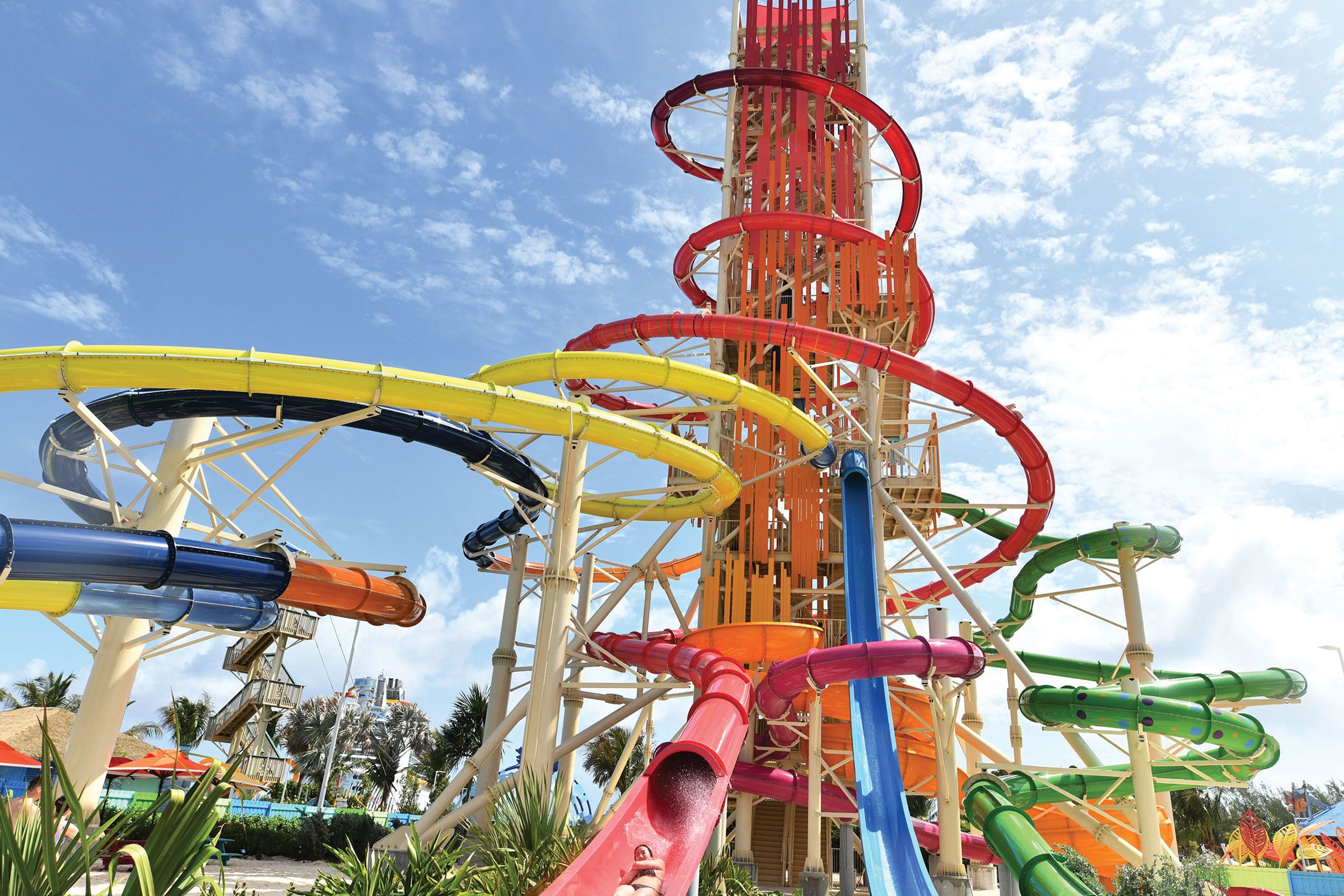
With a $250 million upgrade to Perfect Day at CoCo Cay in the Bahamas, Royal Caribbean Group rewrote the private destination rule book: a waterpark with the Caribbean’s largest slide, a megapool and a helium balloon ride and the catchy name that encapsulated the experience. The island is Royal Caribbean’s top-rated destination and the blueprint other lines are now following. Carnival Cruise Line debuted an even bigger freshwater pool at Celebration Key, and Norwegian Cruise Line will open a waterpark at Great Stirrup Cay in 2026.
2020
Before the pandemic became synonymous with outbreaks, quarantines and an upended society, in early February 2020, one case of then-called Coronavirus on the Diamond Princess in Japan escalated to 451 cases and forced more than 2,600 passengers into two weeks of quarantine, gripping the international news cycle. By Feb. 20, the outbreak represented more than half of all known cases outside of China and was a precursor to the shutdown of cruising for almost 18 months.
The moment President Trump said on March 11 in a televised address that visitors from Europe were banned from entering the U.S., it became clearer that Covid-19, officially declared a pandemic that day, was going to have a long and severe impact. Global travel shut down almost overnight and would not recover in earnest for more than two years. What had been a 30-day cruise pause turned into almost a year and half of openings and closures, advancements and setbacks. Flights resumed sooner, but many borders stayed closed. The industry suffered losses that dwarfed 9/11 and the Great Recession, and the ensuing years were shaped by cleaning protocols, masks and complex testing regimes.





2021
The term “revenge travel” was first published by Travel Weekly in January. And this phrase came to define at least the next two years as vaccines took hold, rules were relaxed and travelers, desperate to see family and friends again, began spending the money they’d saved during the shutdown. Travel roared back with, yes, a vengeance.
2022
Given the state of travel during the pandemic, it’s surprising that almost every major travel company survived. But there was a notable exception: Crystal Cruises. In early 2022 passengers were removed as the ocean ships were idled in the Bahamas and parent Genting Hong Kong filed to wind up operations. But such was the staying power of the brand that Crystal’s name and ocean ships were snapped up later that year by A&K Travel Group.
Margaritaville and Ritz-Carlton became the first hotel brands to launch a cruise line, ushering in a new era of hotel brands at sea that will soon include ships from Four Seasons and Aman.
OpenAI released ChatGPT to the public, stunning the world with its ability to generate text with the entry of a simple prompt. Since then, whether simplifying social media and marketing copy or creating itineraries, the technology is being used, along with other forms of AI, across the industry. Expedia was an early AI adopter, and its evidence now shows that AI can improve customer experiences and generate revenue, though the technology is still developing.
2024
Post-pandemic inflation has meant increased costs across the board, but many have warned that travel costs are pricing out many would-be tourists. An example? In 2024, a record number of properties worldwide saw average nightly room rates at or above $1,000.
TELL US WHAT YOU THINK
Whittling down these selections wasn’t easy. We’d like to know from you, our readers, which events over the past 25 years you believe have had the biggest impact on the travel industry. Send us an email at [email protected] — we may feature your comment in a follow-up report.