Major hotel companies say their Mexico business is on the mend after cartel-related violence in late February dampened demand.
And though some travel advisors reported lingering traveler hesitation, it may be more about price than safety concerns.
During Hyatt Hotels Corp.'s first-quarter earnings call on April 30, CFO Joan Bottarini told analysts that lower demand in Mexico due to security concerns weighed on the company's all-inclusive portfolio, though net package RevPAR still grew 7.4% for the quarter overall.
Impact was most pronounced in March, when Mexico net package RevPAR fell 5%, while the Dominican Republic surged 16%, as Hyatt-owned wholesaler ALG Vacations redirected travelers to other destinations.
IHG Hotels & Resorts also highlighted impact in Q1; CEO Elie Maalouf reported that Mexico RevPAR was down 2%.
Marriott International flagged Mexico as a factor in a downward revision of its Caribbean and Latin America outlook, though the impact appeared modest. Marriott CFO Jen Mason described it as "a little bit of reduction, mainly from Mexico" within the Caribbean-Latin America region, but emphasized that the broader regional picture remains relatively solid.
Bottarini said Hyatt's recovery in Mexico was underway, with demand improving week by week.
"When we look at the second half of the year, that's where we're seeing the impact from the first quarter and the second quarter get much better," she added.
Pricier air travel
Travel advisors, however, say there's lingering softness.
Courtnie Nichols, founder and CEO of Virginia-based TravelBash Corp., an agency focused on romance travel, said her Mexico bookings have declined, though she mainly attributed the softness to more expensive air travel.

Travel advisor Courtnie Nichols says Mexico airfares are "too high." Photo Credit: Courtnie Nichols
While Nichols' clients who booked destination weddings and group trips to Mexico last year are still traveling as planned this year, new bookings for Mexico have slowed.
She said that while clients aren't explicitly citing safety concerns, some say high airfares are a factor. According to Nichols, flights to Cancun and Cabo have become more expensive, and with prices now on par with places like Portugal or Vietnam, travelers are more likely to shop around for alternative destinations.
"Before, Mexico was kind of a quick trip, and it was affordable," she said. "Now the airfare is too high."
Mandee Migliaccio, CEO of Stepping Out Travel Services in New Jersey, said Mexico remains one of her agency's strongest destinations, but she said that the broader booking environment has slowed.
"Normally, April is one of our busiest booking months once people finish their taxes, but this year there's a lot more hesitation and uncertainty surrounding travel in general," she said.
She attributed the softness less to Mexico-specific concerns and more to broader anxieties related to geopolitical issues, rising fuel costs and economic uncertainty.
Migliaccio said Mexico group business has held up well with clients continuing to book destination weddings, milestone celebrations and multifamily trips.
"People still value those shared experiences and celebrations," she said.
Yvonne Heerema of The Shameless Tourist in Austin said she hasn't seen any shifts in her Mexico booking patterns.
"Summer is typically a slower period for Mexico travel, so I haven't noticed any significant changes," she said. "I am still receiving requests for the fall and winter seasons, so things look positive from my perspective."
Heerema added that she planned to visit Mexico herself later this year.
Jalisco bouncing back
Mexico's Jalisco state, home to popular coastal destination Puerto Vallarta, was the epicenter of February's unrest. Officials have been focused on rebuilding traveler confidence ahead of the FIFA World Cup, which kicks off next month.
"While we did see a short-term impact immediately following the February incidents, booking activity stabilized quickly and traveler confidence has continued to strengthen heading into the summer and fall seasons," said Michelle Fridman Hirsch, secretary of tourism for Jalisco.
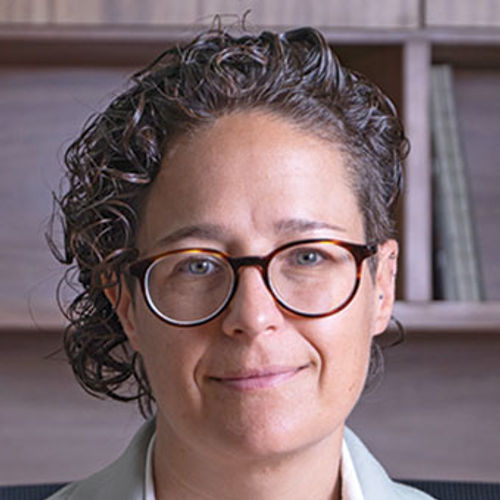
Michelle Fridman Hirsch
Fridman Hirsch added that the destination has since "intensified" its promotional activity across key markets in North America, Latin America and Europe.
She also said that the recovery curve has been "faster and more resilient" than expected; she credited "active communication with travel advisors, airline partners, tour operators, media and stakeholders throughout the process to ensure accurate information was available in real time."
Jalisco's capital city of Guadalajara will host four World Cup matches, including one involving Mexico's national team. Fridman Hirsch said preparations to welcome fans were well underway, ranging from expanded air connectivity to transportation improvements, hospitality training and enhanced visitor services.
The soccer tournament also is expected to serve as a catalyst for tourism growth. The hotel sector is drawing investment, with luxury brands Six Senses and Chable planting their flags in Jalisco in the next few years, for example.
"We expect the World Cup to generate benefits far beyond the tournament itself by introducing millions of global travelers to Jalisco," Fridman Hirsch said.