From our long careers in global tourism, we have always
known one thing to be true: travel may ebb and flow, but it always comes back.
We’ve been confident that travel will endure.
That is, until now. The current pandemic has shaken our
sector to its core. We have seen nothing like it in our collective decades of
experience.
Governments have imposed lockdowns on their citizens, but
few have planned a clear path ahead. It’s likely that on the other side of this
immediate health crisis will be one of the deepest recessions the world has
ever seen. This is a fierce one-two punch and threatens to keep travel
suppressed for years to come.
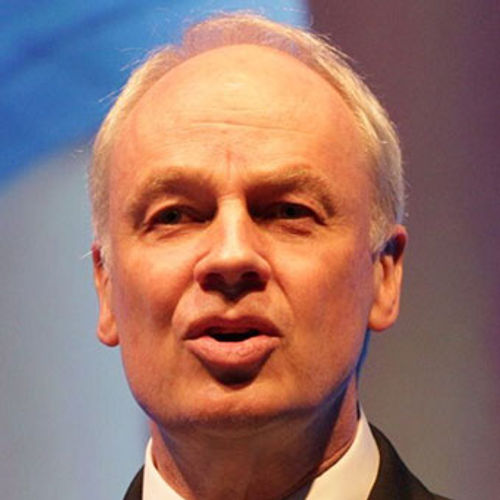
David Scowsill
That’s not to say that our sector is without hope. But we
will no longer be able to simply rely on our historic staying power. Instead,
it will be up to our industry to change the way we operate in order to meet the
challenge, rather than, as with past crises, waiting for the rebound moment.
To our industry’s credit, we’re already beginning to evolve.
The entire sector is taking a hard look at cleanliness and the future of
person-to-person contact long inherent to our sector. Many are reassessing the
affordability of travel and how to once again entice consumers to take a trip
in the face of economic downturn.
It’s the right way to begin, but we’ll have to do more than
redefine the shape of travel; we need to work across sectors to rebuild its
very foundation. After the tragic events of 9/11, the world had to get used to
new security processes in travel. After the arrival of Covid-19, we will have
to get used to a new norm driven by health requirements, that is, until we
discover the right vaccine. That, too, will become part of a traveler’s life in
the same way other vaccines are needed for certain destinations.
Governments will be making judgment calls about people’s
movements under increasingly difficult circumstances, complicated by limited
available information. At the same time, our industry will be analyzing every
step of a customer’s journey, developing the very strategic insights that
governments need. Emerging travel patterns will be vital in forecasting
consumer spending and public attitudes, which are essential to the full global
recovery.
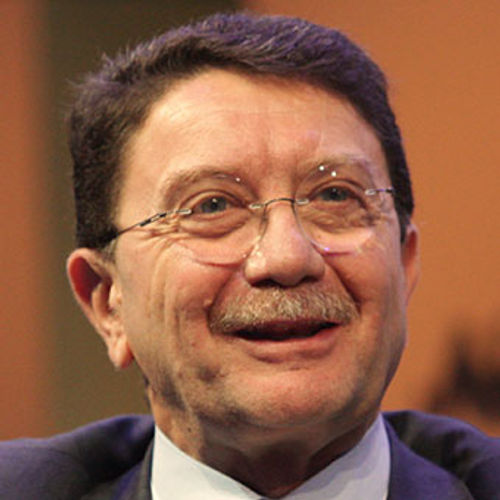
Taleb Rifai
This presents a clear
opportunity for our entire industry to share what we know with governments when
we know it. Some businesses may shy away from sharing such competitive
analyses, but Airbnb, with whom we both work as advisors, will be among those
sharing data to help governments shape the future of travel. Governments have
exercised their power to close borders, and it’s incumbent on our industry to
provide critical information that can help them plan to reopen borders
responsibly.
In the case of Airbnb, they announced today that they’ll be
releasing local data and trends to governments, non-governmental organizations
and destination marketing organizations around the world in the hope That it
will provide valuable guidance for those rebuilding local tourism from the
ground up. They’ll convene meetings to share the latest findings from thought
leaders on the future of travel as it comes into sharper focus. Airbnb has
already begun to offer this support, offering collaboration with officials in
places as varied as Denmark and Florida.
This work recognizes
travel’s new reality that, going forward, it will no longer be able to stand
alone and apart from government. We will be inextricably linked together in a
new era of public-private partnership. For their part, governments must also
recognize the role that tourism will play in economic recovery and give the
entire sector a seat at the table. Never before has it been more important for
public and private sectors to work cohesively together.
Underlying this remains the fundamental desire of people to
travel, to do business and to experience new places. Nothing will replace this
need for people to move around the planet. Tourism will remain resilient in the
face of this pandemic, and with innovation and partnership, it will return as
it has done in the past. The only question is at what speed. That will be up to
all of us.
___
David Scowsill is the former CEO of the World Travel &
Tourism Council and Taleb Rifai is the former Secretary-General of the United
Nations World Tourism Organization. Both are global tourism advisors to Airbnb.