Terrorist attacks, virus outbreaks and other bad news
for the travel industry typically translate into good news for sales of travel
insurance. So it’s little surprise that a world in which violence, disease and
extreme weather appear to be on the rise is producing steady growth for
risk-management products within the retail channel.
In 2008, the U.S. Travel Insurance Association (USTIA)
reported via its market survey that Americans had spent just over $1.58 billion
on travel insurance the previous year, according to executive director Megan
Freedman.

Megan Freedman
“If we fast forward to 2014, that spend was about $2.2
billion, so a noticeable increase,” Freedman said.
The number of Americans covered by a USTIA member’s
plan also increased in that time frame from 28 million to 33.4 million,
Freedman said, “so in the number of people covered and the number of dollars
they’re spending in the industry, we’re certainly noticing increases.”
The USTIA will conduct its next market survey in 2017,
she said, and if the trend continues, sales should be even higher.
Freedman pointed to several factors that are pushing
the increase: the economy, the growth in leisure travel in recent years, “and,
really, an awareness of the different things that can interrupt your travel —
extreme weather, natural disasters, things like that.”
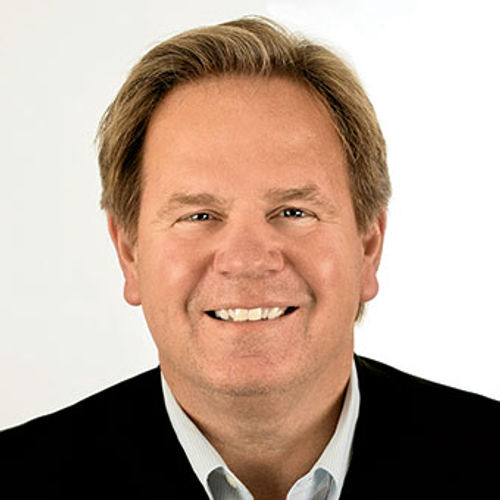
Dean Sivley, president of Berkshire Hathaway Travel
Protection, also pointed to growth in the leisure market and the strong U.S.
dollar. He, too, said there are spikes in inquiries and sales whenever violence
or other troubles are heavily publicized anywhere in the world. In particular,
he cited the Brussels terrorist attacks and the increasing spread of the Zika
virus.
“There always have been events which do remind people
that it’s good to get travel insurance, and you do see spikes,” Sivley said.
“But interestingly enough, I don’t think that they’re necessarily lasting
effects.”
Dean Sivley
Typically, he said, Berkshire Hathaway sees “somewhere
in the 15% to 20% range in terms of percentage of additional bookings that
happen during those periods,” increases that tend to last for a few months.
Daniel Durazo, director of communications for Allianz
Global Assistance, said bumps in inquiries and sales are largely driven by
media coverage.
“It’s the crisis of the moment that drives a lot of
interest in travel insurance, and there will be a next crisis,” Durazo said.
Isaac Cymrot, vice president of industry relations
with Travel Insured International, agreed: “Anytime there’s something that’s
perceived negatively in the world that could impact travel, it’s going to have
a positive effect on our business because people are naturally better in tune
to, ‘If I want to go, I’m going to be protected.’ ”
To be sure, negative events are not solely responsible
for spikes in business. Insurers are already anticipating an increase in U.S.
travelers headed to Cuba as travel restrictions to the country are loosened.
“We see a direct correlation between the type of trip
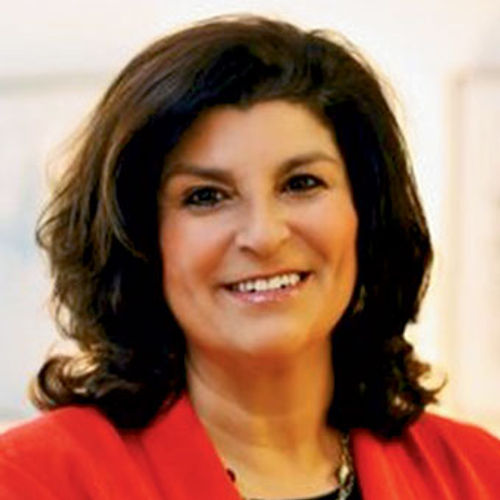
people take and the percentage of people who take insurance,” said Beth Godlin,
president of Aon Affinity Travel Practice. “So the more exotic or risky the
location is, or the more underdeveloped the medical infrastructure is, the
higher the percentage of people who take insurance.”
Insurers said they also felt their industry was
growing because of a better general awareness of travel insurance among U.S.
consumers, not just as a result of spikes caused by global events.
Beth Godlin
“Travel insurance is available in many more places
than it ever was before, so there’s a much higher degree of awareness of the
product and the value,” Godlin said. “Because of that — because of the sheer
sort of exponential increase in distribution points for the product — more
people are seeing it, more people are buying it.”
In addition, Jason Schreier, U.S. CEO of April Travel
Protection, attributed an increase in the amount of insurance sold to a
“heightened awareness” of insurance. He said education about what insurance can
do for travelers is important, especially in the U.S., where travelers
traditionally buy travel insurance less than in other markets.
Robert Gallagher, COO of AIG Travel, agreed. Within
the U.S. specifically, he said, “education and awareness about the value of
travel insurance is a key marketing objective for us.”
Companies that are focused more on travel risk
management are seeing increases in business, too. For example, On Call
International’s chief security officer, Jim Hutton, said the company is seeing
increases of 30% year over year in requests for information about both
insurance and risk-management services, particularly in the security, political
and natural disaster coverage realms.
FocusPoint International, a security and
risk-management firm, targets business travelers, but has seen an increase in
leisure travelers recently, CEO Greg Pearson said. This time last year the
company had about 10% leisure clients, but that is expected to grow to 30% by
the end of 2016, with an end goal of a 40/60 leisure-business mix.
The value of travel insurance is not lost on agents,
who often recommend the product to their customers.
Kimberly Wilson Wetty of Valerie Wilson Travel said,
“The best advice we give our travelers is to buy insurance and protect their
investment.”