
Paul Szydelko
Cannabis consumption lounges in Nevada could be opening as soon as this fall, in a variety of forms, resembling not only traditional bars and breweries but restaurants, music venues, comedy clubs, arcades, bowling alleys and massage and yoga studios.
Las Vegas' well-known creative and entrepreneurial energies are focusing on this new segment of the legal cannabis industry, but specific regulations for the lounges still must be approved.
The regulatory framework could be in place by the end of the spring, and the initial application and licensing process could commence in the summer, according to the state's timeline. Local jurisdictions must OK locations and could impose tighter rules, but the prospect of a variety of lounges has momentum.
The state legislature passed a bill in 2021 to permit the on-site consumption of cannabis products at dispensaries (which first opened in Nevada in July 2017) or standalone lounges. Since then, the state's Cannabis Compliance Board (CCB) has been working with stakeholders to draft regulations, holding more than a dozen public meetings and workshops.
While the state legislation passed last year permitted lounges to open
after last Oct. 1, it's taken more time than most industry officials
expected to set up an entirely new regulatory structure. Officials say it's because Nevada wants to get it right the first time.
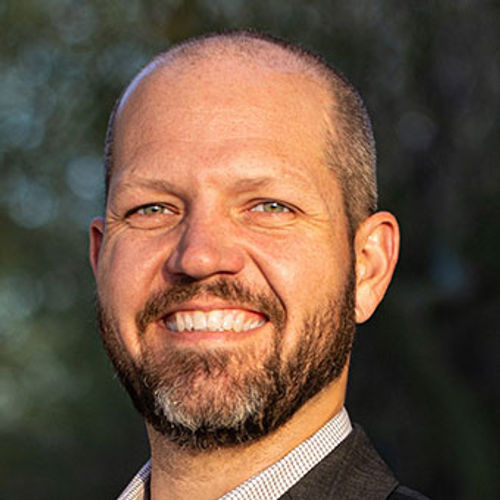
Brandon Wiegand Photo Credit: Source+
"Even though it's taking us more time, I think it's the right approach. [Officials are] being more thoughtful and prudent about the process, making sure
they solicit feedback from not only the industry but also the public,"
said Brandon Wiegand, president of the Nevada Cannabis Association and
chief commercial officer of Source+, which has four dispensaries in the
state, including three in southern Nevada.
"There's a lot of different avenues to look at, a lot of different ways to approach it, and we want to make sure that we have the right regulations in place so that we can do it right but also give the industry and the entrepreneurs the ability to really speak about this differently and ply their craft."
Tyler Klimas, executive director of the CCB, said he has been pleased with the participation of stakeholders.
"There's been a great give-and-take," he said. "I believe everybody's comfortable with the timeline. Sure, people want to see what they look like. But I think most of the industry, a lot of the stakeholders, realize how important it is that we take this time on the front end to make sure we get it as right as we can."
Health and safety concerns
The CCB's primary mission is to protect the health and safety of tourists, residents, cannabis consumers and industry employees through regulation of licensing and operations.
In lounges, that means working to ensure safe products, adequate air quality, employee training to spot overconsumption and consumer education, among many other provisions. There will also be social equity licenses to help individuals who have been disproportionately affected by drug policies in the past.
One of the bigger points of discussion is indoor air quality, Wiegand said. "If a lounge is going to allow inhalation, whether it's through cartridges or concentrates or flower, what are the responsibilities and requirements of the operator to protect the staff and protect the customers?"
Extra measures could include higher exchange rates of air than is required in other indoor areas, better filtration and requiring employees to be equipped with personal protective equipment.
"I don't think there should be a higher barrier or more stringent requirements than what's already provided under the Clean Indoor Air Act in Nevada," Wiegand said. "[That act] serves casinos, gaming bars and restaurants. If that is satisfactory for nicotine consumption, we should be able to adhere to the same guidelines when it comes to consumption lounges."
• Related: Ganja-friendly getaways in Jamaica
While many details still need to be worked out, a couple of things about cannabis consumption lounges are certain: They will not serve alcohol or be licensed in or within 1,500 feet of casinos. Because casinos are highly regulated with state licenses, they do not permit marijuana, which is still illegal under federal law.
Even with that restriction, however, lounges could be expected to pop up on busy commercial and industrial corridors near the Strip and in the Arts District downtown.
Creative plans for cannabis lounges
Consumption lounges could be considered not just bars that serve cannabis but entertainment complexes, and that's why it's taking time to craft regulations, Wiegand says.
Both Wiegand and Klimas agree that a flexible regulatory structure, nimble to address needs once the lounges open, will allow a lot of operational and aesthetic creativity.
"We're the 'Entertainment Capital of the World.' How do we bring that level of interest and excitement to the consumption lounge ideology?" said Wiegand, noting that Source+ is honing concepts to move quickly when permitting begins. "How do we get creative with the different ways you can consume cannabis and the different ways you can experience that?"
Said Klimas: "There will now be a well-regulated and safe place to consume, hopefully pulling those who consume right now in the open air on the Strip into those facilities, providing a better experience for people who do consume and a better experience for those who don't consume."