
Meagan Drillinger
Grenada headed into 2025 on a wave of 26 straight months of tourism growth, a streak that began in September 2022. Milestones have followed in rapid succession for the three-island nation (Grenada, Carriacou and Petit Martinique), including surpassing 20,000 monthly arrivals for the first time in December 2023, according to the Grenada Tourism Authority. And the numbers keep growing.
To meet the rising demand, Grenada is expanding its luxury tourism infrastructure. Recent and upcoming developments include Six Senses La Sagesse, Silversands Beach House and the soon-to-launch InterContinental Grenada Resort, while the Calabash Grenada is preparing to unveil six new oceanview suites in early 2026.

The SeaFire restaurant at Six Senses La Sagesse Grenada, one of the recent resort openings on the island. Photo Credit: Omar Perez
"This has elevated Grenada's profile among high-end travelers," said Petra Roach, CEO of the Grenada Tourism Authority. "These properties, along with expansions in underwater attractions and globally recognized dining experiences, have attracted a new type of demographic."
Sustainability first
But amid this wave of growth, Grenada is staying firmly anchored to its sustainability roots.
As Roach explained, "Sustainability is at the core of our tourism strategy." That vision was front and center when Grenada hosted the Caribbean Tourism Organization's Sustainable Tourism Conference in 2024, positioning the island as a regional leader in eco-conscious development. The island also previously received the CTO's Destination Resilience Award in 2022, honoring its innovative and timely pandemic response that wove sustainability into the recovery process.
Over the years, Grenada has launched numerous forward-thinking initiatives. In 2018, the Non-Biodegradable Waste Control Act banned Styrofoam and single-use plastics. In 2020, the Grenada National Trust published the Grenada Heritage book, preserving the island's cultural assets. In 2024, Grenada expanded its iconic Molinere Underwater Sculpture Park with the new Coral Carnival collection and introduced the Carriacou Underwater Sculpture Park, both designed to support marine ecosystems.
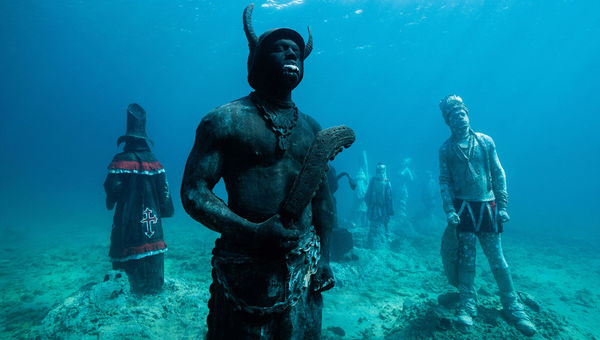
Grenada’s Moliniere Underwater Sculpture Park is an example of where tourism and sustainability meet. Photo Credit: Jason deCaires Taylor
Grenada also recently unveiled its first climate-smart fisher facility, developed in partnership with The Nature Conservancy. The facility incorporates renewable energy, rainwater harvesting and coastal conservation efforts to support local fishers and reduce climate impacts.
"These initiatives not only protect our ecosystems but also enhance our appeal to environmentally conscious travelers," said Roach.
Beyond environmental measures, Grenada's tourism blueprint focuses on equitable growth and cultural preservation. Increases in visitor spend and average length of stay are opening doors for local entrepreneurs, artisans and guides. The island's emphasis on agritourism has given travelers immersive experiences while supporting local farmers.
A standout example is Belmont Estate, a 17th-century plantation turned sustainable tourism hub. Visitors can take part in tree-to-bar chocolate-making classes, farm tours, goat dairy visits, and enjoy a prix-fixe, farm-to-table dining experience.
"Grenada's tourism strategy is rooted in inclusivity and authenticity," said Roach. "We emphasize the preservation of cultural heritage through immersive experiences, ensuring our communities remain integral to the tourism narrative while benefiting from its growth.
"Our vision is to solidify Grenada as a premier destination in the region, offering transformative experiences that captivate travelers and uphold our commitment to authenticity."