On June 1, Frontier Airlines became the first U.S. airline to implement passenger temperature checks. It was the latest health safety measure implemented by the discount carrier, which has also been an early adopter of other Covid-19 safety measures, including mandatory masks. Aviation editor Robert Silk spoke with Jake Filene, Frontier's senior vice president of customers, about the airline's health safety strategy.
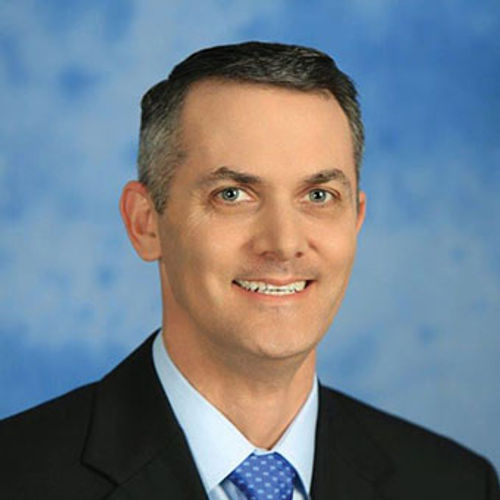
Jake Filene
Q: How are the temperature checks going?
A: For the most part, it has gone seamlessly. In the first week, we did not have a single customer who presented themselves at the gate with a fever. We're pleased with that. To some extent, we believe that's because we've been so aggressive in our health acknowledgement that we're asking every customer to complete during the check-in process.
Q: Are the temperature checks a competitive advantage? No other U.S. airline has announced plans to do them.
A: We think so. Any area where we can differentiate ourselves in health and safety we think is a competitive advantage.
Q: How important are health safeguard measures for restoring consumer confidence in flying?
A: We think it's very important. There are many things that almost all U.S. carriers are doing right now. But we have in many cases been really at the forefront of implementing them. Things like the aircraft cleaning programs, including fogging, that we were one of the first airlines to implement. Mandatory masks on board. That's an area where I think we have differentiated ourselves. We've taken a bit of a different approach in the industry in that we're really enforcing that. We have asked our flight attendants not just to be there to educate and ask people to wear the mask, but really, for those who remove the mask, to treat this as any other customer noncompliance. We've heard from our customers that they appreciate that. If they're going to travel, they want to make sure it is not just them wearing a mask, but that the people around them are doing that, as well.
Q: Masks have become a political issue in the U.S., so opposition to wearing them runs deep for some. You must have encountered situations like that by now.
A: We have. And we have removed some customers on the ground for immediately taking their mask off once they were on board. The reality is, in the air, we have for the most part seen compliance. And in the situations where we haven't, the customers are advised that just like other noncompliance, there may be consequences on the ground on the other end. And from that point, generally, folks put their masks back on.
Q: So you haven't had to have airport police meet people upon arrival?
A: We have not.
Q: Tell me about your cleaning regimen.
A: It's a two-step process for fogging. And we have lots of other cleaning programs. But the one that is getting the most attention is the fogging of the aircraft. It's two passes through the cabin. One is with a disinfectant that kills microorganisms on contact. Then we pass through with another solution that is a protectant that continues to work for weeks on end. Each virus or bacteria that comes in contact with that is killed on contact. The fogging is important because it really reaches every customer and crew member touchpoint on the aircraft, rather than what we also do, which is hand wipe-downs of all those seats, tray tables, armrests.
Q: Your planes have high-quality recirculating air filters. But despite that, there's a common conception that airplanes are germ traps. Are you confident that a Frontier airplane is a safe place to be?
A: The air that comes out of the air system of an Airbus aircraft is hospital grade. This is what hospitals use in operating rooms, HEPA filtration. That air is fully exchanged in the cabin every two to three minutes. It's some of the cleanest air you can breathe.
Q: Finally, what is your policy on seat blocking?
A: We have 20 middle seats blocked. So, effectively, we have 40 seats next to middle seat that won't have a customer next to them through the end of August.