NYC & Company recently launched a recovery plan that asks locals to get out and see their city and for visitors and businesses to pledge to follow health protocols. News editor Johanna Jainchill spoke with CEO Fred Dixon about how the Covid-19 pandemic differs from the many challenges the Big Apple has faced.
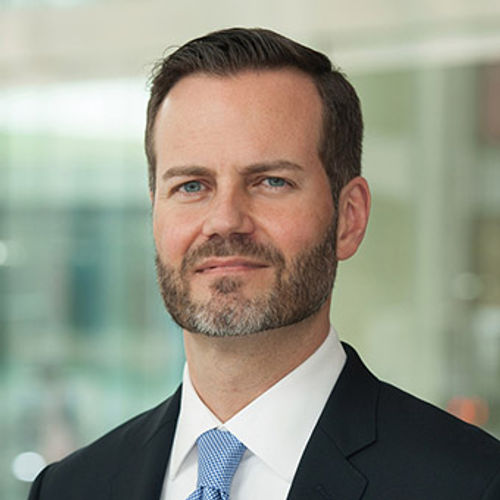
Fred Dixon
Q: New York has come back from 9/11, the Great Recession and Hurricane Sandy. How is this different?
A: This is just so prolonged. After 9/11, Broadway got back within a couple of weeks. This is a very different scenario: There's been nothing really like this since the Spanish flu in 1918. What we've learned in New York is there are a lot of precautions that have to be made, and we have learned some of those the hard way, but we have shown the ability to flatten the curve. We now know what to do to maintain that situation and to go forward. It is very different from other crises in that it relies on a collective behavior, and unfortunately, in this environment it's been politicized, although we are seeing that change to a degree. We have to learn to live with the virus and adhere to the protocols to get some sense of normalcy back. We need to set a great example in travel and tourism with protocols and can't reiterate enough the importance of normalizing this behavior: mask wearing, social distancing, handwashing. These are simple, proven measures that are essential to any type of recovery.
Q: Is recovery harder for New York, where so many attractions bring people together inside, like theater, restaurants and museums?
A: It probably isn't unlike theme parks in some ways, how you sit close together on rides. Other urban destinations certainly are in similar situations. There will be starts and stops; it's not a straight line forward, and it won't be an easy road. New York has survived so many challenges in the past. Cities throughout history have been the victims of plagues and pandemics. Human nature always brings people back together. We'll have to figure out how to navigate through it. Our biggest opportunities are in the immediate market: hyperlocal visitation at first and staying within our bubble and encouraging folks to take advantage of local offerings as they open up. Our recovery will be gradual, but it's certain.
Q: Are the locals starting to come out?
A: Yes. Phasing from a complete lockdown to re-engaging is partly fishing where the fish are. We are in that phase where we are re-instilling confidence in the destination. In the beginning, New York was the epicenter and people were concerned: How safe is it to visit? Now the tables have turned, and New York is one of the safest places in the country. We know the businesses that are reopening need to be supported. The small businesses that make New York New York are really challenged right now, and we feel obligated and committed to support them and help them find new audiences. People in the metro region have a great opportunity to have the city for themselves as it begins to reopen. We are also having conversations with Boston, Philadelphia and D.C. about how to create a bigger bubble and encourage travel through the mid-Atlantic and the Northeast, if we can get to that stage. The circle can only get as big as the viral situation will allow.
Q: How did the Black Lives Matter movement become part of the recovery plan?
A: Before the George Floyd murder, we knew many Black and Latino parts of the community were more impacted by the pandemic. Those neighborhoods are not necessarily popular tourist destinations, but a lot of people working in hospitality and tourism live there. We knew that equity in recovery was really important and were already thinking about encouraging spending in those communities as we come out of this. But as the situation evolved and the Black Lives Matter movement found a new energy, we recognized that there was more we needed to do. There is real opportunity to support the Black and Latino business community, especially arts and cultural organizations, in a way we had perhaps not fully done in the past and lift up and celebrate those parts of the city in a renewed way that will help them recover. We see it as an integral piece of the recovery effort.